







Introduction:Want to learn about the flavor profile and optimal pour over parameters of Fazenda Rainha’s honey-processed coffee beans? These beans from a renowned COE-winning estate in Brazil are known for their prominent sweetness, with charming layers of nuts, lemon, and dark chocolate — perfect for coffee lovers who enjoy a rounded, full-bodied taste. This article will take you deep into its growing background, processing method, cupping performance, and three-phase pour over technique.
On the selection list of a well-known coffee brand, the honey-processed beans from Fazenda Rainha in Brazil have always been highly favored. These beans not only feature a distinct sweetness; although their acidity may not be as bright or vibrant as Kenyan or Ethiopian beans, they showcase the gentle balance and unique smoothness characteristic of Brazilian coffee — making them a popular choice for many coffee beginners.
If you often taste Brazilian-origin coffee, you should know that the local terrain can generally be divided into two types: one is the Brazilian Highlands with altitudes above 500 meters, and the other is low-altitude plains under 200 meters. Due to the overall lower elevation and abundant sunlight, many coffee trees grow directly in environments with intense sun exposure, and this level of sunlight plays a key role in shaping the flavor of Brazilian coffee. Although the specialty coffee community typically considers 1200 meters and above as the ideal altitude for Arabica cultivation, Brazilian coffee still manages to create a uniquely distinctive flavor profile thanks to its regional characteristics — and has thus become a favorite among many coffee enthusiasts.
The honey-processed coffee beans introduced in this article come from the famous Fazenda Rainha in Brazil. This estate belongs to the historic Carvalho Dias family. Since the first Brazilian COE competition in 1999, the four estates under this family have won awards almost every year, accumulating over 12 awards within seven years. They even claimed the championship, 9th place, and 11th place in 2004 — showcasing extraordinary strength. With such an esteemed background, the coffee beans from Fazenda Rainha are far superior to ordinary Brazilian beans, making them stand out in the specialty coffee market.
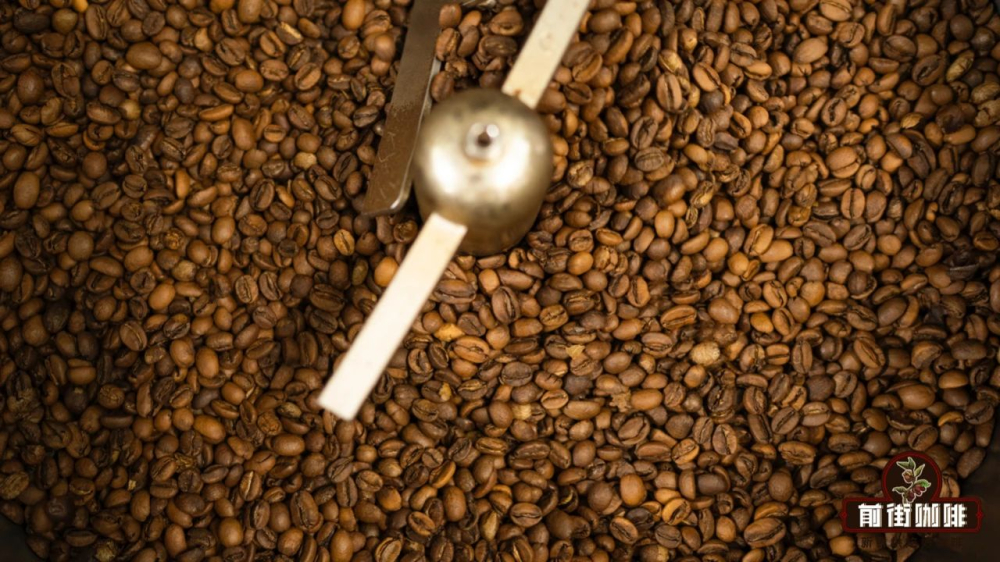
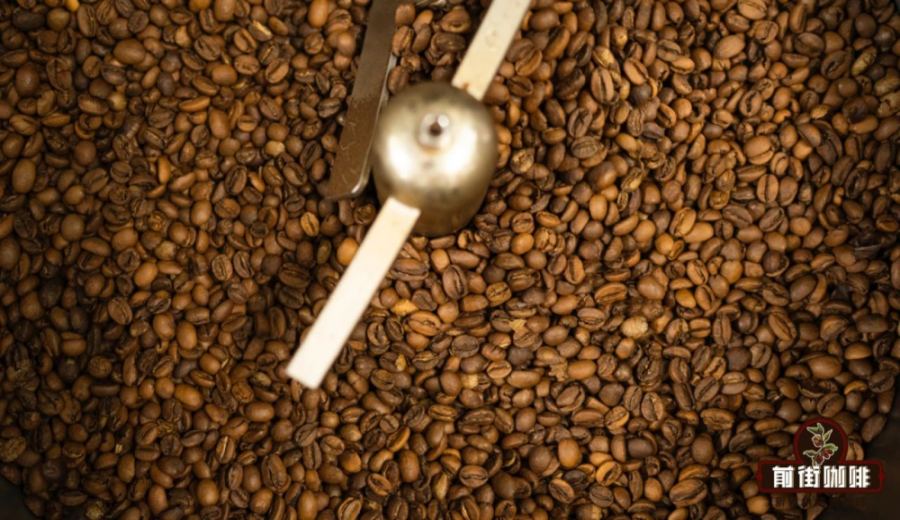
When procuring this batch of green coffee beans, the brand observed that the moisture content was relatively low and the beans were dense, meaning more precise control over temperature and time during roasting was necessary to avoid over-roasting. To highlight their rich aroma and good body, a medium roast was ultimately chosen. This roast level brings out nutty and caramel notes while not masking the beans’ inherent soft flavors.
Typically, the brand conducts cupping within 8 to 24 hours after roasting. During cupping, a standard 200ml cupping bowl is used, with a grind size benchmarked at 70%-75% passing through a #20 sieve, a dose of 11.3g, and water temperature set at 94°C. First, the coffee beans are ground and their dry aroma is sniffed — this honey-processed bean emits a distinct nutty scent. Then hot water is poured in, and its wet aroma is observed. Around four minutes later, the crust is broken and skimmed, entering the flavor evaluation phase. At this point, you can also prepare your pour over to fully experience its multi-layered profile after brewing.
For brewing, the brand recommends using the three-phase pouring method for these Fazenda Rainha honey-processed beans. The first step is to evenly wet the coffee bed with about 30g of hot water to allow the coffee grounds to fully degas. The second pour begins when the scale shows 30 seconds have passed. It is recommended to start pouring slowly with a small stream from the center of the coffee bed, keeping the circular motion small and steady — focusing on the bottom first and then gradually expanding outward to improve extraction uniformity. Be mindful to keep the water flow consistent without sudden changes or interruptions, as inconsistency may lead to under-extraction in the early stage, resulting in astringency or a short aftertaste; too much water may cause acidity to stand out and mask flavor layers. The pouring path can be adjusted based on personal preference — whether from the inside out, outside in, or from the center outward — each approach can highlight different styles, but the key is maintaining a stable rhythm. For the third pour, pay attention to the water level drop and begin pouring just before the coffee bed becomes exposed, continuing with a center-circling method without letting the water exceed the height of the coffee layer. It’s recommended to stop pouring at 1 minute and 50 seconds, and allow the coffee to complete dripping through within 2 minutes.
The flavor profile of this coffee is quite captivating. The sip opens with a rich sweetness, accompanied by soft citrus acidity and a strong nutty character, while the finish delivers a clear note of dark chocolate. The overall mouthfeel is round and smooth, showcasing the classic traits of Brazilian coffee while retaining liveliness and layered complexity. It makes an excellent choice as either a daily drinker or a sharing coffee.
It’s worth mentioning that the variety selection for Brazilian coffee is also quite diverse, commonly including Red Bourbon, Yellow Bourbon, New World, and Catuai. Among them, Yellow Catuai is a hybrid of New World and Caturra, developed by the Brazilian Agricultural Research Corporation. It boasts excellent disease resistance, is suitable for planting at higher altitudes, and often features clean and delicate acidity — making it very popular in the specialty coffee market.
Additionally, Fazenda Rainha still insists on hand-picking all coffee cherries to ensure only ripe ones are harvested, thereby guaranteeing high bean quality. The honey-processed coffee beans introduced here use Brazil’s unique honey processing method. Due to the region’s relatively dry climate, this method allows for precise control over the fermentation degree of mucilage-covered beans without using water tanks for fermentation, giving the coffee a unique and gentle fermented flavor. Compared to common tank-fermented processing methods, the honey process skips the water rinse step, resulting in a final flavor that is more restrained, sweet, and distinctly regional.
In Brazil, the grading standards for coffee beans also differ from those in Kenya or Colombia. Due to the overall lower altitude, Brazil does not primarily use bean size or altitude as grading criteria. Instead, it evaluates coffee grade based on a combination of four indicators: bean size, defect rate, cupping score, and flavor performance. This ensures that every carefully selected Brazilian coffee bean comes with a solid guarantee of quality.
The above content is compiled by CoffeeHunters, a coffee news website.


