







Introduction:Kenyan coffee is renowned for its bright acidity and fruity aroma, with the SL28 and SL34 varieties offering particularly distinctive characteristics. This article delves into Kenya’s PB peaberry beans, the K72 washed processing method, and its eight-tier grading system. It also compares the flavor profiles of AA, AB, and PB grades, while providing tested pour over parameters and tasting notes to help you master selection and brewing essentials.
In recent years, Kenyan coffee has made a remarkable splash in the specialty coffee market, most notably for its high acidity reminiscent of fresh cherry tomatoes and its vibrant, lively fruity tones. Among the many varieties, SL28 and SL34 are the flagship representatives of Kenyan coffee—not only well-suited to high-altitude cultivation but also showcasing highly recognizable flavor profiles.
These coffees are primarily grown in the highland regions centered around Mount Kenya, typically at elevations ranging from 1,500 to 2,100 meters. The high altitude brings significant diurnal temperature variations, which aid in the accumulation of flavor compounds. Meanwhile, the area’s volcanic soils are loose, fertile, and well-drained, complemented by ample sunlight—altogether forming the unique flavor foundation of Kenyan coffee.
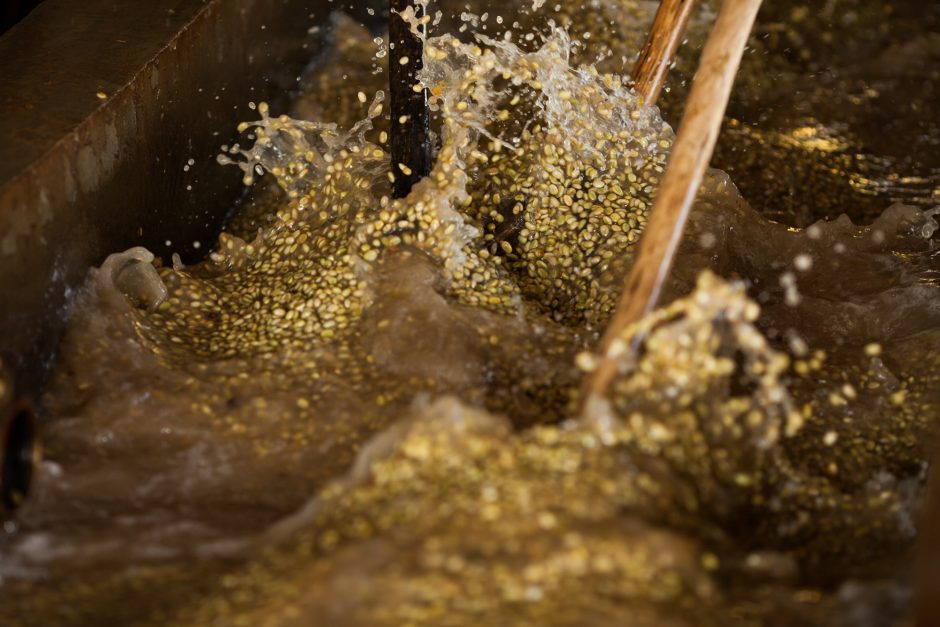
In terms of processing methods, Kenya has developed a distinctive washed process known as the K72 method. The key difference between this and standard washed processing lies in its lengthy and multiple fermentation stages. While many regions ferment for just 18 hours, Kenya divides fermentation into three phases, each lasting 24 hours, with fresh water added between stages—totaling up to 72 hours. This repeated fermentation not only enhances cleanliness but also enriches the acidity’s complexity and sustainability, resulting in a cup that tastes brighter, cleaner, and more vibrant.
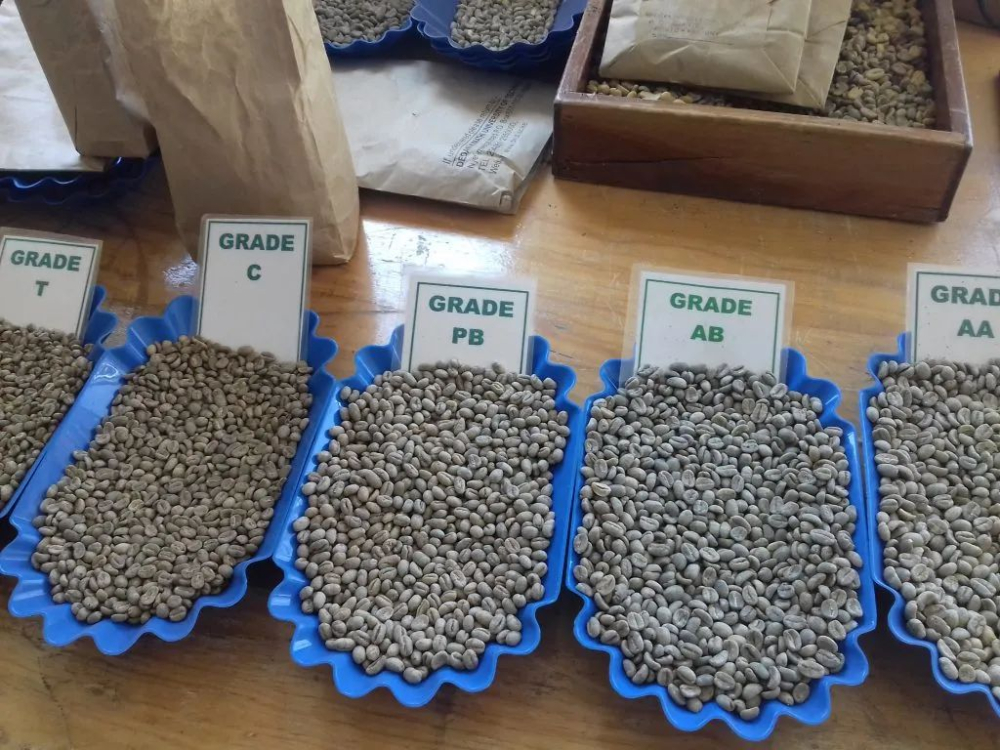
Kenya’s coffee grading system is also unique. Unlike many countries that grade based on cupping scores or defect rates, Kenya grades its green beans primarily by “bean size,” divided into eight grades: E, AA, AB, TT, C, T, PB, and UG. Among these, E grade refers to elephant beans—the largest bean size; PB stands for peaberry, accounting for only 5% to 10% of coffee cherries and is quite rare. The most commonly seen grades in the market are AA, AB, and PB, especially AA and PB, which are widely praised for their uniform, plump, and consistently sized beans.
The formation of peaberries usually occurs when the seeds inside a coffee cherry fail to split into two halves normally, resulting in a single, round bean. These beans, due to more even heat exposure and higher density, often exhibit greater consistency during roasting and extraction, and are more likely to express concentrated and bright flavor characteristics. The common varieties that produce peaberries are SL28 and SL34—both well-adapted to high altitudes and celebrated for their bright acidity and excellent sweetness. SL28 offers notes of blackcurrant and citrus, with delicate and layered acidity; SL34 exhibits a more exuberant fruity acidity with a relatively soft and smooth mouthfeel.
Beyond peaberries, Kenya’s AA-grade coffee also garners significant attention. AA denotes the largest and most uniformly shaped flat beans, typically boasting rich aromas and clear, bright acidity. The AB grade consists of slightly smaller beans; although marginally smaller in size, their flavor performance is often still outstanding, with a softer tone. In actual tasting, AA-grade often presents vivid flavors of cherry tomato, citrus, and dark plum, with bright acidity and a clean aftertaste; AB-grade may carry more dark plum and nutty undertones, with a rounded mouthfeel and a hint of honey sweetness.
In our practical pour over tests, we used three Kenyan coffee beans from different estates and cooperatives: the Sachini Estate PB peaberry, the Assalia AA, and the Gachatha Cooperative AB. Brewing parameters were standardized across all: 15g dose, 1:15 coffee-to-water ratio, using a V60 filter to control flow rate and clarity of flavors. Detailed settings included a water temperature of 90°C, with the following pouring method: first, 30g of water for a 30-second bloom, followed by slowly pouring 120g of water from the center outward. Once the water level dropped to half the bed, another 120g was poured in concentric circles at approximately 4g per second until reaching a total of 240g, with an overall extraction time of about 1 minute and 50 seconds.
Tasting results showed that the Assalia AA exhibited intense tomato and floral dry fragrance, with clear notes of cherry tomato and dark plum upon entry. The acidity was bright and clean, delivering a refreshing and layered mouthfeel. The Gachatha AB, on the other hand, had a softer profile of dark plum and nuts, with a hint of almond aroma emerging mid-palate and a honey-like sweetness in the finish. It delivered a pronounced juiciness with an elegant balance of sweet and sour. As for the PB peaberry, its rare round structure, high density, and even heat distribution often resulted in more concentrated acidity and sweetness, offering a tight, vibrant cup.
In summary, Kenyan coffee, thanks to its unique geographical environment, traditional varieties, and the distinctive K72 washed process, delivers a flavor profile of bright acidity, bold fruitiness, and layered complexity. Whether you choose the large-sized AA grade, the cost-effective AB grade, or the rare PB peaberry, you can experience the unique charm of Kenyan coffee. Understanding its grading logic and processing methods will help you make more informed choices when selecting and brewing, allowing you to further appreciate the refined coffee elegance of Africa’s highlands.
The above content is compiled by CoffeeHunters, a coffee news website.


