







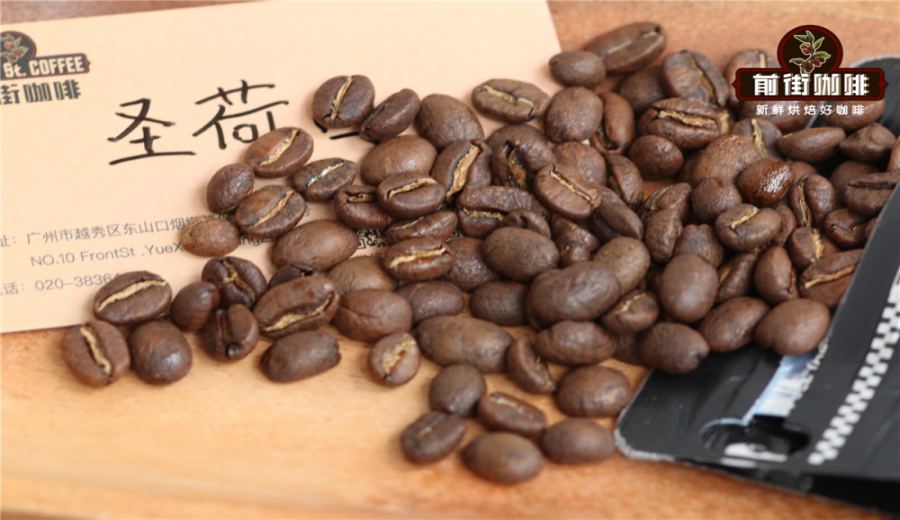
Introduction:This Colombian Castillo variety coffee bean from the Caldas region, grown at an altitude of 1,750 meters, undergoes a three-month fermentation in rum barrels, yielding unique notes of liquor and tropical fruits. This article takes an in-depth look at the innovative processing method from Finca San José and provides practical parameters and step-by-step extraction techniques for both hot and iced pour-over brewing to help you achieve a well-layered cup with flavors of rum, nuts, and fruit at home.
While barrel-fermented processing is often associated with whisky sherry cask-treated beans from a certain well-known origin, the inspiration actually came from the ingenuity of the lady owner of Finca San José in Colombia. These rum barrel-fermented coffee beans, introduced by a certain coffee brand, come from the Caldas region at an elevation of 1,750 meters and are of the Castillo variety. Their distinctive feature lies in the green beans being left to rest in aged rum barrels for up to three months, fully absorbing the liquor’s aroma for a uniquely flavorful experience.
When it comes to barrel-fermented coffee, many first think of Honduran beans with strong whisky-like characteristics, but this concept originated from Finca San José in Colombia. The lady owner of the farm was inspired during an accompanying visit with her husband to handle rum oak barrels and began contemplating the possibility of fermenting green coffee beans inside them. Starting in 2013, she experimented with different vintages of oak barrels and fermentation durations, eventually crafting this refined washed coffee bean with intense yet layered liquor notes.
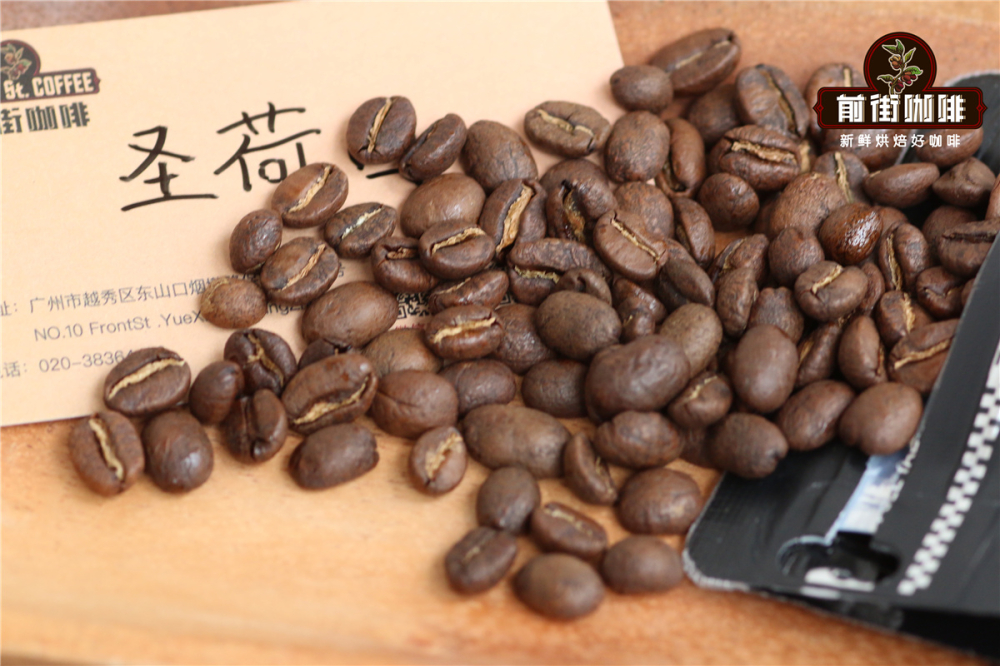
These beans are grown in Colombia’s Caldas region, which may not be as famous as Huila or Cauca but is one of the earliest areas where coffee was cultivated as a commercial crop. It was designated a UNESCO World Heritage Site in 2011. The region enjoys a stable climate with an average annual temperature of around 21–25°C and is nourished by the soils of the Nevado del Ruiz volcano, resulting in coffee with rich, multi-dimensional flavor profiles. Caldas, along with neighboring Quindío and Risaralda, forms the famed “Coffee Triangle,” known for vanilla notes, gentle acidity, and a full-bodied mouthfeel.
Finca San José was established in 1963 as a family-run estate and is now managed by the third generation. The farm is committed to sustainable agriculture and environmental conservation, maintaining biodiversity, protecting local flora and fauna habitats, and introducing modern facilities to strike a balance between tradition and innovation. Lady owner Monsalve Botero drew inspiration while observing the rum fermentation process, embarking on the journey of experimenting with barrel fermentation, which ultimately led to these remarkable beans.
In the processing workflow, the coffee cherries first undergo traditional depulping and washing, followed by fermentation for no more than 20 hours in a low-temperature environment. They are then dried in silos until the desired moisture level is reached, and finally air-dried outdoors under rainproof covers. For this special rum barrel-fermented batch, only 17/18 size, top-quality green beans were selected and placed in aged rum oak barrels with a distinct ‘Tafia’ aroma—over eight years old—for three months. Monthly sample analyses were conducted to ensure the beans fully absorbed the flavors.
The Castillo variety used in this coffee is the result of five generations of hybridization between Typica and Caturra. Typica plants are tall and disease-resistant, originating from the natural cross between Arabica and Robusta. Caturra is a natural mutation of Bourbon, offering higher yields and good flavor expression but is susceptible to leaf rust. The combination of the two gives Castillo both stable yield potential and excellent flavor qualities.
In roasting, this coffee is presented in a refined washed style with a medium-light roast. Recommended drum inlet temperature is 190°C, initial flame power 140, and air damper setting 3. The turning point occurs at around 1’42”. When the drum temperature drops to 140°C, adjust the air damper to 4. At 151.8°C, when the bean surface turns yellow and grassy notes fade, entering the drying phase, if the drum temperature reaches 150°C, slightly reduce flame power to 120. At around 8’38”, when bean surfaces show wrinkles and dark spots and coffee aromas replace the smell of toast, this signals the prelude to first crack. First crack begins at 9’07”, with the air damper opened to 4, and continues developing for 2’10” post-crack, finally dropping at 195°C, resulting in bright acidity and rich aroma.
For pour-over, we recommend using a V60 filter cone, whose unique spiral ridges help enhance extraction layering. For hot pour-over, use a 1:15 coffee-to-water ratio, 15g coffee, 91°C water, and grind size fine sugar (80% through a #20 sieve). Specifically, start with a 30g bloom for 30 seconds to form a “hamburger” puck shape. The first pour reaches 125g at 1’00”, then wait for the water level to drop to two-thirds of the puck before the second pour to 225g. Total brew time is around 1’59”, and gently swirl before drinking. Flavorwise, hot brewing highlights rich rum aromas paired with notes of nuts, tropical fruit, cream, and an oolong tea-like finish, with prominent sweetness and good balance.
For iced pour-over, adjust the coffee-to-water ratio to 1:10, keeping the same 15g dose but using a slightly finer grind (82% through a #20 sieve), and add 100g ice cubes. Begin with a 30g bloom for 30 seconds, then pour in small streams to 90g for the first segment, continuing to 150g as the water level nears the bed. Total brew time is about 1’25”, then add ice and mix evenly. While the rum aroma is less pronounced in iced brewing, the tropical fruit acidity and nutty notes are smoother, with standout sweetness and a silky mouthfeel—ideal for those who prefer a refreshing, sweet-tart profile.
The above content is compiled by CoffeeHunters, a coffee news website.


