







Introduction:Both originating from Ethiopia, Yirgacheffe and Huakui 8.0 showcase distinctly different flavor personalities: one bright and acidic, the other sweet and full-bodied. This difference stems from their respective processing methods—washed and natural—as well as the unique terroir of the Yirgacheffe and Sidamo regions. This article delves into how these two processing techniques shape coffee flavors and provides tailored pour over recommendations for water temperature, grind size, and brewing techniques based on the characteristics of these two classic beans, helping you adjust to your preferred taste profile.
As a genetic treasure trove of coffee, Ethiopia has nurtured numerous specialty bean varieties with unique flavors. Among them, Yirgacheffe and Huakui 8.0 are two classic choices for fans of medium to light roasts. However, despite both hailing from Africa, these two coffees present polar opposite personalities in the cup—Yirgacheffe is known for its bright lemon acidity and fresh floral notes, while Huakui 8.0 shines with its rich juice-like sweetness and bold fruitiness. This contrast is not only due to regional differences but also closely tied to the washed and natural processing methods used.
To understand the fundamental differences between these two coffees, we must first look at their origins. Sidamo is located in southern Ethiopia, near the East African Rift Valley, with altitudes ranging from 1400 to 2000 meters. The region features diverse terrain and microclimates, along with a wealth of native coffee varieties, resulting in complex and layered coffee flavors. In recent years, Sidamo has become an important coffee export hub in Ethiopia, with most of its coffee processed using the natural method to fully highlight the natural sugars in the pulp and mucilage, thereby enhancing its intense fruity and floral aromas and sweet, smooth mouthfeel.
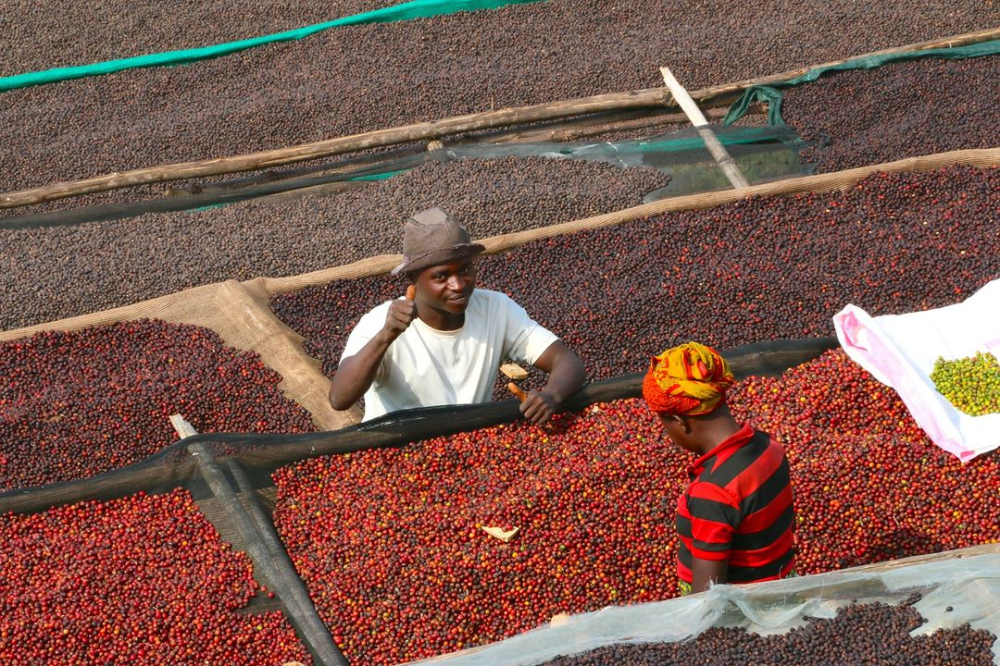
So, how does the natural processing method influence coffee flavor? Known as the dry process or natural process, this method involves drying the entire coffee cherry—pulp and mucilage included—immediately after harvest. The process typically lasts three to five weeks, depending on weather conditions. As the sugars in the pulp gradually seep into the seeds during the prolonged drying period, coupled with some natural fermentation, the final coffee often exhibits intense fruitiness, sweetness, and a rich mouthfeel. Industry experts note that the most prominent characteristics of natural processing are bold fruit aromas, high sweetness, and a smooth, rounded body.
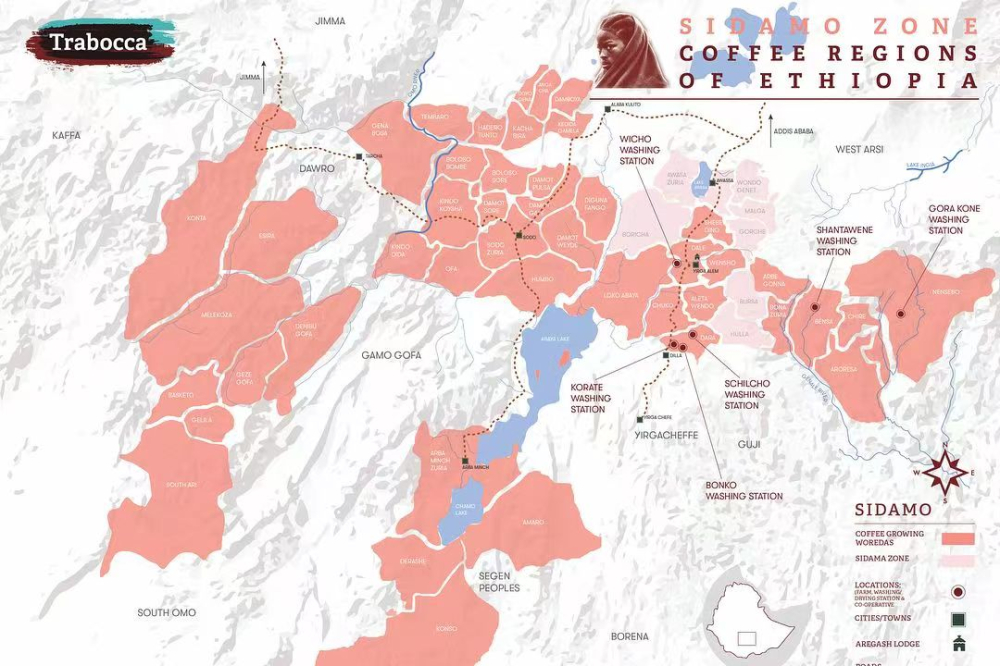
Huakui 8.0 is one of the representative natural-processed coffees from the Sidamo region, sourced from the Guji Zone’s Hambela area and meticulously processed by the local Buku Abel washing station. To bear the name “Huakui,” the coffee must come from a natural batch produced by this station, with each year’s batch distinguished by an X.0 designation—for example, the latest 2024 release is “Huakui 8.0.” This bean is grown at an altitude of approximately 2250 to 2350 meters, using local heirloom varieties and crafted through careful natural processing.
Tasting notes indicate that Huakui 8.0 emits rich tropical fruit aromas in the dry stage, such as jackfruit, apricot, dried fruit, and subtle floral notes. Once hot water is poured, it reveals layers of sweetness reminiscent of honey, berries, and chocolate. During cupping, its flavor profile is vibrant, with a juicy interplay of dried mango, jackfruit, and citrus acidity upon entry, complemented by a smooth mouthfeel. As the cup cools, the acidity of peach and berries gradually emerges, and the finish leaves a soft, tea-like sweetness, making for a highly layered overall experience.
In contrast to Sidamo’s Huakui, Yirgacheffe presents a completely different flavor character. Originally part of Sidamo, Yirgacheffe distinguished itself with uniquely identifiable flavors and eventually emerged as one of Ethiopia’s most renowned specialty coffee regions. The distinct personality of Yirgacheffe coffee is attributed not only to its exceptional terroir but also to the widespread use of washed processing.
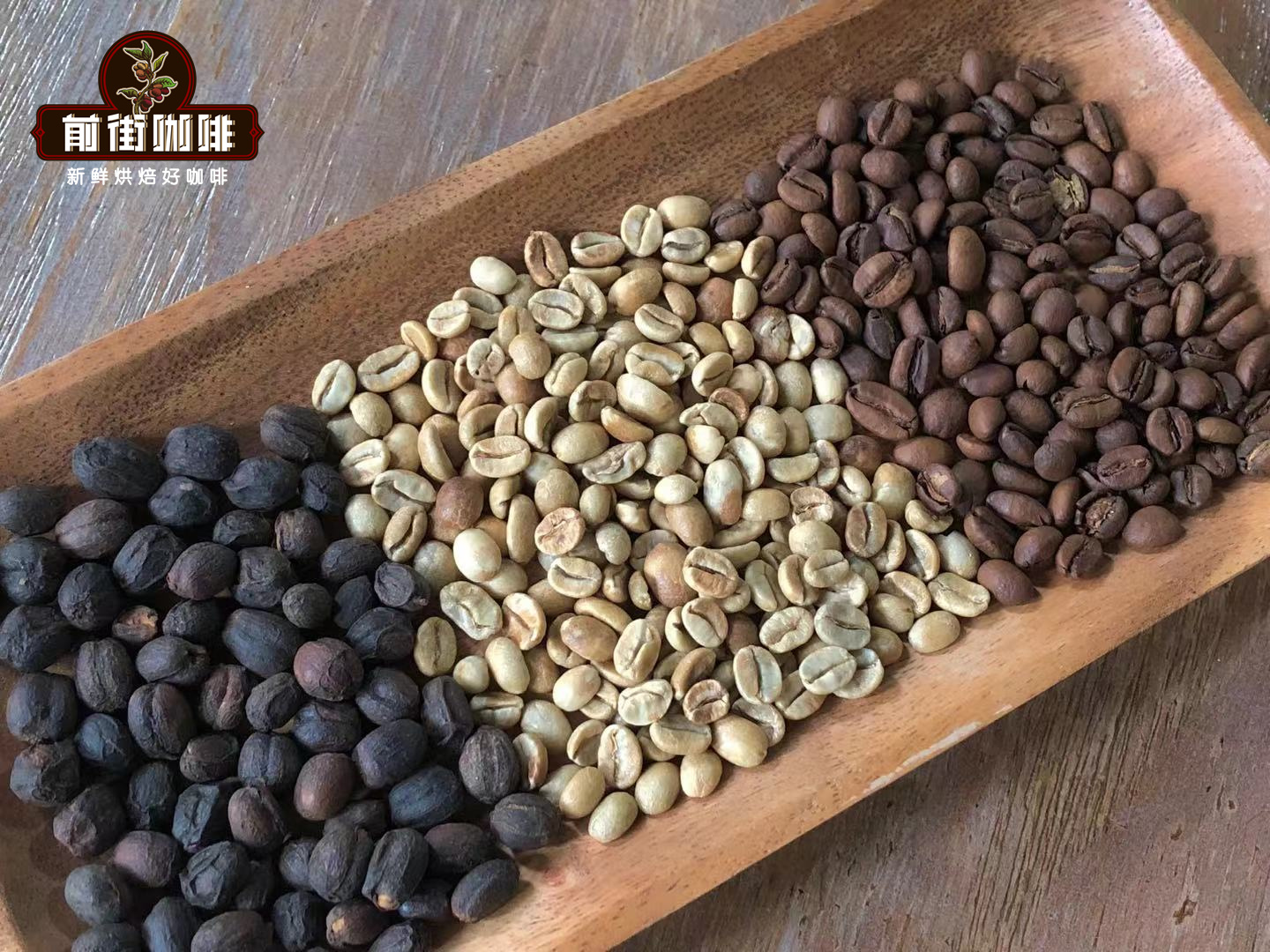
The washed process (Washed Process) is a method where the coffee cherry’s skin and pulp are mechanically removed, followed by the use of water and fermentation to eliminate the mucilage layer, and finally drying the beans in the sun. The steps include floatation to remove defective beans, pulp removal, fermentation to eliminate mucilage, thorough washing, and then sun drying until the moisture content reaches 11% to 13%. This method significantly improves the purity and consistency of green beans, while also highlighting clearer, brighter acidity and refreshing floral characteristics in the coffee.
In the past, Yirgacheffe also primarily used the natural process, but due to inconsistent quality control, water washing stations were established starting in the 1970s, gradually popularizing the washed technique. Yirgacheffe town is located in the Gedeo Zone, close to lakes and rivers, ensuring abundant water supply—an ideal condition for washed processing. Additionally, the region’s name “Yirgacheffe” in ancient language means “let us settle in this wetland,” reflecting its close relationship with its geographical environment and water resources.
The washed process gives Yirgacheffe its clean, delicate flavor profile, often characterized by notes of lemon, green tea, and white flowers. The overall mouthfeel is clean, bright, and layered. Even within Yirgacheffe, some cooperatives stick to the natural process, producing distinctive batches like Red Cherry and Konga, showcasing the region’s diverse potential.
When actually brewing these two beans from different regions and processing methods via pour over, how should parameters be adjusted to highlight their characteristics? Generally, it is recommended to use a medium-light roast to preserve acidity and aroma; the grind size should be set to medium-fine, approximately 78% passing through a Chinese standard No. 20 sieve, with a brew ratio maintained at 1:15, balancing extraction efficiency and mouthfeel. It’s important to note that freshly roasted beans (recommended for use within 5 days post-roast, with a resting period of about 4–7 days) can deliver the most complete flavor expression.
For washed Yirgacheffe (such as batches from the Gutingding cooperative), if you wish to emphasize its bright lemon-like acidity and tea-like finish, choose a water temperature of 90°C to 91°C; if you prefer a fuller acidity and body, you may slightly increase to 92°C to 93°C. A three-stage pouring technique is recommended to fully extract the diverse flavor compounds.
As for the natural Sidamo representative—Huakui 8.0—it is suggested to brew at 91°C to 92°C to enhance sweetness and body. During actual pour over, a center pour method is advisable, allowing the hot water to uniformly penetrate the coffee bed for stable extraction of its juice-like sweet and sour flavors. A three-stage pour is recommended: start with a 30-second bloom using twice the coffee’s weight in water, then pour in small circles from the center outward until reaching 125 grams for the first pour, wait for the bed to lower, and continue pouring up to 225 grams, with the whole process taking about 2 minutes—you may fine-tune within 10 seconds based on actual conditions.
The above content is compiled by CoffeeHunters, a coffee news website.


