








Introduction:Colombia’s San Jose Estate was the first to apply rum barrel fermentation to coffee, creating specialty beans with distinctive flavors. This article delves into the estate’s terroir, the characteristics of the Castillo variety, and the intricate process of meticulous washed processing combined with barrel fermentation. It also compares flavor differences with similar treatments in Honduras. Additionally, three water temperature pour-over tests are provided to help you master the optimal extraction method and experience the rich layers of wine aroma and fruity notes.
In the world of specialty coffee, barrel fermentation is gradually becoming a focal point, and this innovation can actually be traced back to Colombia’s San Jose Estate. The estate’s third-generation matriarch, inspired by a serendipitous moment, decided to ferment green coffee beans in rum oak barrels at low temperatures, thus opening a unique chapter in coffee processing.
Colombia’s Caldas region, blessed with exceptional climate conditions, nurtures many high-quality coffees. San Jose Estate is located here, boasting a history of over a century and covering 18 hectares, with 16.5 hectares dedicated exclusively to coffee cultivation. The area enjoys abundant sunshine, with an average annual temperature ranging between 21°C and 25°C, providing an ideal environment for coffee growth.
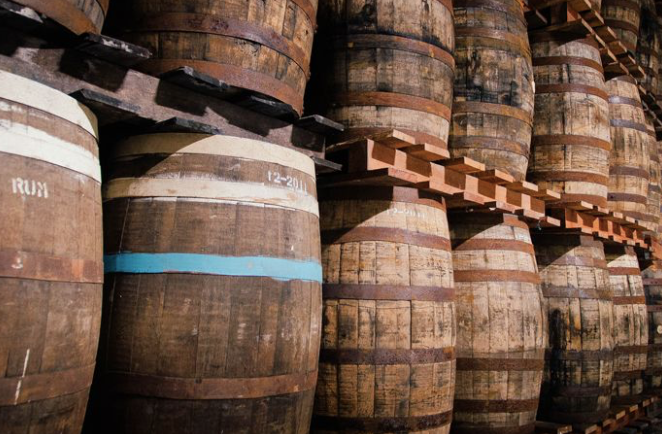
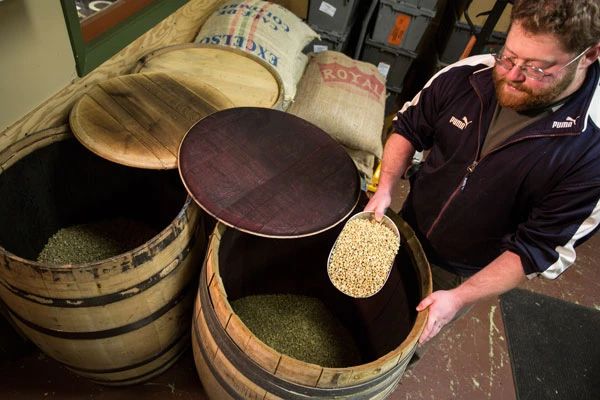
The rum barrel fermentation process at San Jose Estate was developed by the third-generation owner, Monsalve Botero. While assisting her husband with rum oak barrels, she was struck with the idea of fermenting coffee beans inside them. Starting in 2013, through repeated experimentation with different barrel ages and fermentation durations, she eventually discovered the optimal combination to impart unique flavors to the coffee.
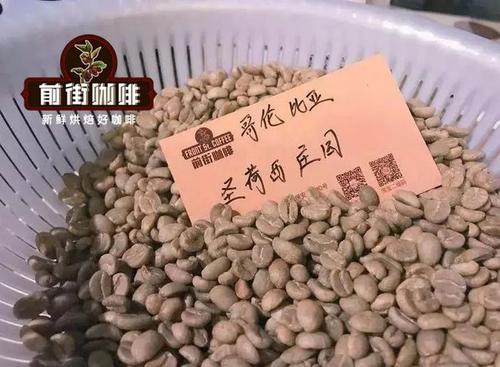
These coffee beans are of the Castillo variety, a disease-resistant strain cultivated by Colombia’s coffee research institute in 2005, known for its intense fermented aromas and ripe fruit notes. The green beans exhibit a bluish-green hue, representing one of the highest local grades, Supremo. During processing, the coffee cherries undergo a refined washed fermentation for 20 hours before being placed in rum oak barrels with a minimum age of 8 years for three months, with daily stirring to ensure even absorption of the wine aroma.
Throughout the three-month fermentation period, the estate conducts sample tests every 30 days to ensure the wine aroma is absorbed to just the right degree, avoiding both over- and under-infusion. After fermentation, the beans are dried in a greenhouse, where stable temperatures help prevent secondary fermentation, ensuring the final flavors remain pure and rich.
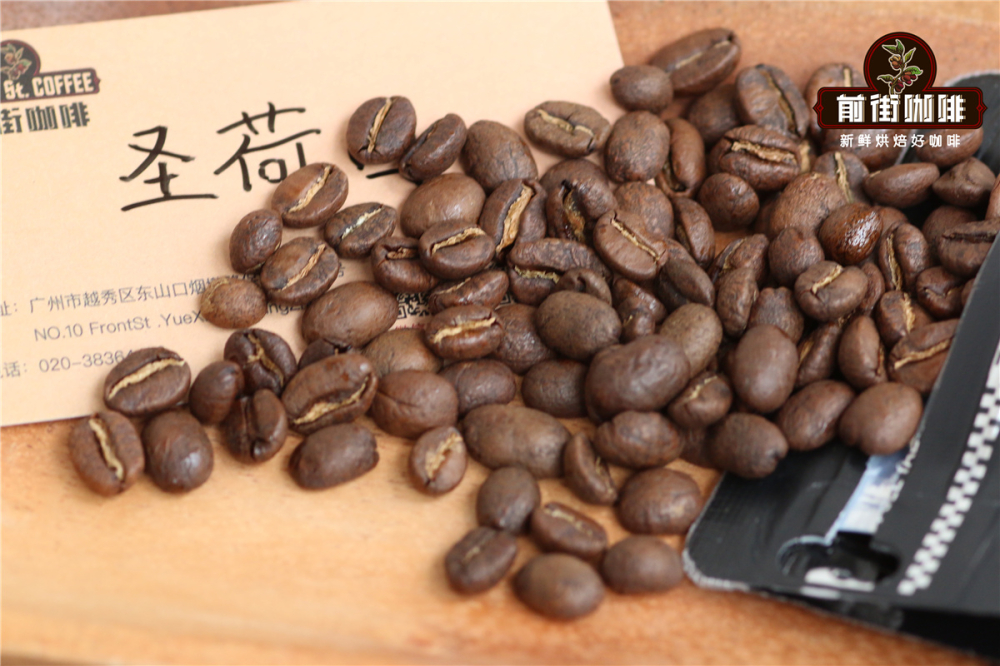
Compared to the rum barrel fermented beans from Honduras’ Mocha Estate, San Jose Estate’s version presents a distinctly different flavor profile. Honduran barrel-fermented beans typically lead with wine aroma, followed by soft acidity and creamy textures, concluding with nuts and cocoa. In contrast, San Jose’s version opens with the richness of nuts and cocoa, then releases rum aromas accompanied by tropical fruit acidity and maple sweetness, offering layered and dynamic complexity.
The Castillo variety has been widely planted in Colombia since 2008 in response to the threat of leaf rust. Developed by CENICAFE, it incorporates multiple disease-resistant genes, not only excelling in adaptability but also showcasing unique potential in flavor expression. The Castillo used at San Jose Estate features strong fermented aromas and the fragrance of ripe fruits, laying an excellent foundation for subsequent processing.
Within Colombia’s coffee grading system, Supremo represents the highest grade, denoting large bean size, excellent appearance, and superior flavor. The coffee beans from San Jose Estate are a prime example of this grade, reflecting the country’s dedication to craftsmanship and quality in coffee.
To help coffee enthusiasts fully experience the unique flavors of these beans at home, we conducted pour-over tests using three different water temperatures. During the experiment, a Hario V60 filter was used, with 15 grams of medium-fine grind (BG 6M, 58% passing rate through a Chinese standard No. 20 sieve), a 1:15 coffee-to-water ratio, and a pulse pouring method, adjusting only the water temperature parameter.
[Water Temperature: 92°C]: The bloom used 25 grams of water for 30 seconds, followed by small circular pours centered until reaching 126 grams for the first pour. When the water level neared the bed, slightly larger pours continued up to 226 grams, and the filter was removed just before the bed became visible. Total brew time was about 1 minute 40 seconds. Flavor notes included intense fermented aromas, with tasting profiles of chocolate, caramel, and soft acidity, and a slight smoky finish.
[Water Temperature: 90°C]: Bloom with 27 grams of water, 30 seconds later small circular pours to 125 grams for the first pour, then continued to 226 grams, total time around 1 minute 43 seconds. This temperature highlighted rum aroma while showcasing nuts, tropical fruits, dark berries, and creaminess, with pronounced sweetness and balanced overall flavor.
[Water Temperature: 88°C]: Bloom with 28 grams of water, 30 seconds later circular pours to 125 grams for the first pour, then continued to 226 grams, total time about 1 minute 42 seconds. At this setting, the coffee exhibited subtle fermented aromas, with dominant flavors of chocolate, nuts, citrus, jackfruit, and tropical fruits, leaning more toward fruity acidity and sweetness.
Comparing the results of all three water temperatures, we recommend brewing with 88°C to 90°C to fully highlight the coffee’s sweetness and balanced layers. As the beans are medium-roasted with deep fermentation, their structure is relatively loose, and excessively high temperatures may lead to over-extraction, negatively impacting flavor. With proper temperature control and adjusted brewing parameters, you can enjoy this unique coffee experience from Colombia’s San Jose Estate at home.
The above content is compiled by CoffeeHunters, a coffee news website.


