







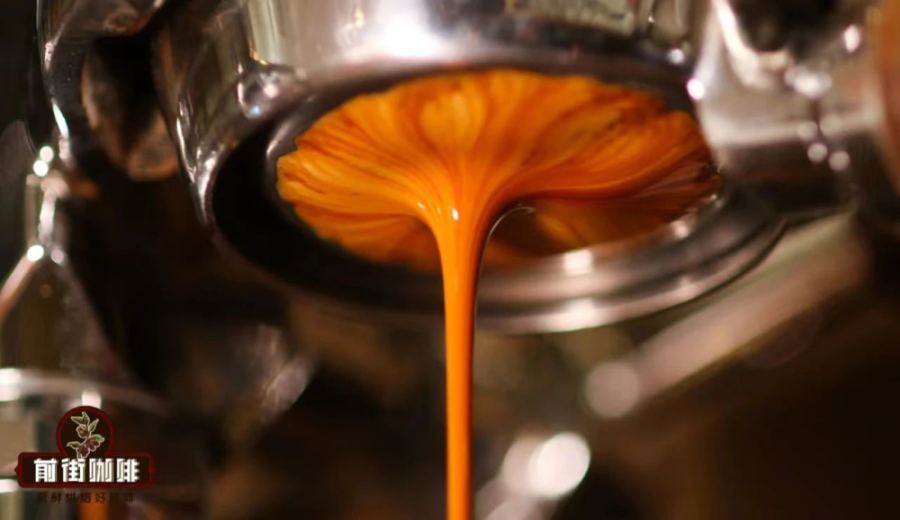
Introduction:Espresso is the soul of Italian-style beverages, but many people’s impression of it is limited to being strong and bitter. This article delves into the definition of espresso, its standard preparation process, and through a segmented extraction experiment, helps you understand the flavor transitions from the first to the last stages. It further compares Ristretto (a concentrated shot) with regular espresso in terms of extraction principles, brew ratios, and flavor concentration, helping you grasp why Ristretto has less bitterness yet more intensity, as well as its practical application logic in milk-based coffee drinks.
On the menus of most coffee shops, espresso is the most fundamental and important element—whether it's a latte, cappuccino, or Americano, they all start with it. Yet, many consumers still associate espresso with the notion of “dark, bitter, and hard to swallow.” In reality, espresso is not just about intense flavors on the surface; it also carries a rich and complex array of taste layers.
Espresso refers to the concentrated coffee liquid extracted under approximately 9 bar of high pressure within an extremely short time (usually 25 to 30 seconds). A standard single shot typically yields around 30 milliliters (1 ounce), using a very high brew ratio, commonly 1:2—for example, using 18 to 19 grams of coffee grounds to extract 36 to 38 grams of liquid. This method of high concentration and high-pressure extraction results in a rich, full-bodied, and layered profile.
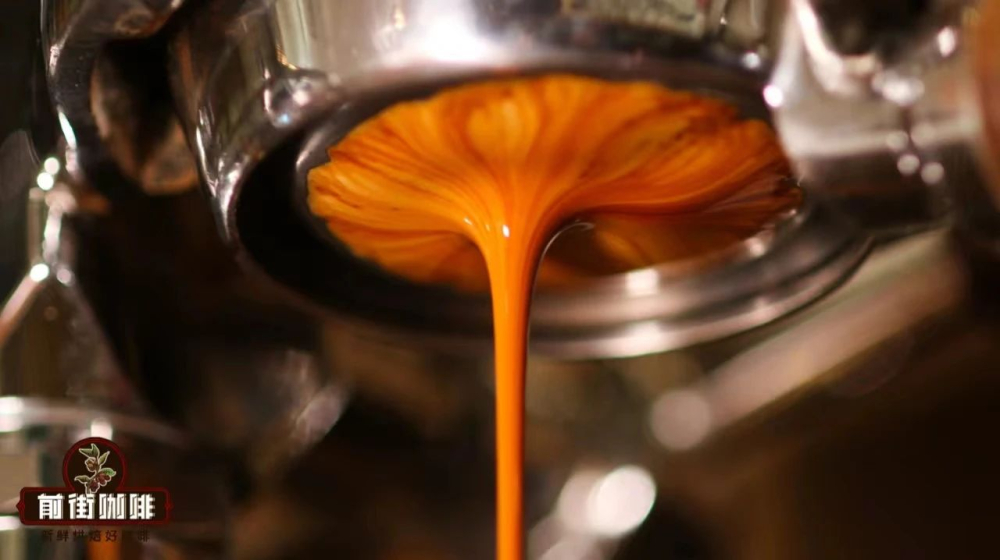
Although the process of making espresso may seem simple, it actually demands extreme precision. Below are the standard six steps:
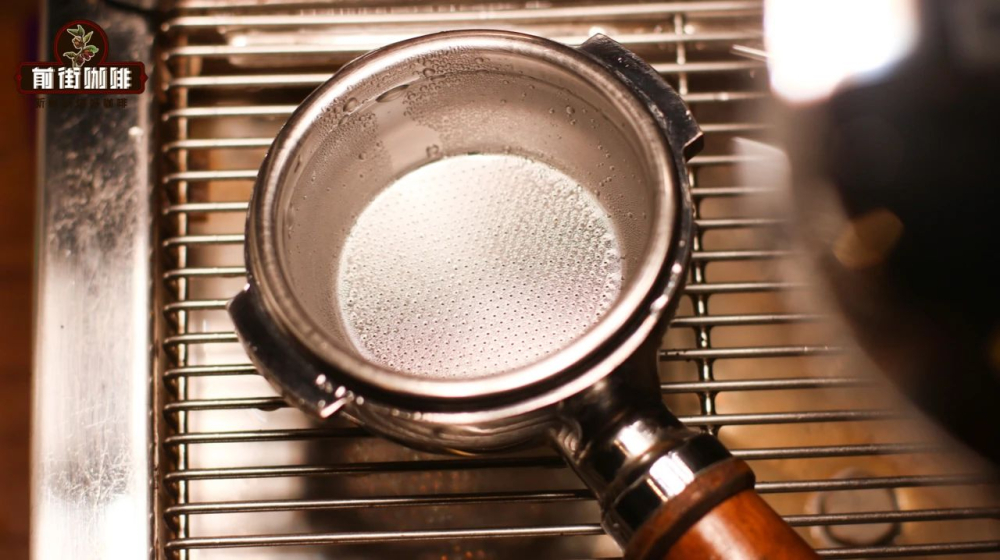
First, the portafilter basket must be thoroughly cleaned and dried to avoid residual moisture affecting the stability of coffee extraction. Next, use an electronic scale to accurately weigh the coffee grounds, with an error margin ideally controlled within ±0.1 gram. Common dosages range from 18 to 19 grams. The amount of coffee grounds determines the foundation of subsequent extraction and should not be taken lightly.
The next step is distribution, which is extremely critical. Whether done by hand or using a distribution tool, it is essential to ensure that the coffee grounds are evenly spread in the basket. Otherwise, inconsistent puck density will lead to uneven water flow, resulting in over-extraction or under-extraction. After distribution, use a tamper to compress the coffee grounds. The surface must be level to ensure even water flow during extraction.
Once tamping is complete, extraction can begin. Gently place the loaded portafilter into the machine and start the extraction promptly. It is recommended to begin before the machine’s high temperature dissipates, in order to preserve the maximum amount of flavor compounds. At the same time, it is advisable to use an electronic scale to monitor the volume of extracted liquid and the time taken. Typically, 19 grams of coffee grounds yield about 38 grams of liquid, with a total extraction time of around 25 to 30 seconds.
After extraction, remember to turn off the extraction switch and remove the portafilter for cleaning. Release a small amount of hot water to rinse the group head to maintain equipment hygiene and stable performance.

So, what is Ristretto? Simply put, it is a variation of espresso, achieved by shortening the extraction time and reducing the liquid output, resulting in a more intense and concentrated shot. A common practice is to use the same amount of coffee grounds (e.g., 19 grams) but extract only about 30 grams of liquid, with a correspondingly shorter duration.
Why do this? The key lies in the differing compositions of espresso extracted at various stages. If you divide the extraction of 19 grams of coffee grounds yielding 38 grams of liquid into four equal segments—each roughly 9.5 grams—you can clearly observe the flavor transitions.
The first segment of espresso is usually the darkest in color, with thick crema, a bold taste, and relatively higher acidity. It offers a distinct layered mouthfeel and aftertaste, with a slight bitterness. The second segment is slightly lighter in color, with finer crema, a more balanced acidity and sweetness, a smoother texture, and moderate body. The third and fourth segments tend toward a pale yellow color, with thin crema, noticeably lighter taste, almost no acidity or sweetness remaining, and a thin, watery mouthfeel lacking depth and richness.

From the above segmentation, it becomes evident that the essence of espresso is mostly concentrated in the early segments, while the later ones serve mainly as dilution and buffering. Therefore, Ristretto reduces overall bitterness by shortening the extraction time and minimizing the extraction of later segments. Since the total volume of extracted liquid is also reduced, the flavor compounds become more concentrated, resulting in higher intensity.
This is why many baristas recommend using Ristretto as the base for milk-based coffee drinks, especially when preparing beverages like Ristretto Latte. It delivers a clearer, less muddled coffee flavor profile, while retaining a rich taste and a soft, balanced mouthfeel.
In summary, the core difference between espresso and Ristretto lies in the brew ratio and time control. Espresso emphasizes complete extraction, making it ideal for those who enjoy a richly layered and full-bodied experience. Ristretto, on the other hand, delivers a more focused and refreshing coffee experience through precise reduction. Understanding the preparation principles and flavor characteristics of either can help you better appreciate and choose the espresso style that suits your personal taste.
The above content is compiled by CoffeeHunters, a coffee news website.


