







Introduction:Cold drip and cold brew are two beloved low-temperature extraction methods that can showcase the unique flavors of coffee without the need for hot water. This article delves into the brewing principles, taste differences, and compares the impact of cold and hot water extraction on flavor. It also provides practical bean recommendations, precise grind size and coffee-to-water ratios, step-by-step details, as well as refrigeration storage tips, allowing you to consistently brew clean and smooth cold coffee at home.
The charm of coffee is not limited to hot water brewing—cold water extraction can also reveal captivating and gentle flavor profiles. Among them, cold drip and cold brew are the two most common low-temperature extraction methods. The former uses ice water dripping drop by drop through coffee grounds, while the latter involves mixing coffee grounds with cold water and letting it steep in the refrigerator. Although both use low temperatures for extraction, they differ greatly in operation, taste expression, and extraction efficiency. This article will guide you from the basics, analyze the fundamental differences between cold drip and cold brew, explore how cold water extraction affects flavor, recommend suitable coffee bean varieties, and then detail the actual brewing methods, grind fineness, coffee-to-water ratio, and other key parameters for both methods. Finally, it will also explain how to properly store your coffee to extend its delicious lifespan.
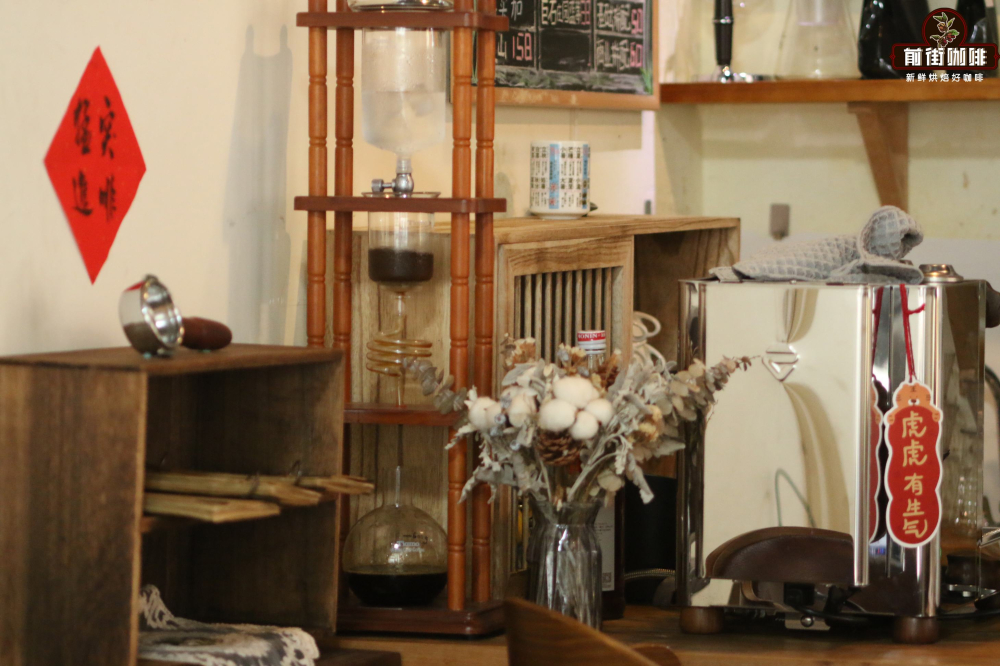
Traditionally, people are accustomed to brewing coffee with hot water, but cold water can also produce surprisingly impressive coffee. As early as the 1960s, Japan saw the rise of a type of ice drip brewer resembling a chemistry lab apparatus. By controlling the dripping speed of ice water, it allows the water to slowly penetrate through layers of coffee grounds, ultimately producing a richly flavored coffee without harsh bitterness. Since cold water lacks the thermal energy to drive molecular movement, the overall extraction speed is significantly reduced, often taking six to eight hours or even longer. Additionally, ice needs to be replenished periodically to ensure the water temperature remains consistently low. Due to the high cost of equipment and long brewing time, ice drip coffee was mostly found in specialty shops in the past. Nowadays, with the increasing availability of home equipment, more and more coffee enthusiasts are choosing to try it at home.
In contrast, cold brew coffee is much simpler and more approachable. All you need to do is place coffee grounds and cold water together in a sealed container and let it steep in the refrigerator for about twelve hours. Although it’s harder to completely filter out fine particles during the extraction process, which may result in a slightly rougher texture, the overall flavor is still balanced and full-bodied, without any noticeable sharp bitterness. For those who are busy but want to enjoy cold coffee, cold brew is undoubtedly a more affordable and easy-to-start option.
The biggest difference between cold drip and cold brew lies in the extraction method: cold drip involves ice water dripping drop by drop through coffee grounds, extracting slowly, whereas cold brew mixes coffee grounds with cold water and lets it steep, allowing flavors to naturally release. In terms of taste, cold drip coffee is usually clearer and brighter, with a refreshing acidity and delicate layers, while cold brew tends to be richer and fuller, with a smoother and more balanced mouthfeel. These differences mainly stem from varying extraction pressures, rates, and water temperature conditions.
Cold water and hot water extraction have a significant impact on coffee flavor. Because cold water molecules move more slowly, they are less likely to extract large molecular compounds from coffee that can lead to bitterness and astringency. Therefore, what is primarily released are acidic and sweet flavor profiles, such as fruity notes, floral aromas, and caramel sweetness, though the overall aroma is usually less vibrant than that of hot water extraction. In contrast, hot water can quickly activate various aromatic compounds in coffee and carry the aromas out through steam, so hot-brewed coffee often has a richer aroma profile and stronger flavor expression.
If you want to try low-temperature extraction at home, it’s recommended to choose coffee beans with distinct acidity and sweetness, and rich flavor layers. For example, Ethiopian Yirgacheffe natural beans often feature bright berry juice-like notes, fresh citrus acidity, soft fermented aromas, and a black tea-like finish. If you prefer lower acidity and a rounder mouthfeel, you might consider coffee beans from Costa Rica. These beans often exude rich raisin and sweet orange aromas, along with caramel-like sweetness and mild fermented undertones. It’s important to note that no matter which beans you choose, it’s best to use freshly roasted coffee beans to ensure optimal flavor performance. Generally, the best flavor window for coffee beans is within 4 to 35 days after roasting.
Here’s how to make cold drip coffee: It’s recommended to use a grind size similar to that for iced pour over, but due to the lower extraction efficiency in a cold environment, you can adjust the grind to be slightly finer to improve overall extraction. Taking the commonly used Chinese No. 20 sieve as an example, you can choose a fineness with an 85% passing rate. If using an ek-43s type grinder, this is roughly around a 9 setting. A general recommendation is to use a 1:10 coffee-to-water ratio, such as 60 grams of coffee grounds mixed with 600 grams of ice water. The ratio of ice to water is ideally 1:1. The dripping speed should be controlled at about 7 drops per 10 seconds, with the entire process taking approximately 6 to 8 hours. The coffee-to-water ratio can also be fine-tuned according to personal taste, typically ranging between 1:10 and 1:12. When starting, place circular filter paper at the bottom of the server, then evenly add the ground coffee, and cover it with another layer of filter paper to prevent the coffee bed from being disturbed by the dripping water. Before starting, pre-wet the coffee bed with cold water to help improve initial extraction uniformity. Place the coffee chamber on the drip stand and adjust the valve to control the flow rate, ensuring the water droplets and coffee outlet are aligned. After dripping is complete, pour the coffee liquid into a sealed container and it’s recommended to refrigerate it for at least 12 hours for a rounder flavor.
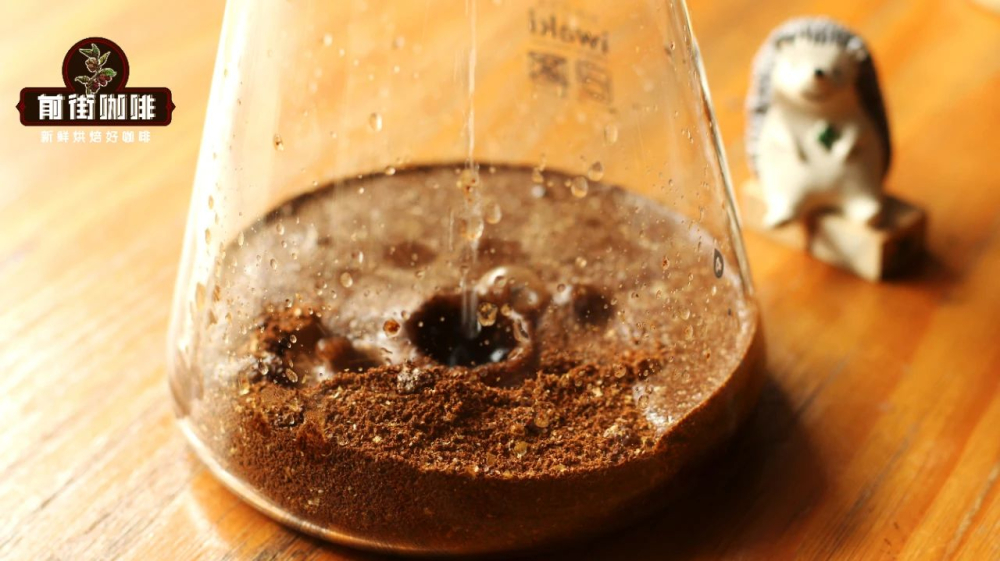
As for cold brew coffee, the preparation steps are even simpler. Similarly, it’s recommended to use a grind size similar to that for cold drip, with a 1:11 coffee-to-water ratio, such as 1 gram of coffee grounds to 11 grams of cold water. Place the coffee grounds and cold water together in a clean, sealed container, gently stir to ensure full contact between the coffee and water, then tightly seal the lid and refrigerate for 12 to 16 hours. Once the time is up, use filter paper, a filter cloth, or a filter screen to remove the coffee grounds, and it’s ready to enjoy. This method doesn’t require complex equipment and is very suitable for quick daily preparation.
Regarding the storage of cold-brewed coffee, since both cold brew and cold drip are fermentation-type processes, even refrigeration cannot completely halt flavor changes. Practical tests have shown that freshly made cold brew coffee tastes best within 1 to 4 days of refrigeration. After this period, the aroma gradually fades and off-flavors may appear. Therefore, it’s recommended to consume both cold drip and cold brew within 5 days of preparation to achieve the best taste and drinking safety. If you use warm water to accelerate extraction for cold brew, because the higher water temperature promotes the release of more flavor compounds and microbial activity is also more active, it’s advisable to consume it within 2 days to avoid the risk of stomach discomfort.
The above content is compiled by CoffeeHunters, a coffee news website.


