







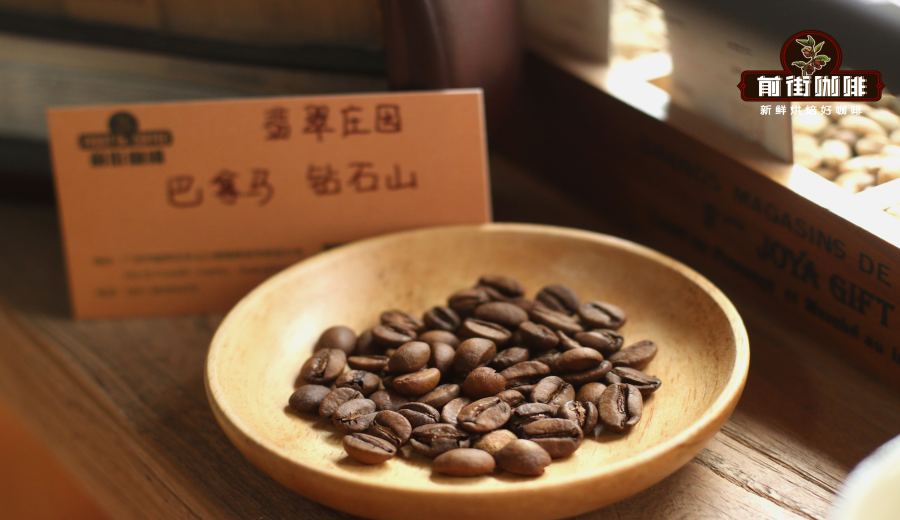
Introduction:Although Jade Mountain Estate is renowned for its Geisha, its non-Geisha series coffee — Diamond Mountain — also demonstrates outstanding quality. This article delves into this Catuai natural-processed bean from the highlands of Boquete, Panama, covering its origin environment, variety characteristics, processing method, roast profile, pour over parameters, and offering a detailed flavor wheel to help coffee enthusiasts fully understand this specialty coffee that combines citrus, honey, and cocoa aftertaste.
When it comes to Jade Mountain Estate, most people immediately think of its world-famous Geisha beans. However, before Geisha rose to prominence, the estate primarily cultivated traditional varieties such as Caturra. This renowned estate located in the Boquete region of Panama not only features Geisha series but also carefully grows several high-quality coffees, among which Diamond Mountain is a standout in its non-Geisha lineup.
The Boquete region is a major coffee-producing area in Panama, situated in the Chiriquí Province, near the border with Costa Rica and adjacent to the famous Barú Volcano. The elevation here mostly ranges between 1400 and 1900 meters. With fertile volcanic soil, mild and stable climate, and diverse microclimates, the area creates an ideal environment for growing specialty coffee. Cool air descends along the central mountain range, and the unique mountain fog and gusts result in significant diurnal temperature variation, which helps coffee cherries ripen slowly and accumulate richer flavor compounds.
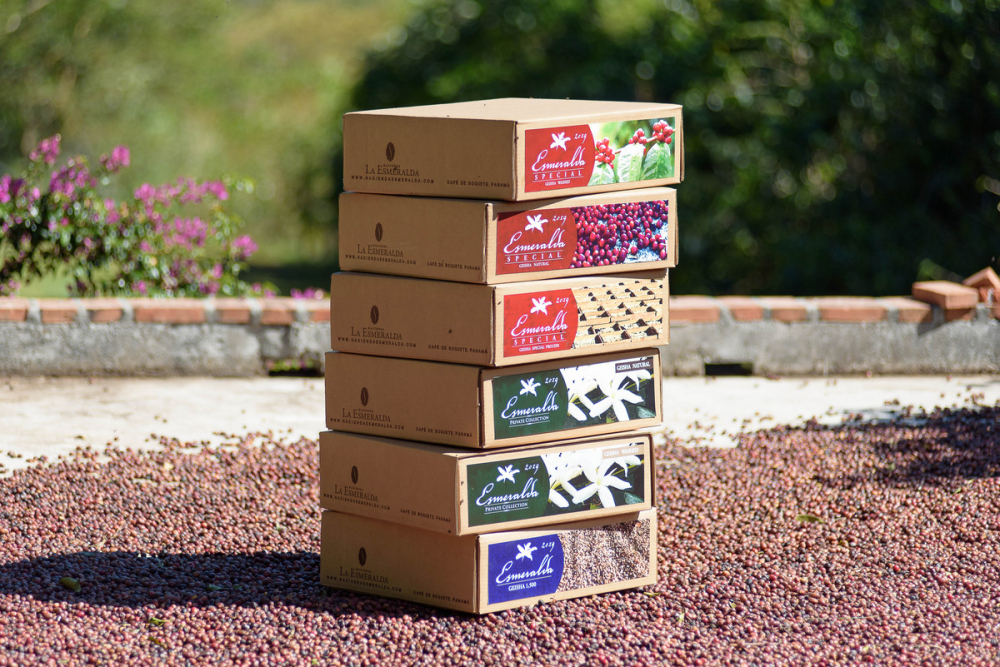
Jade Mountain Estate categorizes its coffees based on variety into Geisha and Catuai. The Geisha series is further divided into Red Label (Esmeralda Special), Green Label (Private Collection), and Blue Label (Geisha 1500). The Catuai series includes Diamond Mountain and Palmyra. This article focuses on the Catuai coffee beans from the Diamond Mountain area, processed using the natural (sun-dried) method.
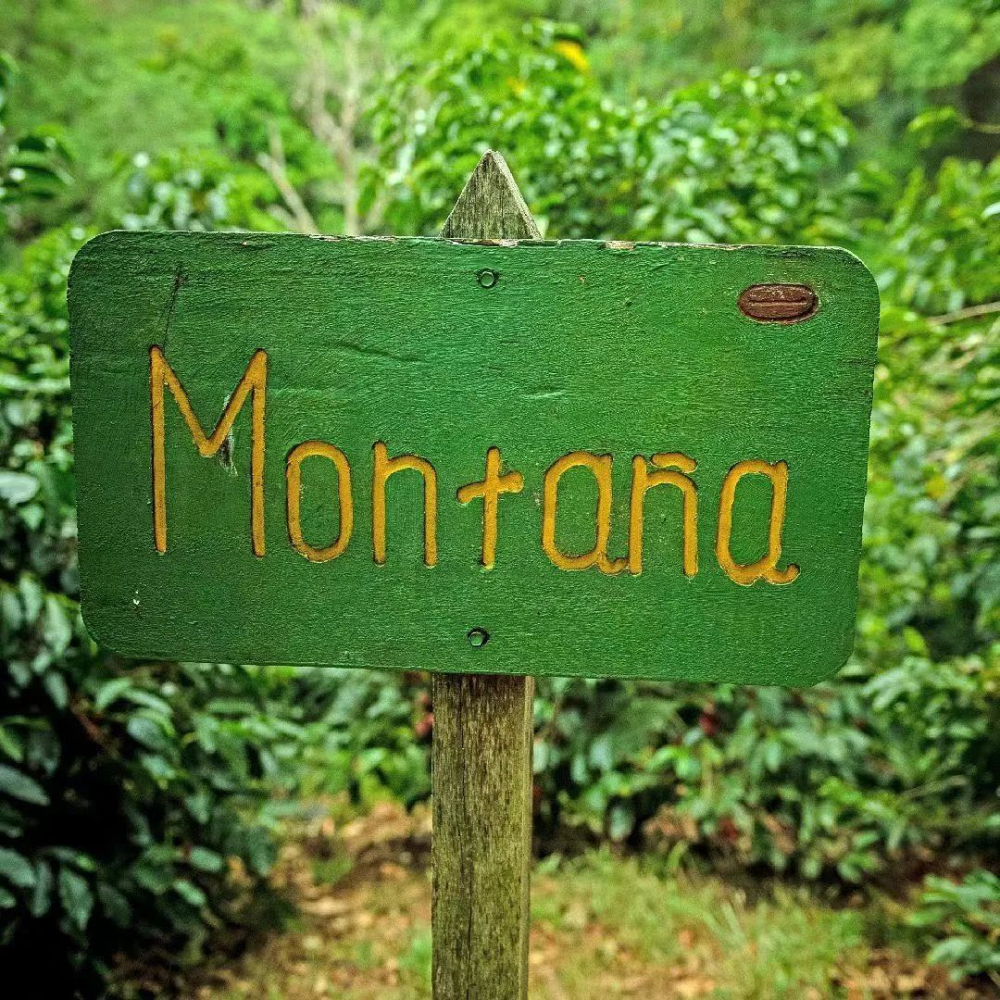
Diamond Mountain coffee is grown in the Canas Verdes and Jaramillo regions, at elevations of about 1400 to 1600 meters. It has been certified as Eco-friendly and meets the strict standards of the Rainforest Alliance. The high altitude and variable climate conditions in this area provide an ideal growing environment for the Catuai variety, enabling the coffee cherries to express their unique flavor potential.
The name Catuai is derived from the Guaraní phrase “multo mom,” meaning "very good." It is a hybrid of Yellow Caturra and the Mundo Novo variety, originally designated as H-2077, and was first successfully cultivated in 1949. In Panama, Catuai is favored by both smallholders and large estates for its high yield, good disease resistance, and clean, bright cup profile. Compared to Bourbon, Catuai plants are smaller, allowing for higher planting density — roughly double that of Bourbon — which results in greater yield within limited space.
This Diamond Mountain coffee is processed using the natural (sun-dried) method. Though not complex, every step of the process is meticulously managed. After harvest, the coffee cherries are first manually sorted on the estate to remove unripe or defective beans, then lightly rinsed with clean water, and evenly spread on drying beds for sun exposure. Depending on daily weather conditions, the coffee typically dries on the beds for 3 to 5 days, about 8 hours per day, until the moisture content gradually decreases. Subsequently, the cherries are moved into a Guardiola dryer for low-temperature rotary drying for approximately 72 hours to ensure even drying and inhibit over-fermentation. Finally, the fruit skin and pulp are mechanically removed, leaving behind the dried coffee seeds — the familiar green beans.
Regarding roasting, the recommended charge temperature for these Catuai natural beans is 165°C, with initial flame power set to 130 and the damper opened to 3. When the turning point is reached (around 1 minute 36 seconds, at 112°C), the damper can be adjusted to 4 while maintaining the same flame power. As the temperature rises, when it hits 153.2°C and the bean surface turns yellow, the grassy notes will noticeably fade, marking the start of the main drying phase. As the temperature approaches 150°C, it is recommended to slightly reduce the flame power to 110 to stabilize the roast curve.
Around 8 minutes and 38 seconds, the bean surface will begin to show obvious wrinkles and dark spots, and the coffee aroma will transition from bread-like to rich coffee fragrance, indicating that first crack is approaching. By 9 minutes and 48 seconds, first crack officially begins. At this point, adjust the damper to 4 and allow the coffee to develop for about 1 minute and 20 seconds, finally dropping the beans at 191°C to preserve maximum aroma and sweetness.
For brewing, to fully highlight the fruity notes and sweetness of this Diamond Mountain coffee, it is recommended to use a V60 #01 filter, with water temperature controlled at 90–91°C, a dose of 15 grams, a brew ratio of 1:15, and a grind size suggested as medium-fine (approximately 80% through a Chinese standard No. 20 sieve). Employ a three-stage extraction method: begin with a 30-second bloom using 30 grams of water, then pour in a slow circular motion until reaching 125 grams for the first pour; when the water level drops and is about to expose the coffee bed, pour again up to 225 grams, then stop and wait until the water level drops again and is about to reveal the coffee bed before removing the filter. The total brew time should be controlled around 2 minutes.
This coffee exhibits a bright citrus tone, gentle acidity, paired with honey-like sweetness and delicate almond aroma. A slight fermentation note adds complexity, while the finish delivers a smooth mouthfeel and enchanting cocoa aftertaste. It is highly recommended for coffee lovers who enjoy a balanced profile of fruitiness and sweetness.
The above content is compiled by CoffeeHunters, a coffee news website.


