







Introduction:Delve into how Arabica coffee beans became the soul of specialty coffee — from their fundamental differences with Robusta, to the origins and flavor profiles of classic varieties such as Typica, Bourbon, and Geisha. This article systematically analyzes the origins, suitable environments, and tasting performances of the major Arabica cultivars worldwide, complemented by real-world production region examples, helping you more precisely grasp each variety’s characteristics and find your ideal coffee experience.
Arabica coffee beans, with their distinctive flavor profile, have long become synonymous with specialty coffee. Compared to other coffee varieties, Arabica not only offers a richer flavor complexity but also contains a relatively lower caffeine content, ranging between 0.8% and 1.5%, making it widely used in high-quality coffee production. Currently, Arabica varieties account for 75% of global coffee production, far surpassing Robusta at 20% and Liberica at 2%. However, Arabica is extremely demanding in terms of growing conditions — it can only thrive at high altitudes, has some tolerance to low temperatures, but is very susceptible to frost and drought, as well as pests and diseases. For example, coffee leaf rust, which has severely damaged production regions in the past, has prompted subsequent breeding experts to focus on developing cultivars with stronger disease resistance.
Compared to Robusta, the advantages of Arabica coffee beans are not only reflected in flavor but also in its refined environmental requirements. Robusta varieties adapt well to a wide range of altitudes and can grow below 1000 meters. They offer good disease resistance and high yields, but their caffeine content is as high as 2.7% to 4% — more than double that of Arabica. The high caffeine not only gives Robusta stronger pest resistance but also results in a bolder flavor, often featuring pronounced notes of nuts, peanuts, grains, and even earthy or rubbery undertones. It is suitable for use in espresso blends to add body, but is less commonly enjoyed as a single origin.
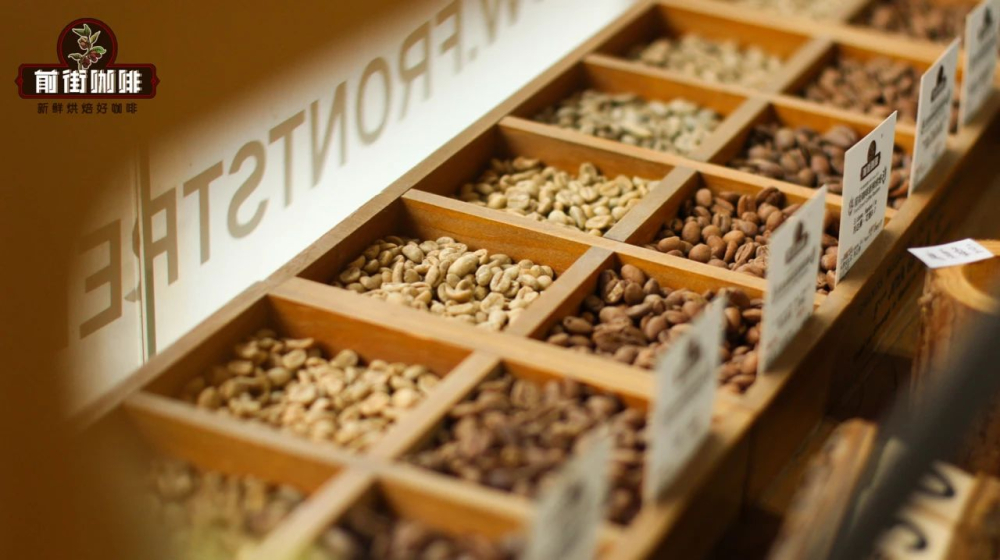
When discussing Arabica, one cannot overlook its many derived subspecies and hybrid varieties. These cultivars each have unique historical backgrounds and adaptive traits, resulting in subtle differences in flavor. First, let’s look at Ethiopia’s Heirloom native varieties — an umbrella term covering nearly 2000 documented and tens of thousands of yet-to-be-officially classified coffee varieties in the country. As the birthplace of coffee, Ethiopia boasts extremely high varietal diversity. To protect genetic resources, the government has not fully disclosed related information, so these native varieties are commonly referred to as Heirloom on the market. Among them, the most representative are the classic washed beans from Yirgacheffe, known for their bright citrus and floral notes.
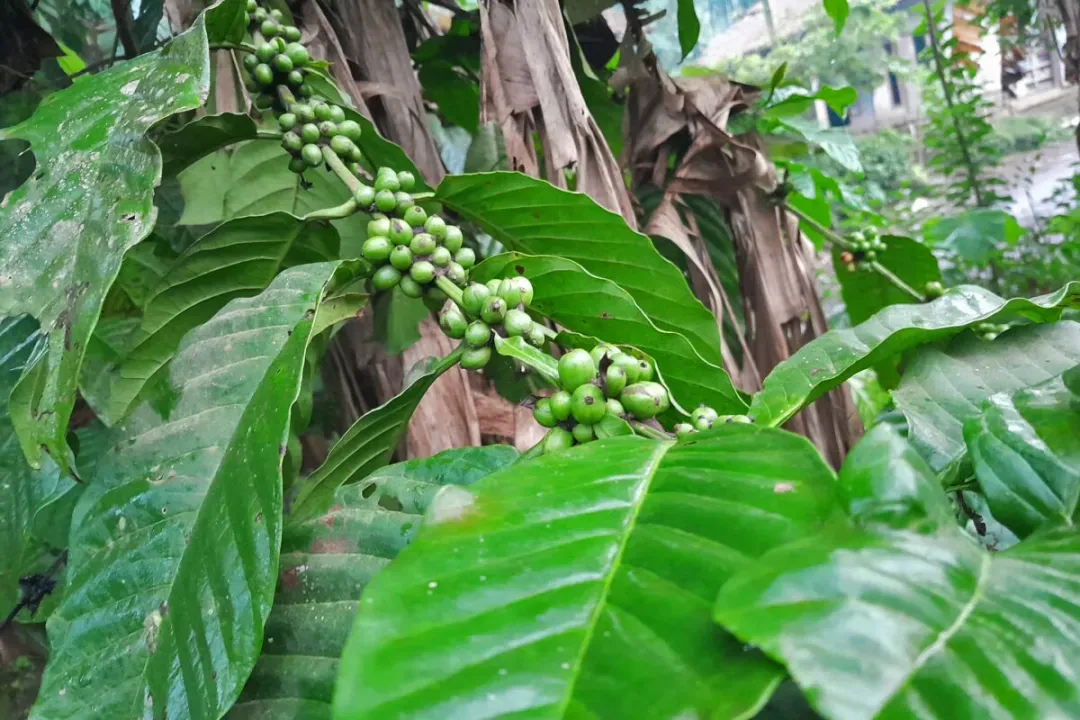
The Geisha (or Gesha) variety is a recent star in the specialty coffee scene. Although it was first discovered in the Gesha Forest of Ethiopia in 1931, it didn’t gain widespread acclaim until the 2000s in Panama. Geisha coffee is renowned for its unique citrus, rose tea, honey, and complex fruit aromas, performing especially well at high altitudes. A certain shop’s Panama Finca Esmeralda Red Label Geisha is considered a dream coffee by many enthusiasts.
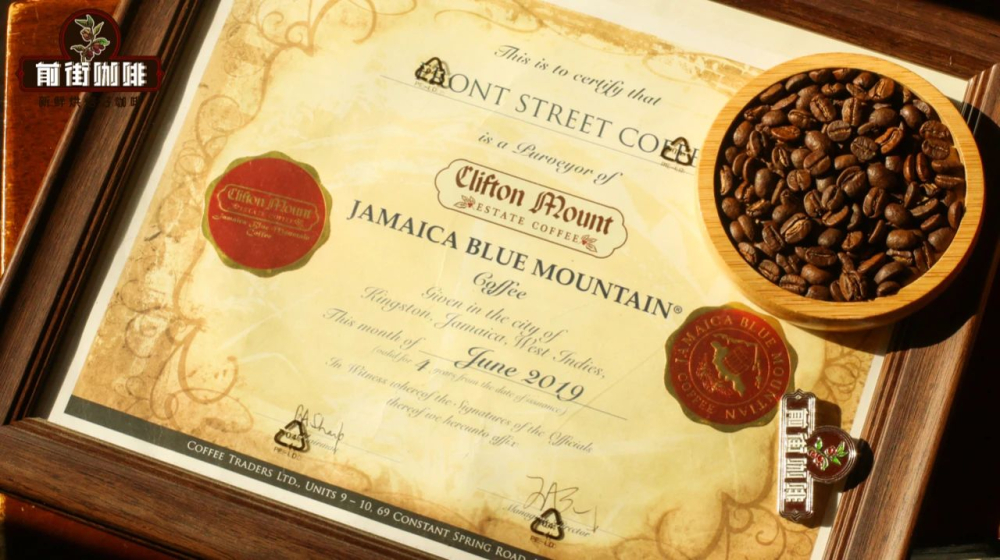
Typica is one of the oldest Arabica varieties, essentially the ancestor of nearly all modern Arabica cultivars. It delivers an elegant flavor but is weak in disease resistance, particularly susceptible to coffee leaf rust, and yields are relatively low. Nevertheless, Typica is still highly regarded for its classic flavor and is commonly found in renowned producing areas such as Indonesia’s Mandheling and Jamaica’s Blue Mountain. In particular, Blue Mountain coffee, based on the Typica variety and enhanced by high altitude and meticulous processing, exhibits sweet brown sugar notes, berry acidity, and creamy smooth layers.
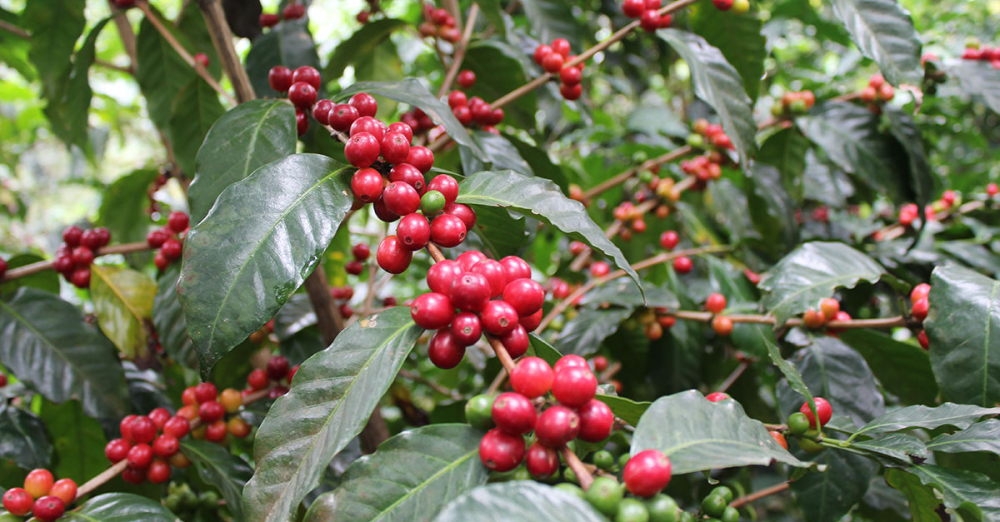
Bourbon is a mutation of Typica. Its green fruits turn bright red upon ripening, with broader leaves and slightly higher yields than Typica, though it also faces unstable yield issues. Bourbon coffee is distinguished by its notable red wine-like acidity and sweet aftertaste, and is widely planted in places like Brazil. The Yellow Bourbon from Fazenda Rainha is a classic representation, showcasing a complex profile of nuts, cream, and fermented fruit.
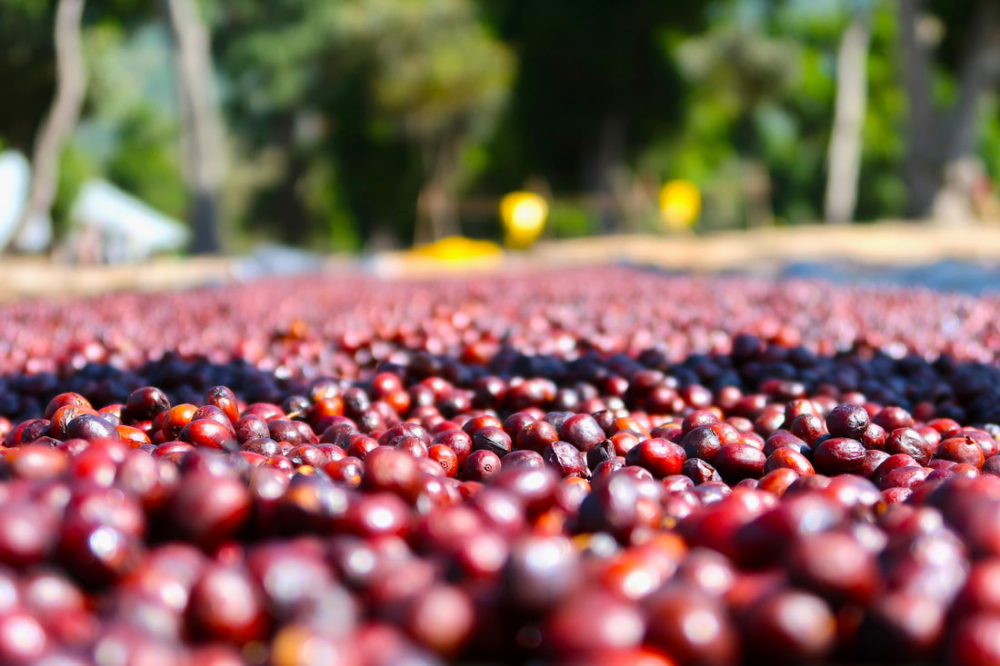
Caturra is a natural mutation of Bourbon, discovered in 1937 in Brazil. It is characterized by shorter tree height, easier harvesting, and better yield and disease resistance compared to Bourbon, though it also suffers from fluctuating yields in alternate years. Caturra adapts well and thrives in high-density planting, commonly found in high-altitude regions like Costa Rica. The Musician Series Bach coffee beans are based on this variety, exhibiting rich berry and fermented wine aromas.
Catuai is a hybrid of Caturra and the Robusta subspecies Mondiano, combining wind and rain resistance with stable fruit set, making it suitable for planting in high-risk disaster areas. Though its flavor is not as rich as Caturra, its stability and adaptability have made it one of the mainstream varieties in Latin America, often presenting notes of citrus, berries, and a hint of wine.
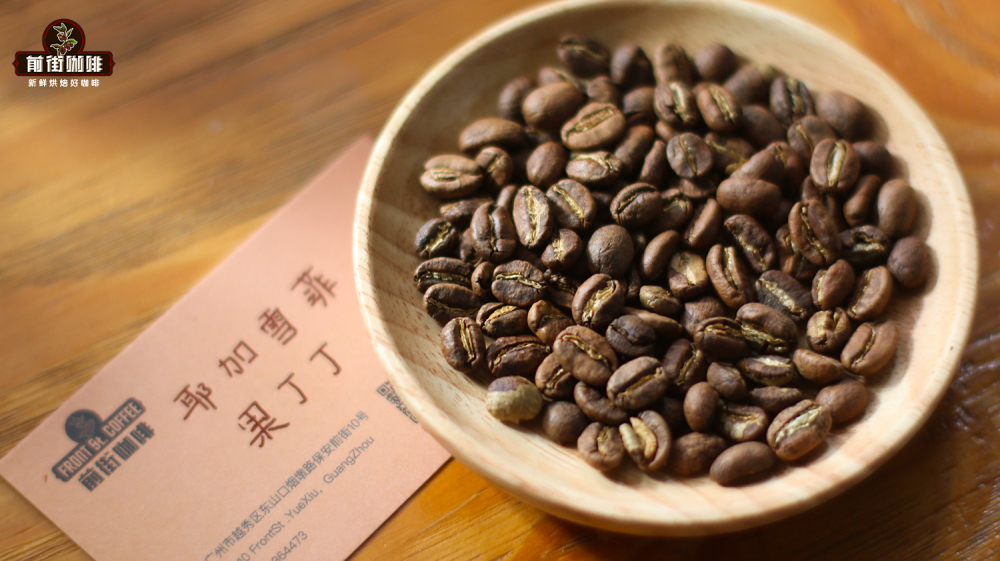
Pacas is a natural mutation of Bourbon, known for its short plant stature and high-yield traits, enabling dense planting and increased productivity per unit area. This variety was discovered in El Salvador in the 1950s and is now widely grown in Honduras and elsewhere. For instance, Sherry coffee combines Pacas and other varieties, utilizing whiskey barrel fermentation to deliver unique notes of vanilla, cream, and dark chocolate.
SL28 and SL34 are the pride of Kenyan coffee, selectively bred by the UK’s Scott Laboratories in the 1930s. Suited to medium-high altitudes, they exhibit excellent drought resistance. Although sensitive to disease, their flavor performance is outstanding, commonly featured in Kenya’s AA Sali coffee, showcasing a complex acid-sweet balance with notes of black plum, pear, brown sugar, and cherry tomatoes.

As for hybrid varieties, Catimor is the result of crossing the Robusta subspecies Timor with Caturra. Since 1959, it has been widely planted in Central and South America, known for its disease resistance and high yield, but with a shorter lifespan and relatively bland flavors. It is commonly found in Indonesia’s Golden Mandheling and Yunnan’s small-grain coffee, the latter noted for its nutty, chocolatey, and caramel notes.

Castillo is a variety developed by Colombia to enhance disease resistance, resulting from five generations of hybridization between the Robusta subspecies Timor and Caturra. This variety strikes a balance between tea-like and fruity notes. For example, Colombian Santa Helena Estate coffee showcases captivating flavors of rum, liqueur chocolate, and tropical fruit.
The above content is compiled by CoffeeHunters, a coffee news website.


