







Introduction:The processing method of coffee beans is one of the core factors influencing their flavor. From traditional natural (sun-dried) and washed processes, to specialty honey processes and Indonesia’s wet-hulling method, as well as the anaerobic fermentation that has gained popularity in recent competitions, each technique imparts distinct sweetness, acidity, and body to the coffee. This article uses well-known origins such as Yirgacheffe and Mandheling as examples to detail the steps and flavor characteristics of mainstream processing methods, helping you understand how processing shapes the diversity of coffee and avoiding common misconceptions.
The unique flavor of a cup of coffee comes not only from the altitude, climate, and variety of the origin, but the processing method is also a key behind-the-scenes factor. From classic natural and washed processes, to Costa Rica’s signature honey process and Indonesia’s distinctive wet-hulling method, to the anaerobic fermentation frequently seen in competitions, these techniques not only alter the flavor profile of coffee but also allow beans from the same origin to display vastly different personalities. This article will take you through real-life examples to deeply explore the craftsmanship and flavor directions of various processing methods.
The global coffee belt spans multiple climate zones, and during the journey from planting to cupping, the processing method plays a decisive role. Different origins adapt to local conditions and develop unique processing techniques. For example, Indonesia’s commonly used wet-hulling method is extremely rare in other regions, and this difference is directly reflected in the final expression of the coffee.
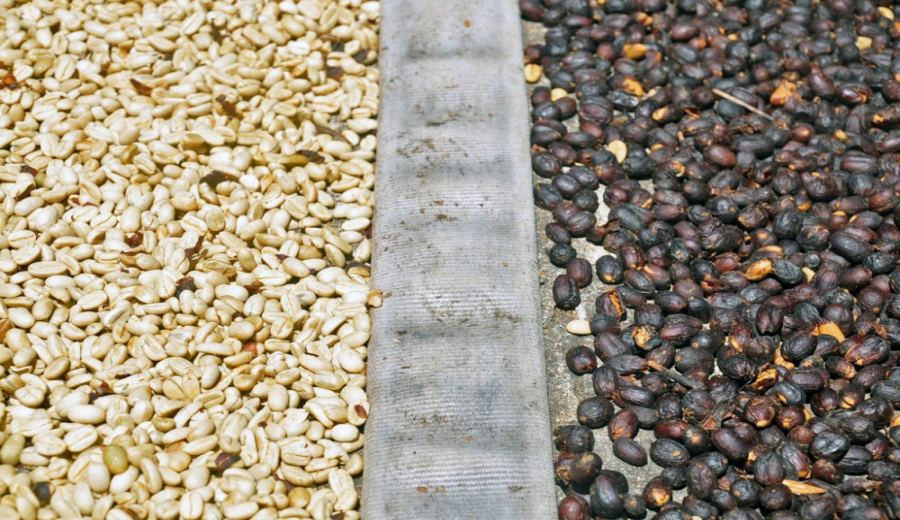
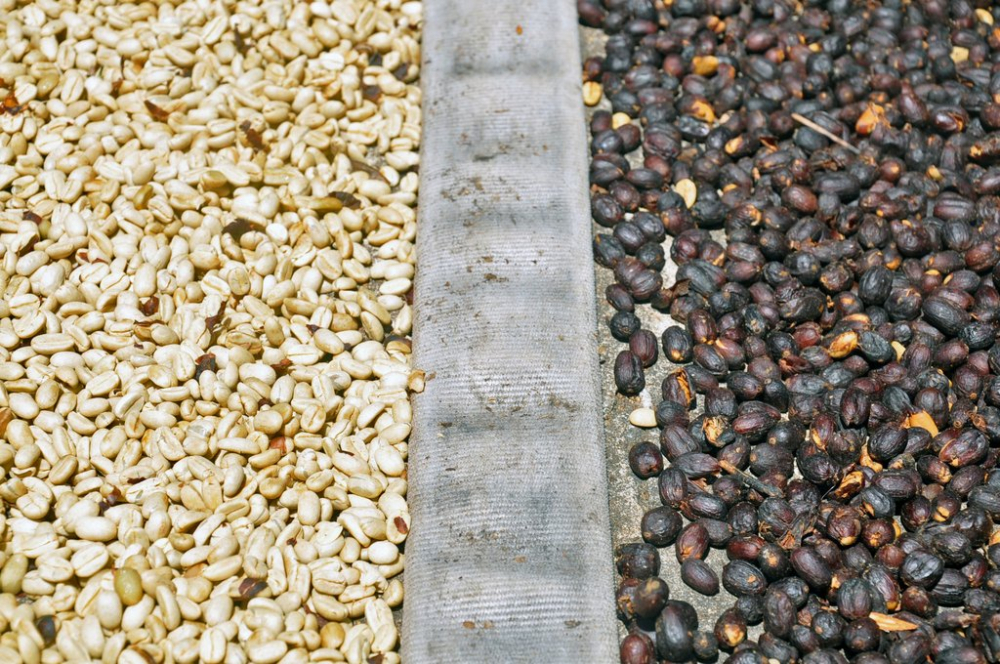
Why is the processing method so important? Because flavor is not only influenced by geographical conditions, but the choice of technique is equally crucial. For example, take two beans both from Yirgacheffe—one processed using the natural method and the other using the washed method. Under the same brewing conditions, the washed version typically presents a clean and refreshing taste with bright acidity, while the natural version, due to more thorough sugar fermentation, features prominent sweetness and intense floral aromas.
Washed and natural are two of the three foundational processing methods, and their techniques differ markedly. The washed method requires significant water usage: first, the coffee cherries are soaked in water tanks, where buoyancy is used to remove unripe fruits and impurities, then a pulper removes the fruit pulp. Next, the mucilage-covered beans are fermented in water for about 18 hours until the mucilage breaks down, after which they are thoroughly washed and finally sun-dried. In contrast, the natural method skips the washing steps—only defective cherries are removed before the whole coffee cherries are spread out to dry until the moisture content drops to around 11%, after which the outer pulp is removed for storage.

Many regions adjust these two foundational techniques. For instance, Brazil developed the semi-washed (pulped natural) method: after removing the skin and pulp, the beans are briefly soaked in water for about an hour. Due to the short duration, some mucilage remains on the bean surface, after which they are directly sun-dried. This method is suitable for environments with limited water resources, but if not controlled properly, it can easily lead to the beans absorbing off-flavors or developing mold.
The honey process is a classic technique from Costa Rica, characterized by retaining the coffee cherry’s mucilage layer without fermenting in clean water, and instead drying the beans with the mucilage still attached. The sugars gradually seep into the beans during drying, imparting rich sweetness and a full body. Notably, the Baché coffee bean from Costa Rica’s Musician Series uses an advanced version called the raisin honey process: the whole cherries are first dried with the mucilage intact, then the outer pulp is removed after drying, followed by a second drying stage with the mucilage still on. This process resembles the natural dehydration of raisins, hence the name.
Indonesia’s wet-hulling method is another unique technique, primarily designed to suit the region’s humid climate. Since direct sun-drying can easily lead to mold, farmers first remove the skin and pulp, allowing the beans to partially dry with a still relatively high moisture content. Then, a machine removes the parchment layer, and the beans continue drying to a target moisture level of 12–13%. Because the inner parchment is removed while the beans are semi-dry, improper handling can easily bruise the beans, resulting in the distinctive “elephant ear” appearance. This technique gives Mandheling its deep, full-bodied character, but if fermentation is not properly controlled, it may also produce unpleasant earthy or moldy notes.
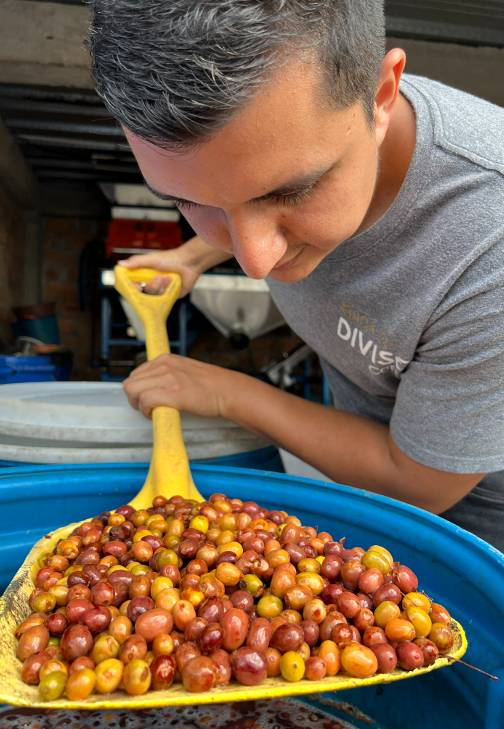
In recent years, anaerobic fermentation technology has rapidly risen in the specialty coffee scene. Take Colombia’s Rose Valley coffee as an example, which uses low-temperature anaerobic fermentation: selected coffee cherries are placed in sealed containers and fermented for over three days under controlled temperatures of 10–15°C. This process slows down the breakdown of mucilage by limiting oxygen exposure and regulating temperature, thereby producing more complex flavor layers. After fermentation, the usual sun-drying and hulling processes follow.
The reason anaerobic fermentation is so highly regarded lies in its precise controllability and flavor potential. Compared to traditional methods, it allows for more stable regulation of fermentation time, pH levels, and microbial activity, thereby reducing the risk of failure. In the 2018 World Barista Championship, five out of the top six contestants used this technique, underscoring its influence. However, the technology is still in a developmental stage and requires further research and practice.
In summary, from foundational washed and natural processes to innovative anaerobic fermentation, each method brings unique flavor characteristics to coffee. Understanding these processing differences not only helps you choose beans that suit your personal taste but also allows you to more deeply appreciate the diverse charm of coffee. Remember, the processing method, along with the origin and roast level, forms the three key elements of a coffee’s flavor—something every coffee enthusiast should savor thoughtfully.
The above content is compiled by CoffeeHunters, a coffee news website.


