








Introduction:Want to dive deeper into the various variations of the washed processing method? This article takes you through an analysis of the origins, processing steps, and flavor characteristics of three mainstream techniques: traditional washed, double washed, and semi-washed. It explores how they influence a coffee’s clarity, acidity, and complexity, and includes real-world examples like Kenyan flavor profiles to help you choose the right beans based on your taste preferences.
The washed processing method is not a one-size-fits-all approach. From its early origins in Jamaica to Kenya’s unique double fermentation, to the water-saving semi-washed method, each branch has its own special background and cupping characteristics. If you’ve ever wondered why some washed beans taste exceptionally clean and bright while others have rich fermented aromas, understanding these three washed processes will unravel the mystery.
Let’s start with the most classic traditional washed method. This processing technique originated in 19th-century Jamaica, where the island’s climate with limited sunlight made the traditional sun-drying method prone to mold and spoilage of coffee cherries. To overcome this challenge, producers developed a mechanical process to remove the fruit skin and mucilage, significantly shortening the drying time of the beans and creating the washed bean’s famous “clean and transparent” quality.
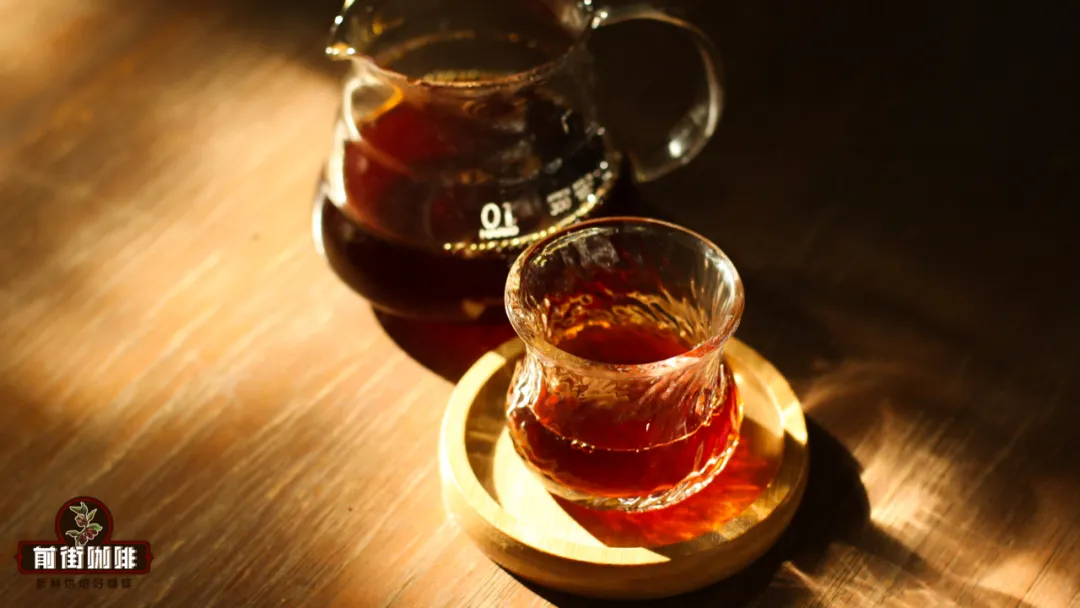
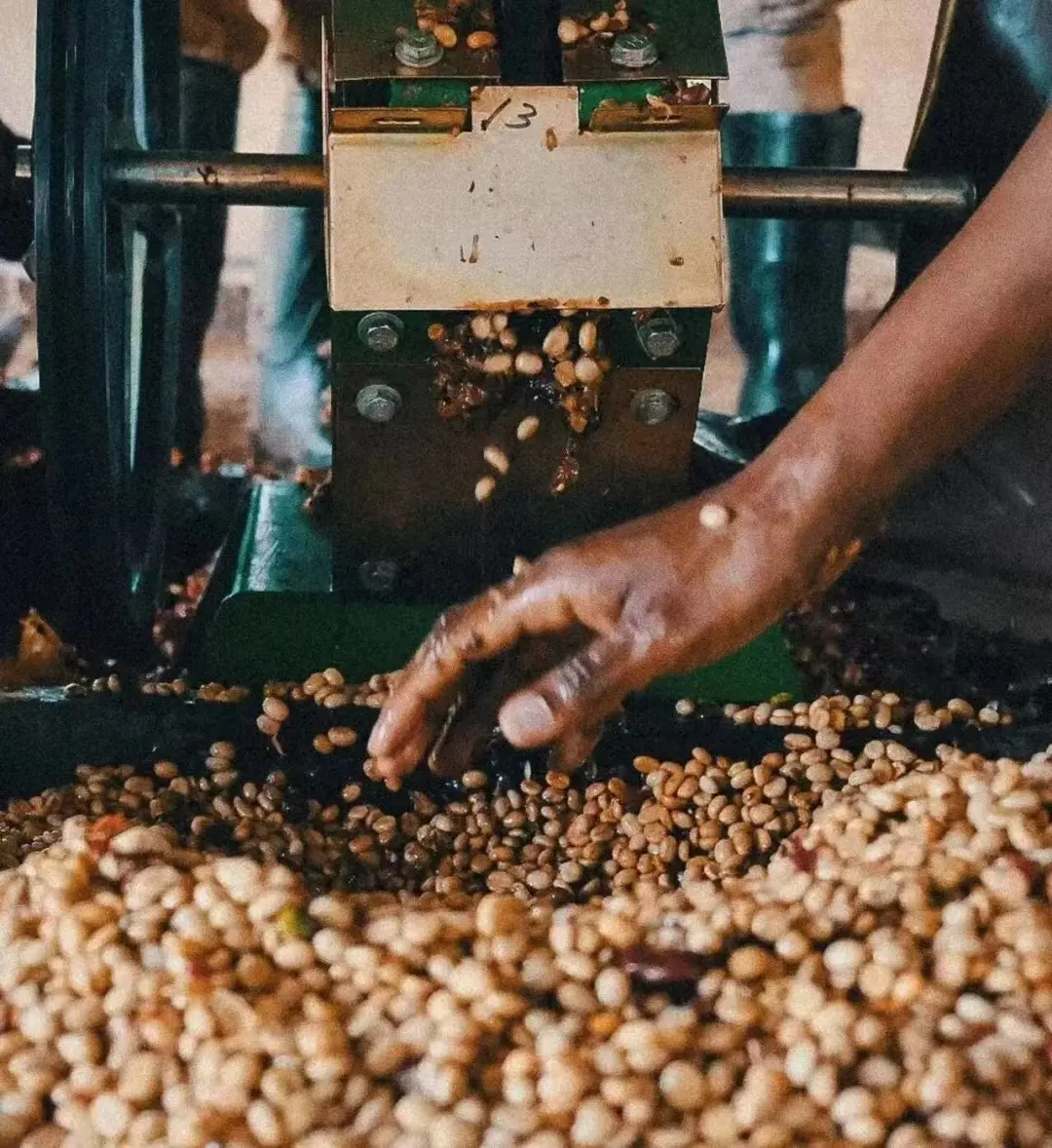
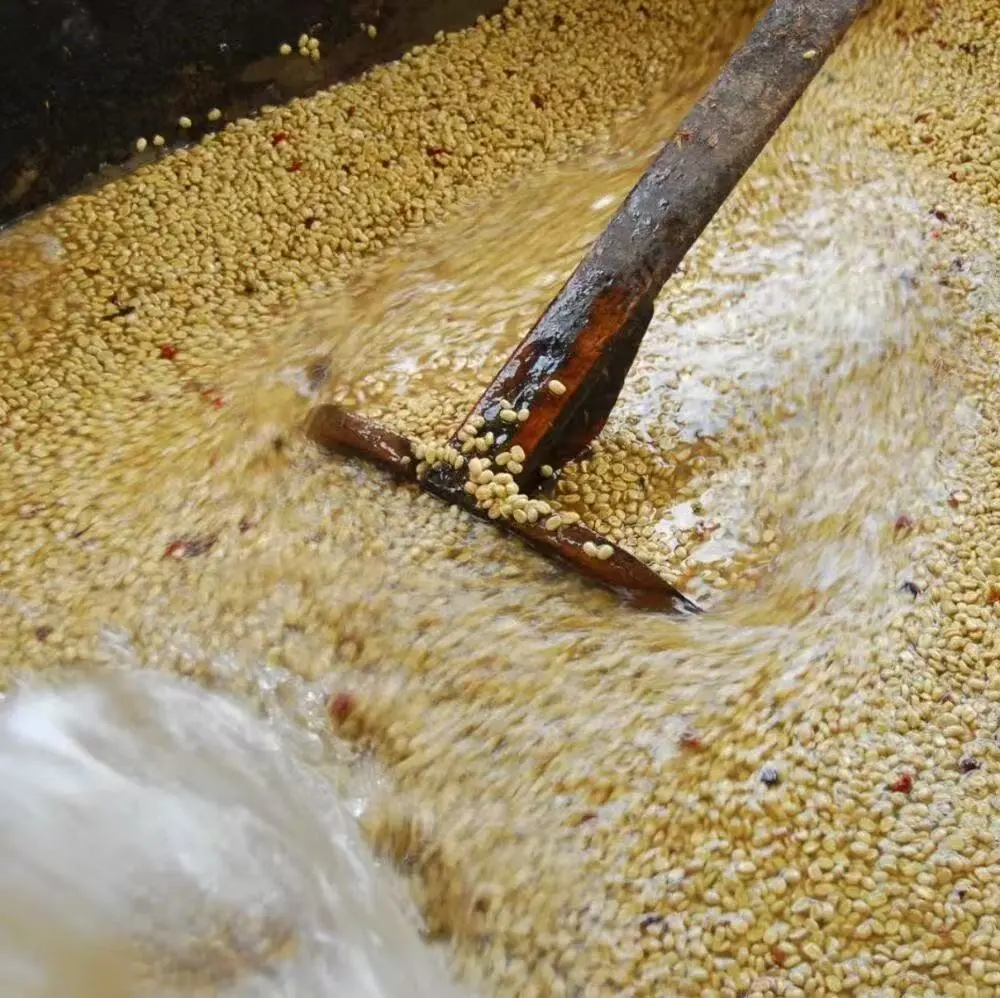
The key to the washed method lies in the early removal of the outer layers of the coffee cherry — the skin, pulp, and sticky mucilage — leaving only the inner seed for subsequent processing. This not only reduces the overall moisture content but also effectively inhibits the growth of undesirable microorganisms. To achieve this, two important conditions are required: efficient depulping equipment and a stable supply of large amounts of clean water. The overall process generally includes flotation sorting → mechanical depulping → mucilage washing → clean water rinsing → surface drying → hulling and storage, with a typical drying period of about a week, much shorter than the sun-drying method.
The advantage of this technique is that it highlights the coffee’s inherent unique flavors, with bright and layered acidity. For example, commonly seen medium-to-light roasted Yirgacheffe washed beans often exhibit notes of lemon, green tea, and delicate floral aromas, offering a refreshing yet complex mouthfeel — a popular choice for many pour over enthusiasts.
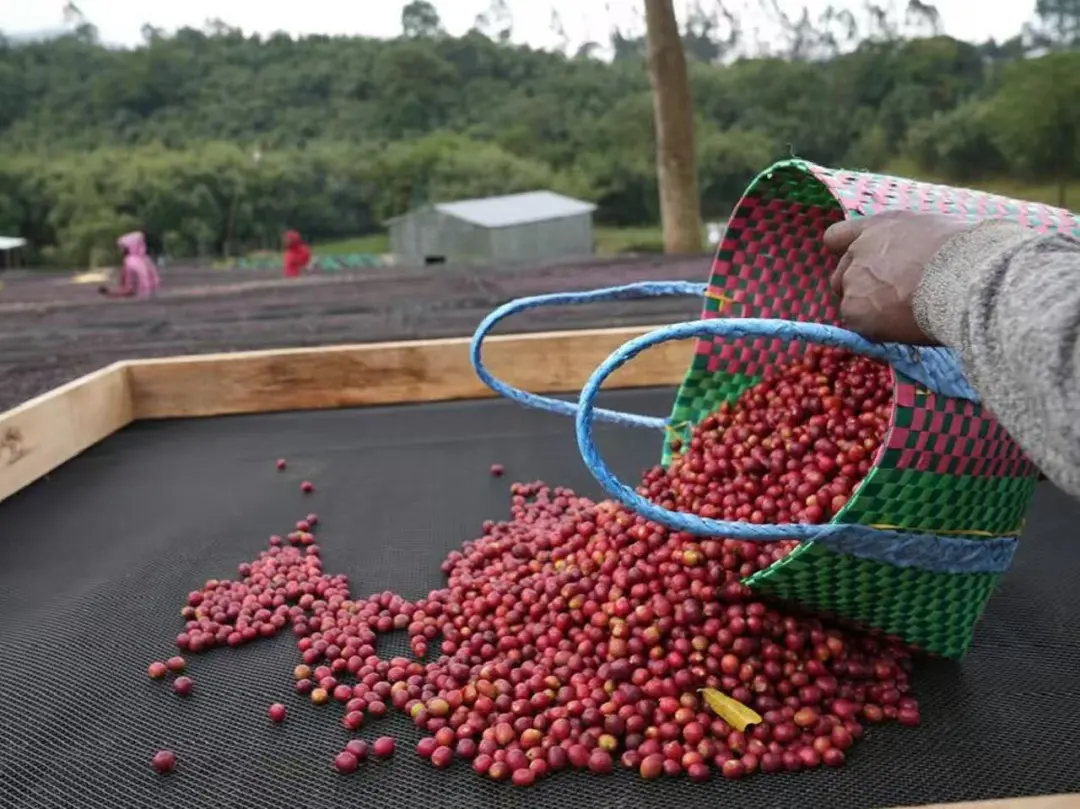
Next, let’s discuss Kenya’s proud double washed process, also often referred to as the Kenyan washed method or K72 process. As the name suggests, this method adds an extra step of mucilage soaking and washing on top of the standard washed process, thereby extending the overall processing time. Some batches even undergo up to seventy-two hours of fermentation and soaking, hence the name K72.
In Kenya’s earlier years, due to limited space in processing facilities, many beans that had their mucilage removed could not be dried immediately. To avoid pile-ups and mold, producers resorted to re-soaking the beans in water, and unexpectedly found that this secondary treatment not only improved stability but also enhanced the depth and complexity of the flavors. Even though space is no longer a constraint today, this step has been retained and has become a key factor in shaping Kenya’s signature flavor profile.
The K72 process steps are: flotation → depulping → initial washing and mucilage removal → re-soaking → secondary washing → surface drying → hulling. After multiple washes and fermentations, these coffees typically present bright acidity, intense fruit tones, and a long-lasting sweetness with tea-like undertones. When tasted, one often experiences unique acidic notes reminiscent of small tomatoes or dark plums, accompanied by caramel sweetness and an oolong tea-like finish, resulting in a richly layered and tightly structured cup.
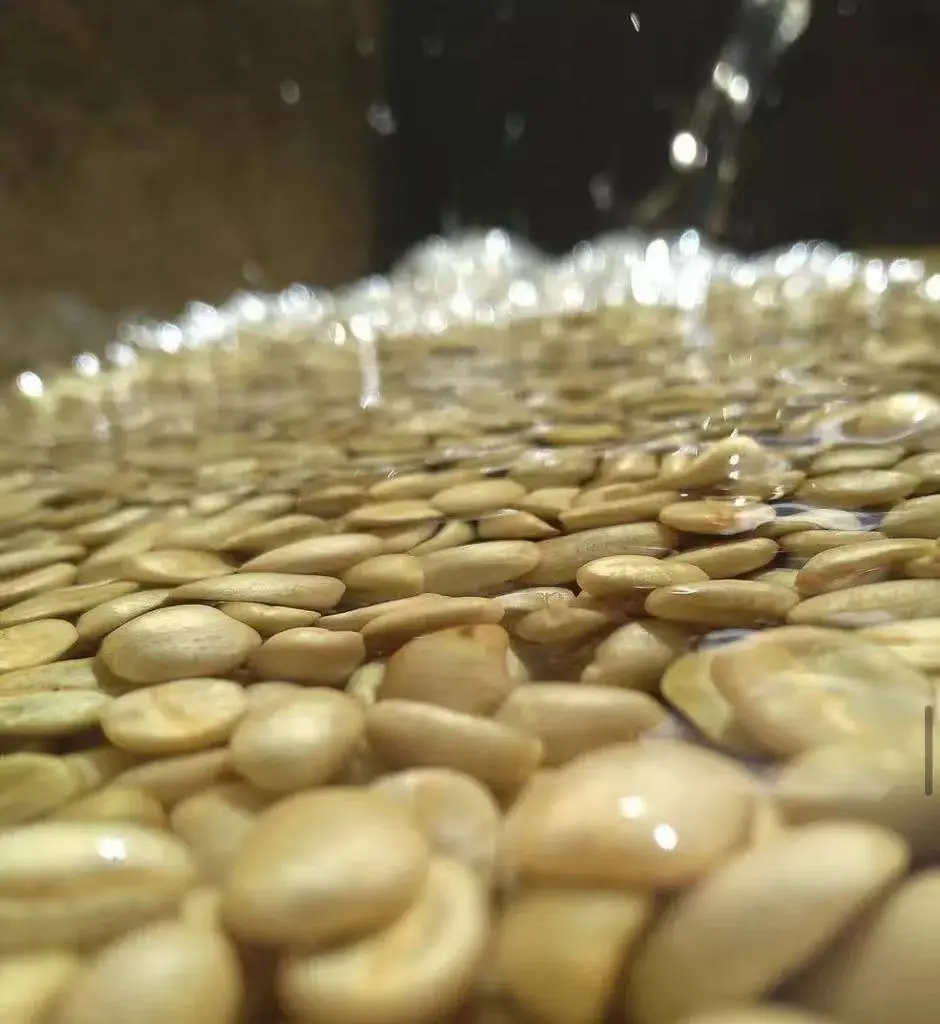
Finally, let’s introduce the semi-washed method, also known as a close relative of honey processing. Although the name doesn’t include the word “water,” water is still used, just significantly less than in traditional washed processing. This technique is mainly popular in water-scarce regions, where producers use microbes in fermentation tanks to break down the stickiness of the mucilage layer, reducing reliance on large amounts of clean water.
The processing flow generally involves: after removing the skin and pulp, placing the mucilage-covered beans into a fermentation tank for brief fermentation. Natural microbial action softens the mucilage, which is then rinsed off with a small amount of clean water, followed by conventional surface drying, hulling, and storage. The biggest difference between this method and honey processing is that the semi-washed method removes the mucilage before drying, so the fermentation flavors are less intense, yet it still retains a certain level of cleanliness and delicate sweetness. The flavor profile often falls somewhere between traditional washed and honey processed coffees.
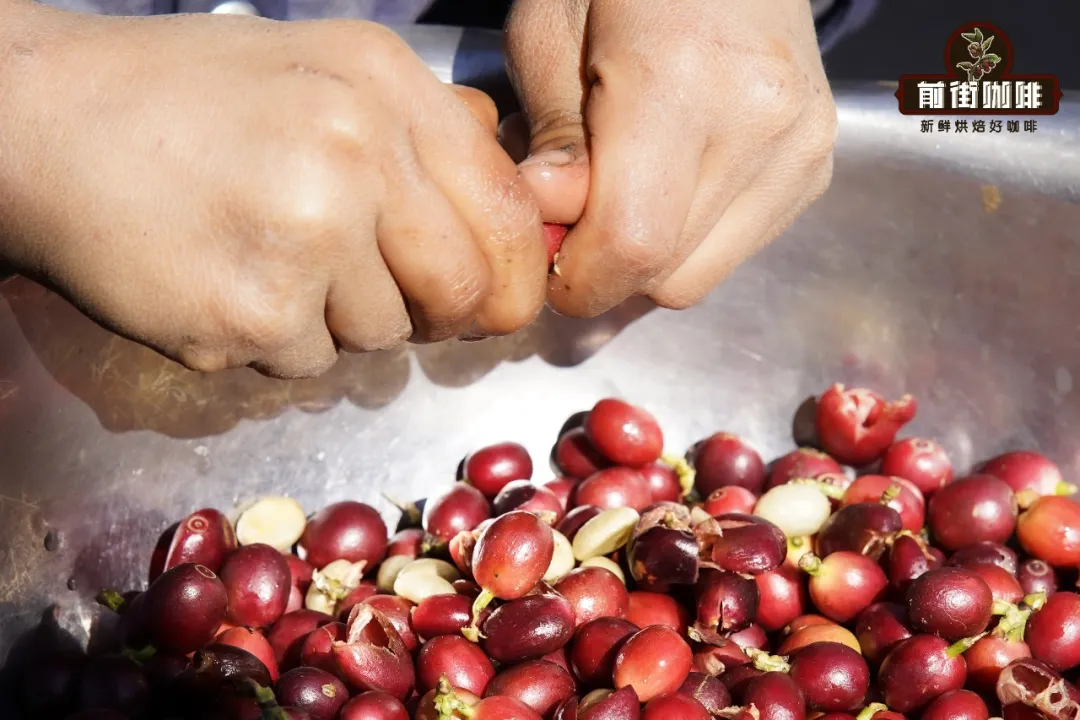
In summary, the traditional washed method excels in clean and refreshing qualities, making it ideal for those seeking bright and pure acidity; Kenya’s double washed method, through multiple soakings and fermentations, brings out rich and complex fruit and sweet aromas; while the semi-washed method, with its water-saving focus, offers a flavor that lies between washed and honey processed, suitable for production needs in areas with limited water resources. Understanding the differences among these three methods will allow you to more accurately select the coffee beans that best suit your personal taste.
The above content is compiled by CoffeeHunters, a coffee news website.


