








Introduction:Did you know? Natural, honey, and pulped natural processing methods are not just ways to process coffee beans — they are also key factors in shaping unique flavors. These three common processing methods may seem similar at first glance, but they differ significantly in steps, time, drying conditions, and final flavor profiles. This article delves into their processing workflows, required environments, drying times, and the causes behind their flavors, using practical examples to illustrate the flavor characteristics brought by each method. This will help you choose your favorite coffee beans more precisely.
The processing method of coffee beans is one of the important factors influencing the final brewed flavor. Among them, natural (sun-dried), honey (also known as pulp natural), and pulped natural are three extremely common yet easily confused processing techniques. These three methods not only have clear differences in processing procedures, but also vary in drying time, environmental requirements, and the flavor characteristics they present. This article will compare the features of these three processing methods from the perspectives of processing steps, environmental conditions, drying cycles, and flavor formation, helping you gain a more comprehensive understanding of their differences.

Natural Processing: The Most Traditional and Weather-Dependent Method
Before the 19th century, natural processing was virtually the only method for preparing coffee. Even today, many producing regions still prioritize natural processing due to equipment or environmental limitations. The reason it has endured isn't necessarily because it produces the most outstanding flavors, but because it has low operational barriers, and requires relatively minimal tools and costs. Compared to washed processing, which needs large amounts of clean water, depulping equipment, and dedicated drying spaces, natural processing only requires an open area that receives ample sunlight, along with basic drying beds, to carry out the process.
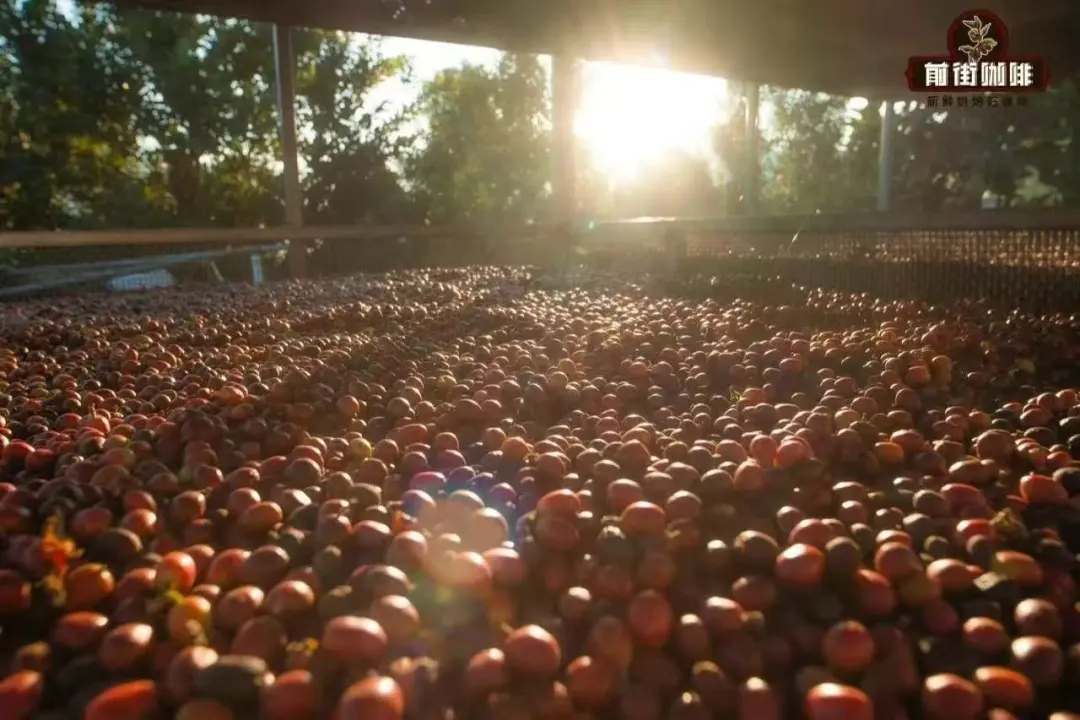
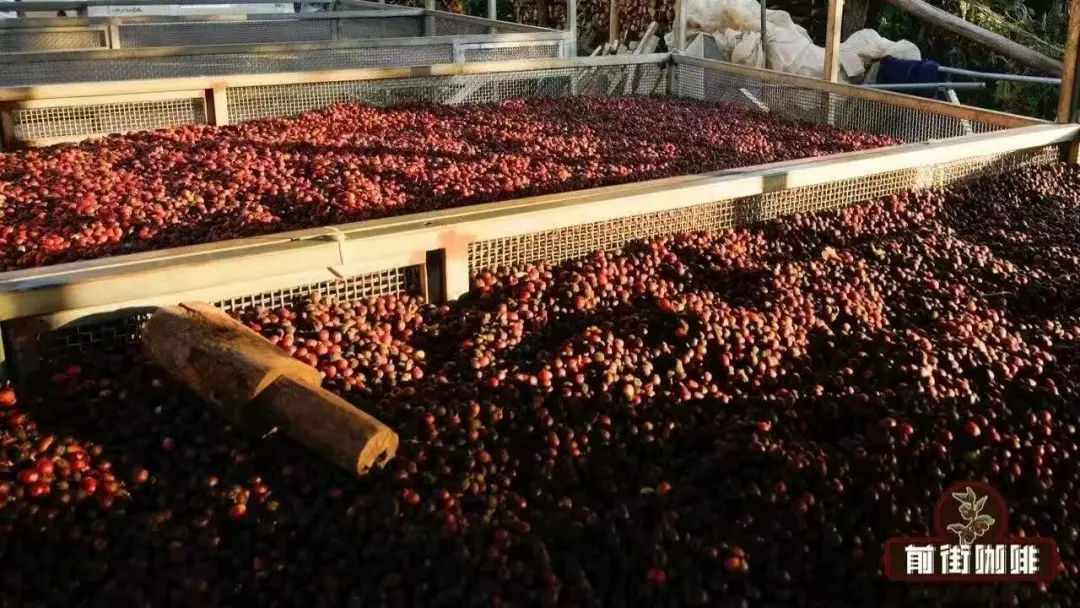
During processing, freshly harvested coffee cherries are spread directly on drying beds and left to naturally dry for several weeks until their moisture content drops to the standard range, after which the beans are hulled. Throughout this period, the cherries need to be regularly turned to ensure even drying and to prevent mold or over-fermentation. Since the entire fruit is dried, the sugars and organic substances in the pulp and mucilage gradually seep into the bean, creating complex aromas and sweetness through a long fermentation process.
However, precisely because of the long drying time — usually 2 to 4 weeks — natural processing places higher demands on climatic conditions, especially stable and abundant sunshine. If there is insufficient sunlight, drying efficiency suffers, which can lead to inconsistent quality. Classic examples of natural processed beans include certain Ethiopian Huila varieties, natural Yirgacheffe Red Cherry, and Granja La Esperanza Geisha. These beans often exhibit intense fruit aromas such as strawberry, citrus, apricot, berries, and even complex layers reminiscent of oolong tea or floral notes, making them a top choice for many pour over enthusiasts.
Pulped Natural / Honey (Fruit Pulp Natural): Smart Processing That Saves Time While Maintaining Cleanliness
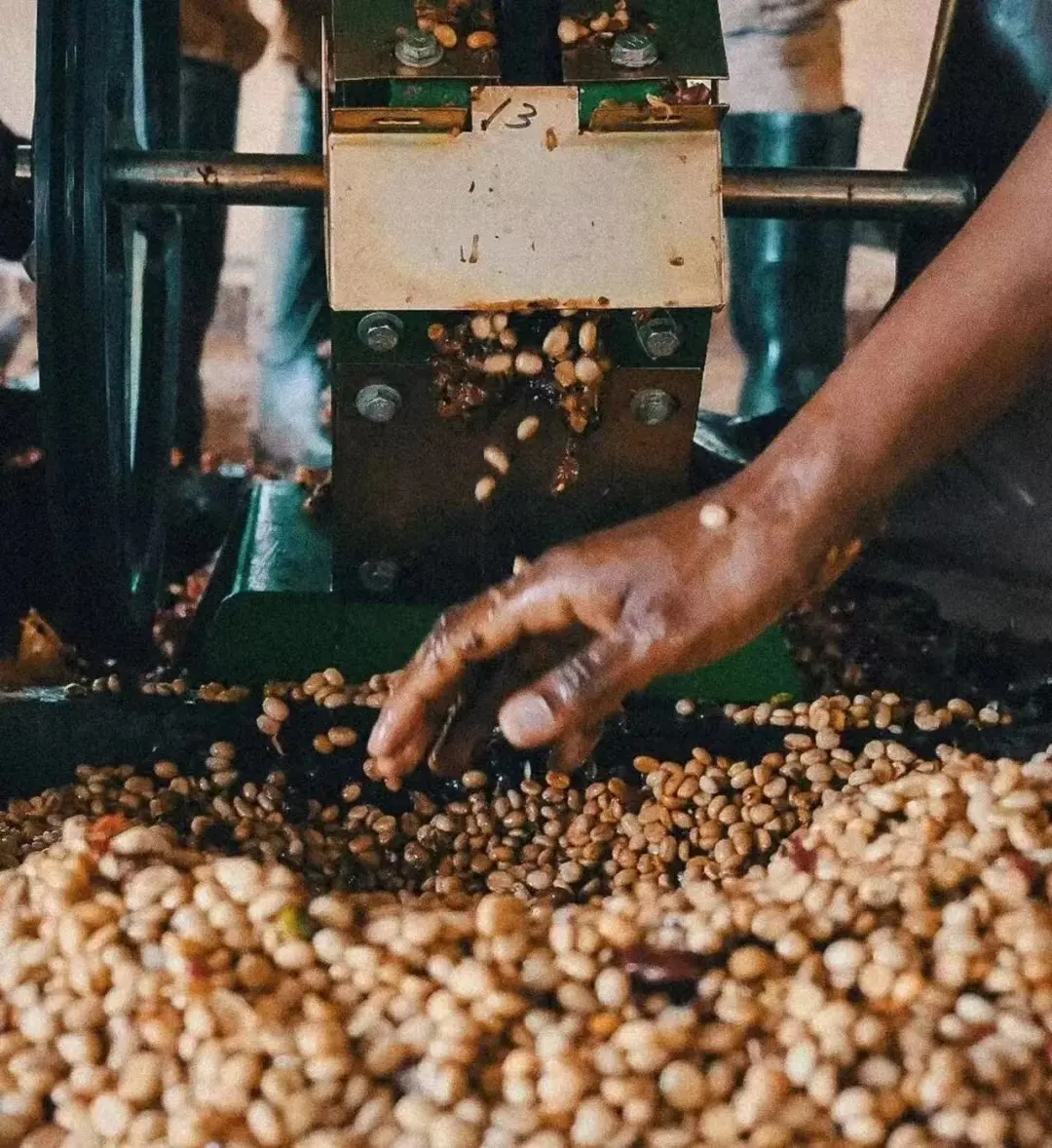
Pulped natural (also called fruit pulp natural) originated from coffee research institutions in Brazil. It was developed as a processing method suited to the local climate and is also considered a precursor to the later honey process. In this method, the skin and pulp of the coffee cherry are removed before drying, leaving only the sticky mucilage layer. The beans, still coated with mucilage, are then directly exposed to the sun for 1 to 3 days before being machine-dried and subsequently aged.
Compared to traditional natural processing, pulped natural significantly shortens the overall processing time. At the same time, by removing the pulp — which is prone to spoilage — it effectively reduces the risks of over-fermentation or deterioration, resulting in a cleaner coffee taste with lower astringency. This method is particularly suitable for regions with unstable rainfall or higher temperatures, as it retains some sweetness and fruitiness while controlling risks.
For example, certain Brazilian Cerrado beans from a specific origin use the pulped natural process. When roasted to a medium-dark level, these beans display distinct notes of chocolate, nuts, caramel, and cream, offering a rich yet clear mouthfeel with a sweet aftertaste. They are ideal for those who prefer balanced flavors. This processing method retains a certain level of flavor complexity while also ensuring processing efficiency and stability.
Honey Processing: The Balanced Choice with Both Cleanliness and Flavor Layers
Although often listed as a standalone processing type, honey processing can also be seen as an extended variation of natural processing and shares deep ties with Brazil’s pulped natural method. The key to honey processing lies in fully retaining the mucilage layer of the coffee fruit, without washing it off, and instead directly drying it under the sun. Depending on the amount of mucilage retained, it is further divided into different grades such as yellow honey, red honey, and black honey, affecting the intensity of the final flavor and the level of sweetness.
In the processing workflow, honey processing first uses floatation to remove defective beans, then mechanically removes the skin and pulp, while deliberately keeping the mucilage layer. The mucilage-covered beans are then sent directly to the drying field for prolonged sun drying until the moisture content meets the standard. Since mucilage is rich in sugars, it triggers special fermentation reactions during drying, imparting the coffee with rich sweetness, fruity aromas, and a full-bodied mouthfeel. At the same time, because the pulp is removed, the overall flavor profile is usually clearer.
An example from a specific origin is the Costa Rican Blackberry, a representative of black honey processing. Its flavor profile bursts with notes of grape, berries, and light wine, featuring clear layers while maintaining high cleanliness and sweetness. It represents a premium expression of honey processing. Honey processing not only achieves a clean and crisp mouthfeel but also showcases the richness of tropical fruits and molasses characteristics, making it highly favored by coffee drinkers who love fruity and sweet profiles.
In summary, natural, pulped natural, and honey processing each have their own unique aspects in terms of processing steps, environmental needs, time cost, and flavor characteristics. Natural processing is the most traditional and weather-dependent, capable of producing extremely complex fruit tones; pulped natural effectively shortens the time while balancing stability and clean taste; honey processing skillfully combines the advantages of both, delivering high sweetness and a clear flavor profile. Whether you're a pour over beginner or an advanced enthusiast, understanding these processing methods will help you make choices that better match your personal taste when selecting coffee beans.
The above content is compiled by CoffeeHunters, a coffee news website.


