







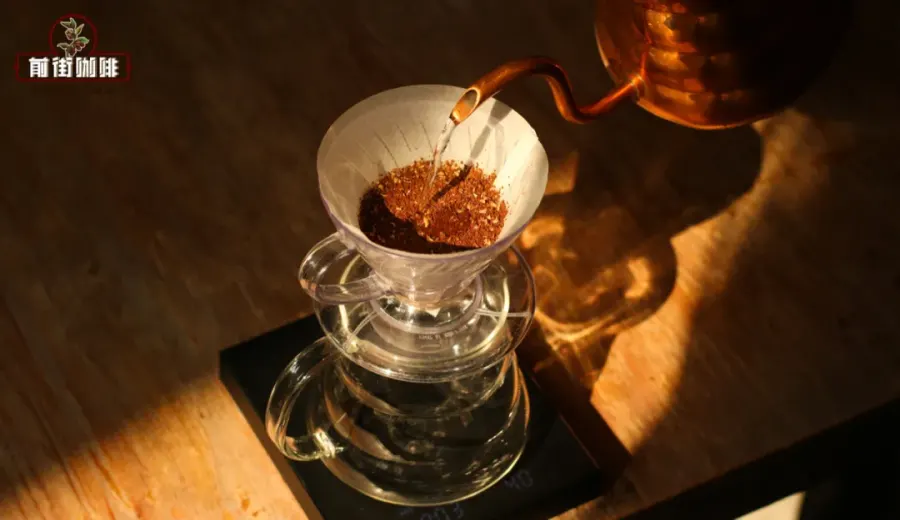
Introduction:The water control valve on the clever dripper is not just a small accessory to prevent dripping—it can actually precisely regulate the flow rate of water, helping beginners achieve even blooming. This article explains how to use the valve to hold hot water, improve uneven wetting, and shares a practical three-stage extraction process as an example. With specific parameters for 15 grams of coffee grounds and 92°C water temperature, we test whether 30 seconds of blooming leads to over-extraction, guiding you to master more stable pour over techniques.
The water control valve on the clever dripper is a powerful tool often overlooked by many pour over beginners. By simply learning to flexibly adjust the opening and closing levels, you can not only regulate the extraction rhythm but also solve the common issue of uneven blooming. This allows even newcomers to easily brew coffee with clear and distinct flavors.
The core of blooming is to release carbon dioxide from the coffee grounds, paving the way for subsequent extraction. The traditional method usually involves gently wetting the grounds with just twice the amount of hot water (about 30ml), but beginners often struggle with unstable water flow, causing the bottom layer of coffee grounds to fail to uniformly contact the water, greatly reducing the effectiveness of blooming. This is especially true when using conical drippers, where a thicker bed of grounds is more prone to insufficient blooming at the bottom.
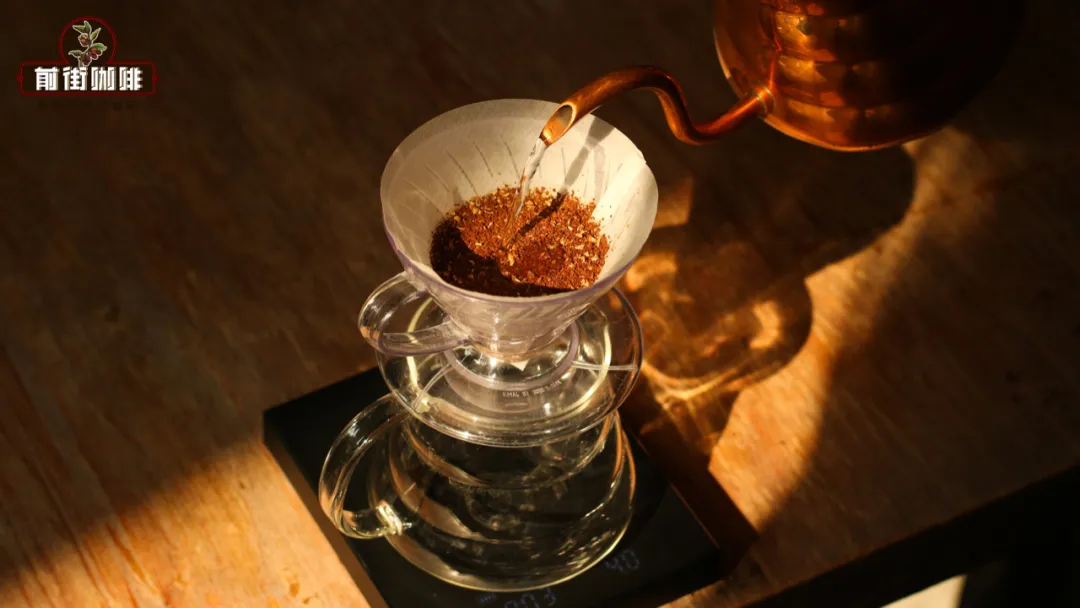
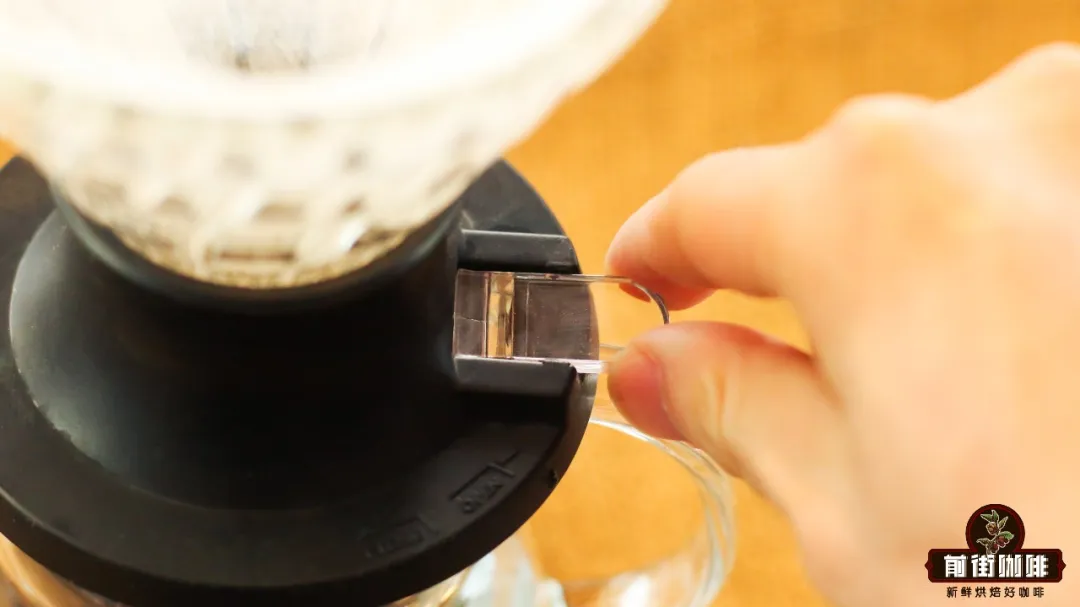
The water control valve on the clever dripper offers a simple yet effective solution: before blooming, close the valve, and the injected hot water will be temporarily "locked" inside the dripper, creating a blooming environment similar to immersion. This ensures that every coffee particle can fully absorb water and release gases, allowing even the bottom layer of grounds to be evenly heated, significantly improving the quality of blooming.
However, some readers may wonder: will soaking the coffee grounds in water for an extended period lead to over-extraction? Below, we’ll use an actual three-stage extraction process with 15 grams of coffee grounds and 92°C water temperature to verify whether 30 seconds of blooming truly affects the final flavor profile.
For this test, we used a Granja La Esperanza Geisha, a sun-dried, medium-light roasted bean with distinctive floral, fruity, and oolong tea notes, and excellent cost-performance. Paired with the Hario Switch conical clever dripper, it increases the thickness of the coffee bed, bringing out a richer layering of flavors. The basic extraction parameters are set as follows: 15g coffee grounds, 1:15 coffee-to-water ratio, grind size around 75%–80% passing through a #20 sieve, water temperature 92°C, with total extraction time controlled to around 2 minutes.
Different from the usual dripper method, during the blooming stage, first close the water control valve, then pour in twice the amount of hot water (i.e., 30ml), and let it sit for 30 seconds to allow the coffee grounds to fully bloom. At this time, the hot water is locked inside the dripper, ensuring that every coffee particle is evenly saturated.
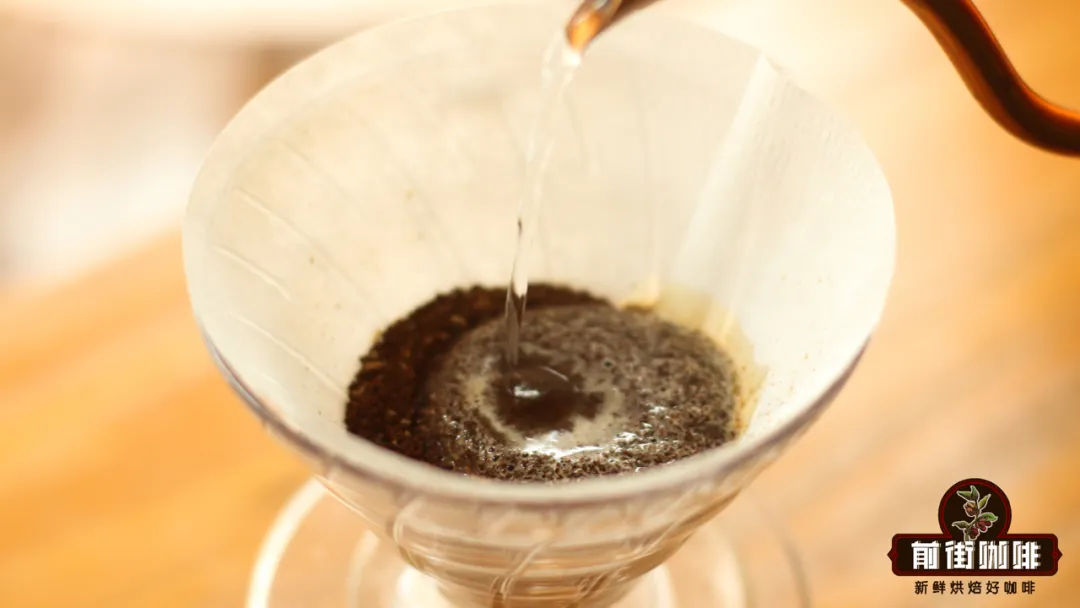
After 30 seconds of blooming, open the valve to enter the second stage of main extraction. Pour in 120ml of hot water, and it’s recommended to pour in a moderate stream in large circles, maintaining a steady flow rate. Once the second pour has fully drained, proceed to the third stage of extraction, pouring in 75ml of hot water. At this point, you can switch to a smaller stream in smaller circles to precisely control the extraction rhythm.
Once the third pour of hot water has completely drained, you can remove the clever dripper, gently shake the coffee server to evenly mix the liquid, and then enjoy your brew. The test results show that this method not only avoids over-extraction, but the flavor performance is even more stable compared to using a regular dripper.
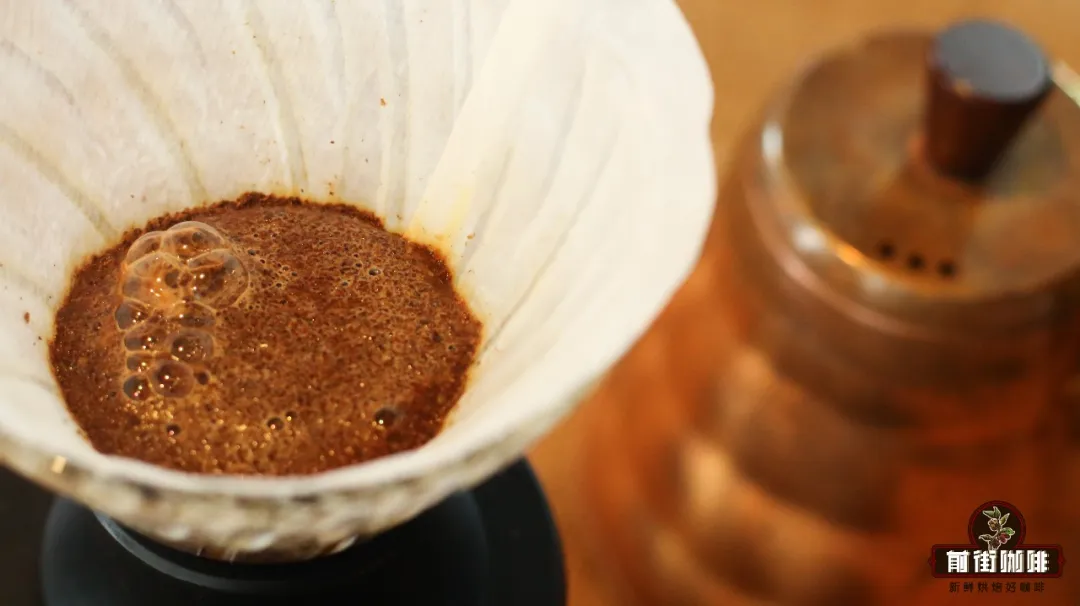
The brewed Granja La Esperanza Geisha exhibited distinct aromas of apricot, citrus, and berries, along with an elegant oolong tea finish. The overall mouthfeel was full, balanced, and the aftertaste long-lasting. Compared to the results from using a conventional dripper, the flavor performance was on par, if not better in terms of stability.
In summary, the water control valve on the clever dripper is a great helper for beginners practicing pour over, especially effective in solving the issue of uneven wetting at the bottom layer during the blooming stage. If you’re just starting out with pour over, give this three-stage process and 30-second blooming method a try—it not only improves success rates but also makes it easier to brew a cup of coffee with balanced and delightful flavors.
The above content is compiled by CoffeeHunters, a coffee news website.


