








Introduction:Have you ever wondered what the difference really is between a "dry" and a "wet" cappuccino? It’s not just a matter of taste preference—it involves the precise ratio of milk to foam, as well as the evolution of coffee history and the rise of latte art. This article delves into the key differences between dry and wet cappuccinos in terms of ratio, flavor, and preparation, and also explains the formation principle of the golden crema and the flavors of traditional coffee. Whether you’re brewing at home or ordering at a café, it will help you make a choice that better suits your taste.
When you order a cappuccino at a café, you’ll often hear seasoned coffee drinkers ask for it to be made “a bit drier.” This actually reflects the evolving differences in cappuccinos across different eras. The core distinction between a “dry cappuccino” and a “wet cappuccino” lies in the ratio of foam to milk—dry cappuccinos have thick foam and less milk, resulting in a richer and more robust mouthfeel; wet cappuccinos, on the other hand, use more milk with thinner foam, making the overall texture smoother and gentler. Through a side-by-side comparison using samples made with a classic Italian blend, we’ll take an in-depth look at how the two differ in ratio, flavor, and mouthfeel, and explore why the current trend has gradually shifted from the dry style to the wet style, which better showcases latte art.
You might ask, why does the cappuccino even have “dry” and “wet” variations? This actually stems from the evolution of historical recipes and the diverse preferences of consumers. Early cappuccinos emphasized a strong and robust coffee experience, with thick layers of foam, thus giving rise to the so-called “dry cappuccino.” As coffee beverages diversified, especially with the popularization of latte art techniques, the more fluid and easier-to-shape “wet cappuccino” gradually became the mainstream.
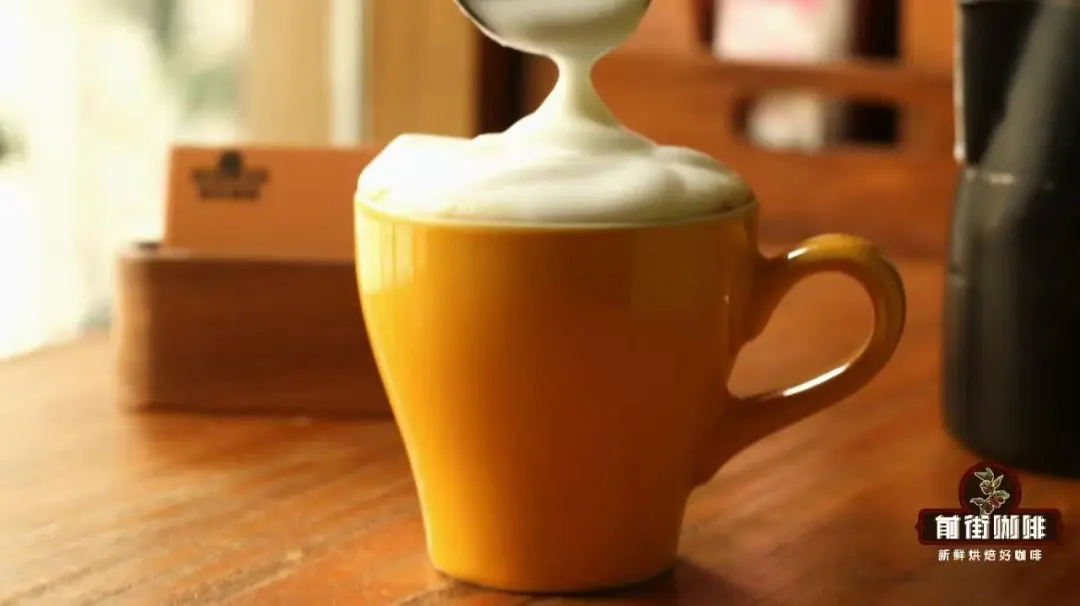
Dry Cappuccino, as the name suggests, is the version with thicker foam and less milk. Typically, a dry cappuccino uses about 110 milliliters of milk, with a fluffier and thicker layer of foam. This reduces the water content of the entire drink, resulting in a relatively richer and more solid mouthfeel, with the coffee’s inherent flavors becoming more prominent.
In contrast,Wet Cappuccinouses more milk, usually around 140 milliliters, paired with a thinner layer of foam. This combination makes the drink smoother, with a more delicate integration of milk and coffee aromas, and is also more conducive to baristas creating latte art. In terms of ratio, the foam in a wet cappuccino is noticeably thinner than in a dry cappuccino, but this trade-off results in a more pleasant drinking experience.
Taking actual preparation as an example, using 20 grams of a classic Italian blend coffee bean (a mix of beans from Indonesia, Brazil, and Vietnam, medium-dark roasted, with classic flavors of chocolate, caramel, nuts, and butter), extracted with a 1:2 coffee-to-water ratio to produce 40 milliliters of espresso within 30 seconds—this is the common base for both types of cappuccinos. For the milk and foam, the dry cappuccino uses 110 milliliters of milk with thicker foam, while the wet cappuccino uses 140 milliliters of milk with thinner foam, making the difference immediately obvious.
 Observing the two finished drinks, although their appearances are not vastly different, the flavors and mouthfeels diverge noticeably upon tasting. The dry cappuccino, due to the smaller amount of milk, has a more concentrated coffee flavor, allowing you to clearly taste the layers of chocolate and caramel from the blend, and the thickness of the foam also brings a velvety texture. The wet cappuccino, with a higher proportion of milk, has an overall softer and smoother flavor profile, making it ideal for those who prefer a balanced taste of milk and coffee.
So, why has the mainstream shifted from the traditional dry cappuccino to the more commonly seen wet cappuccino today? The key lies in the rise of latte art. To create delicate patterns on the surface of the coffee, the foam needs better fluidity, so baristas generally reduce the thickness of the foam and increase the amount of milk, resulting in the wet cappuccino, which is more suitable for latte art. However, many coffee enthusiasts still have a soft spot for the old-school flavor of the dry cappuccino—not only for its rich coffee essence but also for the distinct “coffee golden crema,” the dark ring that naturally forms at the rim of the cup when the espresso and foam are not fully integrated, a classic visual feature that is more likely to appear in a dry cappuccino.
In summary, the difference between dry and wet cappuccinos is not just a matter of taste preference—it also embodies the evolution of coffee culture and technique. Whether you prefer the bold and solid taste of a dry cappuccino or the smooth and art-friendly wet cappuccino, understanding their ratio principles and flavor characteristics can help you more accurately express your needs when ordering at a café or recreate your own classic cup at home.
The above content is compiled by CoffeeHunters, a coffee news website.


