







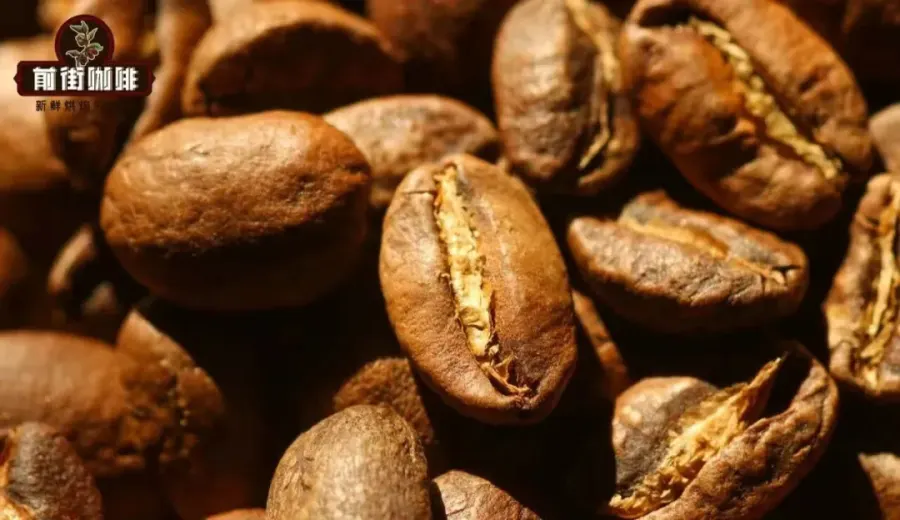
Introduction:Have you ever wondered why coffee called “Geisha” from Panama and Ethiopia can differ so vastly in both price and flavor? This article delves into the origins, variety differences, as well as key distinctions in flavor profiles and processing methods between these two renowned coffees. Whether you're a pour over beginner or a seasoned coffee connoisseur, you’ll learn how to choose the Geisha that suits you best and discover their unique charms.
The reason Geisha coffee is so widely loved lies not only in its distinctive flavor profile but also in its complex historical and varietal background. However, when it comes to Ethiopian Geisha versus Panamanian Geisha, many coffee enthusiasts often wonder: if the names are the same, why are there such significant differences in price, flavor, and market positioning? In fact, although both share the name “Geisha,” they are entirely different varieties, with even notable differences in their genetic lineage.
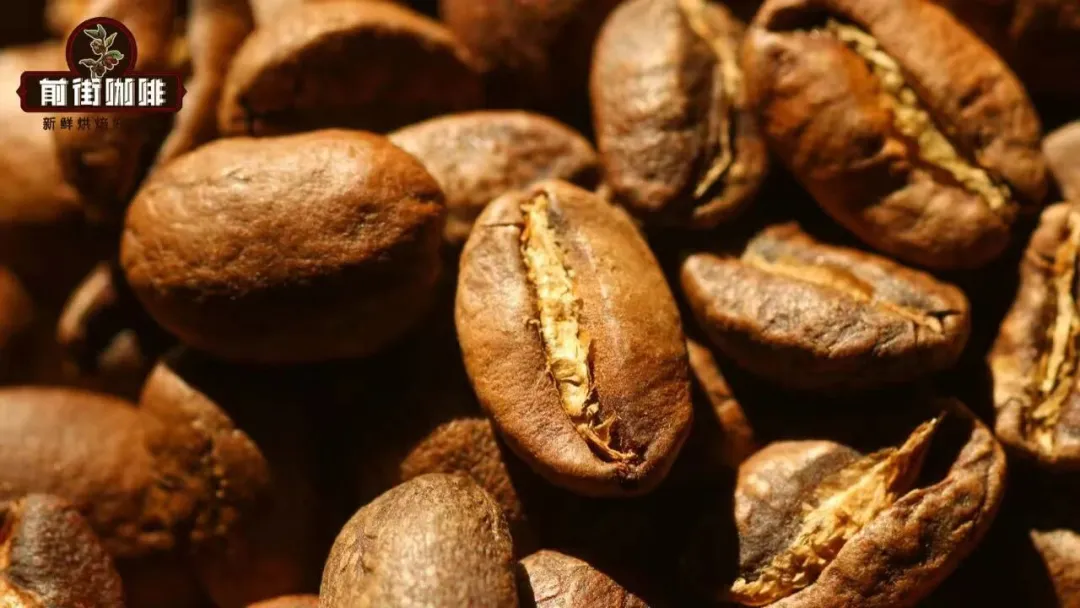
In the world of specialty coffee, factors such as origin, altitude, processing method, and variety all play crucial roles in shaping flavor. However, when comparing Panamanian Geisha and Ethiopian Geisha, the biggest difference isn’t in the growing environment but in the fact that they are fundamentally “different varieties” of coffee. This is why they exhibit such distinctly different aromas, tastes, and price ranges, making them one of the most discussed topics among coffee aficionados.

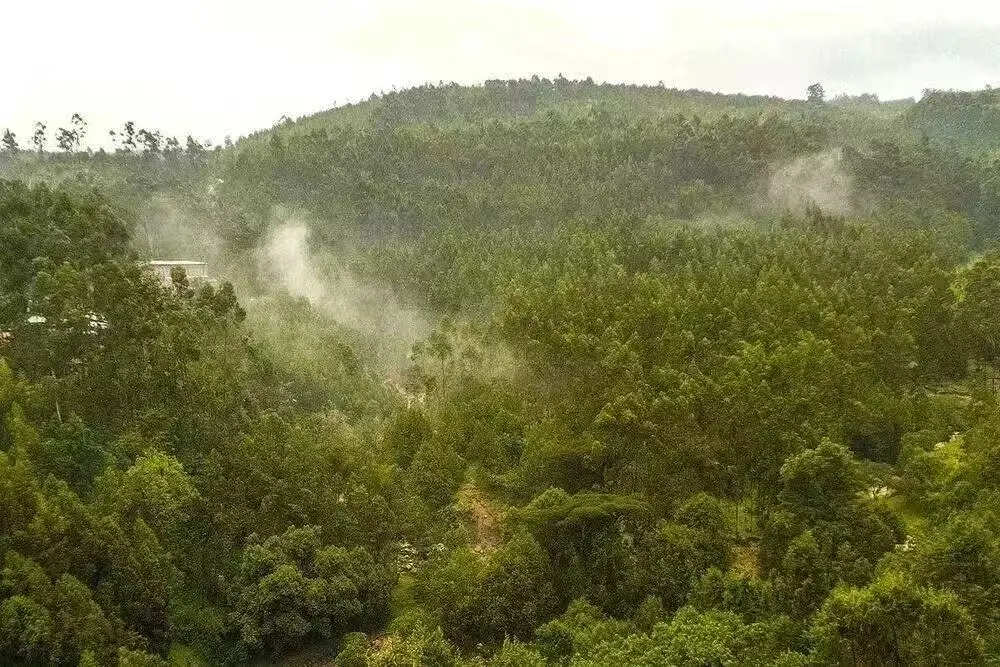
Let’s first talk about the well-known Panamanian Geisha. Although its name includes “Panama,” the origins of this variety can actually be traced back to the genetic homeland of coffee—the Gesha forest in Ethiopia. In 1931, a British expedition team, in search of coffee varieties with disease resistance and high adaptability, ventured deep into the ancient forests there to collect samples, which included the now-famous Geisha variety. At the time, the seeds from the Gesha forest were misspelled as “Geisha” instead of the correct “Gesha,” and were subsequently taken to various countries for trial planting.
It wasn’t until the late 20th century that some of these seeds were introduced to Panama, where they were planted by Hacienda La Esmeralda and their potential was discovered. In 2004, this variety from the Gesha forest made a stunning debut at the Best of Panama (BOP) green coffee competition, winning first place with its highly distinctive floral and fruity notes paired with a refreshing tea-like quality. This coffee, with its intense white floral aroma, bright citrus tones, and delicate green tea aftertaste, quickly created a sensation in the global specialty coffee market. Its variety number is T2722, and it has since become what we now commonly refer to as “Panamanian Geisha.”
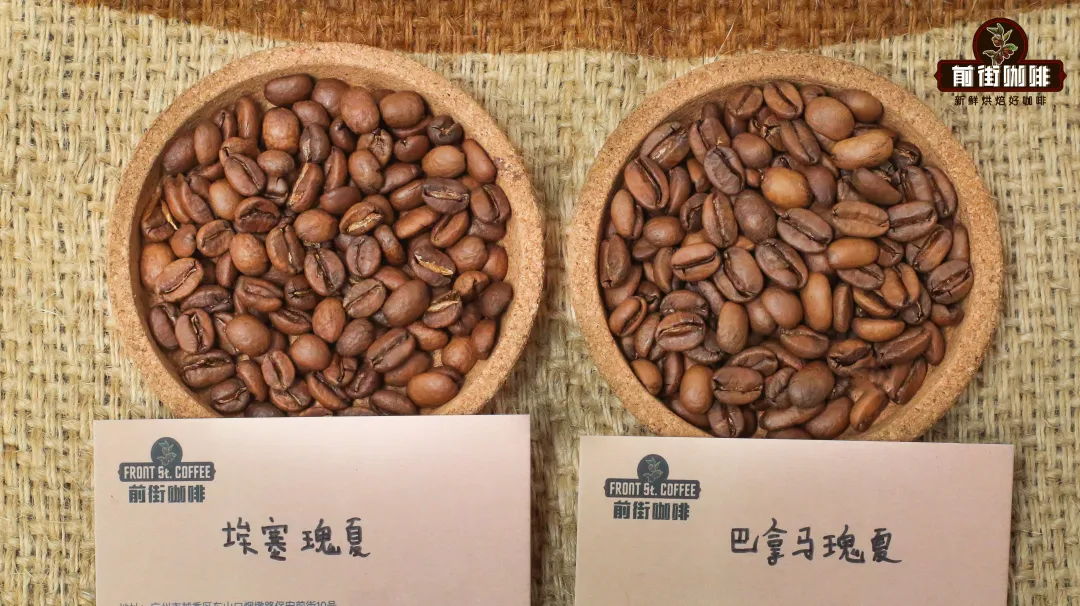
The story of Ethiopian Geisha, on the other hand, is quite different. In fact, it only began to gain attention many years after Panamanian Geisha rose to fame. Many coffee lovers and green coffee traders, after tasting the unique flavors of Panamanian Geisha, returned to its place of origin—the Gesha forest in Ethiopia—to seek out varieties with similar or even greater potential. There, they discovered some coffee trees that resembled Panamanian Geisha in appearance—such as their slender, oval shape with pointed ends, resembling sausage buns—and thus also referred to these newly discovered varieties as “Geisha.”
However, similar appearance does not mean the same variety. Genetic testing later revealed that most Ethiopian Geishas have very little genetic relation to Panama’s T2722 variety, being more like distant relatives. Moreover, Ethiopian Geisha also differs significantly in flavor profile from Panamanian Geisha, typically showcasing richer, juice-forward fruitiness—such as blueberry, berry, and citrus notes—with an overall flavor profile closer to a “fruit juice drink” rather than the elegant “floral-tea” style of Panamanian Geisha.
Therefore, to distinguish between these two coffees that share the same name but are fundamentally different, the industry generally refers to the Geisha originating from Panama with variety number T2722 as “Panamanian Geisha,” while the similarly looking but genetically different varieties found in Ethiopia are collectively called “Ethiopian Geisha.”
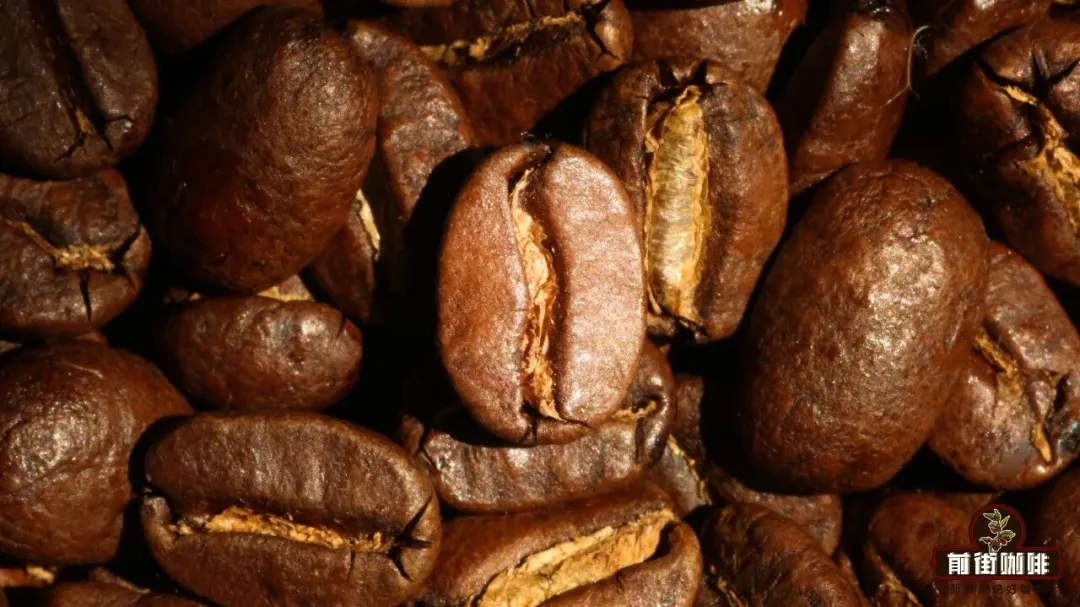
Although Ethiopian Geisha is usually much more affordable than Panamanian Geisha and has a distinctly different flavor direction, this does not mean it is of lower quality. In fact, due to its high juice content, bright acidity, and unique regional characteristics, Ethiopian Geisha enjoys steady support in many coffee-consuming markets. Especially for consumers with a limited budget who still want to experience the flavor of Geisha, Ethiopian Geisha is a highly worthwhile option to try.
If you’d like to taste a flavorful and cost-effective Ethiopian Geisha, look for versions that are medium-light roasted and processed with natural (sun-dried) methods. These processing methods help retain more fruity tones and sweetness, making them well-suited for pour over brewing and capable of highlighting layers such as apricot, citrus, oolong tea, and even light floral notes. Additionally, adjusting grind size and water temperature appropriately can further enhance extraction performance. It is recommended to keep the water temperature between 90-92°C and the grind size at medium-fine (e.g., around 18-20 as a reference).
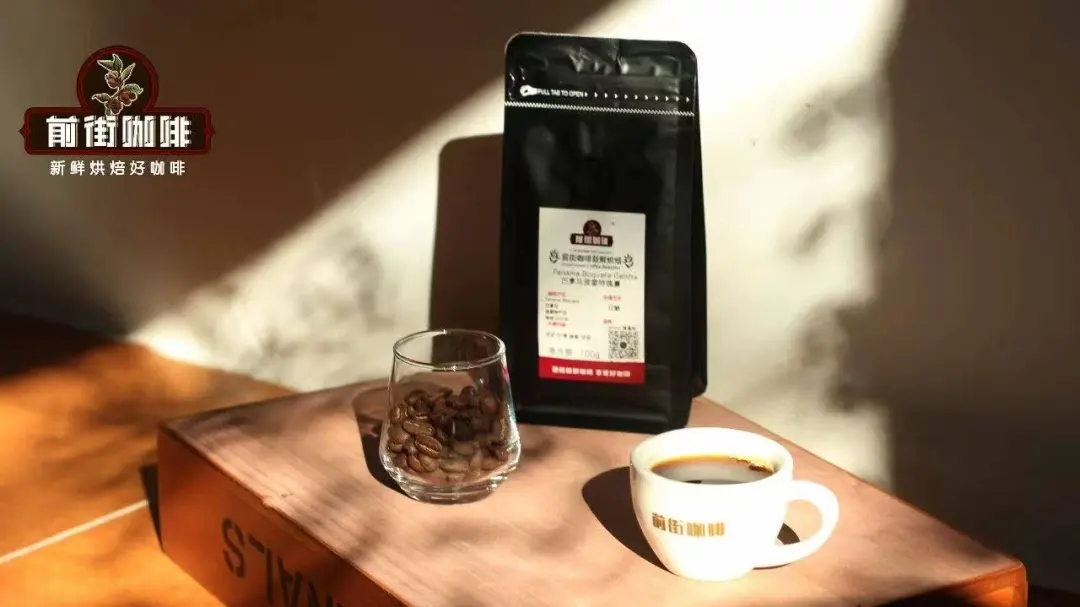
If you’re more inclined to experience the classic “Geisha flavor”—that combination of intense floral notes, citrus fruitiness, and refreshing green tea sensation—then Panamanian Geisha is the undeniable choice. It is recommended to select beans from the Boquete region with variety number T2722, and opt for medium-light roasting paired with washed or honey processing to fully present its classic Geisha flavor profile. When pour over brewing, pay attention to pouring techniques and stage extraction; it’s suggested to keep the total brew time between 2:30 to 3:00 minutes to fully showcase its delicate aromas and layered complexity.
In summary, despite sharing the same name, Ethiopian Geisha and Panamanian Geisha differ significantly in variety, genetics, flavor expression, and price range. Understanding these differences not only helps you make smarter coffee bean purchases but also enables you to more precisely capture the unique charm of each Geisha during brewing and tasting. Try comparing and savoring both to feel the subtle differences between them, and further elevate your coffee appreciation experience.
The above content is compiled by CoffeeHunters, a coffee news website.


