







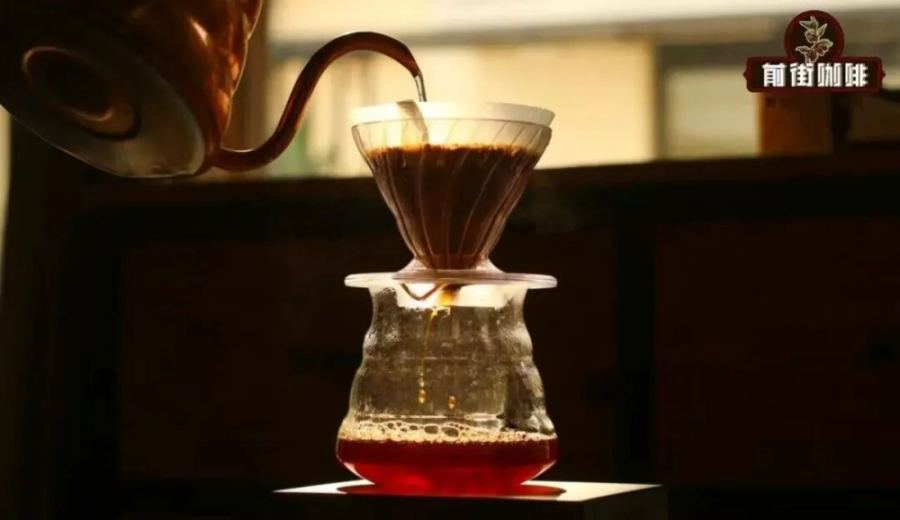
Introduction:Have you ever experienced this: using the same coffee beans and equipment, sometimes you brew a cup that’s rich and smooth, yet other times it turns out bitter and hard to drink? In fact, inconsistent pour over flavors are often not due to the beans themselves, but rather because three key variables—water temperature, grind size, and pouring technique—are not precisely controlled. This article will delve into these core parameters, offering practical adjustment tips and specific numerical references to help you stabilize your brewing performance. Whether you’re working with light or dark roast beans, you’ll be able to achieve the ideal flavor.
Many beginners who have just started exploring pour over coffee often face a common frustration: even when using the same coffee beans and equipment, sometimes the coffee has bright aromas and a smooth mouthfeel, but other times it turns out bitter and astringent, even unpleasant to swallow. In reality, this inconsistency in flavor is usually not caused by the quality of the beans, but rather because during extraction, the three critical factors—water temperature, grind size, and pouring method—are not properly adjusted.
Before diving deeper, let’s clarify one concept: the primary condition for a delicious pour over coffee is “just-right extraction.” When hot water extracts too many substances, the coffee tends to have a noticeable bitterness and a rough mouthfeel; conversely, if under-extracted, it can taste flat or even sour and sharp. Only through even and moderate extraction can the layers and unique flavor characteristics of the coffee beans truly shine.
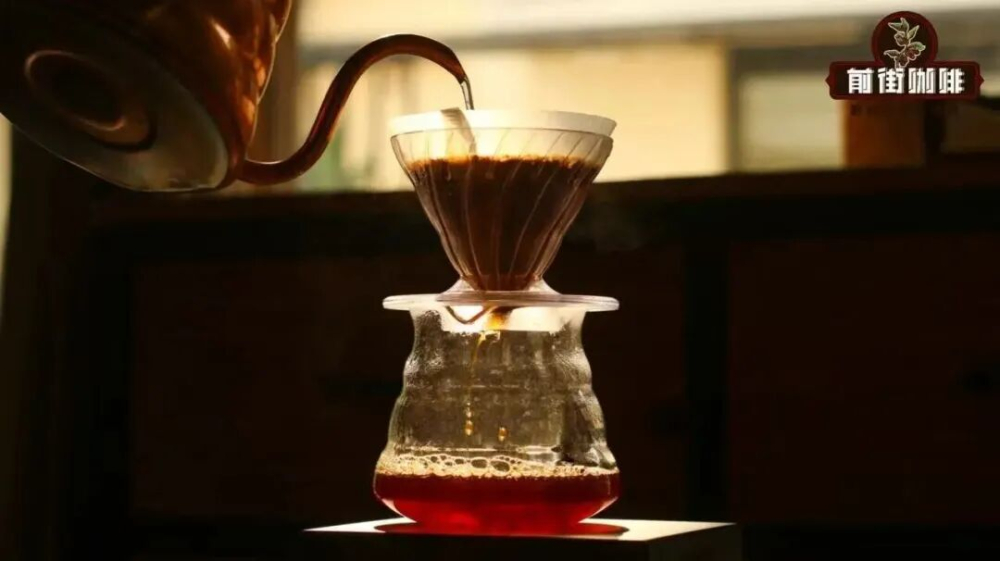
So why does the same recipe sometimes taste great and other times like “medicine”? This is often related to subtle changes in extraction parameters. Based on years of hands-on experience, we’ve found that there are three operational variables that most directly affect flavor: water temperature selection, coffee grind coarseness, and pouring method and time control. Even a slight deviation in any one of these can lead to vastly different coffee outcomes.
Let’s start with water temperature. This is an aspect many beginners overlook, yet it’s extremely crucial. Generally speaking, light roasted coffee beans, due to their shorter roasting time, have a tighter bean structure and higher density, and typically require a higher water temperature—around 92°C to 94°C—to effectively extract enough soluble flavor compounds. Dark roasted beans, on the other hand, have a looser structure and more complete caramelization, so using excessively high temperatures can release too many bitter and astringent substances. Therefore, it’s recommended to lower the water temperature by about 5°C to 6°C, to around 86°C to 88°C.
Interestingly, many coffee packaging does not clearly indicate the roast level, because the industry’s classification of roast degrees is quite detailed, with eight different levels, each corresponding to a specific color range—far beyond the broad categories of “light,” “medium,” and “dark.” As a result, it’s difficult for consumers to judge based solely on the simplified labels on the package. For the average user, the most intuitive way to assess is by looking at the flavor descriptions: if the notes include distinct acidic and fruity aromas like lemon, citrus, or blueberry, it’s usually on the lighter side of medium-light roast; if the dominant notes are sweet ones like honeydew, grape, or peach, it’s likely in the middle range of medium-light roast; those with maple syrup, sugarcane, chocolate, or almond tones are generally medium-dark roast in the mid-range; and if the flavors are rich and bitter-sweet, like roasted hazelnut, dark chocolate, or caramel, then it leans toward medium-dark or even deeper roasts—this is when you should use a lower water temperature.
Next, let’s talk about grind size. Many beginners, when adjusting grind, often use the coarseness of sugar as a preliminary reference: for medium-light roasted coffee, it’s recommended to use a grind close to that of fine sugar to increase the contact area between coffee and water; for medium-dark roasts, a medium-coarse sugar grind can serve as a baseline. However, in practice, the factors influencing grind size are quite complex—not just coarseness, but also particle uniformity, grinder design, and burr condition. So even if you choose what seems like an appropriate coarseness, uneven grind sizes or too many fines can still lead to unstable extraction.
Taking a common pour over setup as an example (for instance, 15 grams of coffee grounds, a 1:15 coffee-to-water ratio, water temperature controlled between 88°C and 93°C, using a three-pour method, with a total water volume of about 225 milliliters, and a brewing time maintained between 1 minute 50 seconds and 2 minutes 10 seconds), if the total extraction time exceeds 2 minutes 30 seconds, it usually means the flow rate is too slow, which may lead to over-extraction, resulting in an overly intense or even bitter taste. In this case, it’s recommended to slightly coarsen the grind. Conversely, if the total time is less than 1 minute 30 seconds, the flow rate is too fast, and the coffee may turn out weak or overly acidic, indicating the grind might be too coarse and should be adjusted finer.
However, if you’ve already made the above adjustments and the time falls within a reasonable range, but the coffee flavor is still not ideal, the issue might lie with the performance of the grinder itself. If the grinder cannot effectively control the proportion of fines, even adjusting the settings may still affect the stability of overall extraction. In such cases, if you’re not planning to replace the equipment, you can try compensating by fine-tuning other parameters. For example: for medium-light roasted coffee that’s too acidic or lacks aroma, you can slightly lower the water temperature by 2°C to 3°C to reduce the release of tail-end substances; for medium-dark roasted beans where you’re concerned about over-extraction and dare not grind too fine, you can try raising the water temperature by 2°C, which helps bring out more nutty and caramel sweetness, making the overall flavor rounder.
Finally, let’s look at the pouring step. Many people, when pour over brewing, control the coffee-to-water ratio purely by feel, without using a scale. This kind of “blind pour” often leads to inaccurate actual ratios, affecting the stability of concentration and extraction yield. For example, a commonly used benchmark among baristas is a 1:15 coffee-to-water ratio. While this is not the only standard, it is indeed a good starting point that can easily achieve an ideal extraction range.
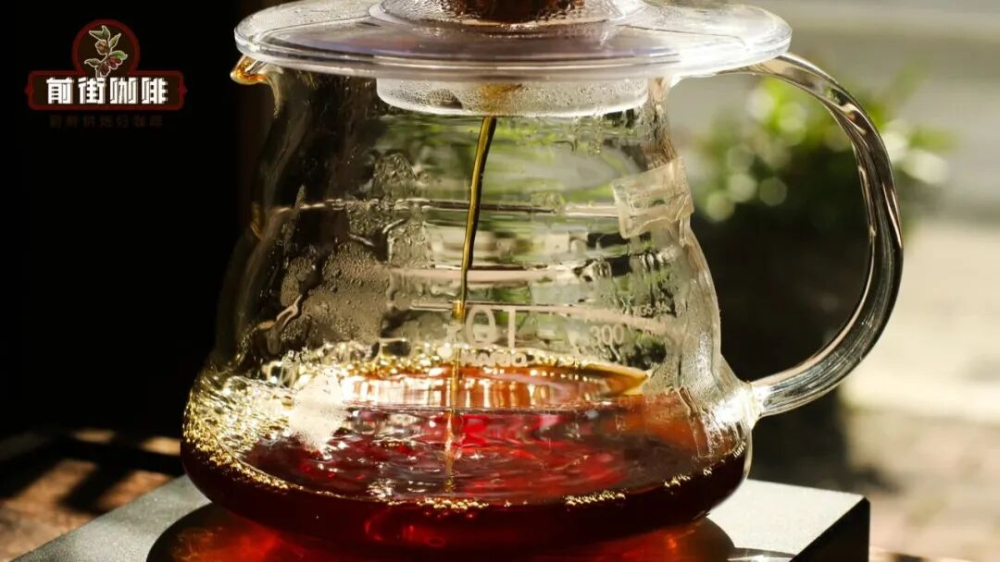
In addition, the details of the pouring technique are also extremely important—including the pouring entry point, the strength of the water stream, the speed and range of the circular motion, and even the height difference between the spout and the coffee bed—all of these can influence the final extraction results. If you’ve applied standard parameters but the coffee performance is still not ideal, it’s recommended to start by practicing “creating a perfect coffee bed crater”: observe whether, after brewing, the coffee grounds form a bowl-like structure that is thin on top, thick at the bottom, evenly distributed, and with smooth lines. This simple observation can help you quickly identify which part of the pouring process went wrong. Further details and operational suggestions can be found in the step-by-step guide to the three-pour method, which can help you build a solid foundation and lay the groundwork for more advanced adjustments in the future.
The above content is compiled by CoffeeHunters, a coffee news website.


