








Introduction:To precisely control the flow rate of your pour over coffee, grind size isn’t your only option. This article takes an in-depth look at four practical adjustment methods—including pulse pouring, water flow control, and choosing the right filter paper and dripper—and explains how different designs, such as the V60 and Kono drippers, impact flow rate through real-world examples. Readers can adjust parameters according to bean characteristics to optimize extraction time and flavor performance.
During the pour over brewing process, while grind size is often seen as the primary means of adjusting flow rate, there are actually many operational details that can effectively change how quickly the coffee liquor permeates. This article will introduce four practical methods: pulse pouring, controlling water flow rate, switching filter paper types, and selecting drippers with different designs, and will detail how these variables influence overall extraction performance.
Beyond the common adjustment of grind size, pour over enthusiasts can also flexibly control flow rate through the following methods, thereby influencing extraction time and final flavor. These techniques are especially useful when other parameters have already been fixed, providing more room for adjustment.
1. Pulse Pouring
Pulse pouring is one of the most intuitive and easy-to-use methods for adjusting flow rate. By increasing the number of pouring phases, the waiting time between each pour can extend the overall extraction time. Additionally, reducing the amount of water poured each time lowers the water pressure inside the dripper, slowing down the speed at which the coffee liquor drips through. In practice, the more pouring phases there are, the longer the total extraction time tends to be; conversely, the time is shortened. This method is particularly suitable for fine-tuning the extraction rhythm while keeping grind size and brew ratio constant.
2. Water Flow Rate
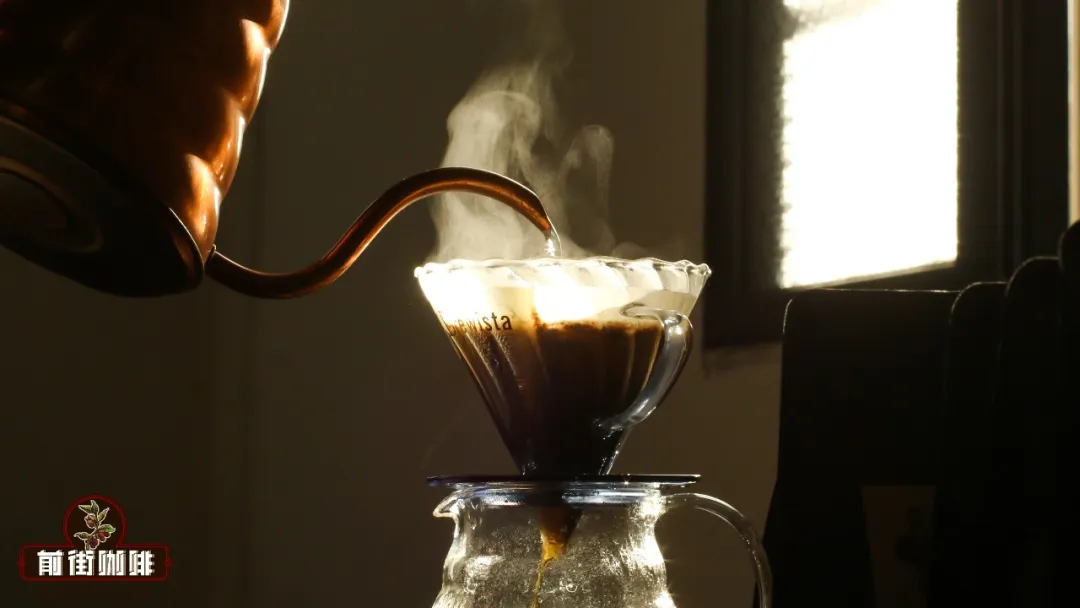
Another basic yet crucial technique is controlling the speed of the water flow during pouring. Practical tests have shown that when pouring quickly, the coffee grounds experience greater impact, leading to faster water penetration and a shorter extraction time; on the other hand, a slow and steady pour extends the contact time between water and coffee grounds, aiding in more complete extraction. Beginners are advised to practice controlling the thickness and height of the water stream to find a balanced flow rate that works for them.
3. Changing Filter Paper
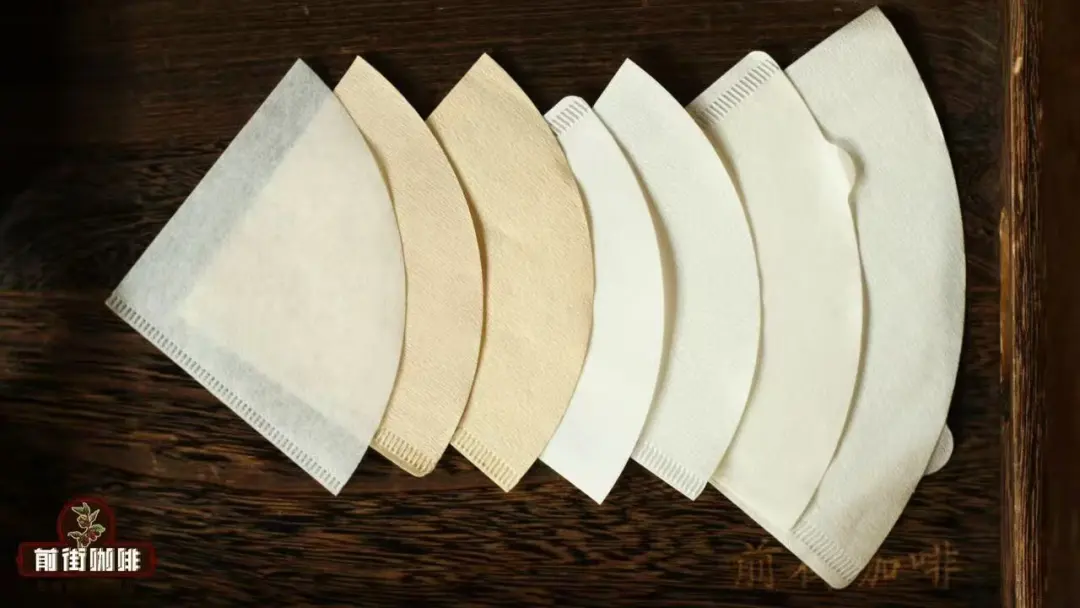
The material and manufacturing process of the filter paper significantly affect flow rate. Filter papers on the market can be divided into two main categories: “fast flow” and “slow flow,” with differences mainly stemming from fiber density and surface treatment. Looser filter paper structures allow the brew to pass through more quickly, while denser papers or those with special coatings slow down the water flow. If the flow rate isn’t meeting expectations, trying a different brand or type of filter paper may lead to unexpected improvements.
4. Changing Drippers
Dripper design differences are another key factor influencing flow rate. Observing the design of the internal ridges and the configuration of the bottom holes can give you a preliminary sense of its drainage characteristics. Generally speaking, the longer, more numerous, and evenly distributed the ridges are, and the larger or more numerous the bottom holes are, the faster the water flows through; the opposite results in slower flow.
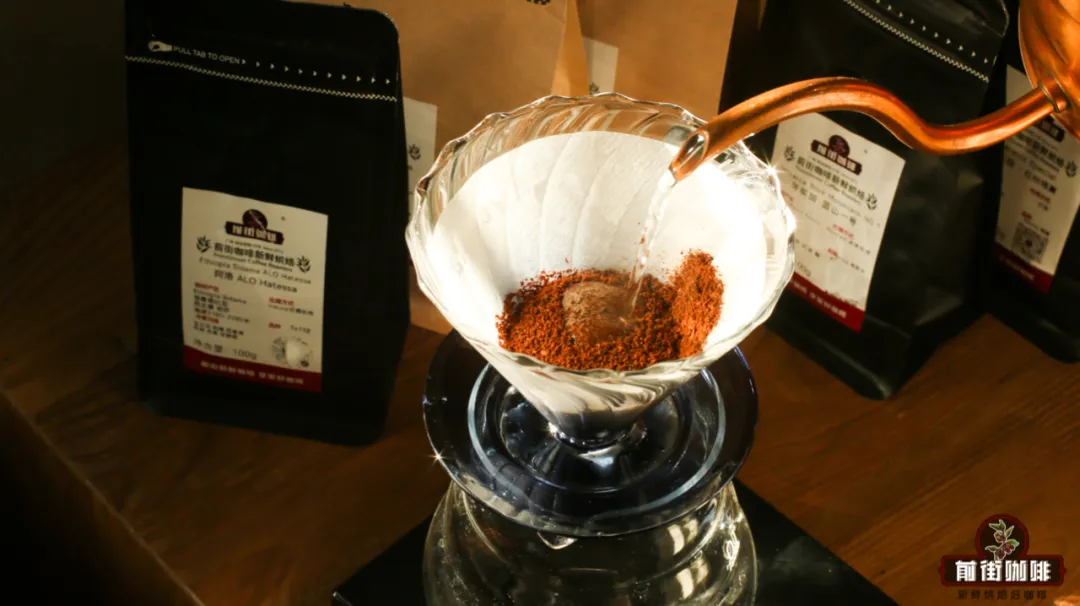
Take the V60 dripper as an example: its inner wall features multiple long, prominent ridges, and it has a large-diameter single hole at the bottom—features that create fast drainage. It’s well-suited for brewing medium to light roasted beans that require longer development times to express their flavors. For instance, a medium-light roasted Ethiopian heirloom Geisha with bright fruity notes is recommended to be brewed with a V60 using the following parameters: 15 grams of coffee, a 1:15 brew ratio, a grind size that allows 75%–80% of particles to pass through a #20 sieve, water temperature controlled at 91°C–93°C, and a three-pour method aiming for an extraction time of around 2 minutes.
In contrast, for beans that are darker roasted and denser in texture, you might opt for a slower-flowing dripper like the Kono. Take a world-class dark roast representative as an example—this bean, after deep roasting, showcases rich chocolate, nutty, and caramel aromas, with a full body and pronounced sweetness. When using the Kono dripper, it is suggested to use 15 grams of coffee, maintain a 1:15 brew ratio, adjust the grind size to allow 70%–75% of particles to pass through a #20 sieve, set the water temperature to 86°C–89°C, and also employ a three-pour method to achieve a stable and layered flavor profile, with an extraction time maintained at around 2 minutes.
In summary, there are many ways to adjust the flow rate in pour over coffee brewing—from pulse pouring, water flow control, filter paper selection to dripper changes—each step can influence the final extraction outcome. By skillfully applying these techniques, coffee lovers can precisely manage extraction time and flavor balance according to bean characteristics and personal preferences, exploring more possibilities in the joy of brewing.
The above content is compiled by CoffeeHunters, a coffee news website.


