








Introduction:Ethiopia’s Gesha Village Estate is renowned for producing some of the world’s finest Gesha coffees. Its five distinct product lines—Competition, Gold, Red, Green, and Chaka—each offer unique characteristics. This article delves into the planting varieties, selection criteria, and flavor profiles of each line, guiding you from the top-tier Competition lots that make up just 5% of annual production to the value-packed Chaka blend, helping you find your ideal Gesha experience based on brewing preferences and budget.
Located in Banko Ghimi, Ethiopia, Gesha Village Estate was established between 2007 and 2011 after Adam Overton ventured deep into pristine forests in search of exceptional varieties. Nestled within a highland forest, the estate is divided into five product lines—Competition, Gold, Red, Green, and Chaka—based on varietal traits, yield, and processing precision, each with clear distinctions in flavor expression and market positioning.

Between 2007 and 2011, Adam Overton made multiple expeditions into Ethiopia’s wilderness before ultimately establishing Gesha Village Estate in the Banko Ghimi region. The area’s exceptional microclimate and soil conditions allowed three introduced varieties—Gesha 1931, Gori Gesha, and Illubabor Forest 1974 (abbreviated as IF)—to flourish and showcase their unique potential. These varieties not only form the foundation of each product line but also directly influence the nuanced flavor profiles of the final cups.
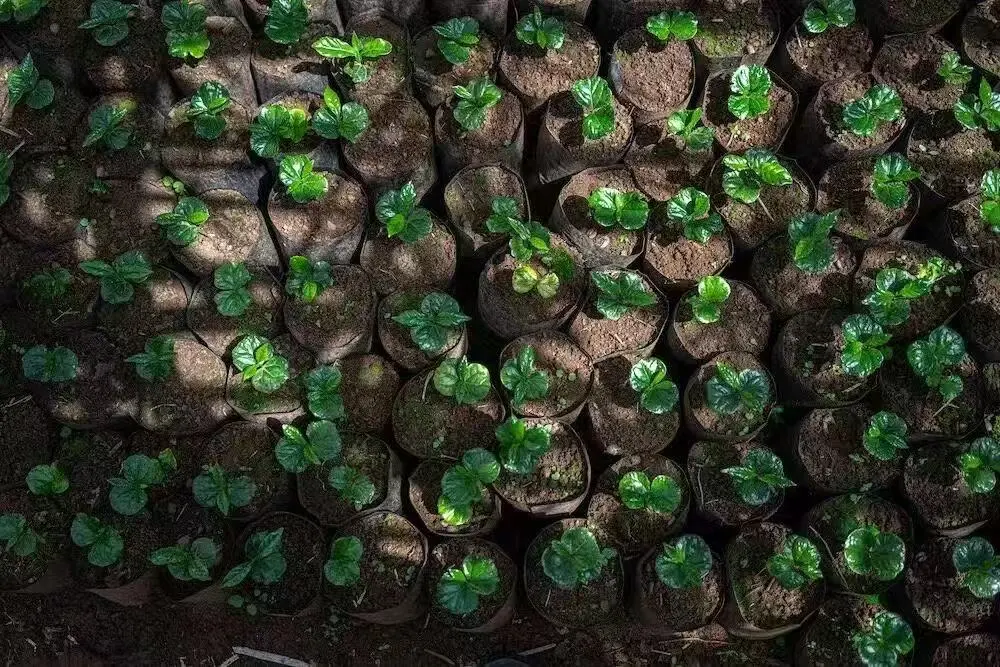
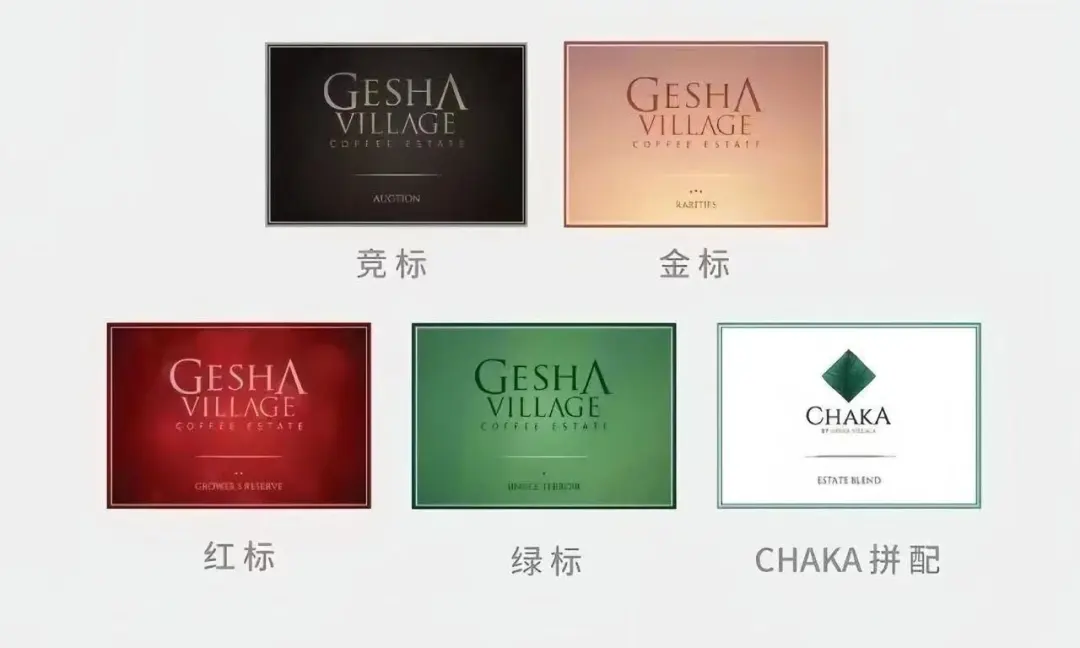
The product line classification at Gesha Village is clear and shares similarities with the categorization logic of Hacienda La Esmeralda, yet with its own distinctive features. Common questions include: What’s the difference between Competition and Gold? How should one choose between Red and Green? What advantages does Chaka, as a blend, offer? The following sections will break down the core characteristics of each line, from varietals to selection standards.
First, let’s focus on the planted varieties: Gesha Village primarily cultivates three main varieties. Gesha 1931 originates from the same ancestral forest where Panamanian Gesha was discovered, with tree morphology and appearance similar to Panamanian Gesha, known for its pronounced citrus and floral notes. Gori Gesha was found in the Gori Forest, about 100 kilometers from the estate. Though bearing the name “Gesha,” its appearance differs significantly, and its flavor profile features more intense tropical fruit characteristics. Illubabor Forest 1974 (IF) was discovered in 1974 in the Illubabor Forest and cultivated by the Ethiopian Coffee Research Center, possessing natural disease resistance with a more subdued flavor complexity.
The Competition batches, as the flagship representation of Gesha Village, account for less than 5% of annual production and are available only through exclusive auctions. This line is further divided into two categories: “Champion’s Reserve” and “Farm Reserve.” Either represents the highest quality of the season. These coffees undergo multiple sensory screenings and rigorous cupping, making them the top choice for coffee enthusiasts seeking an ultimate flavor experience.
The Gold batches, formerly known as “Rarities,” are now the highest grade within the non-Competition product lines, accounting for about 10% of annual production. Using the Gesha 1931 variety, which resembles Panamanian Gesha in appearance, this line delivers a layered flavor profile of honeysuckle, citrus, oolong tea, and berries when brewed (medium-light roast). It suits brewers who prefer a balance of delicate acidity and floral notes.
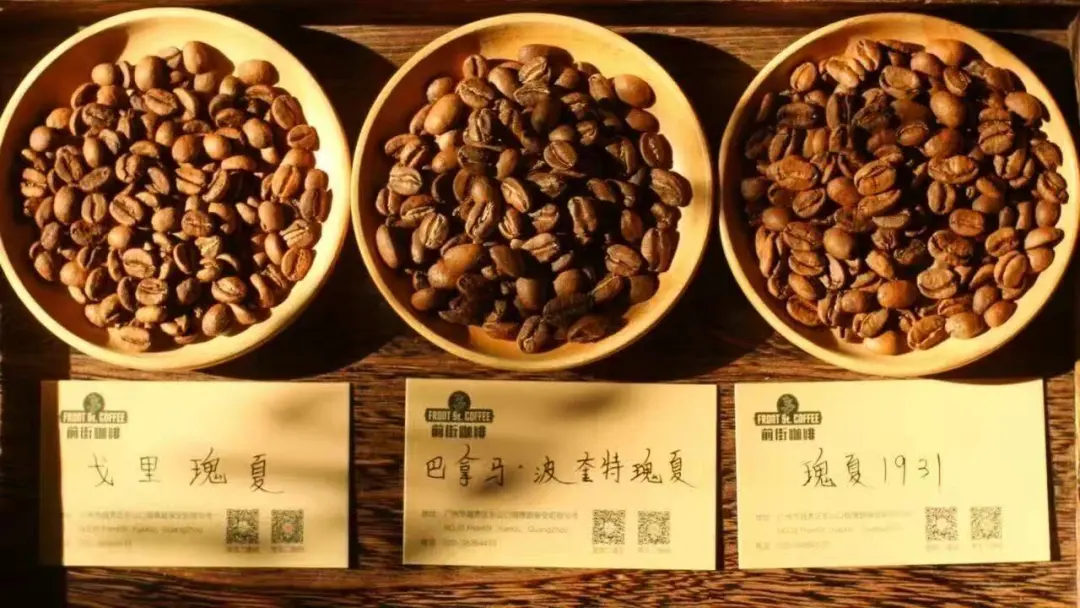
The Red batches, officially named “Growers Reserve,” account for approximately 15% of production. Their selection criteria are stringent: they must be single-variety, from a single plot, and score 88 or above in cupping. The version of Gori Gesha used here, when medium-light roasted, releases flavors of pineapple, citrus, berries, oolong tea, and subtle floral notes. With vibrant flavors and relatively approachable pricing, it serves as a balanced choice for experiencing the distinctive character of Gesha Village.
The Green batches share similar standards with the Red line, also emphasizing single-variety sourcing and plot traceability, while providing complete batch information (including farm plot names, processing dates, etc.). This line is ideal for consumers who prioritize transparency and quality control details, offering stable flavor performance with notable plot-specific characteristics.
The Chaka batches, as a value-oriented option, blend beans from all plots across the estate (potentially including Gesha 1931, Gori Gesha, and IF). Both natural and washed processes are offered. The natural-processed version (medium-light roast), as tested, showcases flavors of lemon, berries, oolong tea, and subtle floral notes, with a bright and light mouthfeel, making it suitable for everyday drinking or beginners exploring the world of Gesha.
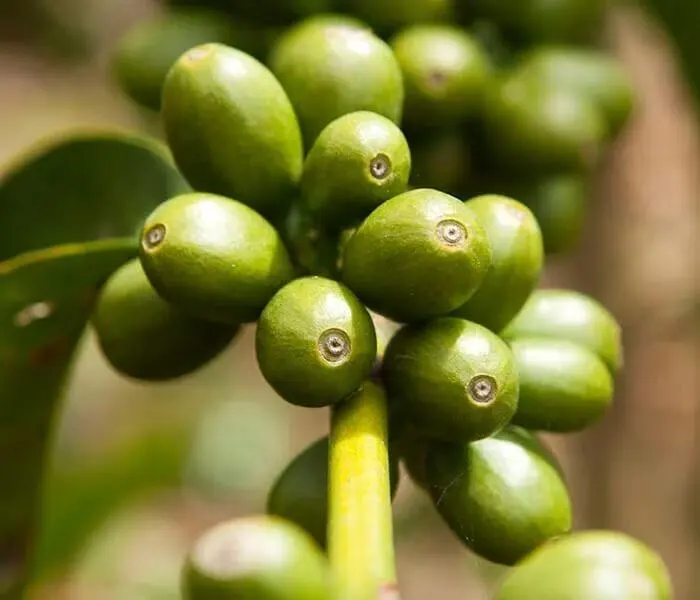
In summary, from the ultimate refinement of the Competition line to the diverse accessibility of the Chaka line, Gesha Village’s five product lines cater to a wide range of needs and budgets. It is recommended to choose the most suitable option based on your expectations for flavor complexity, brewing equipment (e.g., medium-light roast for pour over), and budget, to explore the multifaceted charm of Ethiopian Gesha.
The above content is compiled by CoffeeHunters, a coffee news website.


