







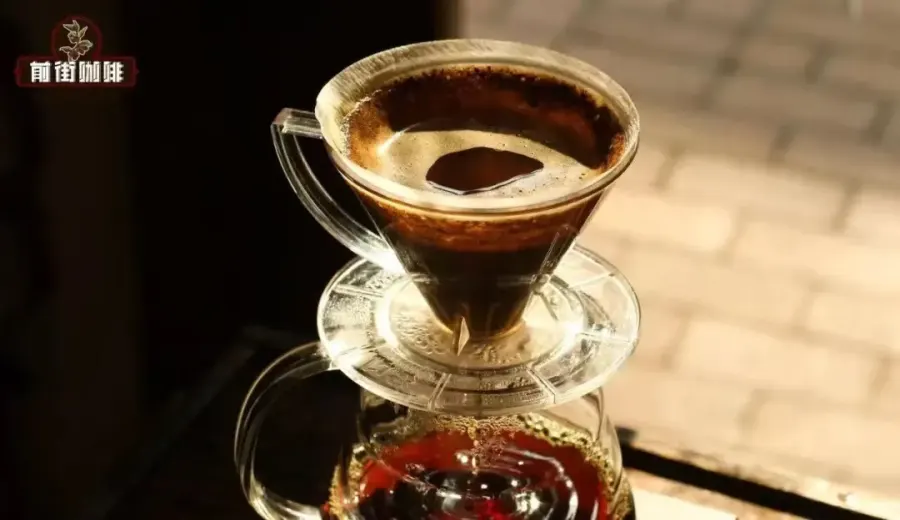
Introduction:Slow water flow through the filter during pour over brewing often leaves both beginners and experienced brewers at a loss. This issue is actually rooted in several key factors, including excessive fine particles, improper pouring or stirring, and the high density of the coffee beans. This article delves into these causes and offers practical solutions such as using coarser grind sizes for slower extraction, employing filtration screens, and adjusting pouring techniques. It also emphasizes using actual flavor outcomes to determine whether parameters need adjustment, helping you master your brewing rhythm more precisely.
When water in your pour over filter just won’t drip down, it’s a common frustration for many coffee lovers. There are actually multiple reasons behind poor water flow—too many fine particles, excessive stirring while pouring, or the inherently higher density of the coffee beans can all be contributing factors. This article breaks down these three common causes, explores the mechanisms behind them one by one, and provides corresponding improvement methods, such as adjusting grind size, using filtration tools, and refining pouring techniques, to help you achieve smoother pours every time. A special reminder: slower filtration speed doesn’t necessarily mean over-extraction—the final decision on whether to adjust parameters should be based on the flavor of the coffee in your cup.
Next, we’ll use the Yirgacheffe Guddina from a certain coffee brand’s own bean menu as an example to share brewing insights for dealing with high-density bean varieties, guiding you step by step to find your optimal brewing rhythm.
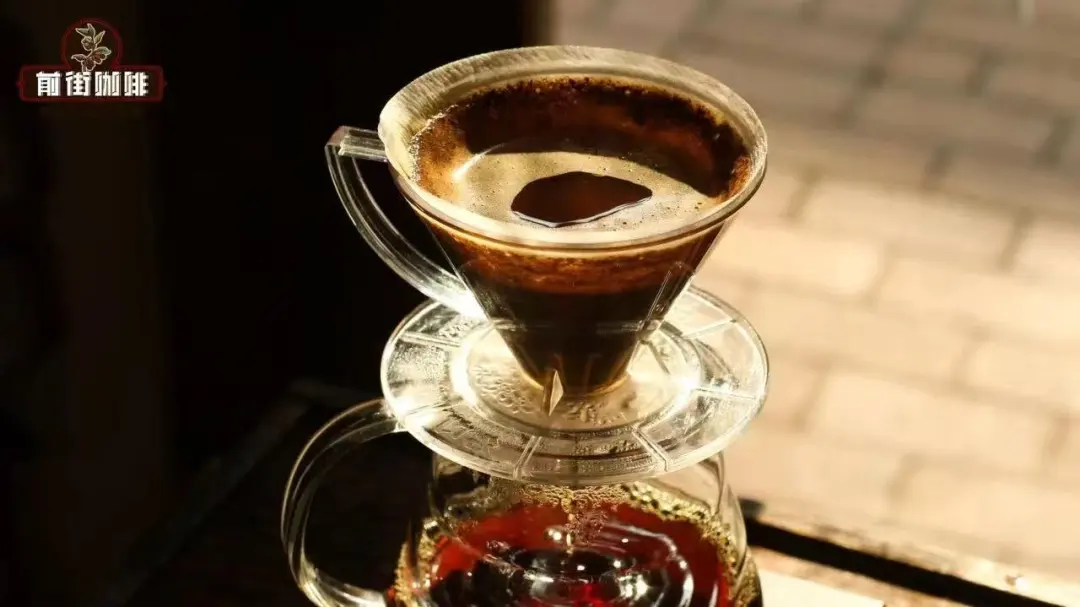
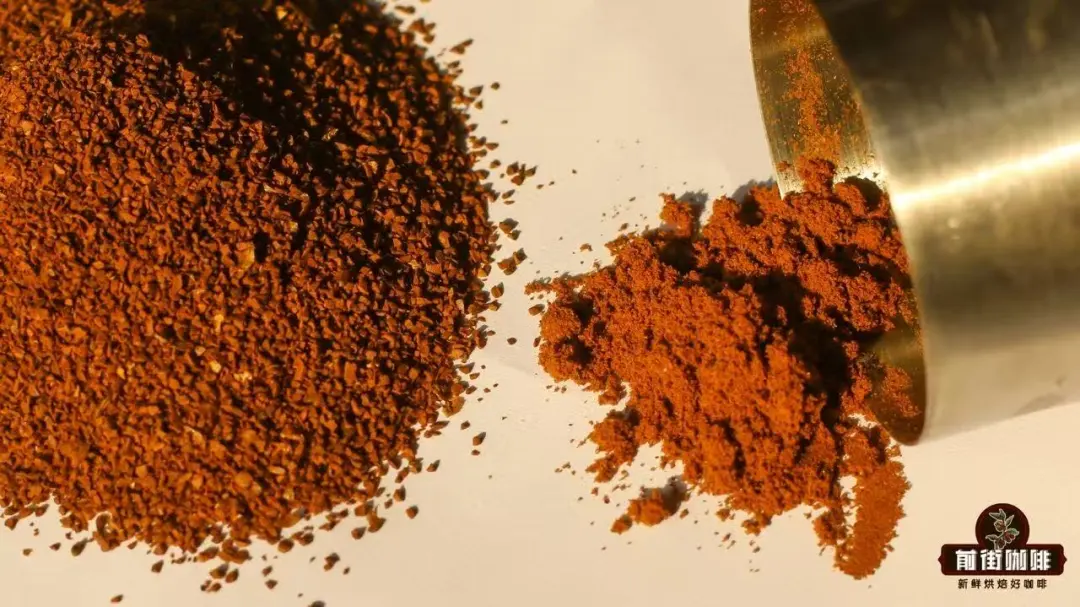
Let’s first talk about the most common culprit—excessive fine particles. When it comes to slow water flow during pour over, many people’s first thought is that the grind is too fine or there are too many fine particles. Here, “fine particles” refer to extremely tiny particles with a diameter smaller than 0.1mm. It’s inevitable that a certain proportion of fine particles will be produced whenever grinding occurs. The amount of fine particles generated is closely related to the grind setting, the performance of the grinder, as well as the freshness and condition of the coffee beans.
When the grind is set finer, the coffee beans are more brittle by nature, or the grinder produces uneven particle sizes, the output of fine particles increases significantly. Conversely, if the grind is coarser, the beans are of moderate hardness, and the grinder is of higher quality, then the amount of fine particles is relatively lower. Due to their extremely small size, fine particles can easily get lodged in the pores of the filter paper, directly obstructing the water flow channels, which drastically slows down the water drainage. In severe cases, this could even lead to over-extraction and affect the flavor balance.
There are two main approaches to addressing the issue of excessive fine particles. The first is to adopt a “coarse grind, slow extraction” strategy—that is, adjusting the grind to a coarser setting to reduce the production of fine particles, and then compensating for any potential loss in extraction efficiency due to the coarser grind by extending the brewing time. The second approach is to use a filtration sieve to directly remove a portion of the fine particles, thereby reducing the burden on the filter paper and lowering the risk of clogging.
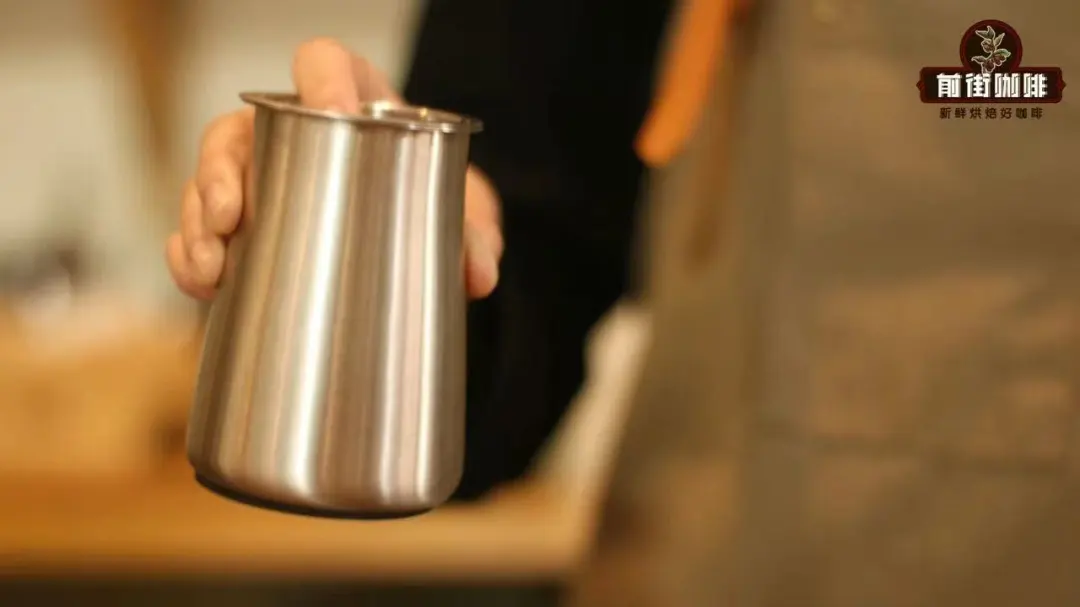
If your grinder isn’t something you can replace right now, consider investing in a decent-quality filtration tool. With a simple screening process, you can effectively reduce the amount of fine particles and thereby improve water flow. However, it’s worth noting that the sifted-out fine particles aren’t recommended to be discarded entirely—keeping a moderate amount can actually help enrich the coffee’s complexity and flavor layers.
Besides fine particles, the way you pour can also be a hidden factor affecting water flow. Even if your grinder performs excellently and fine particle levels are well controlled, pouring with too much force, stirring too broadly, or frequently shaking the filter cone can displace the fine particles and increase their chances of clogging the filter paper.
Because fine particles are so tiny, they reach saturation more easily than normally sized coffee grounds and then begin to settle. If pouring actions are overly vigorous—like strong water jets or constant stirring—it will accelerate the accumulation of fine particles toward the bottom of the filter, further increasing the chance of blockage.
Therefore, if you often face slow water drainage, it’s worth reviewing your pouring technique: Is the water stream too focused? Is the stirring motion too wide? Are you unnecessarily shaking the filter? Small adjustments in these details can often lead to noticeable improvements.
There’s also a factor that’s easy to overlook: the inherently high density of the coffee beans. When coffee beans come from high-altitude regions or are roasted lightly (such as medium-light roast), they usually contain richer internal compounds, resulting in naturally higher density. High-density beans not only absorb water more slowly but also offer greater resistance to water flow.
These types of beans often require a finer grind to ensure sufficient extraction efficiency, but this also makes them more prone to accumulating fine particles that can clog the filter paper. Additionally, high-density beans are heavier and less likely to be moved by hot water, often settling at the bottom of the filter and further restricting water flow space.
For high-density coffee beans, it’s recommended to adopt a gentler brewing approach: try to minimize stirring intensity to avoid excessive agitation, and pour the hot water in multiple stages. This not only helps delay the problem of water draining too quickly but also maintains stable flavor release over a longer brewing period, reducing the risk of over-extraction.
It’s important to note that the suggestions above aren’t rigid rules. Whether to adjust parameters ultimately depends on the actual flavor performance of the coffee. Even if the extended drainage time leads to longer extraction, it doesn’t necessarily mean the coffee will taste bitter, off, or astringent. In fact, most coffees have a good tolerance to extraction, and many users who opt for relatively conservative parameters are less likely to encounter over-extraction issues.
Take the Yirgacheffe Guddina from a certain coffee brand’s own bean menu as an example. This coffee bean, sourced from a high-altitude region and processed with a medium-light roast, is inherently a typical high-density variety. When brewing it, a longer extraction time is usually required compared to regular beans. For instance, while the brand’s standard brew time is about 2 minutes, this particular bean may need to be extended to around 2 minutes and 30 seconds.
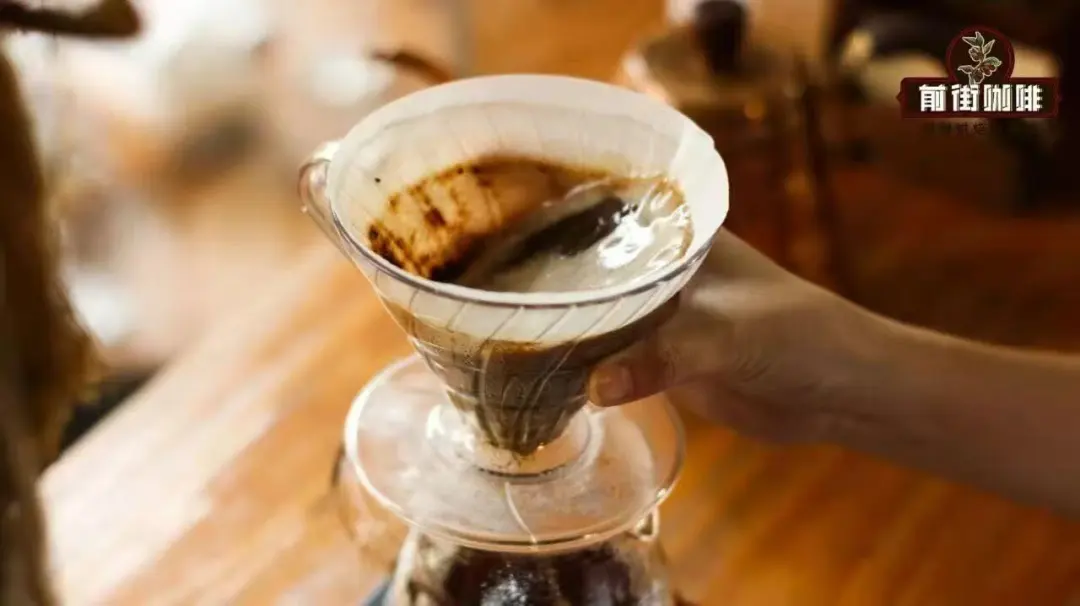
Although the extraction time is longer, this bean does not exhibit bitterness, off-flavors, or astringency caused by over-extraction. Instead, it showcases richer layers and a fuller mouthfeel. You can distinctly taste bright white floral notes, vibrant citrus acidity, a soft green tea-like tone, and a hint of elegant berry aroma—the overall flavor performance is quite outstanding. So, the next time you encounter slow water drainage, try tasting the final cup first, and decide whether to adjust your brewing strategy based on the actual flavor feedback.
The above content is compiled by CoffeeHunters, a coffee news website.


