







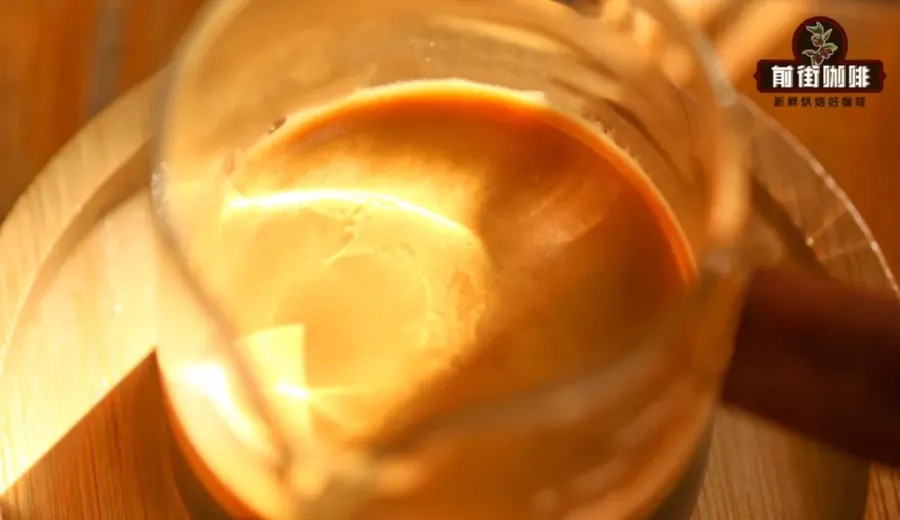
Introduction:The golden foam on the surface of espresso is often mistaken for oil, and is even directly associated with coffee quality and latte art performance. This article delves into the science behind crema, debunking common misconceptions such as "the thicker the foam, the better the quality" or "the thicker it is, the better for latte art." It also explains the relationship between bubble structure and extraction parameters, helping readers correctly identify the key layers of espresso.
The enticing golden foam on top of an espresso shot always sparks curiosity about its true nature. Many coffee enthusiasts and even industry professionals have mistakenly believed this “oil layer” to be fat from the coffee beans or a symbol of high quality. But in fact, this structure known as crema is fundamentally different from the oils we commonly know.
The essence of crema: A cluster of bubbles under high pressure
When an espresso machine extracts coffee at a high pressure of 9 bar, carbon dioxide released from roasted coffee beans combines with water-soluble lipids and proteins to form a large number of tiny bubbles. These bubbles stack tightly together, ultimately presenting a texture as fine as cream.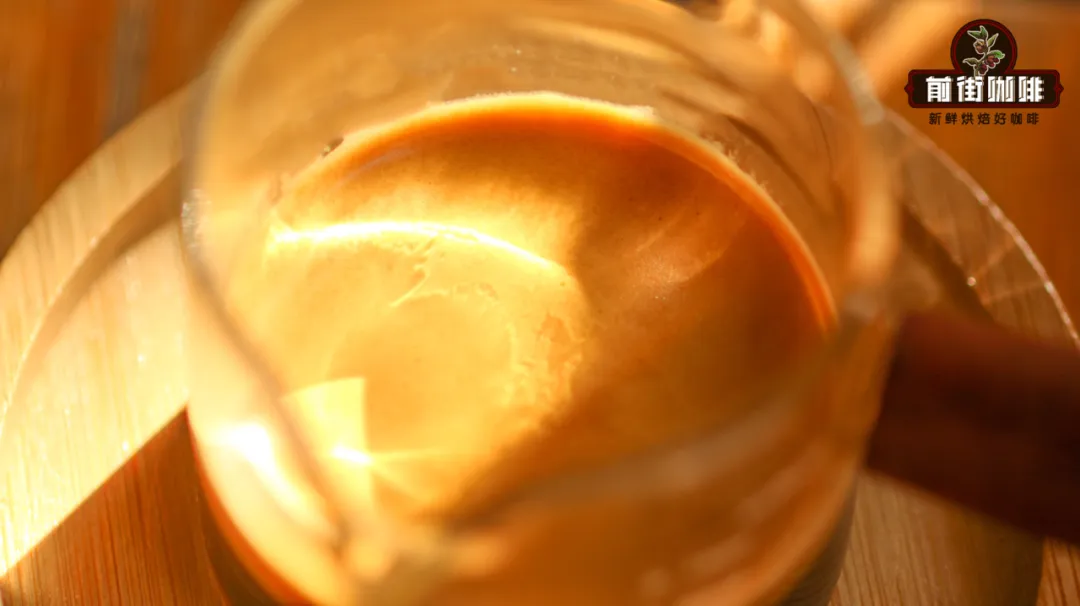
This layer composed of bubbles, referred to in Italian as “crema,” literally translates to “cream,” describing its silky appearance. However, it’s important to note that it does not come from the fatty components of the coffee beans themselves but is instead a physical phenomenon where gases are trapped.
Debunking three common misconceptions
Misconception 1: “Crema is coffee oil.” Although the name and appearance may easily lead to that association, laboratory analysis shows that its composition is over 90% carbon dioxide bubbles, containing only trace amounts of lipids and proteins.
Misconception 2: “The thicker the foam, the better the quality.” The richness of the foam is primarily influenced by three factors: roast freshness (the fresher the beans, the higher the carbon dioxide content), roast level (darker roasts release more gas), and bean fat content (low-fat beans are more likely to produce thick foam). These conditions are not directly related to the flavor quality of the coffee beans.
Misconception 3: “Thick foam is good for latte art.” In reality, latte art requires “stable fluidity”—the ideal foam layer thickness is recommended to be around 3–5 millimeters. Too thick will make milk integration difficult, while too thin will fail to support pattern formation.
Professional extraction parameter reference
To achieve ideal crema, it is recommended to control the following variables: grind size (medium-fine grind, approximately 75% passing through a #20 sieve), extraction pressure (9 ± 0.5 bar), coffee-to-water ratio (1:2 to 1:2.5), and extraction time (25–30 seconds). It is especially important to note that too much coffee grounds can cause channeling, which can actually damage the bubble structure.
Sensory evaluation of foam texture
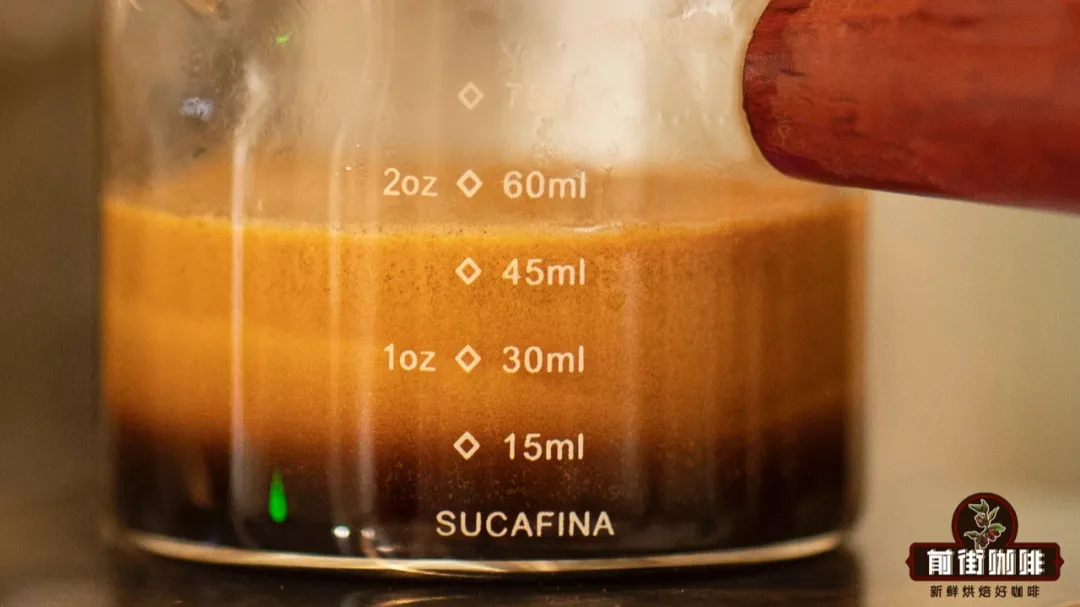
High-quality crema should have the following characteristics: color showing a gradient from hazelnut to amber, evenly sized bubbles without large voids, and an elastic response when touched lightly with a finger. If grayish-white foam appears or it dissipates quickly, it usually indicates that the coffee beans have oxidized or the extraction parameters are unbalanced.
For users aiming for latte art, it is recommended to use coffee beans aged 7–21 days post-roast, when carbon dioxide release is stable, allowing for the formation of a moderately thick and fine bubble layer.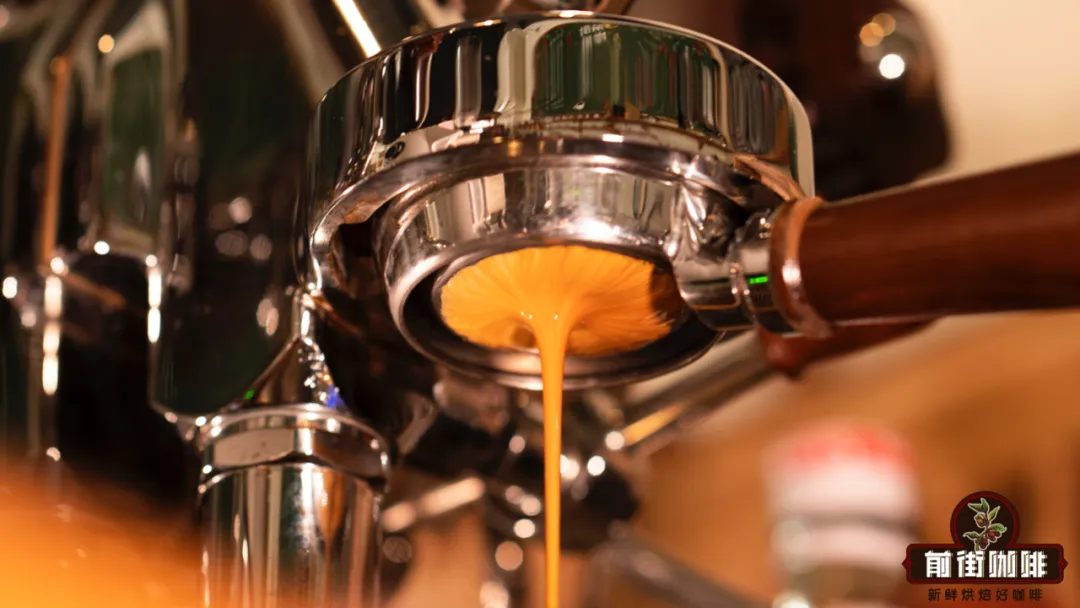
Special case explanations
Dark roast beans (such as Robusta blends) often produce thicker foam due to greater damage to their cell walls, but their intense flavors may mask delicate taste notes. Light roast crema is typically thinner and more dispersed, which is normal.
It’s worth noting that some specialty baristas deliberately adjust grind size and pressure to create “thin crema” in extremely light roasts, aiming to highlight fruity notes—this shows that crema thickness is not an absolute standard.
By understanding these principles, the next time you see the golden layer on top of your espresso, you’ll be able to more professionally assess its true value, rather than being misled by surface appearances.

The above content is compiled by CoffeeHunters, a coffee news website.


