







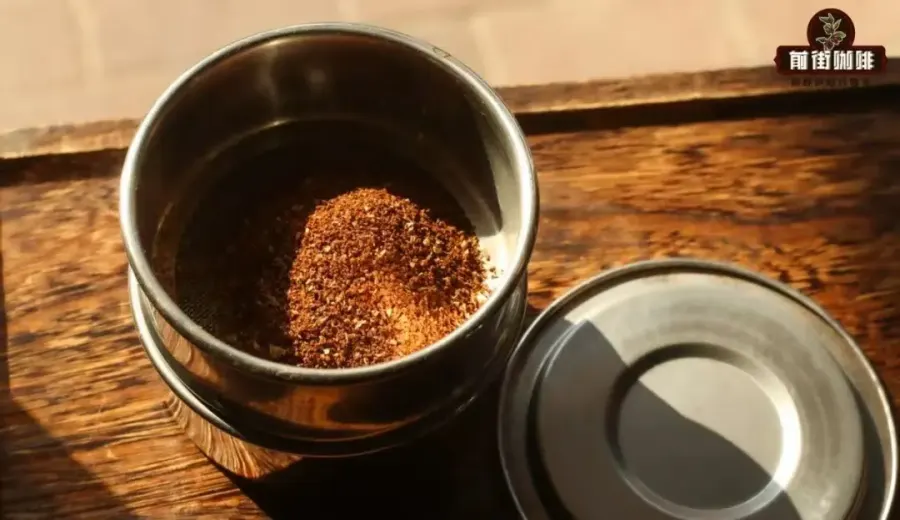
Introduction:Many pour over enthusiasts have noticed that even when using the same grind setting, the ratio of fine particles can vary significantly between different coffee beans. In fact, the key lies in the differences in bean density and friability. This article delves into these two core factors affecting grind quality, and provides practical sieve retention recommendations for the EK43 grinder with a #20 sieve when using both light-to-medium and medium-to-dark roasted beans. These insights will help you fine-tune your grind settings and stabilize your brewing performance.
In the world of pour over coffee, many enthusiasts encounter a common issue: even when using the same grinder and the same grind setting, why does the particle size differ when switching to a different coffee bean? Sometimes, when tested with a sieve, the sieve retention rate also shows noticeable variation. This is directly related to the bean’s inherent ‘density’ and ‘friability’.
Densityrefers to the amount of material within a given volume of coffee bean—in simple terms, how ‘solid’ the bean is. Andfriabilityis how easily the bean breaks apart, or in other words, how prone it is to fragmenting. These two characteristics directly influence whether the resulting coffee grounds tend to be coarser or finer.
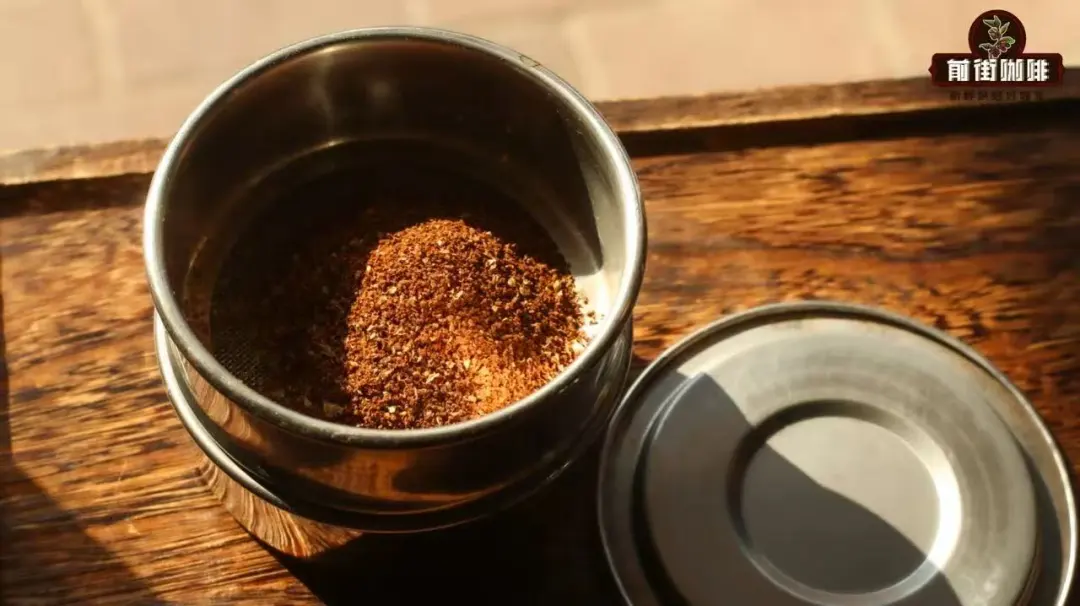
For example, when grinding two different beans at the same setting, if one bean has high density and low friability, you’ll find it’s harder to grind, resulting in fewer fine particles and an overall coarser texture. Conversely, if the bean has low density and high friability, it will produce more fine particles during grinding, making the overall grounds appear finer. This explains why the same grind setting can yield completely different ground results for different beans.
One coffee enthusiast using the EK43 grinder at setting 10 found that when grinding Bean A, the sieve retention rate with a #20 sieve was 75%–80%, but when switching to Bean B with the same setting, the retention rate increased to 78%–82%. This difference stems precisely from the varying physical properties of the beans.

Let’s use biscuits as an analogy. Some biscuits are very crisp and crumble easily, producing lots of crumbs, while others are denser and don’t break apart as readily. The same principle applies to coffee grinding. High-friability beans are like crisp biscuits—they break down easily, producing more fine particles during grinding. Low-friability beans are like tougher biscuits—they resist breaking into fine particles, resulting in an overall coarser grind.
So, what determines a coffee bean’s density and friability? It’s mainly influenced by three factors: growing altitude, processing method, and roast level. Generally speaking, beans grown at higher altitudes grow more slowly, have a tighter bean structure, relatively higher density, and more pronounced fruity acidity. In contrast, beans grown at lower altitudes, due to a more relaxed growing environment, usually have less compact cell walls and lower density.
In terms of processing methods, lightly fermented or naturally dried processes often preserve more of the bean’s original structure, resulting in higher density and hardness. Roast level is also crucial: light roasts, due to shorter roasting times, retain more of the bean’s original compounds, making them generally harder, denser, and less friable. Dark roasts, on the other hand, involve prolonged exposure to high temperatures, softening the internal bean structure and making it more fragile, which leads to higher friability and a greater tendency to produce fine particles during grinding.

With this background in mind, how should we adjust our grind settings in practice? Taking the commonly used EK43 grinder with a #20 sieve as an example, here are some practical suggestions tailored to beans with different characteristics:
Forlight-to-medium roasted beans, such as Yirgacheffe Guji Dingding, Ethiopian Huaka, or Gesha from El Graano—varieties known for their bright acidity and rich aromas—these beans typically have higher density and lower friability. To fully extract the flavor compounds from these beans, it’s recommended to set the grind toEK43 setting 10, where the #20 sieve retention rate is maintained at around75%–80%a certain range (exact % not provided), helping to increase the surface area of the particles, allowing hot water to better contact and extract the flavors.
Formedium-to-dark roasted beans, such as PWN Golden Mandheling, Brazil Queen Estate Yellow Bourbon, or Jamaican Blue Mountain No. 1—varieties known for their rich chocolate, nutty, and caramel flavors, with a full body and lower acidity—these beans have relatively lower density and higher friability, and are more prone to generating fine particles. To avoid over-extraction and excessive bitterness caused by too many fine particles, it’s advisable to widen the grind setting toEK43 setting 10.5–11, which will slightly increase the sieve retention rate, resulting in slightly coarser particles and helping to maintain even extraction.
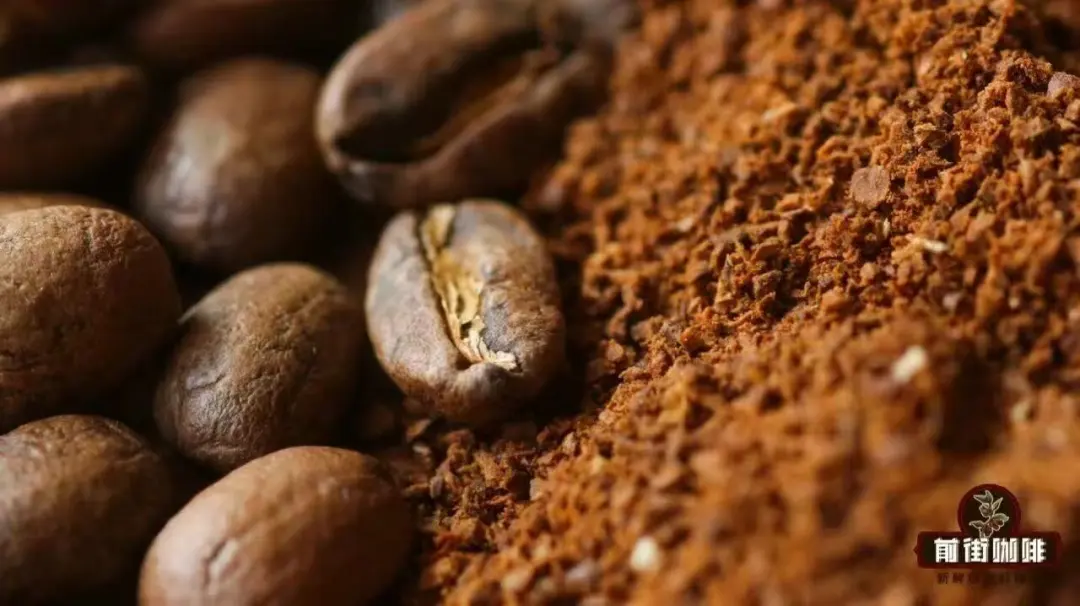
In summary, grinding coffee isn’t just about relying on a numerical grind setting—it’s about understanding the physical properties behind each bean. Beans with higher density require slightly finer grinds to improve extraction efficiency, whereas beans with higher friability should be ground slightly coarser to prevent excessive fine particles from affecting taste. Only by flexibly adjusting based on the actual characteristics of each bean can you consistently bring out the full flavor profile each coffee has to offer.
Next time you notice that the same grind setting produces coffee grounds of varying coarseness, consider that it might be the bean’s density and friability trying to tell you something. Adjusting your grind might just unlock deeper flavor potential hidden within that particular bean.

The above content is compiled by CoffeeHunters, a coffee news website.


