








Introduction:To brew a well-balanced Americano, the key lies in mastering the golden ratio of espresso to water, as well as selecting the right coffee beans and extraction parameters. This article delves into the characteristics of beans at different roast levels, practical extraction methods, and how to adjust the espresso-to-water ratio—helping you easily achieve your desired strength and mouthfeel, whether you're making a hot or iced Americano.
Making a satisfying Americano actually comes down to two core elements: the quality of the espresso extraction itself, and the ratio of espresso to water. These two factors directly influence the final flavor profile, so understanding how to choose the right coffee beans, set the correct extraction conditions, and control the dilution ratio are essential basics every coffee enthusiast should master.
As the name suggests, an Americano is made by mixing espresso with hot water. Therefore, to enhance the overall flavor, the top priority is to ensure the quality of the espresso extraction, followed by finding the right espresso-to-water ratio to achieve the best taste.

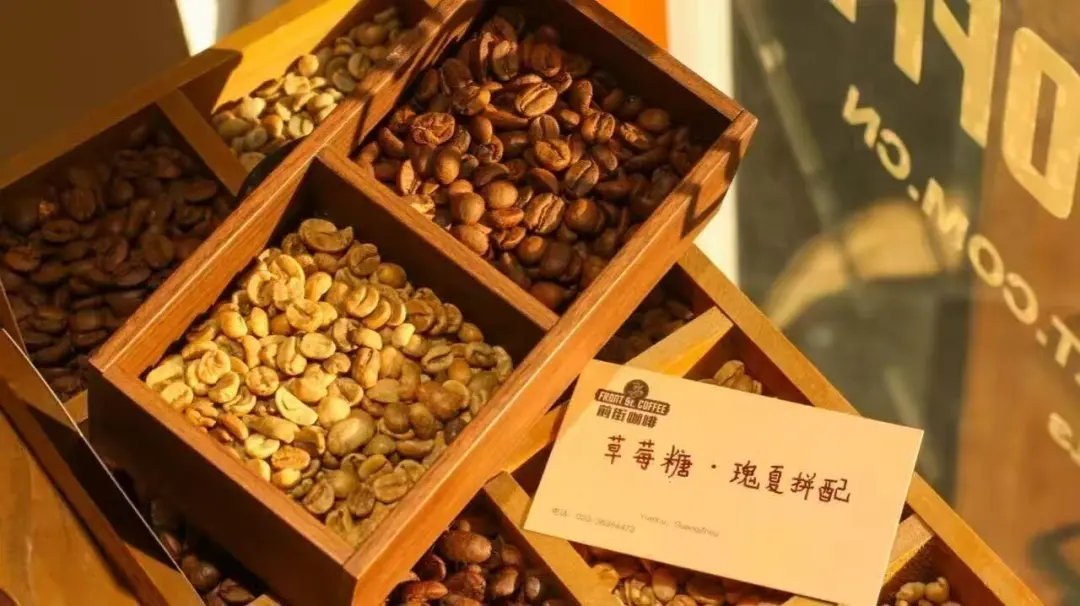
The flavor profile of espresso is mainly determined by two factors: the origin and roast level of the coffee beans, as well as the technical parameters during extraction. If you prefer a bright, vibrant acidity paired with floral and fruity notes, it’s recommended to choose beans from Africa or Central and South America, with a medium-light roast being ideal. Such beans typically have higher acidity and complex fruit characteristics, and a light roast preserves more of the origin flavors, making the Americano taste more lively and layered.
For example, if you choose a bean variety with distinct floral and fruity notes, the resulting Americano often exhibits aromas of apricot, berries, and citrus—perfect for those who enjoy a refreshing taste. If you haven’t decided on a specific bean type yet, you can start by trying medium-light roasted single-origin beans from Central and South America or Africa, as these often present vibrant and distinctive profiles.

On the other hand, if you lean toward a rich, bold, low-acid or almost acid-free flavor, then medium-dark or dark roasted espresso blends are a more suitable choice. Dark roasting significantly reduces acidity while enhancing caramel, chocolate, and nutty roast aromas, giving the coffee a fuller body and smoother mouthfeel—ideal for making classic Americanos.
Common dark roasted blends are often based on beans from regions such as Brazil, Indonesia, or Yunnan. These blends are usually cost-effective and consistent, making them great for everyday drinking. For instance, some dark roast blends produce Americanos with pronounced notes of chocolate, cream, and nuts, offering a rounded and layered taste.
In terms of extraction parameters, there are generally two strategies: aiming for full extraction to bring out richer flavors and aftertaste, or using shorter extraction times and lower coffee-to-water ratios to reduce bitterness. If your goal is full extraction, a common parameter setup is a 1:2 coffee-to-water ratio, with an extraction time of around 30 seconds. This allows for sufficient dissolution of soluble substances in the coffee, resulting in a full-bodied taste and long-lasting finish.
Conversely, if you want to reduce bitterness and highlight clean acidity and sweetness, you can adjust the coffee-to-water ratio to 1:1.5 to 1:1.8, while still maintaining a 30-second extraction time. While this approach may sacrifice some depth of flavor, it effectively controls overall bitterness, making it suitable for users who prefer a lighter taste.
When it comes to the espresso-to-water ratio, this is the key to adjusting the strength of an Americano. It’s important to note that the added water is only for dilution and does not participate in the extraction process, so it mainly affects the final concentration and flavor expression. It’s generally recommended to fine-tune the amount of water according to personal taste preferences.
If you refer to common standard ratios, 1:4 is a relatively balanced choice. Taking 40 ml of espresso as an example, adding 160 ml of hot water produces an Americano with moderate concentration and clear flavors—showcasing underlying caramel, nut, and chocolate notes without being too strong or weak. This ratio suits most people’s palates and is the starting point recommended by many baristas.
To make an iced Americano, simply add about 100 grams of ice cubes to the base hot Americano. This allows you to enjoy a cool, refreshing taste without excessive dilution, while preserving the full flavor. This method is widely popular, especially among summer drinkers or those who prefer cold beverages.
Beyond the basic coffee-to-water ratio and bean selection, if you want to further enhance the purity of the taste, you can try placing two filter papers at the bottom of the portafilter basket. This effectively filters out fine particles, reducing impurities and over-extracted flavors, resulting in a smoother mouthfeel and lower overall bitterness. However, note that adding filter paper will alter water flow speed and extraction time, so it’s advised to consider this during the grind adjustment phase to avoid instability in extraction due to mid-process grind changes.
In summary, making an ideal Americano requires comprehensive adjustments and coordination—from bean selection and extraction parameters to the espresso-to-water ratio. As long as you master these basic principles, you can tailor your Americano to your personal preferences—whether you enjoy bright, sweet, and acidic flavors or rich, low-acid ones.

The above content is compiled by CoffeeHunters, a coffee news website.


