








Introduction:Did you know that besides variety, coffee beans can also be classified as flat beans, peaberry, hard beans, or soft beans? These classifications go beyond mere appearance and are closely related to growing altitude, bean density, and flavor. This article will delve into the hardness grading system commonly used in Central America, teaching you how to assess bean hardness by touch, and providing practical brewing and roasting suggestions. With specific pour over parameters, it helps you adjust your brewing strategy according to the beans’ characteristics to enhance flavor expression.
Coffee bean classification is diverse, far exceeding the common understanding of variety differentiation. In addition to the well-known Arabica and Robusta, there are also classifications based on appearance—flat beans and peaberry—as well as hardness and softness determined by growing altitude. Among these, the term “hard bean” often puzzles beginners. What does it actually mean? In fact, hard beans refer to coffee beans with higher density, usually sourced from high-altitude regions, and are closely tied to their flavor potential and suitable brewing methods.

The term “hard bean” originates from the grading system used in Central American coffee-growing regions, where planting altitude serves as the primary criterion. The higher the altitude, the harsher the climate conditions, causing coffee cherries to mature more slowly, which helps accumulate richer flavor compounds and sugars. At the same time, due to significant day-night temperature variations, the beans become denser with a tighter structure—this is why coffee grown at high altitudes is categorized as “hard beans” or “strictly hard beans.”

In practice, we can use a simple touch test to judge coffee bean hardness. Hold the beans in your hand and gently press or pinch them to feel their firmness; those with stronger teeth can even take a light bite to compare density differences between beans. It’s important to note that this test is mainly for selecting appropriate roasting and brewing approaches, not for judging quality. High-density beans typically indicate richer potential flavor, but they also require more precise processing to bring out their characteristics.
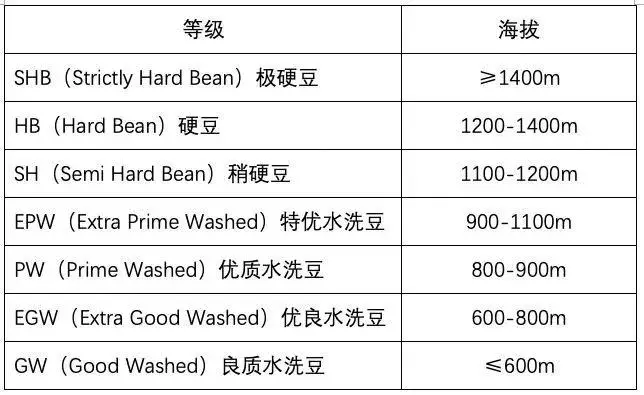
For brewing, bean hardness directly affects grinding and extraction efficiency. Generally speaking, high-hardness, low-roast coffee beans, due to their tight structure, require higher extraction efficiency and appropriate water temperature to fully express their flavors; whereas low-hardness, high-roast beans release substances more easily, so a lower extraction intensity is advisable to avoid over-extraction. Mastering this principle can help you adjust your brewing strategy based on the beans in hand to achieve optimal flavor.

For example, a coffee bean from a high-altitude region with a medium-light roast, such as certain offerings from the Yirgacheffe region, usually has relatively high hardness. When brewing this type of bean, it is recommended to use slightly higher water temperature and finer grind size to fully extract its delicate floral, citrus, and berry notes. In practice, you can use 15 grams of coffee, a 1:15 brew ratio, a grind passing rate of about 75%–80% through a #20 sieve, with water temperature around 92°C, and extraction time controlled to about 2 minutes. This helps present a light yet layered mouthfeel.
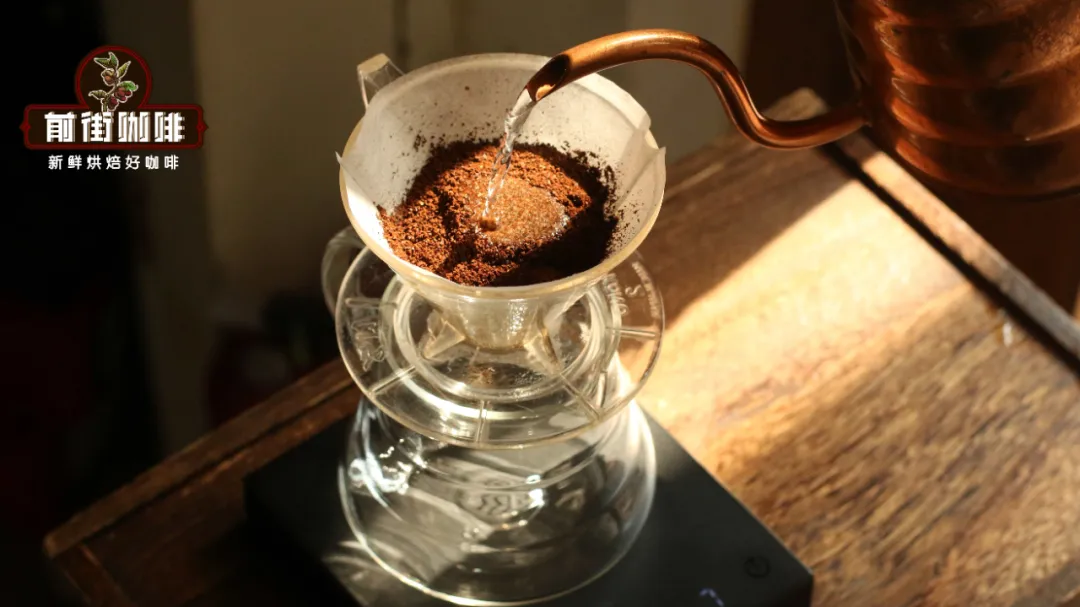
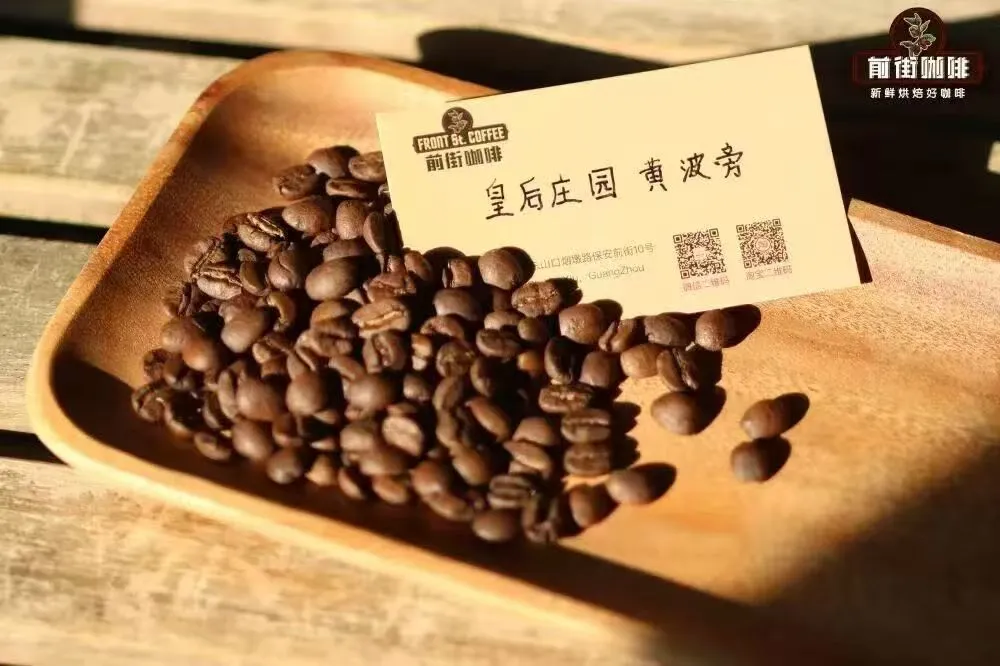
In contrast, for darker roasted coffee beans, such as deeply roasted Brazilian Yellow Bourbon, the beans expand during roasting, resulting in relatively lower density and a more brittle texture, making them easier to grind. These beans often exhibit rich flavors of nuts, chocolate, and caramel, and are best brewed with slightly lower water temperature and coarser grind size to avoid over-extraction. Recommended parameters include: 15 grams of coffee, a 1:15 brew ratio, a grind passing rate of about 70%–75% through a #20 sieve, water temperature around 88°C, and a 2-minute extraction. This yields a full-bodied and balanced cup, with muted acidity and a lingering caramel and creamy aroma.
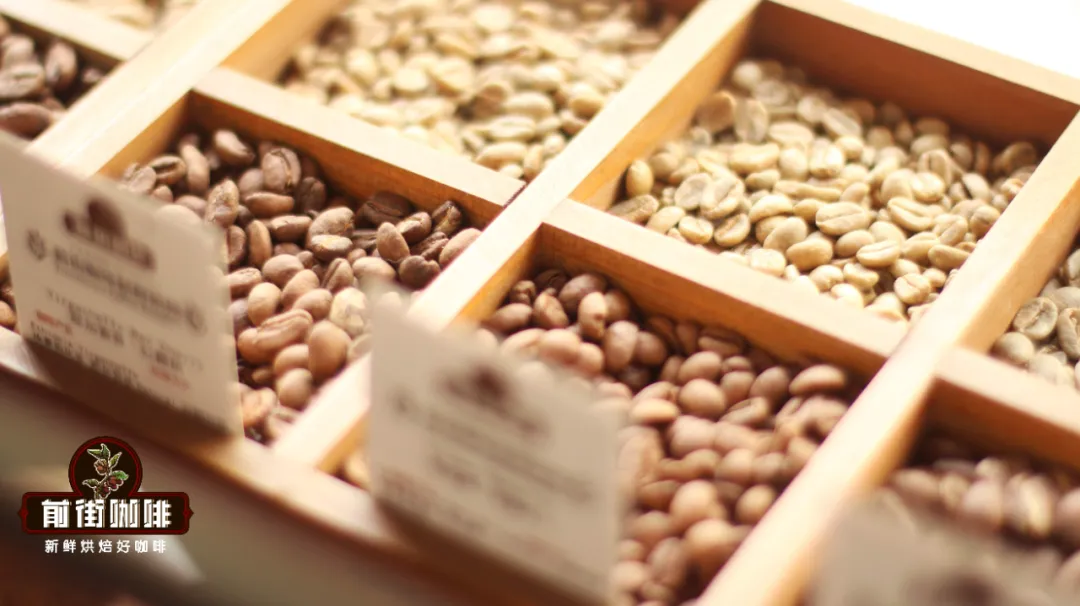
Beyond hardness and roast level, the physical shape of coffee beans is also commonly used as a classification criterion, such as flat beans (Flat Bean) and peaberry (Peaberry). Flat beans are the common form, with each coffee cherry typically containing two flat beans. Peaberry, on the other hand, occurs when a single round bean develops inside the fruit. Due to its rarity and unique growing conditions, peaberry is often considered to have a more concentrated and distinctive flavor profile.

Overall, understanding coffee bean classifications and characteristics can help you make more informed decisions when selecting and brewing coffee. Whether you’re a beginner pour over enthusiast or an experienced coffee aficionado, mastering this basic knowledge will give you more confidence when facing beans from different regions and processed in different ways. You’ll be able to adjust grind size, water temperature, brew ratio, and extraction time accordingly, further unlocking the unique potential of each bean.
Next time you pick up a bag of coffee beans, take a moment to observe its appearance, ask about its growing altitude and roast level, and then adjust your brewing strategy based on that information. The world of coffee is rich and nuanced, and every small detail can influence the final flavor. Understanding these classifications and parameters is your first step toward exploring delicious coffee.
The above content is compiled by CoffeeHunters, a coffee news website.


