







Introduction:Indonesian Sumatra Mandheling coffee is renowned for its unique woody and spicy flavor profile, yet the many versions of "Golden Mandheling" on the market vary greatly in quality. This article delves into the standards set by PWN, the company that established the Golden Mandheling criteria, covering everything from green bean selection processes and screen size requirements to anti-counterfeiting certification mechanisms, helping you identify truly high-quality Golden Mandheling. It also explores how this classic bean performs under medium-dark roasting, showcasing flavors of chocolate, caramel, and nuts, to help you find a trustworthy choice.
Mandheling coffee, as a representative Arabica variety from Sumatra, Indonesia, has long been loved by coffee enthusiasts for its woody notes and spicy aroma. However, the market is flooded with "Golden Mandheling" products of inconsistent quality. What exactly qualifies as genuine Golden Mandheling? This article will start with the origins of Mandheling, analyzing how PWN established and defined the stringent standards for Golden Mandheling, and comparing the key differences between regular G1 Mandheling and Golden Mandheling in terms of green bean selection, screen size, and processing procedures.
Many consumers often encounter various "Golden Mandheling" offerings touting different selling points—such as emphasis on 20 or 21 screen sizes, raw bean color, or multiple rounds of manual sorting. But how many of these labels truly meet the principles set by PWN? In fact, only Golden Mandheling produced by PWN can be considered authentic. The difference lies not just in the name, but in a rigorous quality control process.
PWN, short for Pwani Coffee Company, is an Indonesian green bean exporter founded in 1957 by a family of Chinese descent from Quanzhou, Fujian. This company was not only one of the first to introduce Sumatra Mandheling coffee to the international market, but also helped establish the market presence of the name "Mandheling." At the time, an Indonesian green bean exporter shipped Sumatran Arabica coffee to Japan under the name "Mandheling," which unexpectedly gained high praise for its distinctive woody and spicy flavors, leading to Sumatran coffee being commonly sold under the "Mandheling" name ever since.

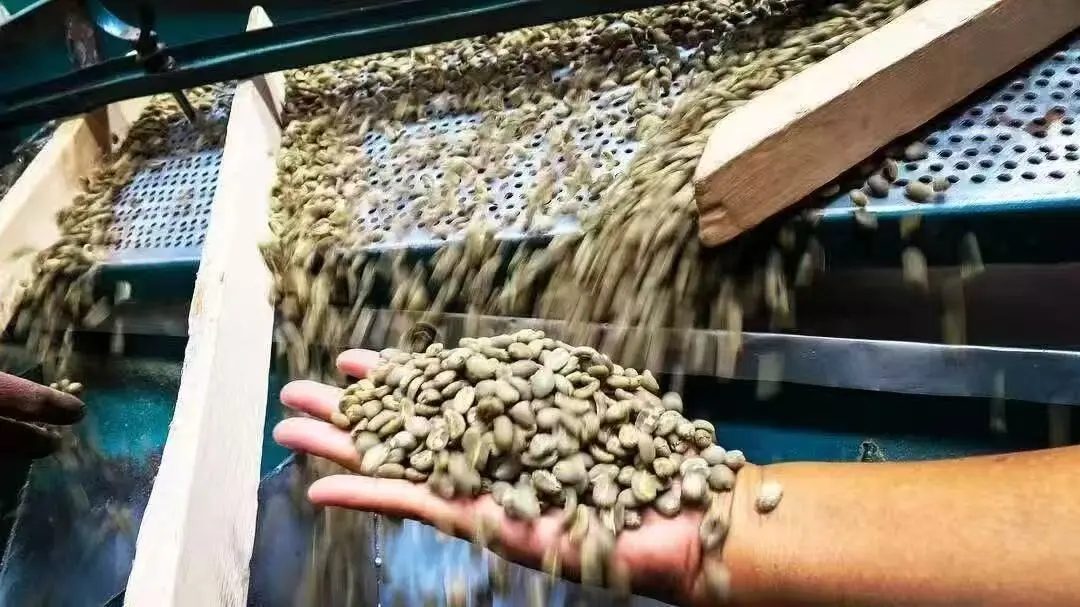
After Mandheling gained fame, many exporters followed suit, and the market gradually became chaotic. To stand out, PWN decided to adopt higher standards and offer a more refined version—the later-known "Golden Mandheling." The standard for regular G1 Mandheling is: no more than 3 defective beans per 300 beans, a screen size of 18 or above, and three rounds of manual hand-picking. PWN’s standards go even further: the screen size must reach 19, and in addition to three rounds of manual selection, there is an extra machine sorting process that uses equipment to test bean density and color, effectively removing defective beans that are hard to detect with the naked eye.
These strictly selected beans are not only larger in size and more uniform in color, but also more consistently high in overall quality. To highlight their exceptional quality, PWN named this upgraded version of Mandheling "Golden Mandheling," symbolizing its preciousness and excellence like gold.
As the reputation of Golden Mandheling grew, many imitations began to appear on the market, with all kinds of "Yellow Mandheling" variants emerging. To uphold the brand's and product’s authenticity, PWN took decisive action by registering "Golden Mandheling" as an exclusive trademark, significantly reducing the likelihood of counterfeits. This means that only products officially produced by PWN with proper certification can be called genuine Golden Mandheling.
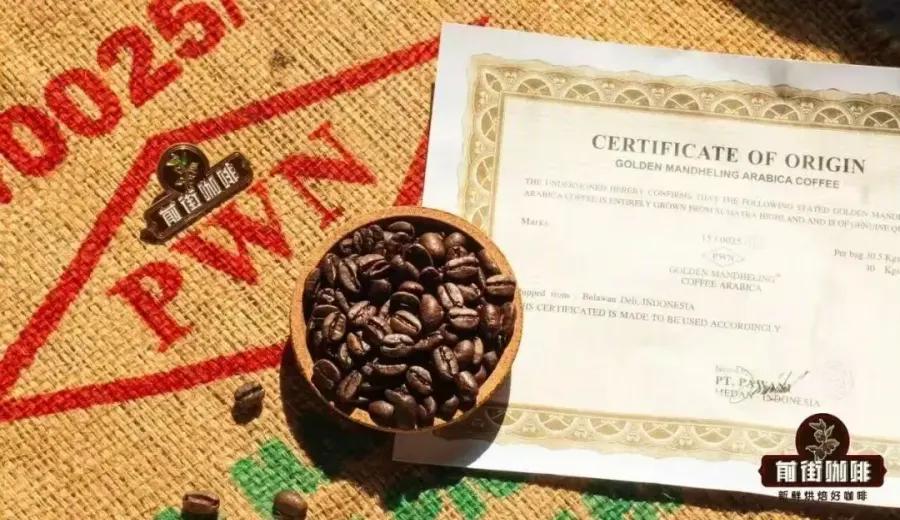
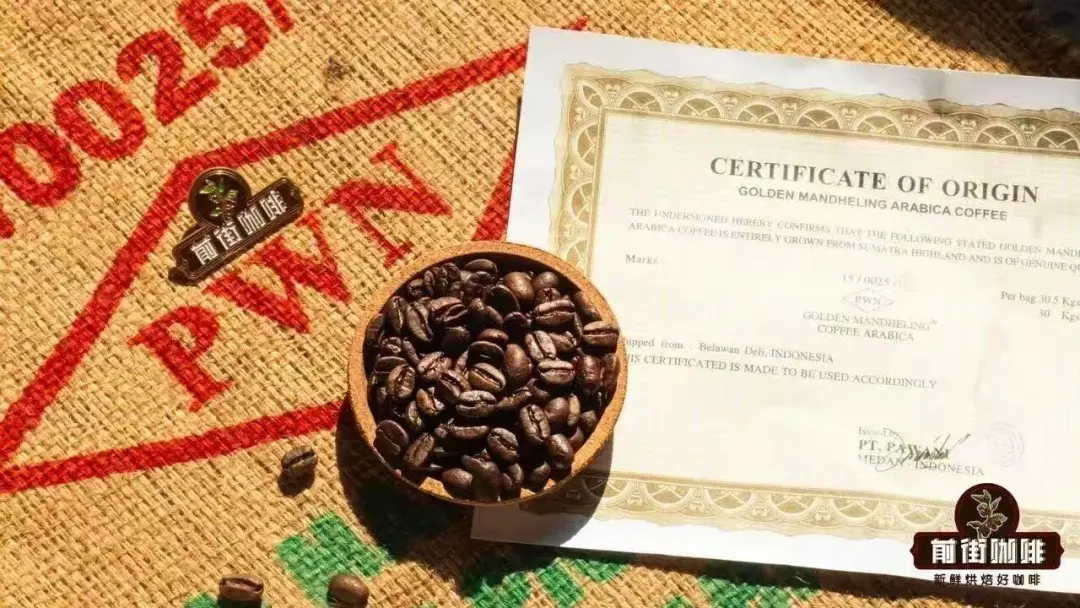
Even so, some merchants still try to ride the trend. To further prevent fake products, PWN has established a dual anti-counterfeiting mechanism: when purchasing PWN Golden Mandheling green beans, in addition to the gunny sack packaging with the PWN logo, the inner bag also includes an official certification document clearly indicating the origin and authenticity information. This certificate is an important basis for identifying genuine products, and customers are advised to ensure it is included upon purchase.
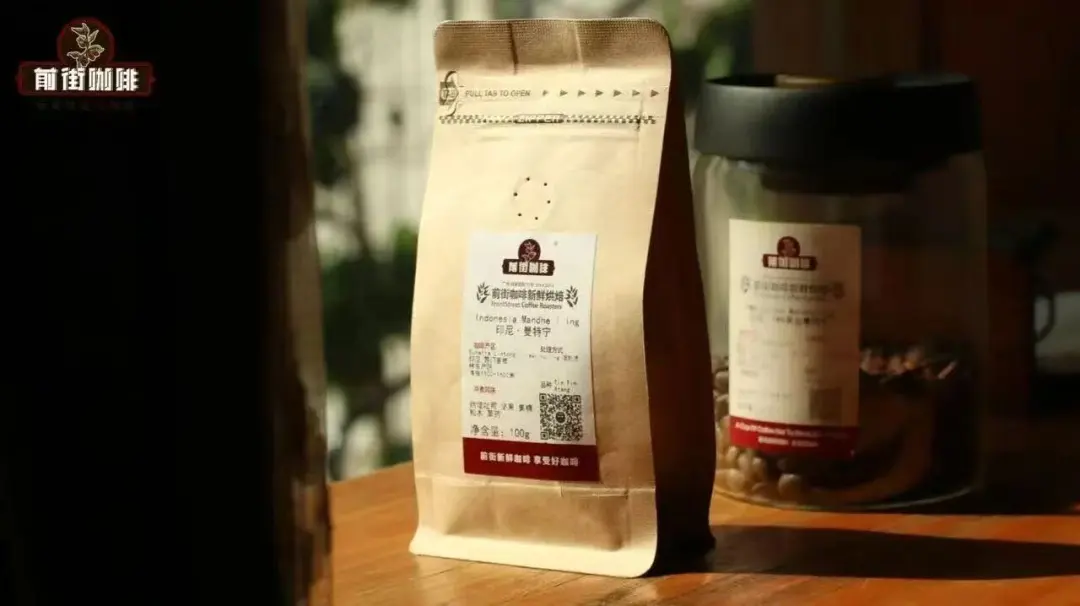
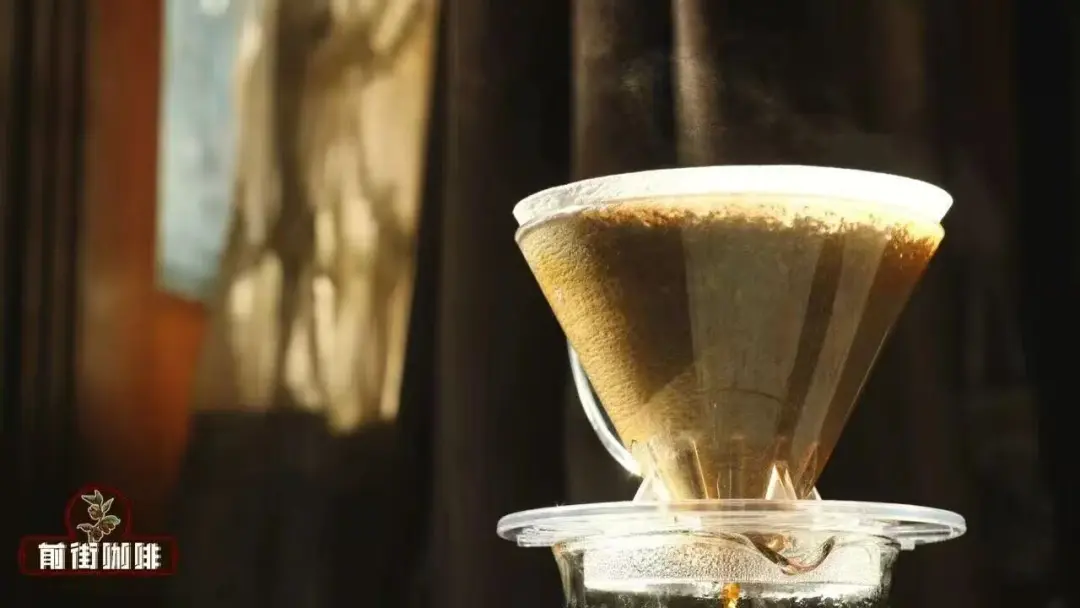
In terms of roasting applications, many professional roasters opt for medium-dark roasts to fully showcase the potential of Golden Mandheling. This roast level effectively highlights complex flavors of chocolate, caramel, spices, pine, and nuts, with very low acidity, a clean and rich mouthfeel, and a long-lasting aftertaste with pronounced sweetness. This flavor profile makes PWN Golden Mandheling a classic medium-dark roast choice beloved by many coffee enthusiasts.
In summary, if you want to experience truly high-quality Indonesian Sumatra Mandheling, understanding the standards and certification mechanisms of PWN Golden Mandheling will help you avoid the many imitations on the market and find an authentic option that offers both flavor and quality.
The above content is compiled by CoffeeHunters, a coffee news website.


