








Introduction:Crafting the perfect latte hinges on the precise pairing of coffee beans and milk. This article delves into how different types of milk influence the flavor profile of a latte—from skim milk, room-temperature milk to fresh milk—exploring their varying performances when combined with espresso. Additionally, based on the roast level and flavor profile of your coffee beans, we offer practical milk selection tips to help you find the ideal match for your beans, thereby elevating the overall taste complexity.
Brewing a satisfying latte at home hinges on selecting the right combination of coffee beans and milk. Many coffee enthusiasts often overlook the impact of milk type on the final flavor when making coffee at home. In reality, from skim milk, room-temperature milk to fresh milk, each type reacts differently in espresso, and choosing the appropriate milk can significantly enhance the smoothness and overall performance of your latte.

So, which type of milk is best suited for making lattes? The market offers a wide variety of milk options, including skim milk, fresh milk, room-temperature milk, and ultra-high-temperature processed milk. If your goal is to create beautiful latte art, it’s recommended to choose milk with a higher fat content, as sufficient milk fat helps form fine and stable microfoam. On the other hand, skim milk, which contains almost no fat, is not easy to froth into a dense foam and is generally not recommended for lattes that require latte art.
If you’re making coffee drinks like Dirty or iced lattes that don’t require foam, your milk choices become much more flexible, allowing you to select based on personal taste.
When considering both overall flavor and texture performance, fresh milk is often the top choice for latte coffee. This type of milk is pasteurized using the pasteurization method, which effectively preserves the natural flavors and nutrients in the milk. Compared to room-temperature milk (i.e., UHT ultra-high-temperature sterilized milk), it has a smoother taste and a more pronounced milk aroma. The only caveat is that due to its lower sterilization temperature, fresh milk has a shorter shelf life and typically needs to be refrigerated and consumed promptly.
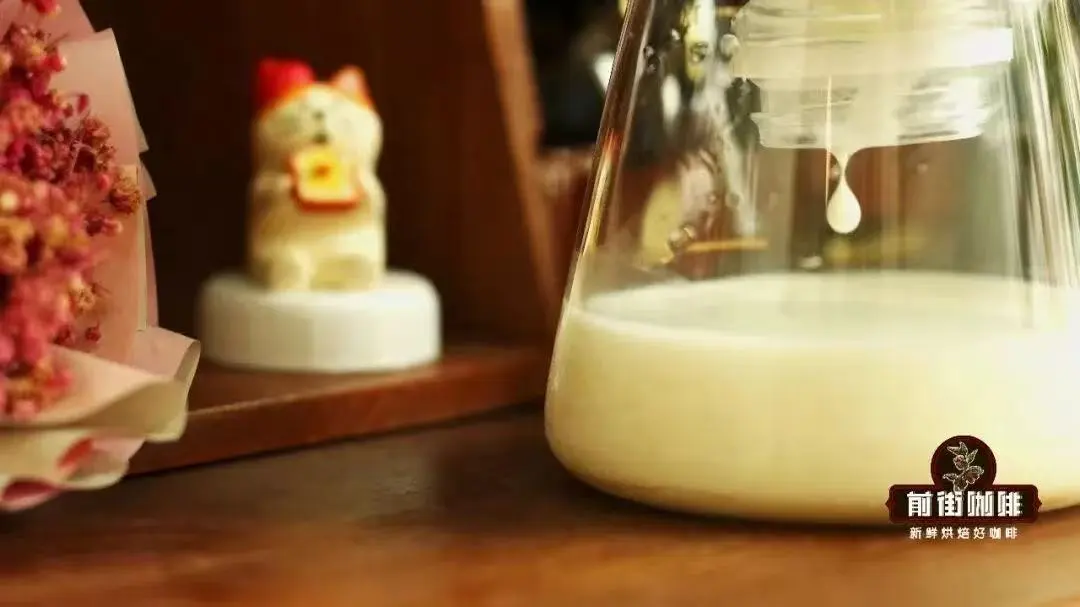
However, as long as it can be consumed within its shelf life, fresh milk is indeed an ideal choice for elevating the flavor layers of a latte. Especially in a home brewing setting, if you have access to refrigeration, it’s recommended to prioritize using fresh milk for milk-based coffee.
That said, there are many brands and types of fresh milk, and fresh milk from different regions may vary slightly in flavor expression. Faced with a wide array of choices, many online reviews can offer references, but it’s advised not to rely entirely on these results when selecting milk. Most reviews are based on specific coffee beans, and the pairing effect between different beans and milk can actually vary greatly—the popular milk online might not necessarily suit the coffee beans you have.
Take common espresso blends as an example: some coffee shops frequently use medium-to-dark roasted blends, such as combinations of Indonesian, Brazilian, and Vietnamese beans. These beans often exhibit rich chocolate, caramel, and nutty notes, with a full-bodied and robust mouthfeel. For this type of coffee flavor, it’s advisable to pair with a relatively refreshing fresh milk that doesn’t have an overly strong milky aroma, preventing the overall latte from becoming too heavy while maintaining a smooth texture and balance amid the richness.

Conversely, if you’re using a medium-to-light roasted blend, such as combinations from Ethiopia, Colombia, and Costa Rica, these coffees often showcase bright fruit-forward notes like strawberry, butter cookie, and berries, with a more vibrant and layered flavor profile. Continuing to use the aforementioned lighter-style fresh milk in this case might make the overall latte seem somewhat thin. Therefore, it’s recommended to switch to a fresher milk with a richer flavor and more substantial body to complement the coffee’s inherent fruitiness and sweetness, thereby enriching the texture and depth of the latte.
In summary, the exceptional flavor of a latte comes from the subtle balance between coffee beans and milk. When selecting milk, it’s recommended to first deeply understand the roast level, regional flavor characteristics, and post-extraction taste profile of the coffee beans you’re using, then adjust the type of milk according to personal preference. Through continuous experimentation and pairing, you’ll be able to find the latte combination that best matches your flavor profile and enjoy your own unique coffee moment.

The above content is compiled by CoffeeHunters, a coffee news website.


