







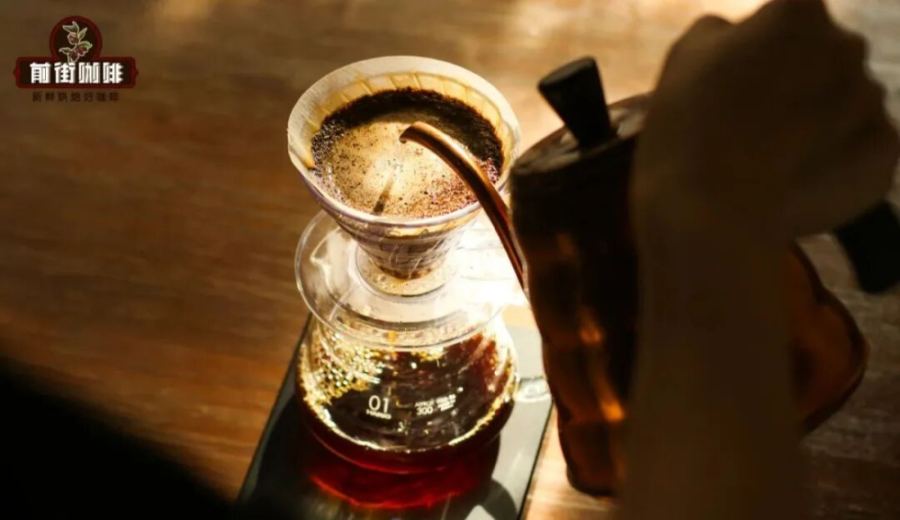
Introduction:Have you noticed that under the same pour over settings, some coffees drain quickly while others leave water pooling for a long time? This actually relates closely to the roast level, processing method, and growing altitude of the coffee. This article delves into how these three key factors affect flow rate, and provides practical grind and technique adjustments tailored for anaerobic fermentation, dark roast, and high-altitude light roast beans—helping you master each bean’s ideal extraction rhythm.
When brewing pour over coffee, even with identical parameters, flow rates can vary drastically between beans. Some brew in just over a minute, while others stagnate with persistent pooling, baffling many beginners. This isn’t random—it’s inseparably tied to the roast depth, processing method, and growing altitude of the beans. Understanding these factors enables you to scientifically adjust your brewing strategy for optimal extraction.
Many pour over enthusiasts are familiar with the "2-minute" reference extraction time, an empirical benchmark derived from extensive practice that serves as a key indicator of whether the flow rate is appropriate. If your brew time significantly deviates from this value, adjustments based on the beans’ characteristics are likely needed.
First and foremost, the roast level is the primary factor influencing flow rate. Generally speaking,the lighter the roast, the higher the coffee bean density, resulting in a more compact puckthat resists water penetration, often leading to slow drainage or pooling. Additionally, light roast beans, being more brittle, tend to produce more fines during grinding—these tiny particles further clog the filter holes, hindering water flow. As a result, light roasts frequently experience “stagnant water after blooming.”
Conversely,medium to dark roasted beans, due to prolonged heat exposure, undergo internal structural expansion and reduced density, creating a looser puck that allows water to pass through more smoothly, typically resulting in more stable and manageable extraction times. This is why many baristas opt for slightly coarser grind sizes and faster pouring rhythms when working with dark roasts.
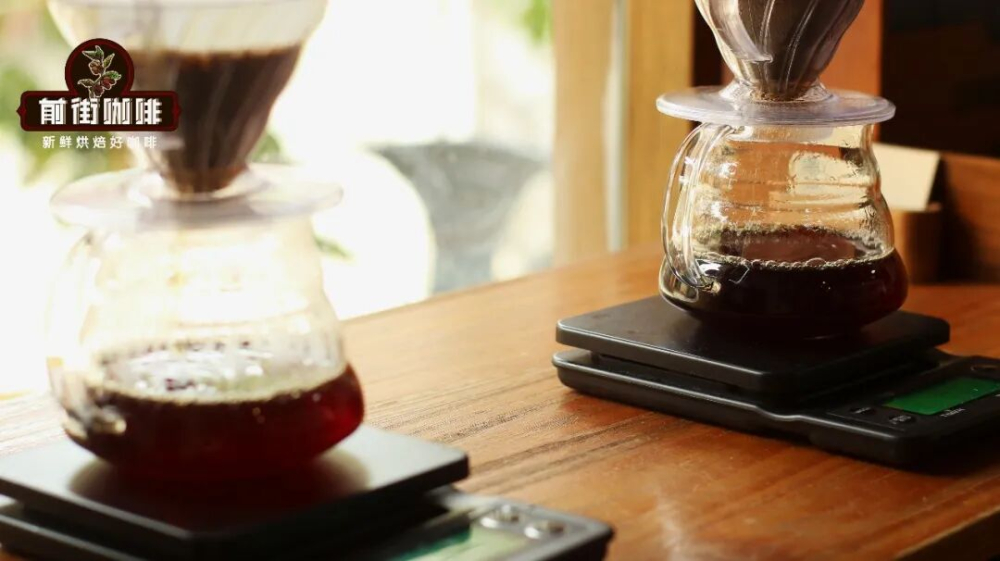
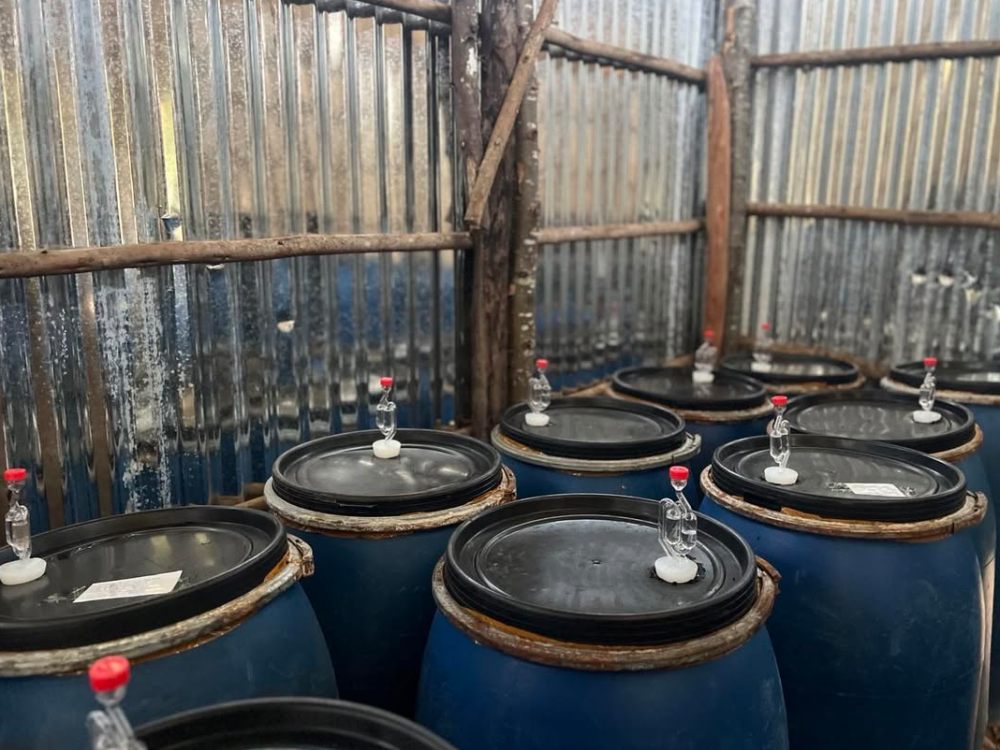
The second key factor is the coffee bean’s processing method. Traditional methods like washed, natural, and honey processing generally preserve the beans’ inherent density and structure. However, non-traditional approaches such as anaerobic fermentation significantly alter bean characteristics. Anaerobic processing involves controlled fermentation in sealed environments with regulated temperatures, extending the breakdown of pulp and mucilage—yielding more intense fruit aromas and wine-like flavors.
This process also renders the coffee beans’ cell walls more porous,resulting in smoother texture during grinding and easier water penetration through the grounds. For instance, a café’s Geisha coffee, processed with double anaerobic natural methods, though medium-light roasted, often flows faster than typical natural or washed beans; without proper adjustments, it risks under-extraction.
For anaerobic beans, if the flow is too fast and aromas lack depth, try grinding about 0.5 notch finer (or 1–2 notches finer for hand grinders) and use a gentler pour to avoid unnecessarily raising the puck. This effectively extends extraction time, enhancing flavor richness and complexity.
As for dark roast beans, total extraction times under 1 minute 40 seconds often lead to thin body and lack of a rich finish. Given their high caramelized compound content, distribute the total water in multiple pours—after blooming, slowly circle with a small stream. Those with suitable setups might opt for slower-flow filter cones like KONO, cupcake-style, or Kalita to prolong contact time between grounds and water. If over-extraction is a concern, slightly lowering the brew temperature by 1–2°C can help fine-tune.
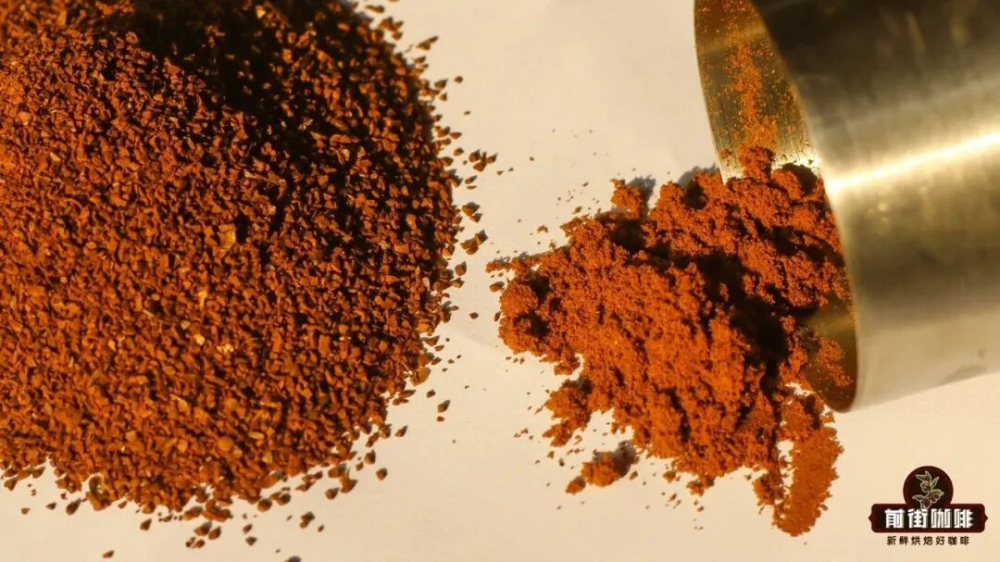
Lastly, growing altitude is another major variable affecting flow rate. Generally, the higher the altitude, the lower the temperature, slowing fruit ripening—this not only aids in accumulating more aromatic compounds but also results in harder beans. For example, beans from Ethiopia above 2000m altitude, such as a café’s Gu Ding Ding (2100m), Gesha Village Red Label (2069m), and Hua Kui (2350m)—these medium-light roasts, often due to their high hardness, exhibit slow flow rates; without appropriate adjustments, they risk over-extraction, causing flavor muddiness.
To address slow flow in high-altitude light roasts, two main solutions exist: one, adjust grind size by making it 3–4 notches coarser to reduce fines proportion and puck-water contact area, accelerating flow; two, modify pouring technique—for example, gradually expand the circular pour range after blooming, building the puck to about 4/5 of the cone height, letting larger particles guide initial flow before adding subsequent water. This reduces clogging risks and improves overall extraction evenness.
If the above methods still fail to resolve pooling issues, try lowering the brew temperature. For instance, a café found that brewing Gesha Village Gold Label with a fine grind led to prolonged extraction and over-extraction; reducing the temperature to 86°C not only avoided negative flavors but highlighted brighter citrus notes and a black tea-like base. This reminds us: pour over coffee has no absolute formula—the key lies in flexibly adjusting grind size, technique, and temperature based on the beans’ unique traits.
The above content is compiled by CoffeeHunters, a coffee news website.


