







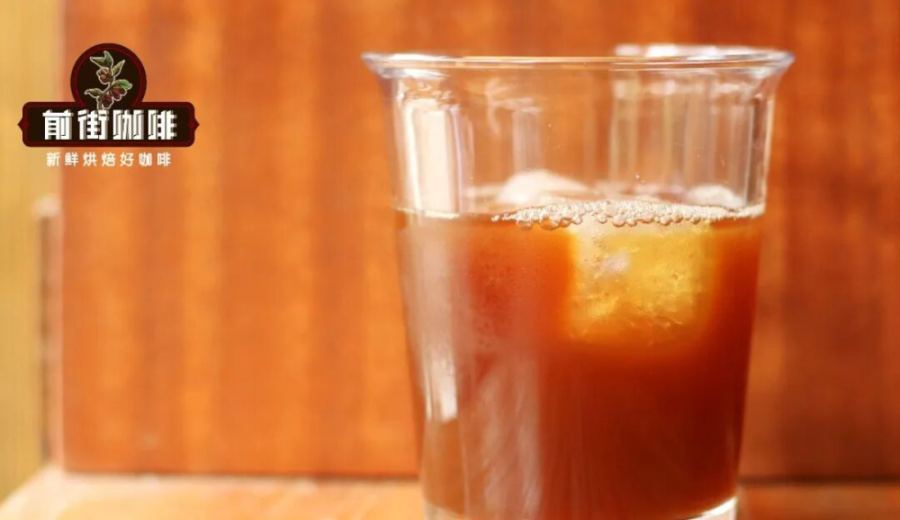
Introduction:Don’t want to spend money on a cold brew maker but still hope to easily make a refreshing cup of cold brew at home? An ordinary plastic water bottle can do the trick. This article explains in detail how to use a regular water bottle to make cold brew coffee—from the ideal coffee-to-water ratio, grind size, and steeping time, to recommended bean varieties and practical tips to enhance flavor. We’ll guide you step-by-step through the key parameters. We’ll even demonstrate the full process using a 300ml water bottle with an actual coffee bean selection, so even beginners can quickly get the hang of it and enjoy a high-value summer iced black coffee.
On a hot summer day, what kind of coffee is the most refreshing? The answer is undoubtedly cold brew. But many people assume that making cold brew requires buying specialized equipment—this isn’t necessarily the case. A readily available plastic water bottle can also become your cold brew tool, saving you money and hassle.
Using a plastic water bottle for cold brew isn’t just a makeshift solution. Compared to cold brew makers that can cost anywhere from tens to hundreds of yuan, a water bottle is extremely low-cost—just a few yuan—and reusable. Moreover, while commercial cold brew makers may be convenient to use, if you only make cold brew occasionally, a water bottle can still deliver clean, refreshing coffee flavors. It’s especially suitable for those on a budget or trying cold brew for the first time.
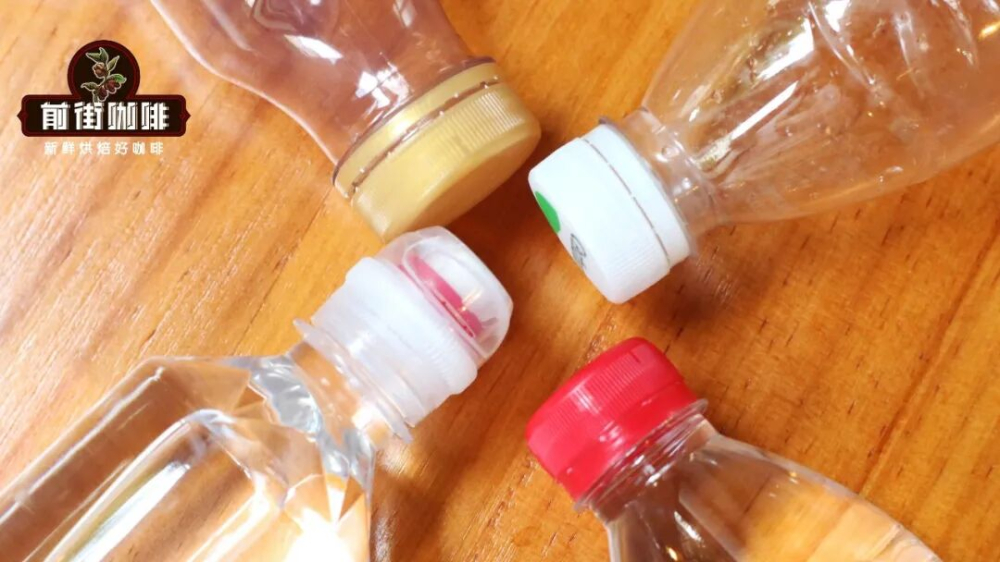
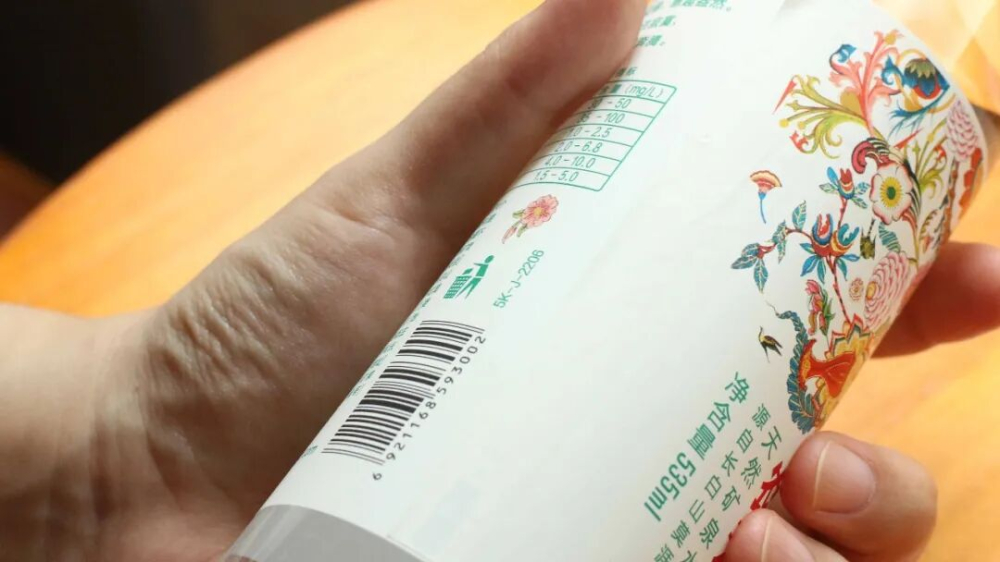
However, to successfully make a delicious cup of cold brew with a plastic water bottle, there are still some key details to pay attention to. First, it’s recommended to use a bottle that originally held mineral water or purified water, and avoid using containers that previously held juice or milk unless you can thoroughly clean them. Warm water is definitely a no-go, as it may cause the bottle to deform or even release harmful substances when heated.
In terms of capacity planning, common small bottled waters range between 300 to 550 milliliters, but remember to leave space for the coffee grounds. It’s recommended to pour out 30 to 50 milliliters of water first. As for the coffee-to-water ratio, the general recommendation is between 1:10 to 1:12, meaning for every 1 gram of coffee grounds, use 10 to 12 milliliters of water. For example, if using a 550ml water bottle and pouring out 40ml, leaving 510ml, then at a 1:12 ratio, you’d need about 42.5 grams of coffee grounds. If using a 300ml bottle as an example, and pouring out 30ml to leave 270ml, you’d need approximately 22.5 grams of coffee grounds.
Readers often ask: Do you need to control various parameters as strictly for cold brew as you do for pour over? Actually, there’s no need to be overly anxious. The entire cold brew process happens at low temperatures, and the release of coffee compounds is slow. As long as the coffee-to-water ratio and grind size aren’t too far off, and you choose a coffee you like, you’ll usually end up with good results.
When it comes to bean selection, cold brew coffee prioritizes balanced flavor and low bitterness. It’s recommended to avoid dark roasts, as heavily roasted beans tend to bring out overly intense charred and smoky notes, which can interfere with the refreshing taste. Light to medium roasts are safer choices, especially beans processed via washed or natural methods. These often have bright acidity and clear layers, making it easier to highlight the unique coolness of cold brew. For instance, washed beans often carry citrus, green tea, or floral notes, while natural-processed beans may showcase more fruity and sweet characteristics.
If you prefer a refreshing, sweet-and-sour style, you might want to prioritize washed beans, such as the well-known brand’s washed Guodingding, Gran Selezione Geisha, or Huakui. If you’re after more intense fruitiness, you could also go for beans with distinctive profiles like cherry tomato, blackberry, or Sidamo. Additionally, advanced users can try adding a few fresh flower petals—such as osmanthus, rose, or even jasmine—along with the coffee during brewing. This can infuse the cold brew with more refreshing floral notes and elevate the overall flavor complexity.
The following demonstrates the complete steps from preparation to completion using a 300ml plastic water bottle paired with a well-known brand’s washed Guodingding coffee beans:
Step one: Prepare a 300ml plastic water bottle. It’s recommended to drink about 30 to 40ml of water first to make room for the coffee grounds. Next, weigh out about 20 grams of coffee beans (you can fine-tune this slightly based on the coffee-to-water ratio), and grind them to a medium coarseness—approximately equivalent to 80–82% passing through a Chinese No. 20 sieve, or using the following grinder settings as reference: EK43s set to about 9.5 notches, C40 set to about 22 notches.
Step two: Pour the ground coffee into the plastic water bottle. You can use a pour over filter cone to help pour in the grounds. If you’d like to add floral notes, you can also put in a few fresh jasmine flowers at this stage. Seal the bottle tightly, then gently shake it up and down to ensure the coffee grounds and water are evenly mixed. Afterward, place it in the refrigerator to steep.
Step three: The recommended steeping time is 6 to 12 hours. During this period, you can take the bottle out and gently shake it 1 to 2 times to help improve extraction efficiency. Once steeping is complete, take out the bottle. Be sure not to stir it before filtering, allowing the coffee grounds to naturally settle at the bottom. This helps prevent clogging or uneven filtration.
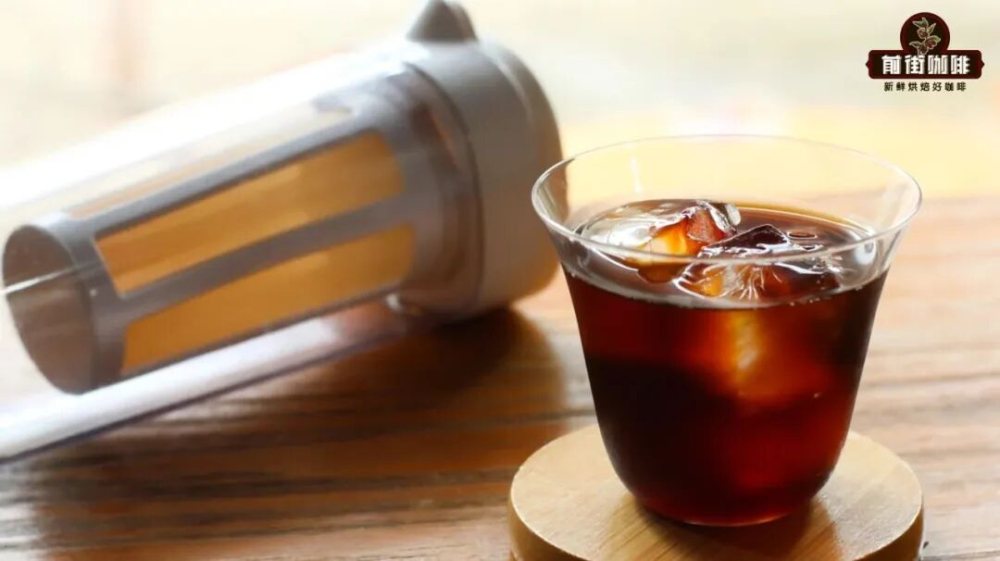
Step four: Slowly pour out the clear coffee liquid from the top, filtering out the settled coffee grounds, and you’re ready to enjoy a DIY cold brew black coffee. If you prefer a colder taste, feel free to add ice cubes or cold water for dilution according to your preference.
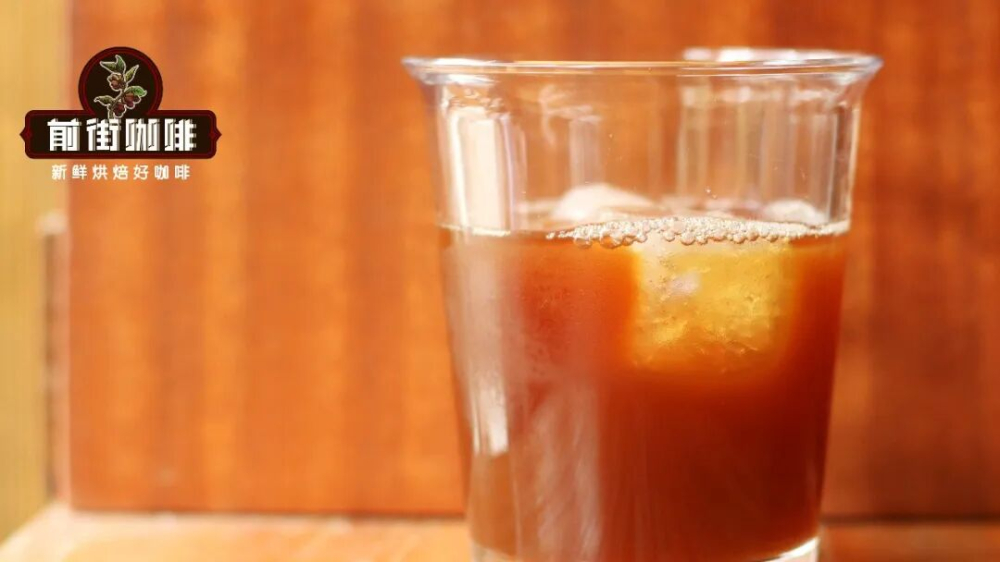
The resulting cold brew coffee has a subtle floral aroma with a green tea base. On the palate, the citrus and nectarine acidity is bright yet not overpowering. The overall flavor is refreshing and smooth, making it especially suitable for drinking on a hot afternoon—to cool down and perk up.
The above content is compiled by CoffeeHunters, a coffee news website.


