








Introduction:When drinking coffee, besides enjoying its aroma and flavor, the aftertaste is actually a key element in appreciation. However, many people can’t distinguish between aftertaste and sweetness, or even understand how it forms. This article explores the mechanism behind coffee aftertaste from the perspective of retronasal olfaction, explains the essential differences between it and sweetness, and recommends three specialty coffee beans ideal for beginners to practice with, helping you better perceive the duration and layers of aroma in the aftertaste.
Tasting a cup of coffee is a multisensory experience that engages both smell and taste. Typically, we begin by smelling the aroma, then experiencing the flavors and textures upon tasting, and finally noticing the aftertaste once the coffee is swallowed. But this final step—aftertaste—is often overlooked or misunderstood. What exactly is it? And how does it differ from the commonly mentioned "sweetness"?
In coffee terminology, aftertaste is referred to as "aftertaste," which denotes the flavors and aromas that linger in the mouth and nasal cavity after the coffee has been consumed. This experience is similar to how the unique scent of durian might remain in your mouth after eating it. Replace the durian with coffee, and the principle remains the same, though it’s more refined and complex.
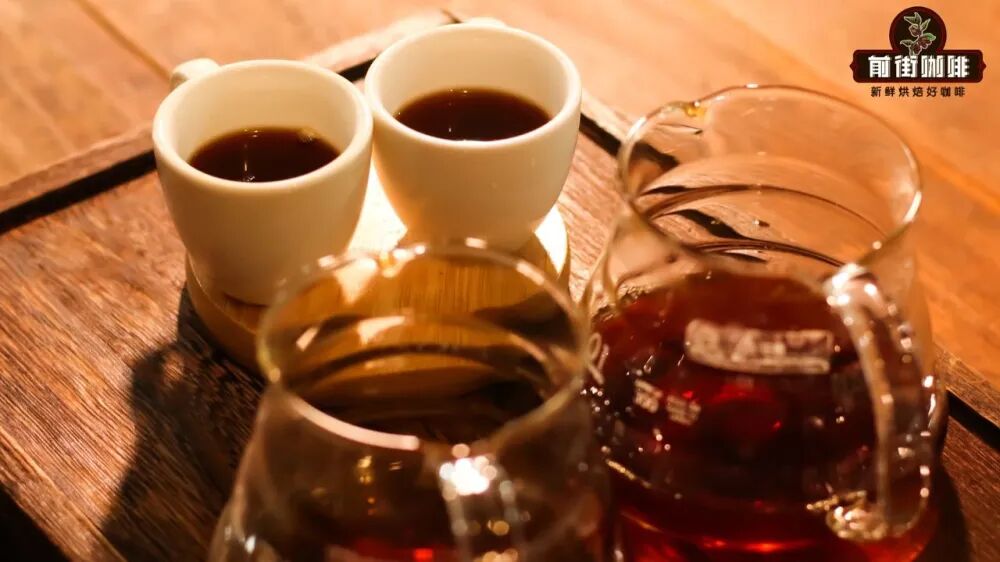
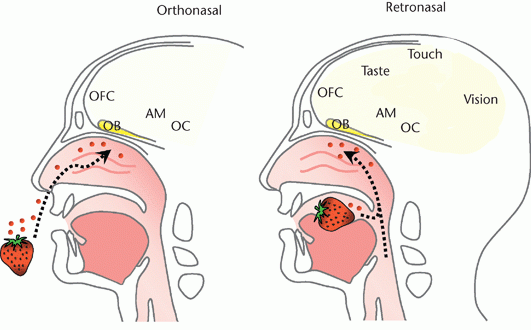
To understand how aftertaste is formed, we cannot overlook the role of "retronasal olfaction." Coffee contains a large amount of oil-soluble aromatic compounds, which are not water-soluble and therefore do not fully enter the body with the liquid. When we drink coffee, some of the coffee oils adhere to the mouth and tongue surface, gradually releasing aromatic molecules over time. These aromas travel through the retronasal passage above the throat to the nasal cavity, allowing us to "smell" the lingering fragrance of coffee even after swallowing.
For example, one reason espresso is favored by many coffee enthusiasts is not only its intense flavor but also because it contains about one-third oils. These oils not only enhance the richness of the drink but also release a captivating caramel-like aftertaste upon swallowing, prolonging the pleasure of the experience. However, due to its higher intensity, beginners may find it easier and more gentle to perceive aftertaste through a pour over of single-origin coffee.
If you'd like to personally experience the different characteristics of aftertaste, you can start by practicing with the following three representative pour over coffees. Each has its own unique traits, helping you distinguish the types of aroma and how the aftertaste lingers:
1. Colombian Sidamo: Bright, sweet almond and fruity aftertaste
This bean comes from Colombia’s Boundary Line Estate, processed using a double anaerobic natural method. It features an intense tropical fruit profile, such as passionfruit and grapes, blended with the sweetness of dried fruit and citrus acidity. After brewing, a mellow almond aroma often lingers on the palate, with a refreshing and enduring aftertaste—making it a top choice for many coffee enthusiasts just starting out.
2. Brazilian Queen Estate: Balanced and full-bodied cocoa and caramel finish
Produced at Brazil’s Queen Estate, this coffee uses the relatively rare Yellow Bourbon variety. Its flavor profile is well-balanced, offering a soft texture reminiscent of cream and nuts, paired with a natural sweetness akin to sugarcane. As the temperature drops, berry acidity gradually fades, making way for distinct cocoa and caramel aftertastes. The lingering aroma in the throat is long-lasting, suiting drinkers who prefer a more stable and mellow style.
3. Panamanian Boquete Geisha: Floral-fruity aroma with Tieguanyin tea-like aftertaste
Geisha coffee is renowned for its delicate floral notes and fruity undertones, and those from Panama’s Boquete region are particularly outstanding. This bean showcases bright white floral notes, along with layers of honeydew, citrus, and honey. It has a lively, sweet-and-acidic taste upon entry, while the aftertaste is as refreshing and mellow as Tieguanyin tea, with a long-lasting throat sensation that leaves a deep impression.
So, how should we judge whether a coffee’s aftertaste is good or bad? It can mainly be evaluated from two aspects:DurationandAroma Quality.
A high-quality aftertaste typically lingers for a longer time. For example, some premium dark roast coffees or classic blends, under optimal extraction, can maintain caramel or chocolate aftertastes for several minutes. In contrast, a poor aftertaste may carry burnt bitterness, over-fermented spoilage notes, or even leave the tongue feeling sticky and uncomfortable.
For common light to medium roast drip coffees, the aftertaste is generally shorter, perhaps lasting only a few dozen seconds. But a good performance should exhibit floral, honey, tea-like, or mild fermentation aromas that are pleasant. If the aftertaste is dry, woody, or lacks character, it may indicate room for improvement in extraction or bean quality. Medium to dark roasts often showcase more grounded aftertaste traits such as cocoa and caramel.
In summary, aftertaste is not just the final step in coffee tasting—it is also a crucial indicator of a coffee’s overall performance. From oil release and retronasal olfaction to the persistence of aroma, what lies beneath is the combined influence of coffee roasting, processing methods, and brewing techniques. By actually tasting coffees of different styles—especially the three representative varieties mentioned above—you will become more attuned to the nuances of aftertaste and further enhance your ability to appreciate coffee.
The above content is compiled by CoffeeHunters, a coffee news website.


