







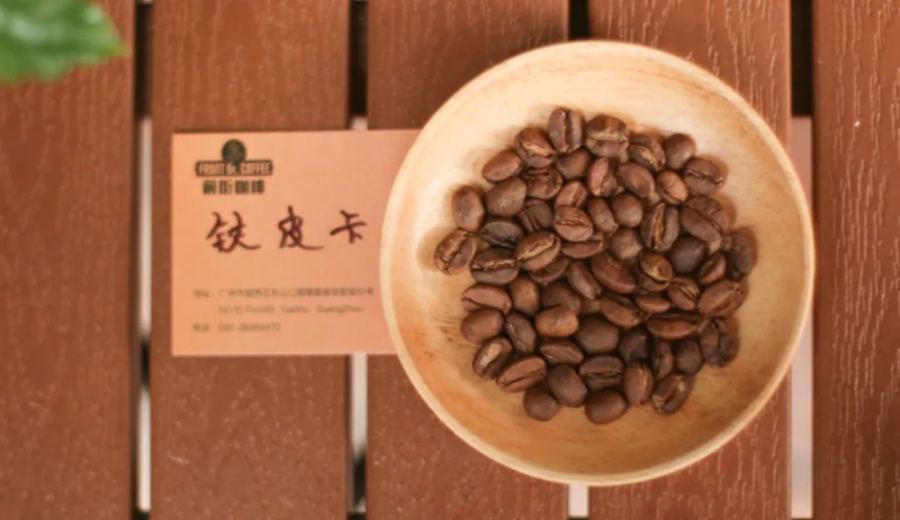
Introduction:Typica, one of the oldest varieties of Arabica coffee, is the ancestor of most modern Arabica coffees worldwide. From its place of origin in Ethiopia to its transplantation across oceans to Indonesia, the Caribbean, and even South America, Typica has shaped the landscape of the entire coffee industry. This article takes you on a journey retracing the spread of Typica, explores whether Blue Mountain and Yunnan Typica share the same origin, and offers practical regional purchasing advice.
Typica is one of the most historically significant varieties of Arabica coffee, with around 70% of the world’s Arabica coffees today being descendants of it and Bourbon, the two original varieties. This article will trace Typica’s global expansion history—from its birthplace in Ethiopia through Yemen, India, Indonesia, the Netherlands, the Caribbean, and finally to South America and Asia, including Yunnan in China. This centuries-long journey not only reveals how coffee transformed from a medicinal plant into a global beverage but also helps us understand how the flavor profiles of Typica have evolved across different regions.
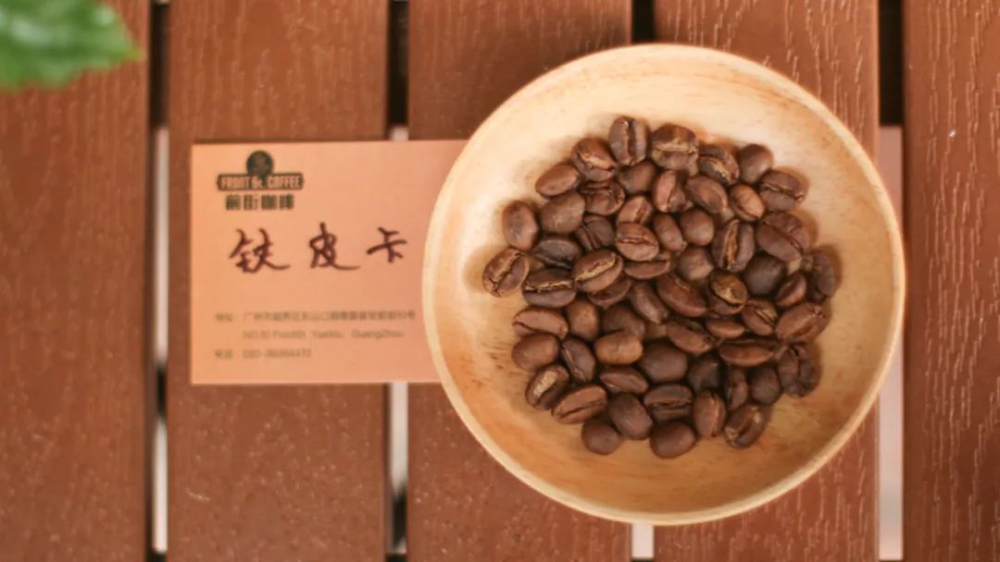
The bean shape of Typica is its most distinctive feature: long, oval, slender, and flat yet plump—this is also the prototype that many early illustrations of Arabica coffee were based on. This bean shape is not just a visual trait but is also related to its growth characteristics and the flavor profile after processing. Many well-known specialty coffee offerings on the market today can trace their roots back to Typica.
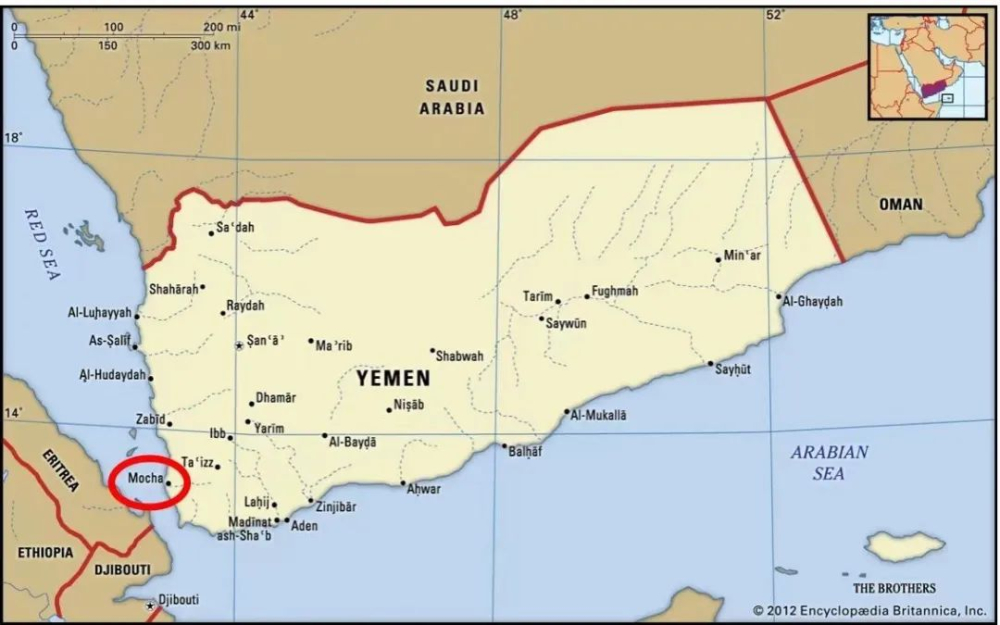
Coffee was first discovered in Ethiopia, but it was Yemen that truly transformed it into a beverage. Around the 15th century, Yemenis initially used coffee for medicinal purposes rather than as a daily stimulant. It wasn’t until the late 16th century that the port cities of Mocha and Aden in Yemen began popularizing the practice of drying coffee cherries, crushing them, and brewing them with hot water—gradually forming the familiar way we drink coffee today. This shift elevated coffee from a medicinal plant to a beloved everyday beverage and gradually led to its export to other regions.
However, to monopolize the coffee trade, Yemenis would typically roast or boil the exported coffee beans to destroy their germination ability and prevent seed smuggling. As a result, Yemen held a near-monopoly on the global coffee supply from the 15th to the 18th century—not only due to its geographical location but also because of its strict control over the coffee seed stock.
It wasn’t until 1670 that an Indian Muslim pilgrim named Baba Budan, after completing the Hajj to Mecca, secretly carried seven coffee seeds hidden in his beard back to India. He successfully planted and cultivated them in the Baba Budan Hills of Karnataka Province (now named after this event). This marked the first successful departure of Typica from the Middle East and its establishment in South Asia.

Meanwhile, coffee spread to Europe via Yemen and quickly caused a sensation. The Dutch, who controlled maritime trade at the time, saw its commercial potential. In the early 17th century, the Dutch occupied parts of India and “acquired” Typica coffee plants from Yemen, introducing them to Java in Indonesia. These coffee plants were successfully grown in Java, officially marking the beginning of coffee cultivation in Southeast Asia.
In 1706, the Dutch even transported a single Typica plant grown in Java back to the Netherlands, where they built a greenhouse in Amsterdam specifically to cultivate this precious coffee tree. This “European mother plant” not only thrived in the Netherlands, but its descendants also became a crucial source for later coffee cultivation in Central and South America. This tree can be considered a key node in the globalization of Typica.
In 1714, the mayor of Amsterdam gifted a Typica sapling to King Louis XIV of France. This sapling was cultivated in a greenhouse at the Palace of Versailles. Although it did not lead to large-scale cultivation in France itself at the time, it became one of the sources of coffee plants that France later exported to its overseas colonies.
In 1720, French naval officer Gabriel de Clieu obtained a Typica sapling from the Palace of Versailles. After a challenging three-year voyage, he brought it to Martinique in the Caribbean. This sapling became the starting point of the coffee industry in that region, and its descendants later spread throughout the Caribbean, including the famous Jamaican Blue Mountain region.
While coffee cultivation expanded in the Americas, Typica also spread southward to South America. In 1727, Brazilian diplomat Francisco de Mello Palheta, while helping to resolve a border dispute between French Guiana and Dutch Suriname, was gifted a batch of Typica saplings—some of which came from the wife of the French Guiana governor. Palheta brought these seeds back to Brazil and planted them in the northern Pará state, thus initiating Brazil’s coffee cultivation era. Later, Brazil distributed these seeds to neighboring countries such as Paraguay and Peru, allowing Typica to flourish across South America.
From the late 18th to the 19th century, countries in Central and South America—including Colombia, Guatemala, and Costa Rica—also successively introduced the Typica variety. Further east in Asia, in the late 19th century, French missionary Père Timothée introduced Typica to Zhugula Village in Yunnan, China. Though it wasn’t immediately widely planted, it quietly laid the foundation for coffee cultivation in China.
Today, if you want to experience coffee that comes closest to the original flavor of Typica, you can choose from several classic producing regions. For those seeking a top-tier flavor experience, Blue Mountain No. 1 is an unmissable choice, with its balanced acidity and sweetness and layered complexity, fully showcasing the elegant side of Typica. If you’re looking to enjoy authentic Typica at a reasonable price, PNG Paradise Bird is a recommended option that balances cost-performance and quality. For those wanting to support domestic coffee, the 2013 Yunnan Small Bean Sun-Dried Typica reflects a clean, fresh, low-acid, and mellow local character, making it an excellent entry point to understanding Typica’s performance in Asia.
The above content is compiled by CoffeeHunters, a coffee news website.


