








Introduction:How should you store excess coffee beans to maintain their freshness? What’s the difference between freezing and refrigerating them? Do you need to let them thaw after taking them out? This article presents practical test results analyzing how freezing affects coffee flavor, and offers methods suitable for long-term storage—including portion-sealing, aging before freezing, and advice on thawing or not—to help you preserve optimal flavor during pour over or extraction.
For coffee lovers, the freshness of beans determines the soul of the flavor. When limited-time discounts come around, many people stock up—but soon find themselves with questions: Can coffee beans be refrigerated or frozen? How long can they be stored? Do you need to let them return to room temperature after taking them out of the fridge? Can you refreeze them? These questions all aim to maintain better extraction performance—what we call “preserving freshness.”
It’s common knowledge that low temperatures can extend the shelf life of ingredients like vegetables and fruits, so can coffee beans also be “frozen in time” via freezing? The answer is yes—but there are methods and limitations. Next, we’ll explore the differences between freezing and refrigeration, the impact of freezing on coffee flavor, and practical preservation tips to help you store coffee beans correctly.

After roasting, coffee beans typically reach peak aroma about 4 to 7 days into the aging period, then gradually decline over roughly 30 to 45 days, eventually losing noticeable flavor. Freshly roasted beans are most vulnerable to air, moisture, high temperatures, and light—so by controlling these factors, you can effectively prolong their shelf life. Among these, lowering the temperature is one of the most direct and easy-to-implement methods.
However, it’s important to note that “low-temperature storage” refers to “freezing,” not “refrigeration.” The temperature in a refrigerator fluctuates significantly, and humidity is relatively high—coffee beans can easily absorb odors from other foods, or become damp due to condensation, which accelerates flavor degradation. In contrast, freezing environments significantly slow oxidation and internal metabolic reactions, effectively “locking in” the aromatic compounds in the beans. Research indicates that coffee beans can generally maintain relatively good flavor for 2 to 3 months when frozen.
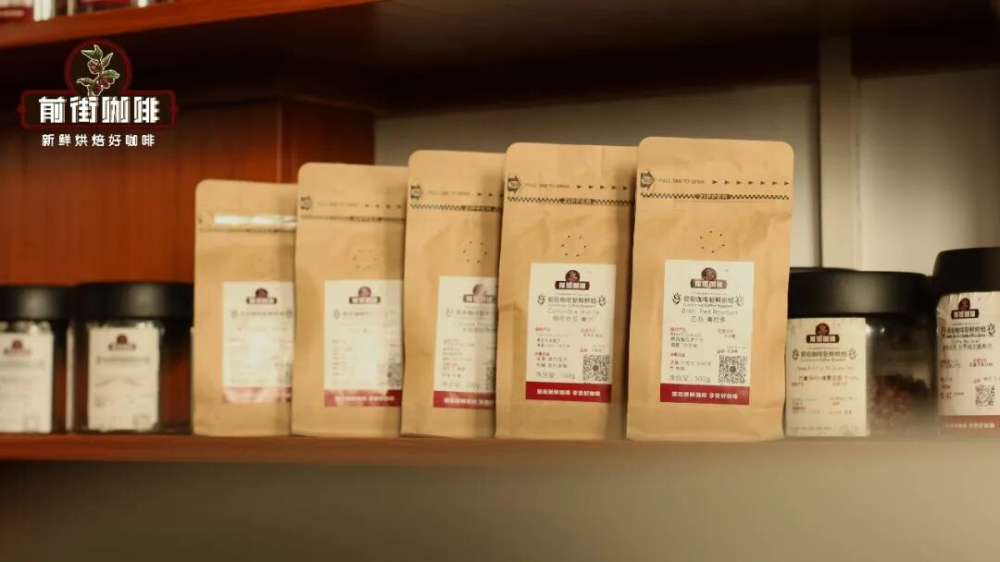
To verify the actual differences, we once froze a 16-gram pack of freshly roasted coffee beans for two months, then compared its extraction with the same beans aged for 7 days fresh. Using identical parameters: 16g coffee grounds, 1:15 brew ratio, 92°C water temperature, fine sugar grind (80% passing through a #20 sieve), and a three-stage pour. Results showed that the fresh sample exhibited richer aromas of coffee flower, sweet orange, blueberry, and creamy nuttiness, while the frozen version was dominated by berry and nut notes, with overall weaker aroma intensity and less vibrant acidity.
This shows that while freezing can preserve most aroma effectively, it still falls short compared to beans roasted not long ago. If you want to experience the ideal flavor state of coffee, it’s recommended to buy according to your consumption rate rather than relying too much on frozen storage.
Since you’ve chosen frozen storage, how can you maximize flavor preservation? Here are some practical storage tips:
① Age before Freezing
Most coffee beans are at their best within 4 to 45 days after roasting. The reason we start counting from day 4 is because freshly roasted beans still release large amounts of carbon dioxide and have a noticeable smoky taste—these gases are mainly released through the one-way valve on the bag over several days, a period known as the “aging period.” Aging helps stabilize and develop the flavor, and it’s recommended to age for at least 4 days before freezing.
If you freeze beans just 1 or 2 days after roasting, the internal active gases can’t be properly released, affecting subsequent flavor performance. Additionally, after long-term freezing, these gases may become even harder to revive, leading to insufficient aroma release.
② Proper Sealing to Prevent Odors and Moisture
Freezing coffee beans isn’t as simple as tossing them in—the key is sealing. Home refrigerators usually store a variety of foods, and coffee beans can easily absorb other odors or become damp from moisture, which affects aroma retention. It’s recommended to use professional airtight containers or zipper bags to fully expel air before freezing, and to store them alone if possible to avoid mixing with other foods.
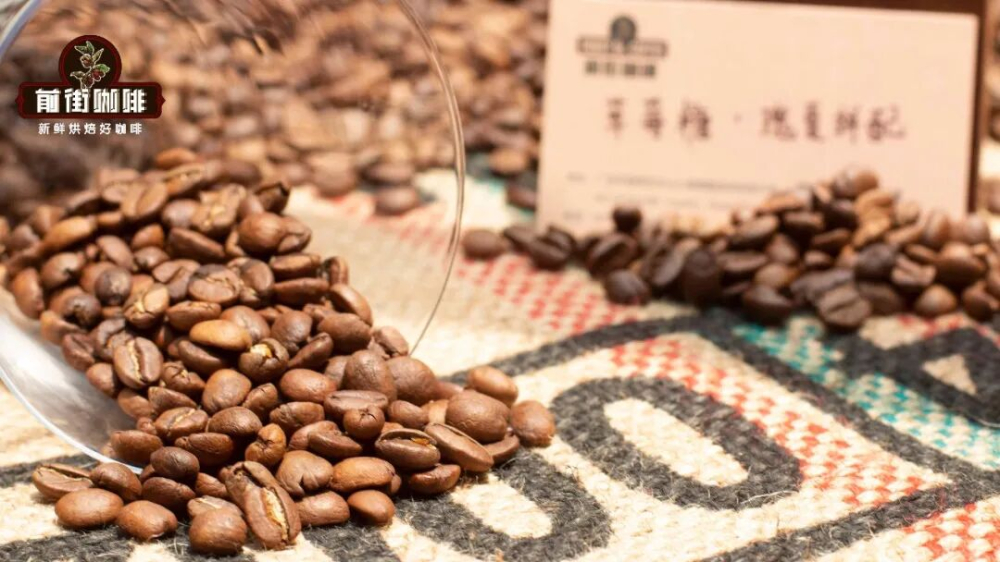
If you have a set brewing quantity, you can also pre-portion them by the gram each time you use, labeling the roast or freeze date for easier management. Those with the means can even vacuum-seal them to further reduce oxygen exposure. In our tests, coffee beans stored frozen for up to 3 months still maintained relatively stable flavor, but for food safety and optimal flavor, we recommend not storing them beyond six months.
If you don’t want to portion frequently, you can keep the original packaging and wrap it in an additional airtight zipper bag (squeezing out as much air as possible). Open it quickly when using, brew immediately, and return it promptly to minimize air exposure. Note: Once coffee beans have been thawed, do not refreeze them, as this can affect quality.
③ To Thaw or Not? Choose Based on Need
When taking frozen beans out, there are two common approaches: thaw before use, or grind and brew directly without thawing.
If you have time, you can take the beans out the night before and let them return to room temperature naturally—but remember:Never open the bag in advance!Once you open the bag early, moisture in the air will cause the beans to absorb water, leading to hydrolysis and aroma evaporation. The benefit of thawing is that the beans regain their original hardness, aiding stable extraction performance.
On the other hand, if you’re aiming for more vibrant fruity acidity, you can also choose not to thaw—grind and brew directly from frozen. Unthawed beans are more brittle, producing fewer coarse particles and more uniform grind size, which is especially beneficial for bean varieties emphasizing fruit acidity (such as bright African beans). In addition, since the whole process remains in a low-temperature environment, aroma loss is slower and less affected by moisture interference.
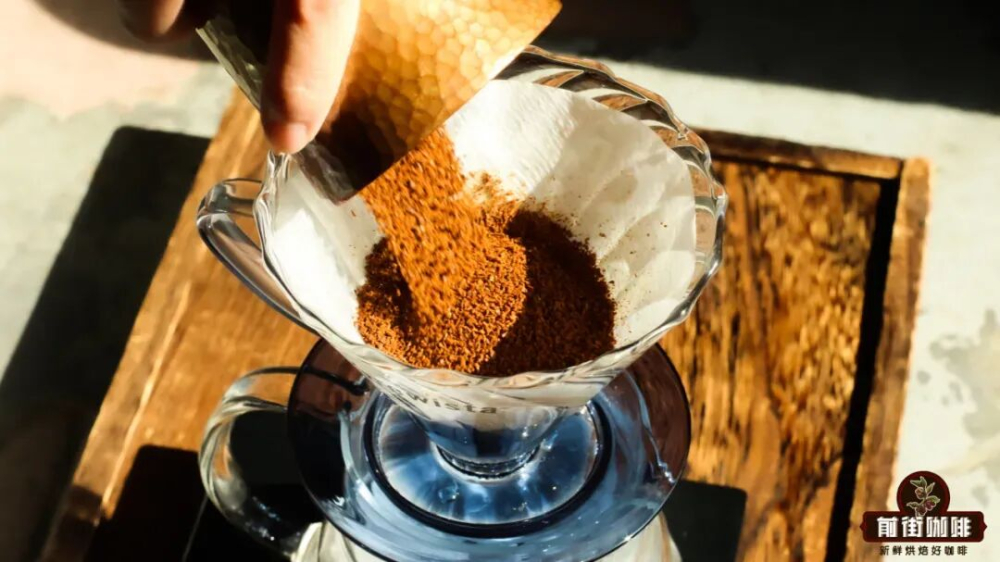
For example, we once took out a pack of coffee beans frozen for 70 days and ground them directly—though the dry aroma wasn’t as bold as fresh beans, the extraction displayed rich sweet-and-sour notes, including distinct fruit flavors like raspberry, red plum, and blueberry, and upon cooling revealed a refreshing grape juice-like sensation with subtle stone fruit undertones.
Finally, a reminder: if you’re in the habit of “lightly warming or toasting” frozen beans with an oven after taking them out, please don’t do that. Heating not only fails to enhance flavor but can easily lead to excessive oxidation, aroma degradation, and even off-flavors, severely impacting the final extraction outcome.
The above content is compiled by CoffeeHunters, a coffee news website.


