








Introduction:You’ve just received a new bag of coffee beans you’ve never tried before, but have no idea how to set your pour over parameters? In fact, by simply observing the roast level and bean density, you can infer the most suitable extraction method, and then determine the appropriate water temperature, grind size, and coffee-to-water ratio. This article will guide you from the appearance and flavor notes of the beans to analyze the differences between light and dark roast beans, along with real-life examples to provide immediately usable pour over parameter suggestions—even beginners can confidently brew a great cup.
Many people who are new to pour over coffee often face a common issue: they buy a bag of unfamiliar beans, but because they’re unsure which parameters to use, the resulting brew lacks desired flavors or even wastes good beans. In truth, even without an established brewing recipe, we can determine whether a bean is better suited for high-efficiency or low-efficiency extraction by observing its roast degree and density, thereby setting a more reasonable water temperature, grind level, and coffee-to-water ratio.
This article will take you step-by-step through intuitive information such as flavor descriptions and bean hardness, analyzing the differences between light and dark roasted coffee beans, and demonstrating with practical examples to offer directly applicable pour over parameters. This helps you handle new beans with ease and effortlessly brew your ideal cup.
Many people habitually look up the brew recommendations provided by the coffee shop after buying beans, even writing them down in detail, for fear that one wrong parameter could ruin the overall experience. However, even if official parameters aren’t available, we can still rely on some simple yet effective methods—such as observing the roast color of the beans, flavor notes, and even physically assessing the hardness or brittleness of the beans—to infer their characteristics and adjust our brewing strategy accordingly.

The key to brewing a delicious cup of pour over coffee lies in controlling extraction efficiency, ensuring that the desirable flavor compounds in the coffee dissolve adequately while minimizing the bitterness and off-flavors caused by over-extraction. Extraction efficiency is primarily influenced by parameters such as water temperature, grind size, coffee-to-water ratio, brew time, and agitation method.
Simply put, different types of coffee beans require different extraction efficiencies. Some beans suit faster, more efficient extraction, while others need a slower, gentler approach to bring out their flavors. Therefore, mastering how to assess a coffee bean’s characteristics is the first step toward brewing it well.
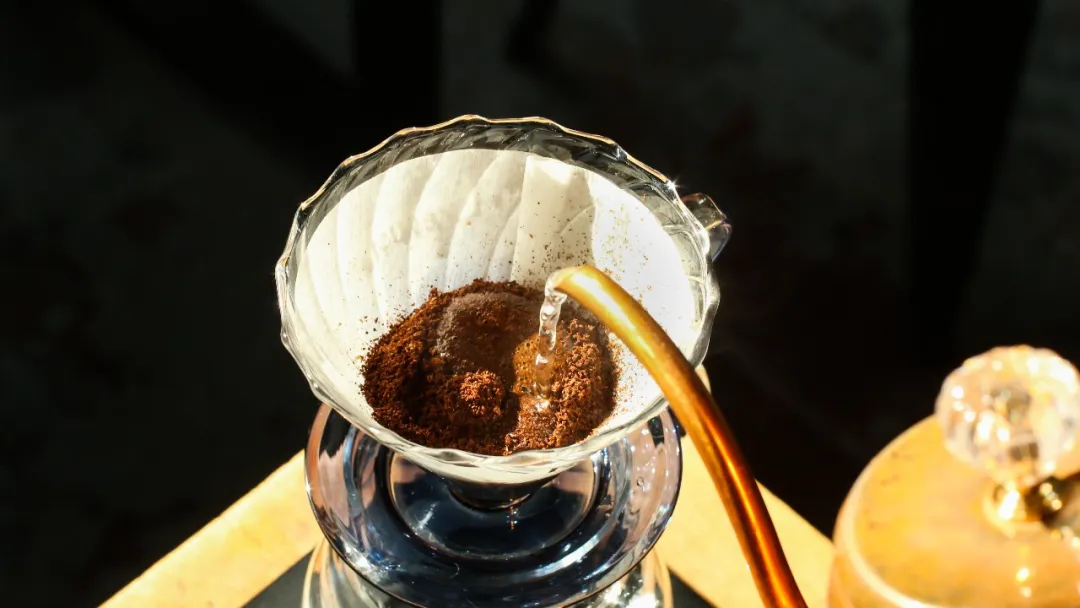
So, for a completely unfamiliar bag of beans, how do we decide whether to use high-efficiency or low-efficiency extraction parameters? The answer actually lies in the roast level and bean density.
Generally speaking,the lighter the roast and the higher the density of the coffee beans,the tighter their internal structure and the harder it is for flavor compounds to be released. As a result, they requirehigher-efficiency extraction parameters,such as higher water temperature and finer grind, to extract a rich array of fruity and floral acidity and layers within a reasonable time frame.
Conversely,the darker the roast and the lower the density of the coffee beans,the looser their structure and the more easily flavor compounds dissolve. In such cases, continuing with high-efficiency extraction can easily lead to over-extraction, resulting in bitterness and burnt notes. Therefore,lower-efficiency parameters should be used,such as slightly lower water temperature and a coarser grind, to gently bring out caramel, nutty, and chocolatey roast tones.
So, how do we determine a coffee bean’s roast level and density? Beyond observing the color value indicated on the packaging (though this method isn’t always accurate, especially for beans with special processing methods), we can also gather clues from the flavor description and physical feel.
First,flavor description is an important reference.Generally, if the flavor notes emphasize floral, citrus, berry, and other bright acidity profiles, the bean is likely a light roast, featuring vibrant acidity and a refreshing taste. If the notes highlight chocolate, caramel, nuts, spices, and other roast-oriented flavors, it’s usually a medium-dark or dark roast, with a richer and heavier mouthfeel.
Additionally,the hardness or brittleness of the beans can reveal a lot as well.By gently pressing the coffee beans, if they feel hard and are not easily crushed, it indicates higher density and a tight structure, usually meaning they require higher-efficiency extraction. If the beans are brittle and break apart easily, they are of lower density with a looser structure, making them suitable for lower-efficiency brewing.
Take a practical example: suppose you get a bag of beans with flavor notes of orange blossom, lemon, strawberry, and black tea. From these descriptors, it’s easy to tell the coffee leans toward a fruity profile, suggesting it’s not very dark roasted—likely medium-light. Upon physically pressing the beans, you find them hard to crush, indicating high density.
Combining these two pieces of information, we can determine that this coffee bean is ofmedium-light roast and high density,and thus should be brewed usinghigher-efficiency extraction parameters.For instance, use a water temperature of about91°C~93°C,a fine grind with a 20-mesh sieve passing rate of 75%~80% (similar to fine sugar granules),along with a1:15 coffee-to-water ratio,and keep the brew time between2 minutes to 2 minutes and 30 secondsto fully extract its fruity acidity and black tea finish.Now, consider another example: if you have a coffee whose flavors are dominated by chocolate, nuts, caramel, pine, and spices—all typical of dark roast profiles—it’s likely a darker roast. Then, when you touch the beans, you find them relatively brittle and easily crushed, indicating lower density.

From these traits, we can deduce that this bean is of
dark roast and low density,and during brewing, extraction efficiency should be reduced to avoid over-extraction and bitterness. It’s recommended to usea water temperature of 86°C~89°C,a slightly coarser grind with a 20-mesh sieve passing rate of 70%~75%,also using a1:15 coffee-to-water ratio,and maintaining a brew time of around2 minutesto gently release its rich, nutty, and caramel flavors.Through the above methods, even without official brewing parameters, we can assess a coffee bean’s approximate roast level and density based on its appearance, flavor description, and physical feel, thereby selecting suitable brewing strategies and parameter settings. Although observing the exterior color of the beans is also a quick way to judge roast level, for beans with special processing methods (like anaerobic fermentation), the exterior may appear dark even though the actual roast level is only medium or medium-light. Relying solely on color can lead to misjudgment and negatively affect extraction results.Therefore, learning to comprehensively assess a coffee bean’s characteristics from multiple angles not only improves your brewing success rate, but also gives you more confidence when facing various new beans, allowing you to truly enjoy the pleasure and variety of pour over coffee.
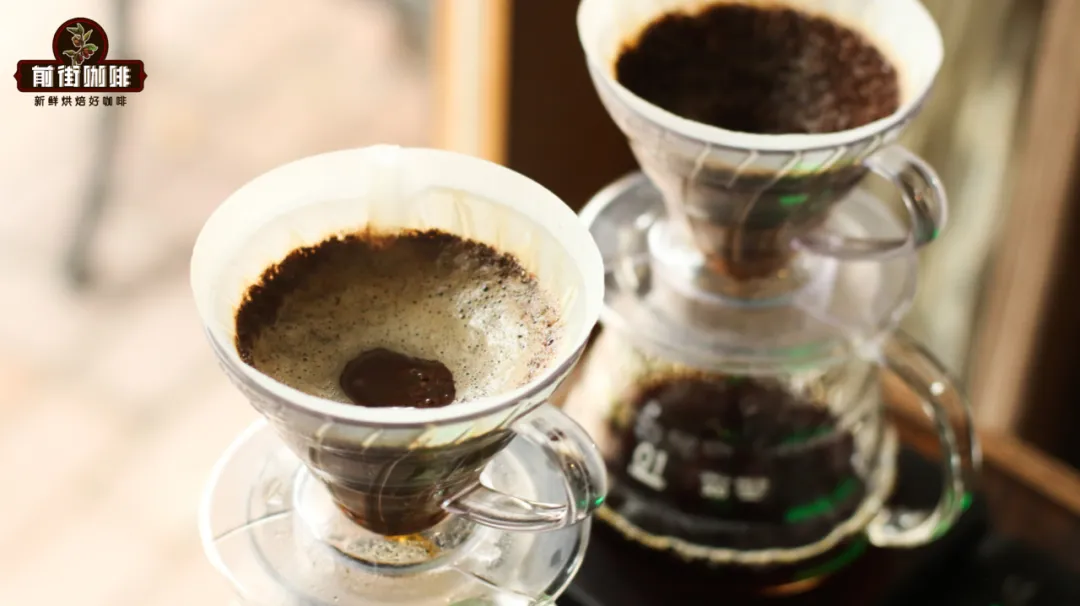
By using the above methods, even without official brewing parameters provided, we can determine the approximate roast level and density of the coffee beans based on their appearance, flavor descriptions, and physical feel, thereby selecting an appropriate brewing strategy and parameter settings. Although observing the color of the beans is also a quick way to judge roast level, for certain special processing methods (such as anaerobic fermentation), the exterior may appear dark, yet the actual roast level is only medium or medium-light. In such cases, relying solely on color for judgment can easily lead to misunderstandings, which in turn affects extraction results.
Therefore, learning to comprehensively assess the characteristics of coffee beans from multiple aspects not only improves brewing success rates but also allows you to approach various new beans with more confidence and ease, truly enjoying the乐趣与变化 (pleasure and variety) of pour over coffee.
The above content is compiled by CoffeeHunters, a coffee news website.


