







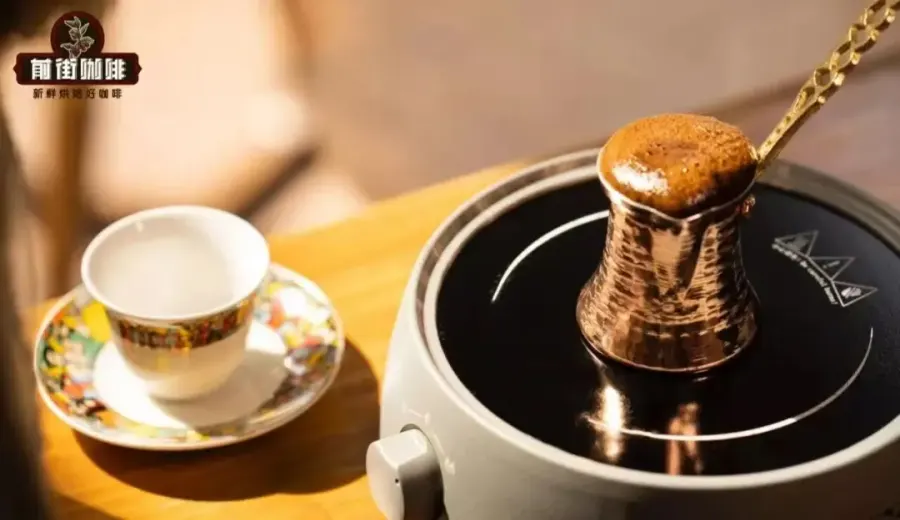
Introduction:Turkish sand-brewed coffee is hailed as the "bottomless cup" due to its visual spectacle, but it’s actually a clever combination of the design of the Cezve copper pot and a segmented brewing method. This article delves into the principles behind this traditional brewing technique, the unique features of the equipment, and the step-by-step process, helping you understand why the coffee seems never-ending—and how you can brew rich-flavored, grit-free Turkish coffee through proper grind size and heat control.
In online videos of Turkish sand-brewed coffee, small copper pots are repeatedly rubbed in scorching sand, with coffee seemingly flowing endlessly. Even when it appears to be completely poured out, re-burying the pot in hot sand causes more liquid to emerge, leaving viewers amazed. But in truth, this isn’t magic—it’s a visual illusion created by a special angle and the design of the copper pot.
The origins of Turkish coffee can be traced back to the 16th century during the Ottoman Empire, when coffee was introduced along with the empire’s expansion and gradually developed into a unique brewing culture. Traditionally, a copper pot called a Cezve is used—its wide-bottomed, narrow-topped structure, combined with a three-stage or segmented pouring method, creates the astonishing “bottomless” effect.
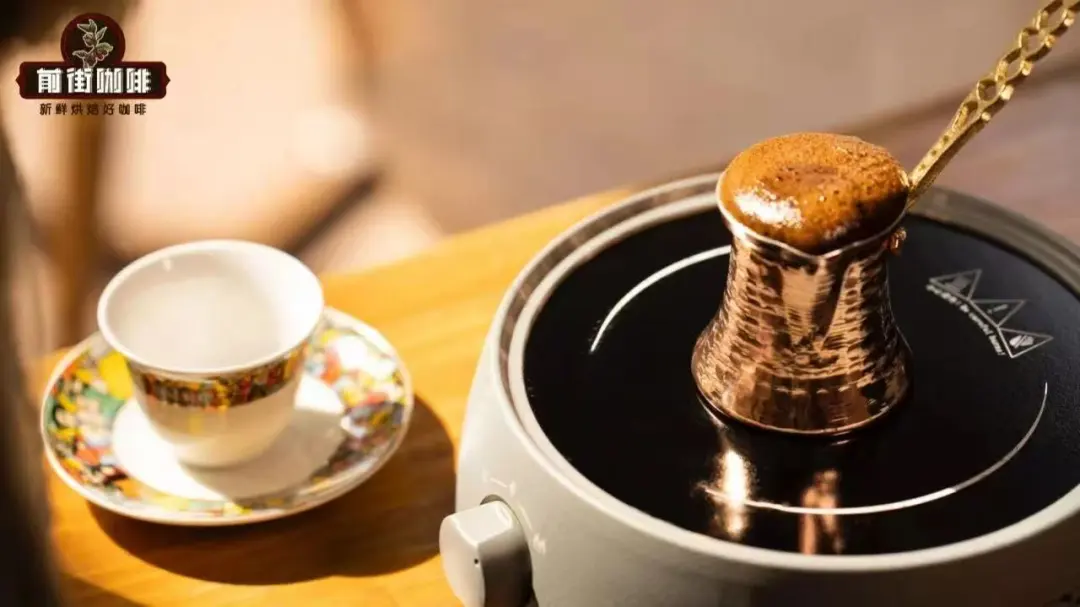
These copper pots are made from highly conductive copper, and the tapered neck design helps concentrate foam during heating. Coupled with a pouring method that leaves only part of the liquid behind, each pour may seem generous, but in reality only about one-third of the coffee is removed, with the rest continuing to heat and boil. Repeating this cycle produces the visual effect of an endless stream of coffee.
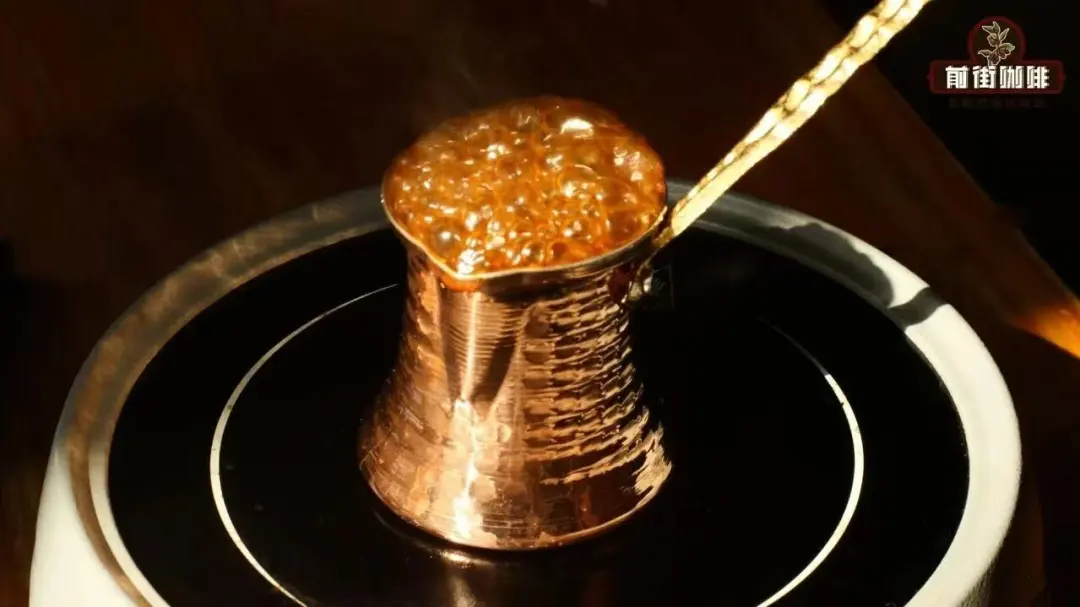
There are two main methods for brewing Turkish coffee: the classic “three-boil” method and the more theatrical “bottomless cup” approach. The former involves placing both coffee and water into the Cezve, heating it until the first boil, then removing it from the heat and letting the foam subside before reheating—this is repeated three times before serving. The latter method involves pouring out only a small amount of coffee and foam at each boil, keeping the rest on heat until almost nothing remains.
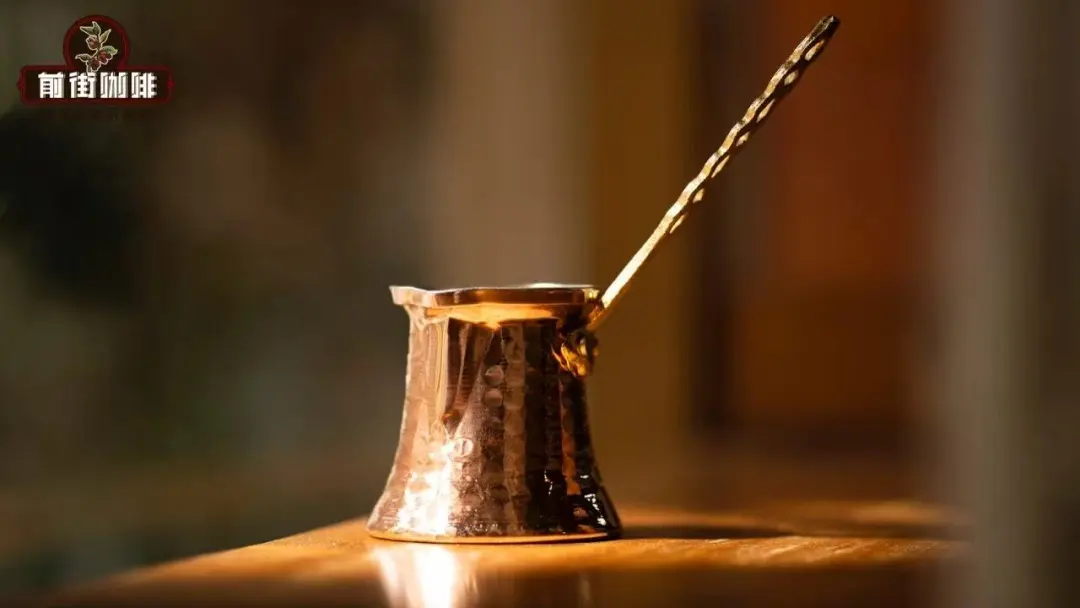
This segmented pouring technique, combined with the right viewing angle, leads observers to believe the coffee in the pot is inexhaustible. But looking straight down from above easily exposes this “visual trick”—there’s always coffee left inside the pot, rather than an infinite supply.
Many wonder if Turkish coffee, which is unfiltered and boiled multiple times, ends up tasting overly bitter or harsh. In fact, because the entire heating process typically takes only a few dozen seconds—even with the highly efficient copper pot—it’s not enough to cause over-extraction, so there’s no significant bitterness. Additionally, the coffee grounds are ground extremely fine, almost to a powdery consistency like flour, allowing them to quickly blend with the water and settle at the bottom of the cup. With just a short wait, most of the fine particles will naturally sink, resulting in almost no grit sensation while drinking.

For readers who want to try making Turkish coffee at home, it’s recommended to use a copper or metal Cezve with good thermal conductivity and to grind the coffee beans to an extremely fine, flour-like consistency. If you don’t have a professional grinder at home, a spice mortar and pestle can be used as an alternative. In terms of parameters,the recommended coffee-to-water ratio is 1:15, and using dark roasted beans can highlight intense flavors—for example, Indonesian Yellow Bourbon or Mandheling are both great choices.
In summary, the charm of Turkish sand-brewed coffee lies not only in its unique visual experience but also in the combination of traditional craftsmanship and precise parameters. Understanding the structure of the Cezve and the details of the brewing method not only demystifies the “bottomless cup” but also allows you to brew a classic cup of Turkish coffee that’s rich in flavor and virtually grit-free.
The above content is compiled by CoffeeHunters, a coffee news website.


