







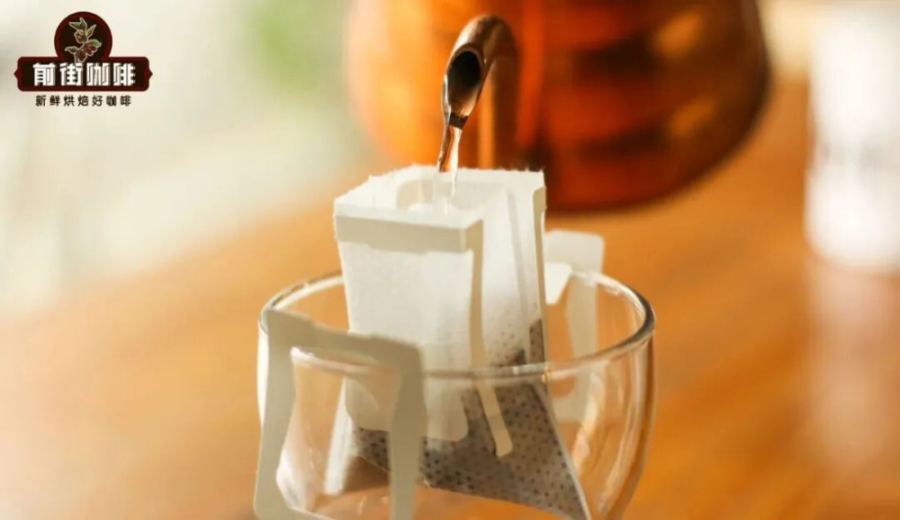
Introduction:Own filter coffee but want to enjoy a latte-like rich milky aroma? Although the concentration of black coffee brewed with filter packs is much lower than that of espresso, by adjusting the brewing method and technique, you can actually create a "latte-style" cup with a full-bodied taste. This article will introduce four practical methods to enhance the concentration of your coffee liquid, including stirring, repeated brewing, direct milk brewing, and adding powdered milk. We’ll also recommend several medium-to-dark roasted coffee beans that pair well with milk, allowing you to easily brew a smooth and aromatic coffee beverage at home, in the office, or outdoors.
Many coffee lovers who only have filter packs on hand often wonder: can I make a milky, latte-like coffee with a filter pack? The answer is yes, but the challenge lies in the fact that the black coffee brewed from a filter pack is significantly less concentrated than espresso from an espresso machine. Adding milk directly often results in a diluted overall flavor, or even a separation of water and milk.
However, filter packs are essentially a simplified version of pour over, with relatively high adaptability in flavor. By using some techniques to increase the concentration of the coffee liquid, you can effectively prevent it from being "overpowered" by the milk, successfully creating a rounded, balanced "alternative latte."
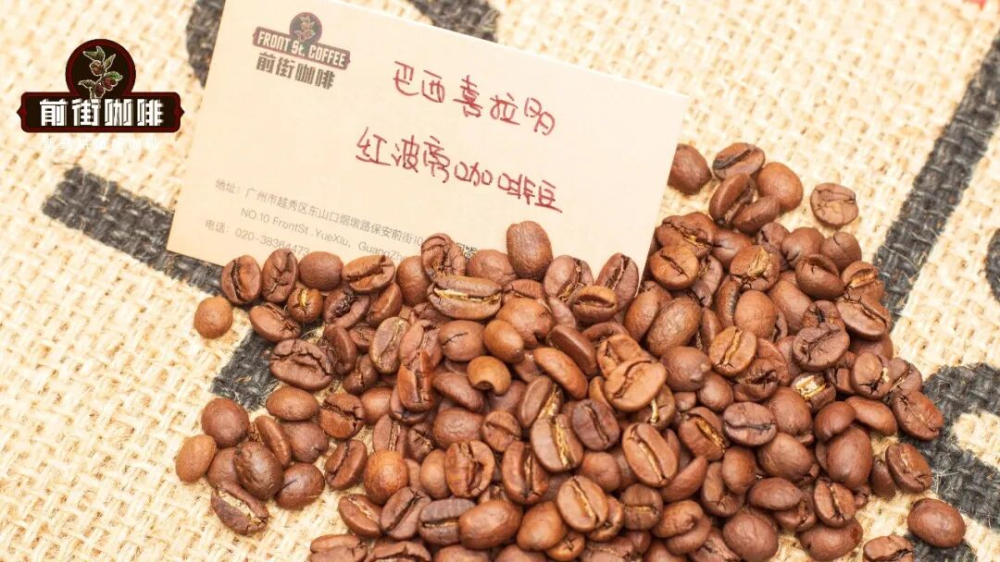
For those who love milk-based coffee, it’s recommended to start with medium-to-dark roasted filter packs, such as Indonesian Mandheling, Colombian Huila, Queen’s Estate, Sidamo, or Blue Mountain No.1. These coffee beans, due to their longer roasting time, undergo a more complete caramelization process, resulting in lower acidity, a richer body, and a looser bean structure that allows hot water to more easily extract intense aromas—making them highly compatible with milk.

The following will detail four practical methods to help you enhance the concentration of regular filter packs and create a latte-like coffee experience at home, in the office, or even while camping. These four methods are: the stirring method, the repeated brewing method, the direct milk brewing method, and the powdered milk addition method. Each has its own operational tips and suitable scenarios, so you can choose the one that best fits your tools and needs.
Method 1: Stirring Method – A Simple Way to Boost Concentration
In a standard pour over process, we can adjust grind size, water temperature, coffee-to-water ratio, and pouring technique to influence concentration and flavor. However, the amount of coffee, grind level, and filter bag design in filter packs are usually fixed, leaving limited room for adjustment. Therefore, if you want to make the coffee from a filter pack more intense, you can use external aids, such as stirring with a small spoon.
Because the contact area of a filter pack’s brewing chamber is typically less than one-third that of a pour over dripper, the water flow doesn’t easily agitate the coffee grounds, leading to relatively low extraction efficiency. In this case, simply stir gently in a circular motion with a spoon after the first pour of water. This helps accelerate degassing of the coffee bed and releases more soluble flavor compounds.
For example, using a 10g pack of a certain brand’s Brazilian Sidamo filter pack and brewing it in the usual way will yield black coffee with notes of cream, nuts, peanuts, chocolate, and caramel. If you have two packs, you might also consider stacking them to increase the total base volume of coffee liquid.
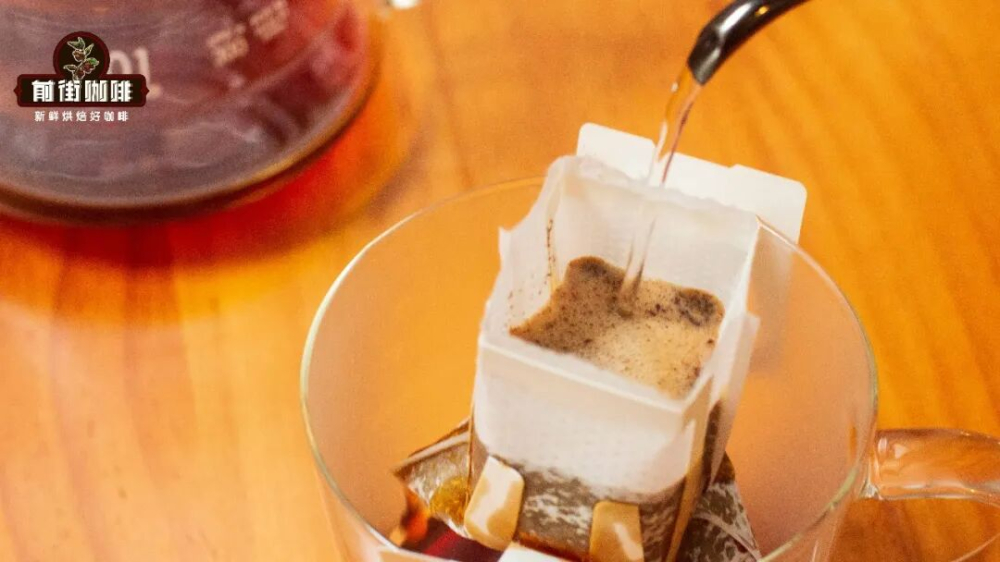
In practice, first pour about half the capacity of the filter bag with hot water (it’s recommended to let boiled water sit uncovered for about a minute to cool to around 90–93°C), then stir with a spoon for about 10 seconds. Once the coffee bed stops bubbling noticeably, proceed with a second pour to about 80% full, stirring another 3–5 times. Finally, pour water to full capacity and wait for all the coffee liquid to drip through. You’ll end up with about 90–110ml of high-concentration coffee liquid.
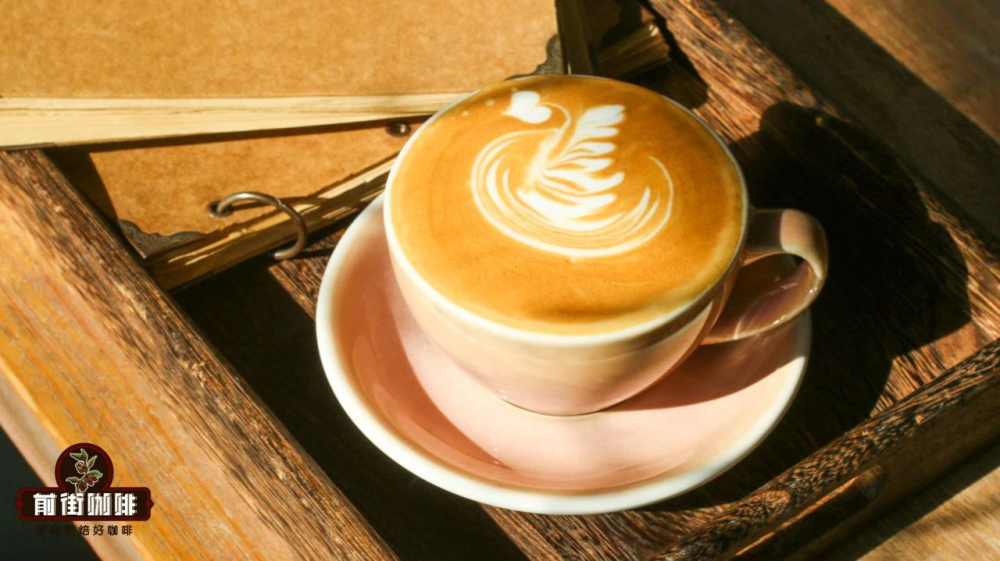
Then, add an equal amount of warm milk at a 1:1 ratio. The overall taste will be smoother and more rounded, featuring the nutty and caramel notes of the coffee itself along with the silkiness and slight sweetness of the milk.
Method 2: Repeated Brewing Method – Accumulating Concentration Through Multiple Extractions
During the coffee brewing process, the first brew is usually the most intense in flavor. As more water is added, the subsequent liquid becomes increasingly lighter. To achieve a higher concentration of coffee liquid, you can adopt a strategy of small, repeated extractions to gradually release various flavor compounds from the coffee.
Prepare two clean cups. First, secure the filter pack on one of the cups and pour in hot water to about 80% full. Wait for the coffee liquid to fully drip through, then pour water again for a second extraction. Next, move the filter pack to the second cup and pour the previously extracted coffee liquid back into the filter bag for a third extraction. Repeat this process, allowing the same batch of coffee grounds to undergo three or more rounds of repeated brewing, which can effectively improve the overall extraction rate.
Ultimately, you can obtain about 80–100ml of concentrated coffee liquid. It’s recommended to mix this with an equal amount of warm milk at a 1:1 ratio. Even if the coffee liquid cools down slightly after multiple extractions, when mixed with milk, it will still retain a soft nutty and peanut tone, without any noticeable over-extracted bitterness.

Method 3: Direct Milk Brewing Method – Brewing with Milk Instead of Water
You can also brew directly with milk instead of water, and this method is also applicable to filter packs. The only thing to note is the control of water temperature and milk temperature to avoid overheating, which could degrade the milk’s flavor or cause it to turn sour.
Using a 10g pack of a certain brand’s Brazilian Sidamo filter pack, first pour hot water above 90°C into the filter bag to about half capacity to ensure all the coffee grounds are evenly saturated. Once the hot water has dripped through, pour in pre-heated milk at 60–75°C (warm to the touch but not scalding), filling the filter bag to about 90% full, and wait for the coffee liquid to drip through. For a stronger milky flavor, you can repeat the milk-pouring step once more, keeping the total liquid volume around 150g.
If you prefer iced coffee, you can try the cold brew method: open the filter pack but do not tear it open. Place the whole sealed pack directly into about 200ml of milk (you can take a small sip first), remove the outer paper shell, seal it, shake it up and down, and refrigerate for about 8 hours. After taking it out, you can enjoy a softly flavored iced milk coffee.
Method 4: Adding Powdered Milk – A Shortcut to Concentrated Flavor
Although adding milk directly can enhance the milky aroma, the water content in milk may also dilute the overall intensity of the coffee. If you want a coffee drink with a more solid texture and more focused aroma, it’s recommended to use powdered milk as the flavoring medium.
Powdered milk is a concentrated product derived from dehydrated milk. When mixed with coffee liquid, it can release a richer milky aroma and smoother texture without introducing additional water. It’s recommended to place about twice the weight of the coffee powder’s worth of powdered milk into the cup first, then brew the filter coffee as normal using hot water above 90°C, going through three rounds of pouring and extraction. Finally, pour the brewed coffee liquid into the powdered milk and stir well to complete a smooth, rich, and non-watery milk coffee.
The above content is compiled by CoffeeHunters, a coffee news website.


