







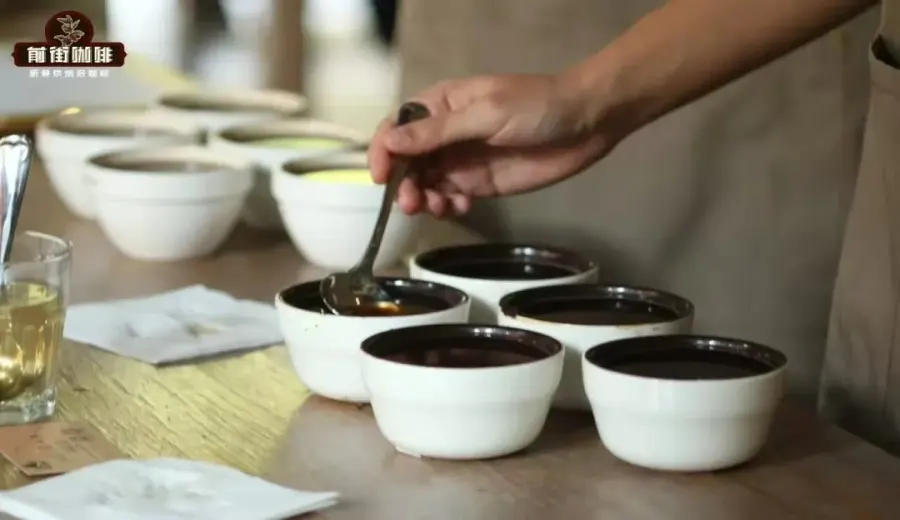
Introduction:Want to gain a deeper understanding of the flavor characteristics of specialty coffee but only have a vague idea about the cupping process? This article provides a detailed breakdown of the four core elements of cupping: from observing the appearance of coffee beans, sniffing the dry and wet aromas, to actually tasting and analyzing flavor profiles. With practical demonstration steps, it guides you step-by-step in mastering professional cupping techniques. Not only does it introduce key points for sensory scoring, but it also offers practical advice on overcoming olfactory fatigue and difficulties in flavor identification, helping coffee enthusiasts confidently explore the diverse flavor layers of coffee.
For many beginners in specialty coffee, the term "cupping" may sound both professional and somewhat intimidating. Although industry professionals often talk about it, when actually faced with a cupping session, many are unsure where to start or what key aspects to observe. This article will guide you from basic hands-on practice, deeply analyzing the complete four-step cupping process—including observing the visual characteristics of coffee beans, sniffing the dry aroma, experiencing the wet aroma after pouring water, and finally the in-mouth tasting analysis—while using real cupping examples to gradually break down each scoring criterion on the professional cupping form and sensory judgment points.
Additionally, it addresses common challenges beginners face, such as olfactory fatigue due to consecutive cuppings or difficulty grasping flavor descriptions, and provides specific strategies to help you more easily capture the multi-layered expressions of coffee during the tasting process.
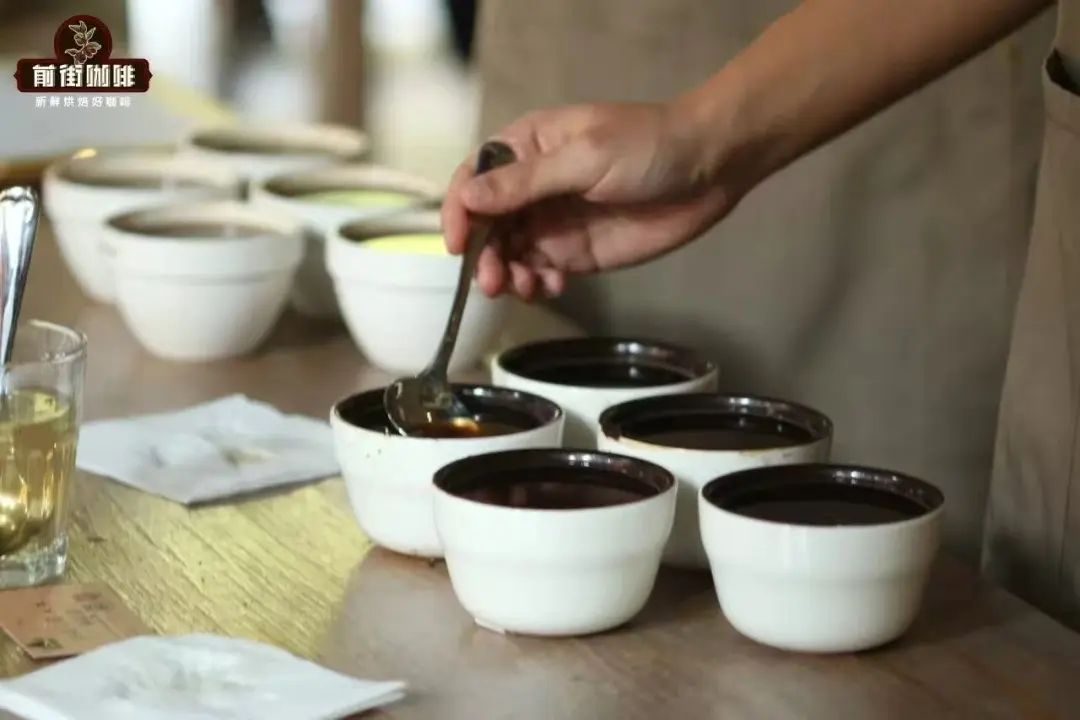
So-called cupping is actually a widely adopted quality evaluation method in the coffee industry, commonly used by green bean importers, roasteries, and cafés. Its purpose is to effectively assess the overall performance and potential flavor characteristics of each batch of beans before bulk processing. The most distinctive feature of this method is its standardized process, which can reduce personal subjective factors to a certain extent, helping evaluators more objectively perceive the full picture of a coffee bean.
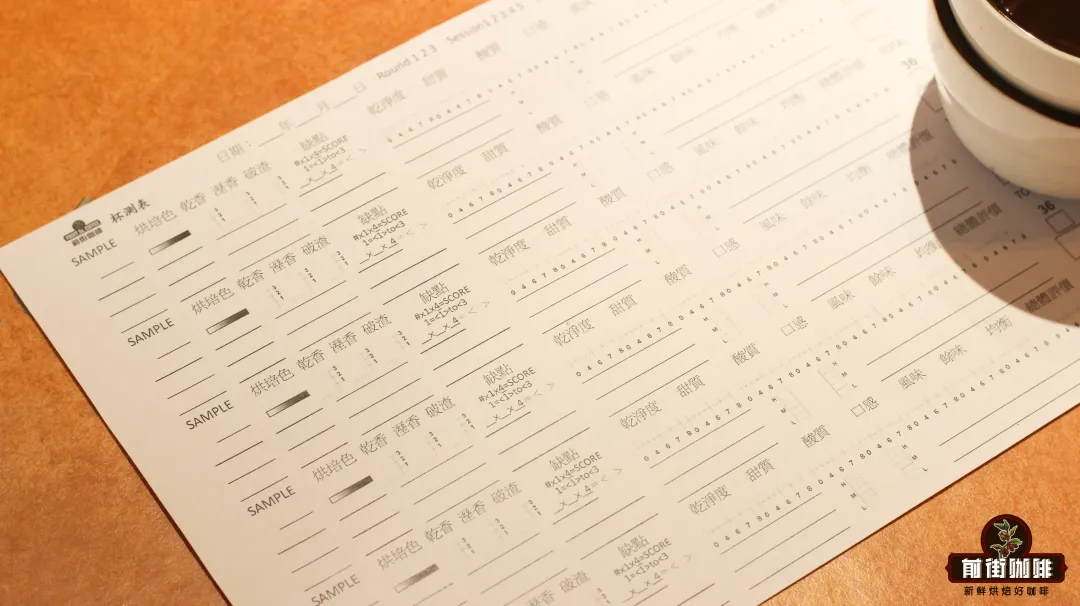
Traditional cupping forms are generally divided into two main sections: the first third focuses on visual and olfactory observations, covering the appearance of the beans, uniformity of particle size, roast color, and the dry aroma released after grinding; the last two-thirds emphasize taste and mouthfeel evaluations, including cleanliness, sweetness intensity, acidity profile, body, flavor profile, aftertaste persistence, and overall balance. Although most people attending public cupping events don’t need to strictly score each item on the form, understanding these scoring dimensions can help you better appreciate and record the uniqueness of each coffee.
The actual cupping process can generally be divided into the following four main steps. First, observing the appearance of the coffee beans is the most fundamental step. In this step, we pay attention to whether the bean size is uniform, whether the overall roast color meets expectations, and whether we can preliminarily judge varietal characteristics from the appearance. It’s worth noting that even for the same renowned Geisha variety from famous producing regions, differences in microclimates and processing methods can lead to notably distinct bean appearances—this is the kind of firsthand information the observation step can provide.
Next is the stage of evaluating the dry aroma. When coffee beans are properly ground, they release a rich and layered dry aroma. At this point, it’s recommended to bring your face close to the ground coffee layer, gently sniff the aromas wafting in the air, and try to distinguish floral, fruity, herbal, or woody notes. For example, in some batches, you might detect noticeable white flowers, berry-like acidity, or soft tea-like freshness—these are all important elements that form the first impression of the coffee.
The third step is to experience the wet aroma, which is the aroma released when coffee grounds come into contact with hot water. In this stage, about 94°C hot water is evenly poured over the coffee grounds. After letting it sit briefly, the soluble substances in the coffee are released along with the water, resulting in a wet aroma that is distinctly different from the dry aroma. Since the wet aroma is usually more subtle, it’s advised to slightly bend over and concentrate, taking deeper breaths to capture these delicate changes.
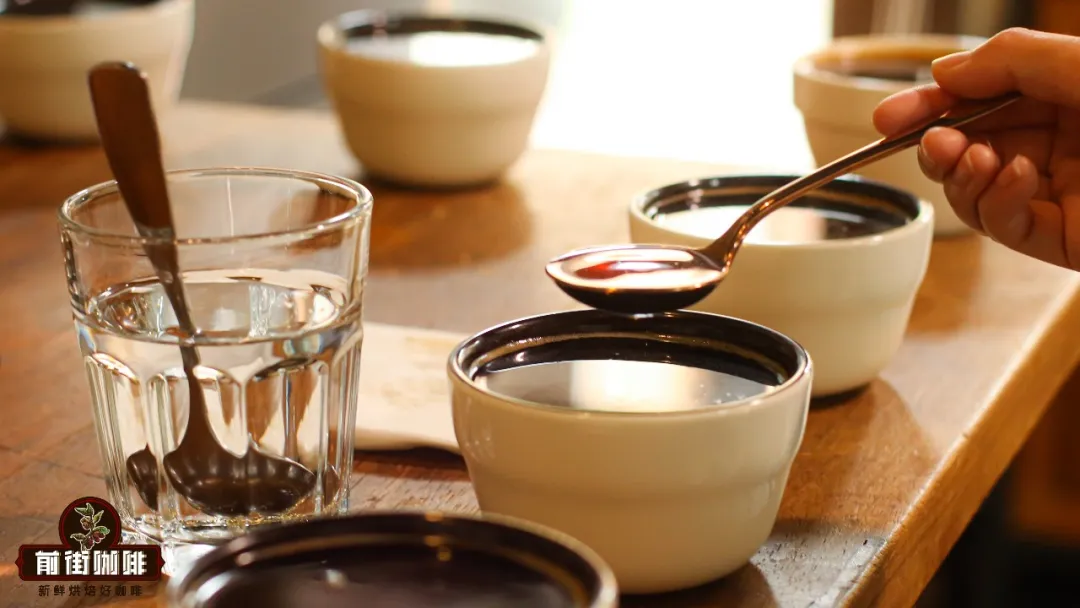
Finally, the most critical step—actual tasting. After the coffee has steeped for about four minutes, use a cupping spoon to break the floating layer of coffee grounds, take a small sip of the coffee liquid, allowing it to evenly coat the tongue, and use a light slurping motion to aerate the coffee, which helps release more flavor details. At this stage, multiple indicators are comprehensively evaluated, including whether the sweetness is prominent, whether the acidity is bright and layered, whether the body is moderate, whether the flavors are clear and distinct, and whether the aftertaste is long and pleasant.
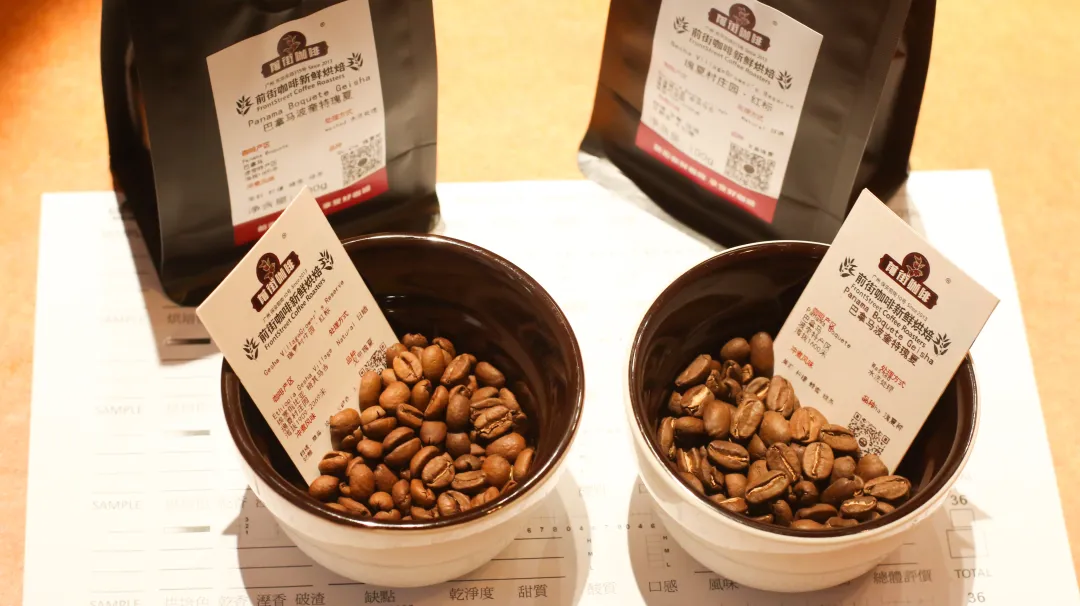
During actual tasting, if you’re sampling multiple coffees in a row, it’s easy to experience dulled senses, known as “olfactory fatigue.” In such cases, it’s recommended to temporarily leave the tasting area or gently sniff your own skin to help reset your olfactory sensitivity. If you find it difficult to identify flavors, you can also take a small sip of water to “reset” your mouth, and by using the correct slurping technique, enhance your ability to capture flavor molecules, thereby refining your judgment of the coffee’s overall performance.
In summary, evaluating a cup of coffee is not simply a matter of “tasting good” or “not tasting good,” but rather a multi-dimensional experience encompassing vision, smell, and taste. Mastering the basic cupping process and techniques not only helps you better understand the unique personality of each coffee but also equips you with sharper senses and a richer descriptive vocabulary for your future coffee tasting journeys.
The above content is compiled by CoffeeHunters, a coffee news website.


