







Introduction:Cold brew coffee, known for its low acidity, smooth taste, and refreshing flavor profile, has become a popular choice in the summer. However, many people encounter issues such as bitterness, excessive acidity, or poor mouthfeel when making it at home. This article analyzes the causes of over-extraction and under-extraction in cold brew through five key factors—grind size, steeping time, coffee bean roast level, and filtration methods—and provides specific adjustment suggestions to help you master low-temperature extraction techniques precisely, resulting in a cold brew with distinct layers and a well-balanced acidity-to-bitterness ratio.
Cold brew coffee is highly favored by coffee enthusiasts for its delicate and silky mouthfeel, as well as its softer acidity compared to hot brew, especially during hot seasons. By steeping coffee grounds in cold or room temperature water for an extended period, the low-temperature environment suppresses the release of bitter and astringent compounds, allowing small-molecule aromatic compounds like floral and fruity notes to dissolve first, while larger molecules common in dark roasts—such as smoky or charred flavors—are less likely to be extracted. This creates the unique clean and full-bodied texture that defines cold brew.
However, in practice, "overly bitter" and "overly acidic" are undoubtedly the two most common issues when making cold brew at home. This article will delve into the causes of over-extraction or under-extraction in cold brew from various angles—including coffee bean selection, grind size settings, steeping duration, and filtration details—and offer directions for adjustment, enabling you to create an ideally balanced and refreshing cold brew at home.
Many people are drawn to cold brew not only because it delivers a cool and refreshing sensation but also because it highlights the unique aroma of the coffee beans themselves while reducing the stimulation commonly associated with high-temperature extraction. Compared to hot water brewing, cold brew results in significantly less acidity release; studies have shown that its acidic components are about 67% lower than those of traditional hot brew, which is one of the reasons it is generally considered milder.
Under the dual influence of low temperature and prolonged steeping, cold brew can only extract small-molecule aromatic substances, such as floral and fruity notes, while larger molecules like caramel, chocolate, or roasty aromas are less likely to be released. As a result, the aroma of cold brew may not be as bold as that of hot coffee, but its smoothness and cleanliness upon drinking often surpass it. Additionally, although the layering of the same beans brewed via cold brew may be slightly less pronounced than with hot brew, the overall mouthfeel is usually fuller and cleaner.
Cold brew coffee is a cold beverage made by mixing coffee grounds with cold or room temperature water and letting it sit in the refrigerator for several hours. Although there are many online tutorials sharing the preparation process, many still encounter difficulties in practice, with “too bitter” and “too acidic” being the most frequently reported issues. The following will analyze the reasons behind these two common scenarios from a professional perspective and provide improvement suggestions.
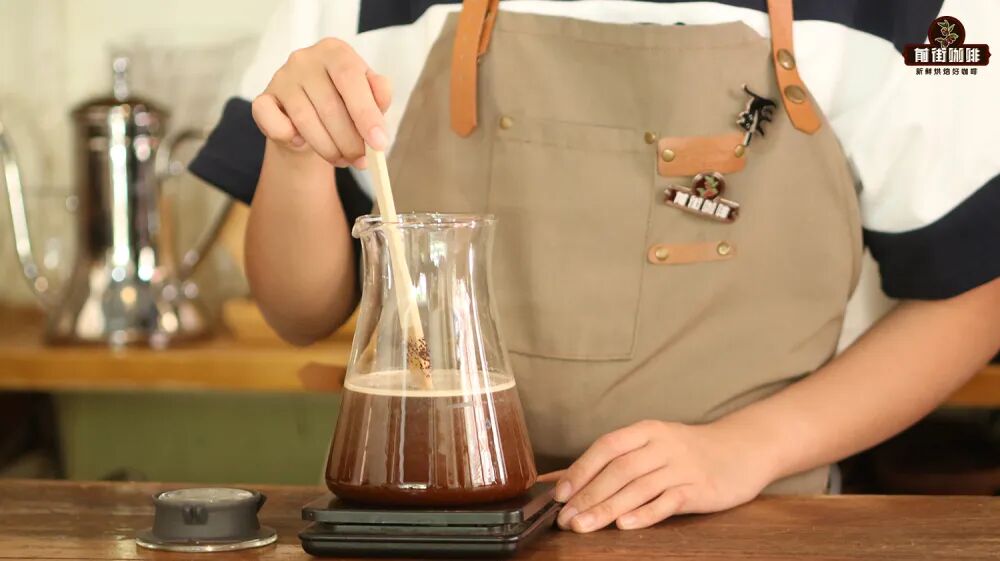
Is your cold brew too bitter? Discover five possible causes
If you find your cold brew tasting overly bitter, aside from personal taste preferences, it may also stem from imbalances in certain extraction parameters, leading to an excessive release of bitter compounds. Here are some of the most common causes and corresponding adjustments:
1. Coffee beans roasted too dark
Although dark roast beans can be used for cold brew, they typically have lower acidity and, due to the high-temperature roasting process, produce more caramelized and carbonized substances that can easily result in noticeable bitterness. If you dislike strong bitterness, it’s recommended to prioritize light to medium roast beans, such as those with nutty profiles or fruity aftertastes, rather than oily blends marketed for intense, bitter-rich espresso.
2. Grind size too fine
Cold brew generally doesn’t require as coarse a grind as pour over; it’s typically recommended to be about 0.5–2 settings finer than pour over, roughly equivalent to a 20-mesh sieve with an 82% extraction rate. If the grind is overly fine, although it may prolong flavor release, it can also cause woody or off-flavors from later stages to seep in, affecting overall clarity. It’s suggested to fine-tune according to your grinder model—for example, set an EK43s to 9.5, or a C40 hand grinder between 22–24.
3. Steeping time too long
Many assume that “the longer it steeps, the better it tastes,” but cold brew also has an optimal extraction duration. Over-steeping can transform initially pleasant small-molecule flavors into woody, straw-like, or over-extracted off-notes. Empirical data shows that samples steeped for 22 hours are more prone to undesirable aftertastes compared to those steeped for 8–18 hours. Beginners are advised to start with 10–14 hours, then adjust according to taste preference.
4. Filtration not fine enough
Although cold brew isn’t overly demanding in terms of filtration tools, if the filter isn’t fine enough, residual fine particles can make the mouthfeel rough and even introduce noticeable bitterness. It’s recommended to use paper filters for a secondary filtration to remove most fine grounds and oils, enhancing smoothness and cleanliness when drinking.
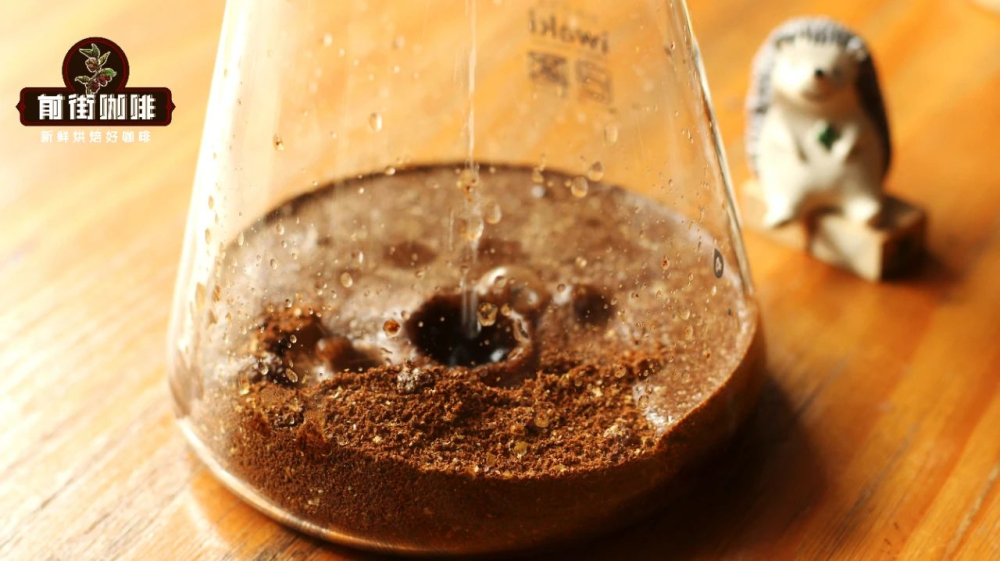
Is your cold brew too acidic? Adjust these aspects to improve flavor
If your cold brew exhibits noticeable acidity, it may be related to bean selection, extraction conditions, or subsequent handling. Below are common causes and corresponding adjustment suggestions:
1. Using lightly roasted beans
Light roast beans, due to shorter heat exposure, retain more acidity, and during low-temperature extraction, small molecules dissolve first, making the acidity more pronounced. If you prefer fruity acidity but want to avoid excessive sharpness, opt for beans from Central and South America with tropical fruit, fermentation, or dried fruit notes—these beans tend to transform their acidity into rich fruity flavors over time.
2. Insufficient maturation time
Even after basic steeping, some flavor compounds still require time to fully integrate with the water. If your cold brew tastes overly sharp, with a thin flavor profile, it’s recommended to let the coffee liquid sit sealed in the refrigerator for an additional 3–5 hours after filtration. This allows for a more complete “maturation” process, helping to enhance body and overall balance.
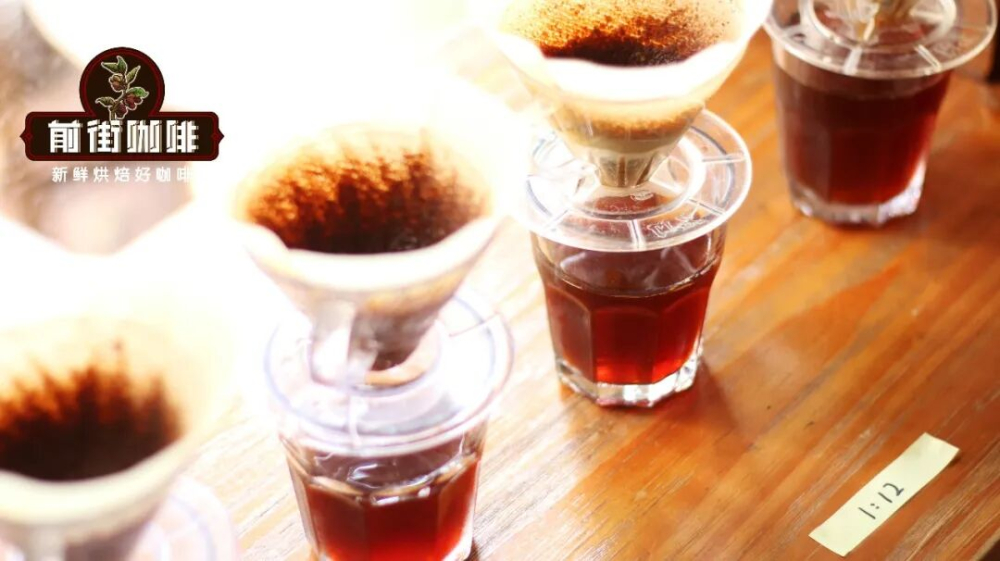
Overall, the flavor performance of cold brew coffee is influenced by multiple factors—from bean selection, grind size, water temperature (cold or room temperature), extraction time, to the final filtration method. Each step can affect the final product’s acidity-to-sweetness balance and mouthfeel. By mastering the key parameters, you can easily make adjustments at home and enjoy a cold brew with professional-grade quality.
The above content is compiled by CoffeeHunters, a coffee news website.


