







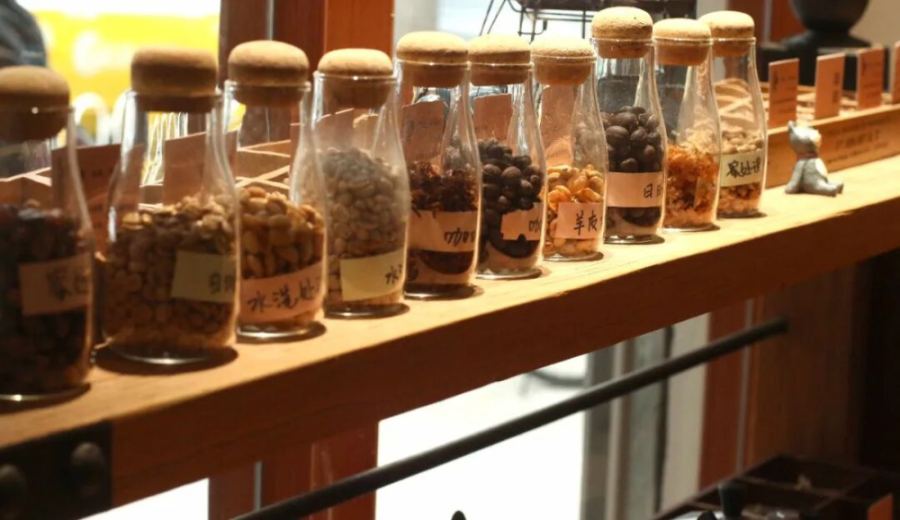
Introduction:Many coffee enthusiasts often face a common dilemma: after buying coffee beans and storing them at home for a while, the aroma fades or even disappears—can they still be consumed? Some even wonder if “reviving” the flavor through a second roast is possible. This article explores the changes in coffee bean flavor and degassing mechanisms after roasting, and presents real-world tests of two single-origin beans—one with a medium-light roast and one with a medium-dark roast—beyond their optimal freshness window. We’ll help you understand the difference between shelf life and best-before period, offer expert advice, and teach you how to store your coffee beans properly to avoid wasting good beans.
From the moment coffee beans are roasted, they begin a gradual process of flavor loss. Many coffee lovers have this question: how do you distinguish between a coffee bean’s best-before date and its shelf life? Can beans that are past their prime or have lost their peak flavor be revived by roasting them again? Starting with a real customer case, we conducted tests using a medium-light roasted Hua Kui and a medium-dark roasted PWN Golden Mandheling to show you the changes coffee beans go through from fresh to stale, and whether a second roast can truly “bring them back to life.”
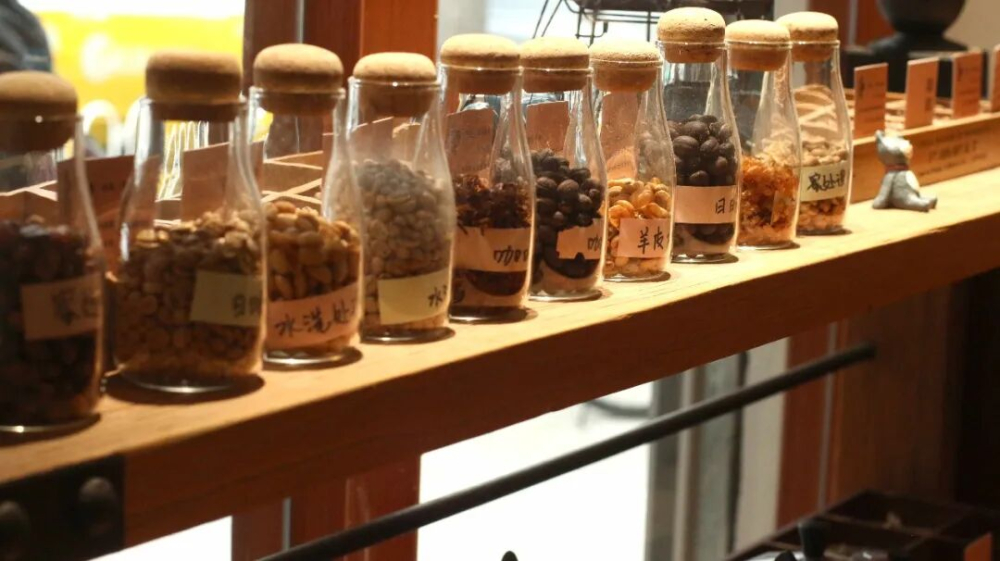
Coffee goes through an irreversible journey—from planting, harvesting, processing, roasting into the familiar green beans we know, and finally being brewed into a cup of coffee. One customer once bought a large quantity of coffee beans at once. Though they hadn’t yet exceeded the expiration date on the package, they had already passed their optimal freshness window. When the bag was opened, there was almost no noticeable aroma. On a whim, he thought, since the beans are already roasted, could “re-roasting” them bring back the aroma? Though it sounded a bit absurd, we decided to put this idea to the test ourselves.
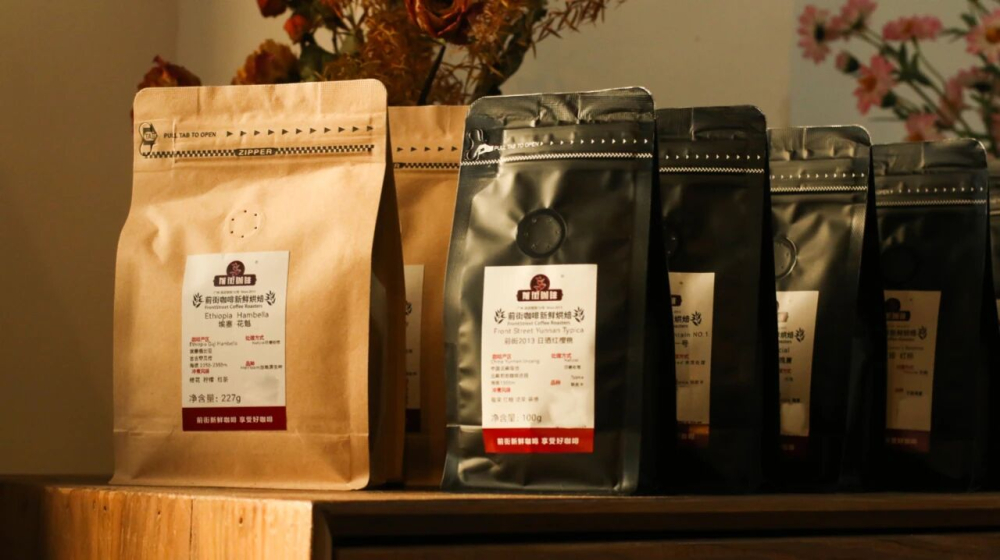
What internal changes do coffee beans undergo from the moment they’re freshly roasted to when they’ve completely lost their flavor? After roasting, beans produce a large amount of carbon dioxide, which continues to be released over the next several days—especially in the first few days, when the degassing is very noticeable. This is why pour over brewing requires a “bloom” phase, and why espresso machines produce a rich crema. Typically, between the 7th and 10th day, the degassing gradually stabilizes, entering what’s called the “stabilization period.” By around day 40, gas release significantly decreases, and by day 60, it’s mostly complete.
Accompanying the degassing process is the change in coffee flavor. In the first few days after roasting, the large amount of carbon dioxide hinders the release of aromatic compounds, so we recommend letting the beans “rest” for a few days before brewing. Around days 4 to 7, the flavor and gas levels reach a relatively stable state, making it an ideal time to enjoy freshly roasted coffee. But by days 30 to 40, the flavors start to noticeably decline, and by day 60, most of the delicate aromas have largely disappeared. If stored in poor conditions—such as exposure to air, light, or moisture—this process accelerates, and the best-before period shortens accordingly.
So, can stale coffee beans really regain their aroma through a second roast? We conducted an experiment using two single-origin beans with different roast levels: a medium-light roasted Hua Kui and a medium-dark roasted PWN Golden Mandheling. The older samples of these two beans had been roasted about 65 days prior, while the control group consisted of fresh samples roasted just 10 to 25 days earlier.
The experiment involved placing the old beans in a skillet and heating them evenly over low heat while stirring continuously. The total heating time was controlled to three minutes, after which the beans were allowed to cool before brewing. The results showed that both the Hua Kui and the Mandheling exhibited significantly darker bean surfaces after the second roast, with some even showing scorch marks or burnt areas. The aroma shifted to a bland taste reminiscent of popcorn or walnuts, rather than the original rich fruity or nutty profiles.
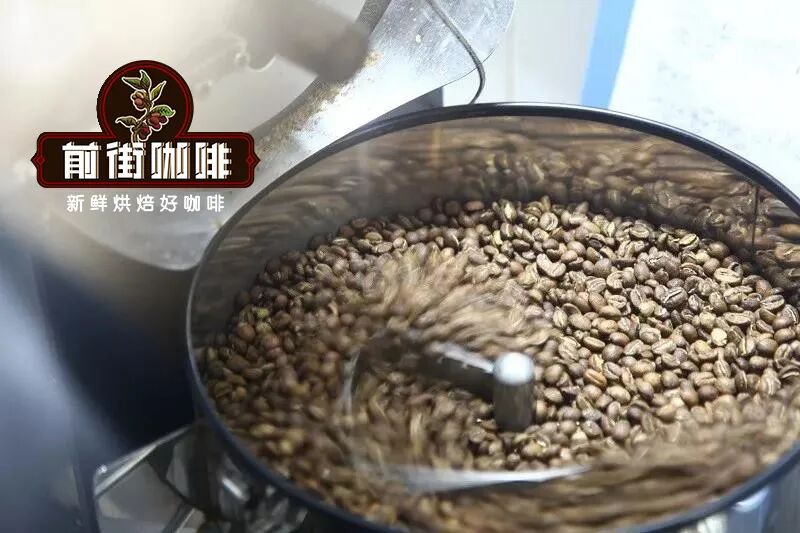
Take the Hua Kui as an example: the fresh sample brewed to reveal a distinct honey-like sweetness, with layers of dried fruit, sweet orange, blueberry, and peach flavors. It had a light body, moderate acidity, and a tea-like finish. However, after the second roast, although there was a brief release of gas, the brewed coffee completely lacked fruity and floral notes, leaving only faint nutty and caramel undertones. The mouthfeel also turned slightly underdeveloped, and overall performance was far inferior to when it was fresh.
As for the medium-dark roasted PWN Golden Mandheling, the fresh sample exuded a strong aroma of roasted nuts and spices even during grinding. The bloom was full and vigorous, and the brewed coffee highlighted prominent caramel notes, with a rich body and deep flavors of dark chocolate and toasted bread. In contrast, the old beans emitted a noticeable smoky smell even before grinding. Although there was some bloom during the bloom phase, it quickly collapsed. The brewed coffee was dominated by an overpowering bitterness that lingered, and the flavor could barely be described as “toasty,” lacking entirely the complexity and body that a premium Mandheling should have.
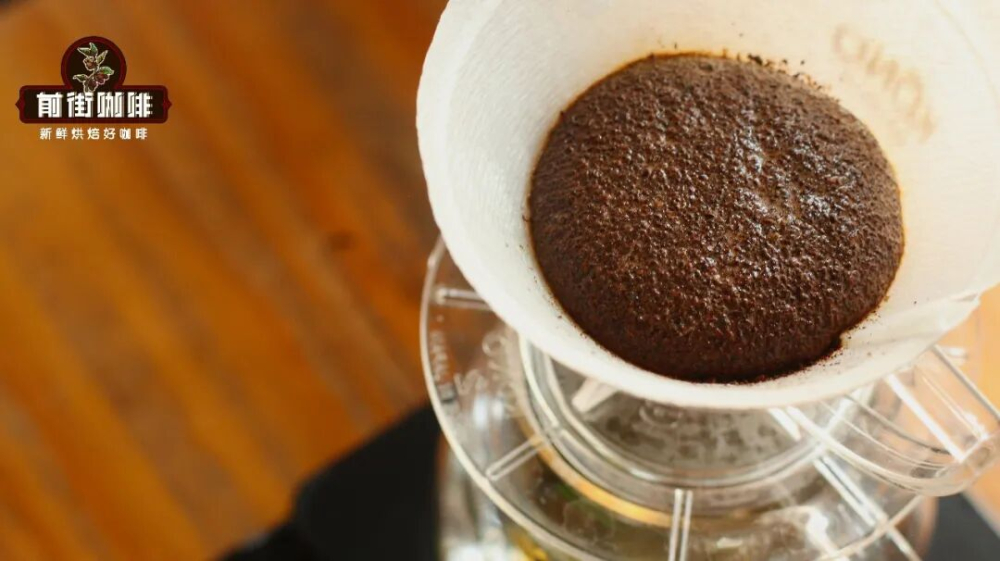
Based on the overall experimental results, we can clearly answer the initial question: a second roast cannot truly “revive” the aroma of expired coffee beans. Even if reheating causes further darkening of the bean surface and produces some roasty aromas, these flavors do not come from transformations within the raw beans but rather from carbonization reactions under high heat. As a result, the coffee often ends up tasting bitter, with little nuance or flavor detail. Once the original fruity, floral, or nutty notes are lost, they are very difficult—if not impossible—to recover through another roast.
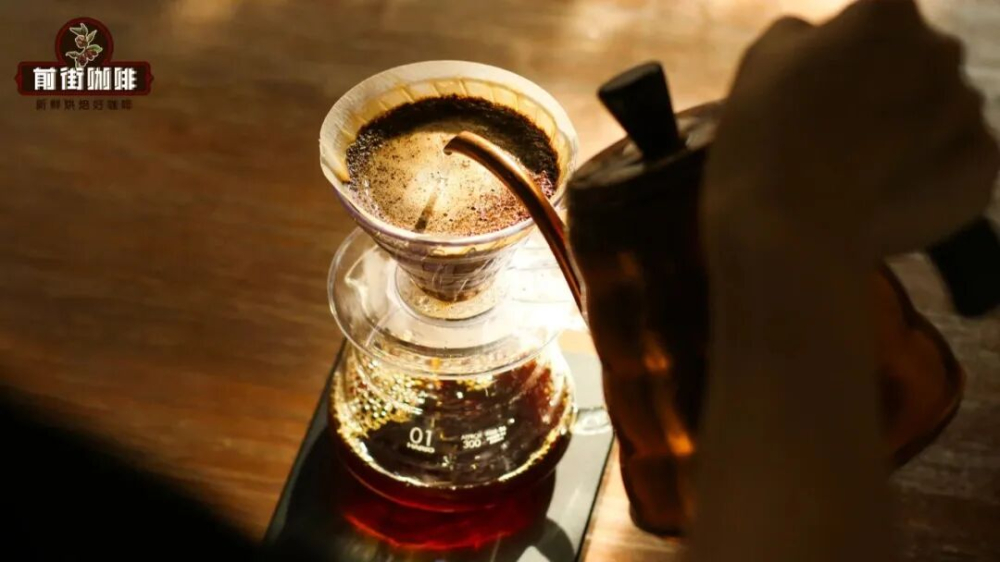
Much of what makes coffee so captivating lies in its rich and varied aromas, especially for specialty coffee, where flavor subtlety and layering are highly valued. Therefore, we recommend purchasing coffee beans in controlled quantities to avoid buying too much at once, only to find the flavors fade before you’ve had the chance to enjoy them. Remember, freshness is the core of great coffee flavor—don’t buy too much at once.
The above content is compiled by CoffeeHunters, a coffee news website.


