







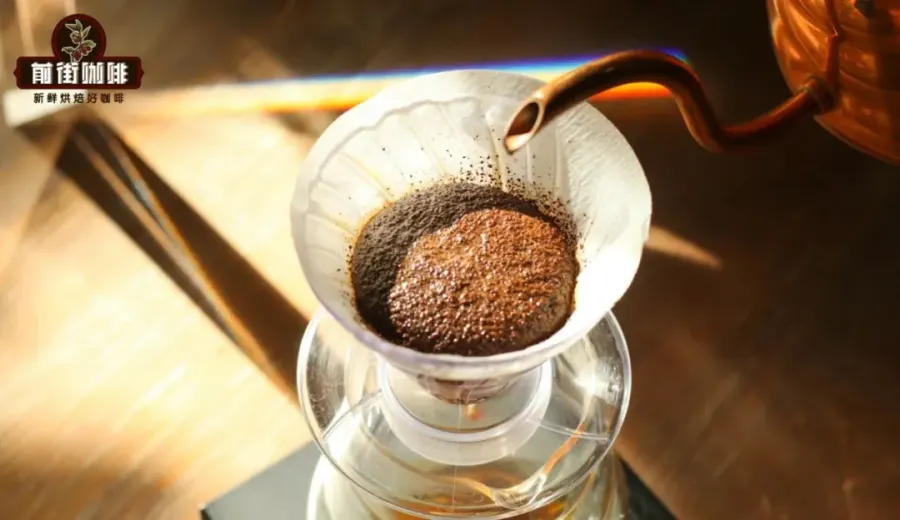
Introduction:The morphology of the coffee bed in pour over brewing is often overlooked, yet it has a decisive impact on flavor. This article delves into how the thickness and shape of the coffee bed alter extraction efficiency and the complexity of the cup. By comparing actual brewing cases using a V60 cone filter and flat-bottom filters, we explore how to choose the right coffee dosage and filter type—helping you brew coffee that’s more balanced or layered.
During the pour over process, the state of the coffee bed plays a critical but frequently neglected role. Both the thickness of the coffee layer and its overall shape directly influence how hot water interacts with the coffee grounds, thereby affecting extraction efficiency and the final flavor profile. Starting from basic principles, this article will thoroughly analyze the mysteries of coffee bed thickness and shape. Through practical examples, you’ll understand why the same coffee beans can exhibit distinctly different flavor characteristics—including variations in complexity and balance—when brewed in filters of different shapes.
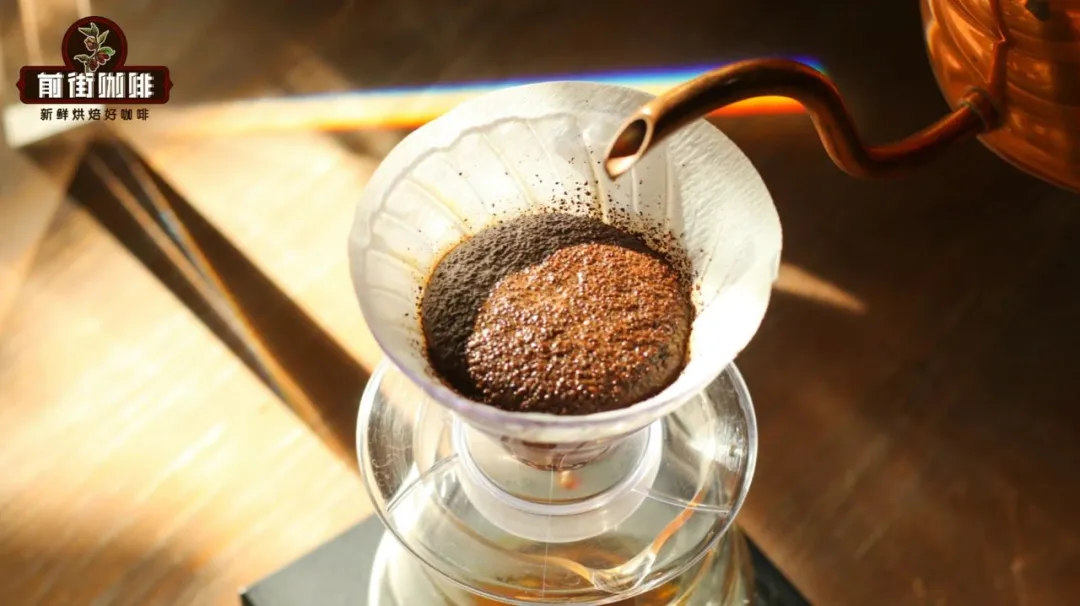
First, let’s discuss the thickness of the coffee bed. The thickness of the coffee layer significantly affects how quickly water passes through and how evenly extraction occurs. When using the same type of filter, a thicker coffee bed means water must pass through more coffee grounds. This not only extends extraction time but also increases the dissolution of flavor compounds, resulting in a more thorough extraction. Conversely, if the coffee bed is too thin, water flows through too quickly with less contact with the coffee, leading to under-extraction and a flat flavor. Additionally, an overly thin bed is prone to channeling—where water finds the path of least resistance, causing localized over-extraction or uneven extraction, which is especially noticeable in precise brewing. For this reason, each filter design recommends an optimal coffee dosage, aiming to maintain an ideal coffee bed thickness for the best extraction results.

Two main factors influence coffee bed thickness: first, the amount of coffee used—more coffee naturally leads to a thicker bed; second, the shape and size of the filter. Even with the same coffee dosage, different filter designs can lead to variations in how the coffee is distributed and how thick the bed becomes. For example, using 15 grams of coffee, the bed in a flat-bottom filter is typically thinner than in a cone filter. Among V60 models, the V60-02 produces a different thickness distribution compared to the V60-01 due to differences in diameter and internal space.
Beyond thickness, the shape of the coffee bed is another crucial factor in extraction. Common filters like the V60 are cone-shaped, resulting in an inverted conical coffee bed that is wider at the top and narrower at the bottom. In contrast, flat-bottom filters produce a coffee bed closer to a cylindrical shape. These differing shapes affect how water flows through the coffee and how long it remains in contact, further influencing the consistency of flavor extraction.

Taking the cone filter as an example, its wider top and narrower bottom mean the center of the coffee bed is usually thicker than the edges. As a result, water tends to concentrate in certain areas during extraction, leading to uneven extraction across different parts of the bed. This lack of uniformity can actually create a richer complexity of flavors, giving the coffee a more three-dimensional profile. In contrast, the coffee bed in a flat-bottom filter is more uniformly cylindrical, allowing for more stable water distribution and a more consistent extraction overall. This leads to a more balanced flavor, with a rounder and smoother mouthfeel.
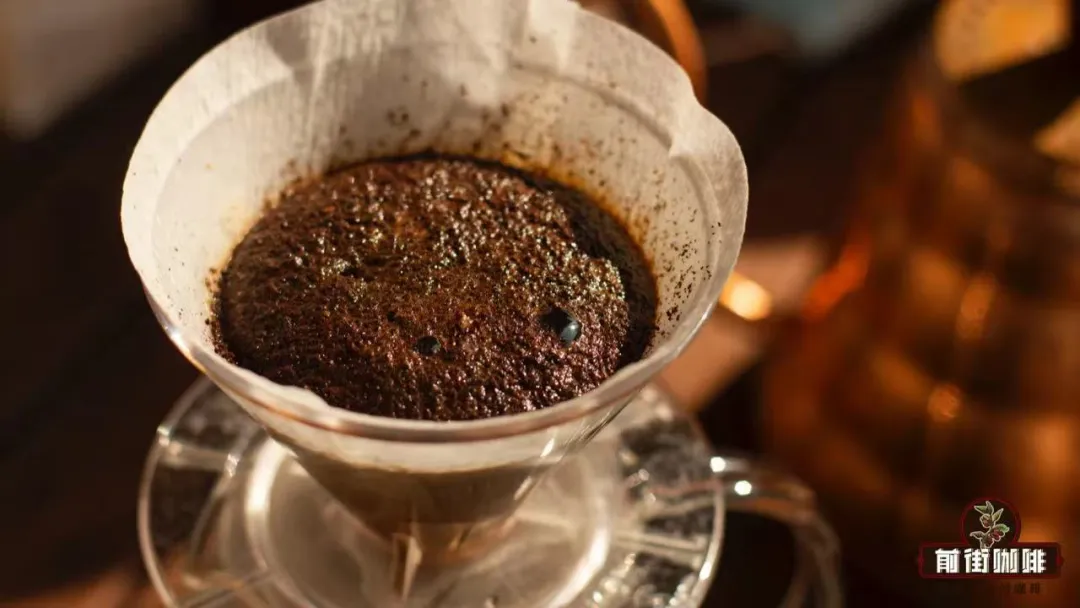
To better illustrate these differences, we conducted a practical brewing comparison test. Using the same medium-light roasted Ethiopian Huakai coffee beans, we brewed with both a V60 cone filter and a flat-bottom filter, observing how the flavor profiles varied. The brewing parameters were as follows: 15 grams of coffee, a 1:15 coffee-to-water ratio, grind size at 75%~80% through a #20 sieve (similar to coarse sugar), water temperature maintained at 92°C, and a three-pour method with a total extraction time of about 2 to 2 minutes and 30 seconds.
The results showed that the Huakai brewed with the V60 cone filter exhibited a more pronounced layering and vibrant burst of flavors. Key notes included bright citrus, berries, apricot, delicate floral tones, and a hint of green tea, delivering a refreshing cup with a long aftertaste. In contrast, the same beans brewed in a flat-bottom filter presented a more balanced and mellow profile. While not as complex as the cone filter version, it showcased a rounded and silky mouthfeel, with the citrus and berry acidity still clear and complemented by a gentle green tea finish.
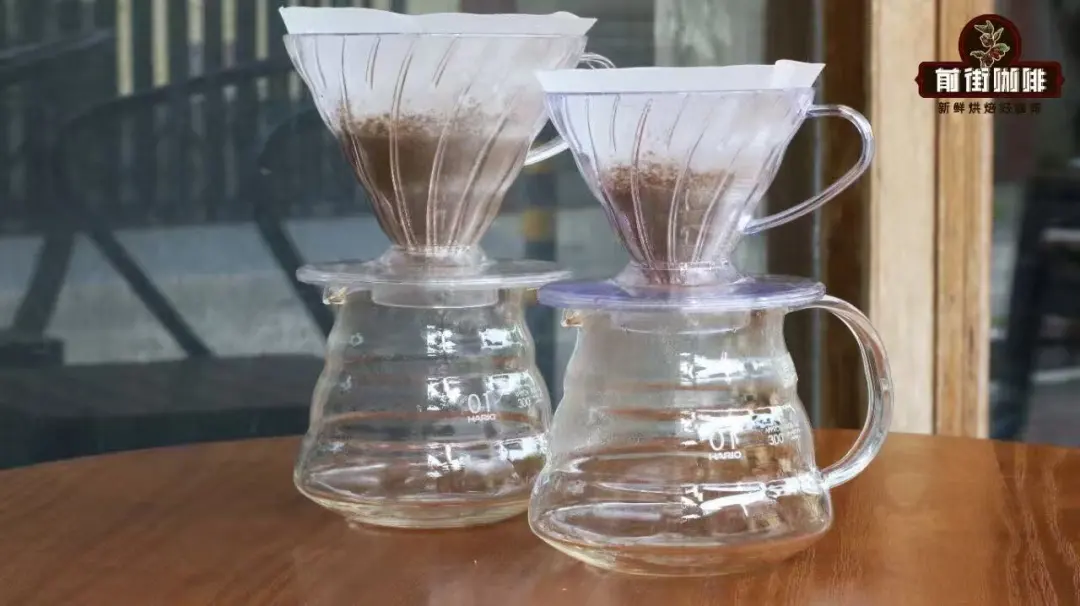
Overall, the comparison reveals that the V60 cone filter, with its unique coffee bed shape and thickness distribution, highlights the coffee’s complexity and individual flavor characteristics—making it ideal for those who enjoy diverse and layered profiles. On the other hand, the flat-bottom filter delivers a more balanced and mellow cup, suiting coffee lovers who prefer a stable and smooth drinking experience. These differences are driven by the thickness and shape of the coffee bed. Understanding these principles will help you make better choices when selecting filters and adjusting coffee dosages—ultimately enhancing both the quality and enjoyment of your pour over coffee.
The above content is compiled by CoffeeHunters, a coffee news website.


