







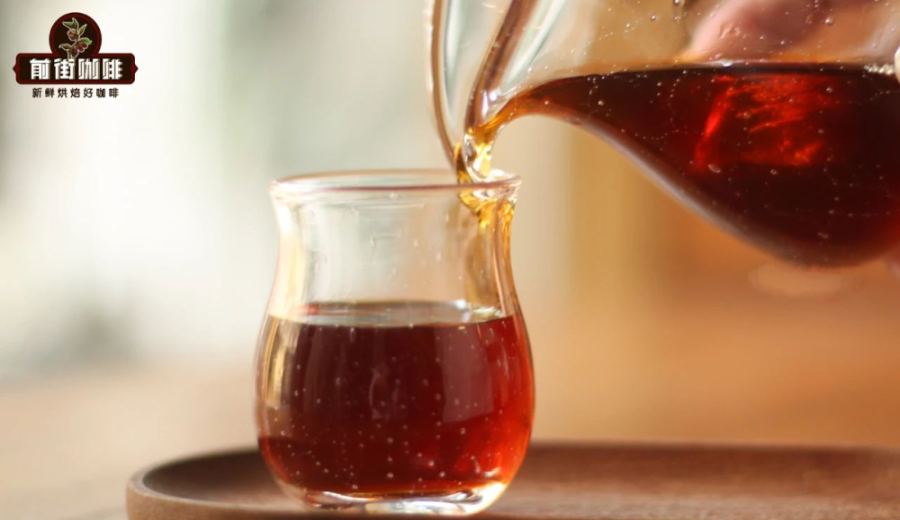
Introduction:To brew an espresso with outstanding flavor, selecting coffee beans with the right roast level is crucial. The three roast levels—light, medium, and dark—each have unique extraction characteristics and flavor profiles. This article will delve into how different roast levels impact the crema and mouthfeel of espresso, explore why blends tend to produce richer crema, and help you master key techniques to elevate your coffee quality.
The flavor of an espresso is actually the result of the combined effects of origin, variety, processing method, roast level, and extraction technique, with roast level playing a pivotal role. It not only influences the balance of acidity, sweetness, and bitterness but also directly affects crema performance and overall mouthfeel. In the professional coffee field, light roast, medium roast, and dark roast are the most common classifications, and their characteristics during espresso extraction vary greatly.
Light RoastThis style emphasizes the regional characteristics of the coffee itself, such as fruity acidity, floral notes, or tea-like qualities. However, due to the harder bean texture and lower caramelization degree, this roast level often poses significant challenges for espresso extraction.When extraction time is short and flow rate is fast,issues such as overly high acidity, thin crema, and flat mouthfeel can easily arise, making it difficult to achieve balanced overall flavor. For example, bean varieties represented by Ethiopia Yirgacheffe, commonly used in pour over styles, may present overly sharp acidity and lack body and sweetness when brewed as espresso. Special attention must be paid to grind size and tamper pressure to achieve better extraction results.
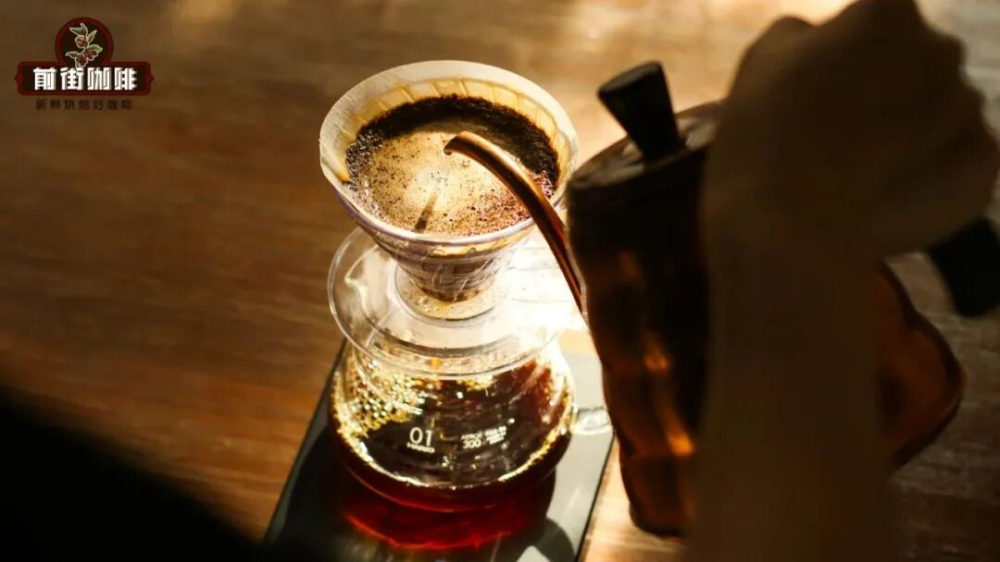
Practical test data shows that when using alight-to-medium roasted Yirgacheffe-flavored beanfor espresso extraction, the recommended dose is 19 grams, aiming for a 38-gram yield, with a total extraction time of about 20 seconds, and a grind setting of around Galileo Q18-2.0. However, even under these conditions, the resulting crema often appears only as a ring at the edge of the cup, with a pale yellow color and thin oil texture. When served hot, the coffee clearly exhibits high acidity and low body, with flavors concentrated on citrus and nuts but lacking robust coffee essence to support it, making it prone to monotony. This reflects the limitations of light roast beans in high-temperature, high-pressure extraction environments.
Medium Roaststrikes a balance between acidity/sweetness and body, and is the preferred choice of many baristas and consumers. This roast level retains some of the original flavor while producing moderate sweetness and aroma through Maillard and caramelization reactions, resulting in a rounder overall mouthfeel—suitable for those who prefer less acidity or bitterness.
Taking beans from regions like Brazil or Yunnan as an example, commonly subjected to medium roast after sun-drying or honey processing, they can bring out layers of caramel, nut, and dark chocolate aromas. When extracting espresso,the flow rate is moderately fast,with crema appearing light brown with tiger striping. While the overall flavor is harmonious, the body remains moderate, and aroma persistence is somewhat lacking. For instance, using a 2013 natural Typica, with 19 grams of coffee yielding 38 grams in about 24 seconds and a Galileo Q18-2.0 grind, the resulting crema is somewhat thin but evenly colored. The cup offers mature plum acidity with mild sweetness, and a tea-like aftertaste, but still struggles to support the intense flavor intensity expected of espresso.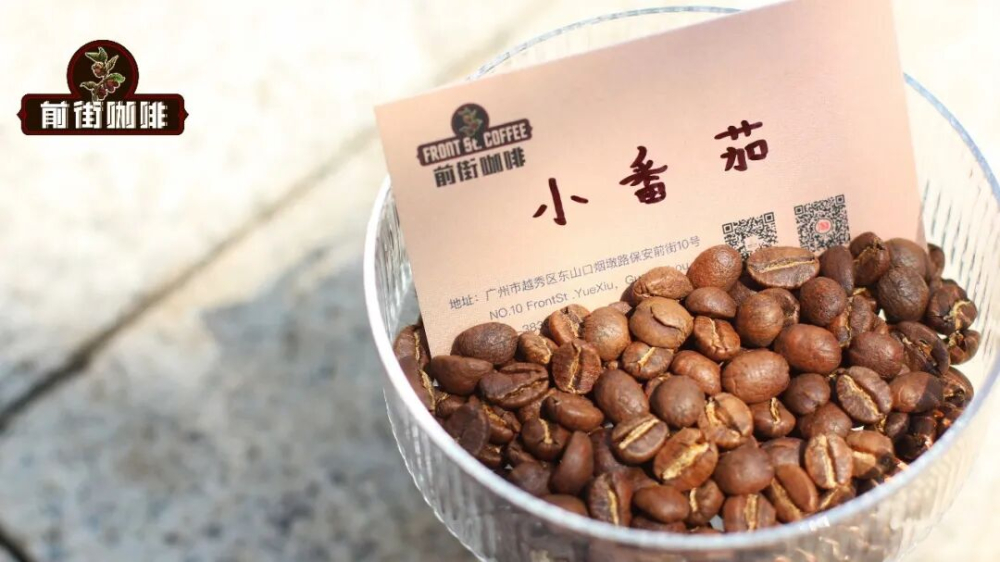
As forDark Roast,it is the classic first choice for espresso. These beans have a looser structure, with internal compounds deeply caramelized to release abundant oils and intense aromas—including black chocolate, caramel, roasted nuts, and even spicy notes. They offer high body, noticeable bitterness but well-balanced, making them an ideal base for rich, full-bodied espresso.
Common blends found in professional coffee shops are predominantly dark roasted, as blending techniques can combine beans from different origins and processing methods to further enhance flavor complexity and stability. For example, the classic Mocha-Java blend combines Sumatra Mandheling with Brazilian beans, and the inclusion of Robusta enhances crema texture and aroma intensity. In practical tests, using a classic Italian blend as an example—with 19 grams yielding 38 grams in 29 seconds and a Galileo Q18-2.2 grind—the crema is thick, deep brown, and features clear tiger striping. The aroma is rich, including black chocolate, roasted hazelnuts, and peanut notes. When served hot, the mouthfeel is rich and smooth, with almost no acidity and pronounced sweetness, and even more caramel sweetness upon cooling—demonstrating the comprehensive advantages of dark roast beans in extraction.

Overall, dark roast not only helps enhance crema yield and texture but also imparts a richer aroma profile and fuller mouthfeel to espresso. Blends, by combining characteristics from multiple bean sources and being professionally roasted to achieve better caramelization balance, can produce denser, more stable crema—this is also one reason why single-origin beans often struggle to match blends in espresso preparation.
Whether you’re just starting out or already an experienced coffee enthusiast, understanding how different roast levels affect espresso will help you make more accurate decisions in bean selection, grinding, and extraction parameters—further enhancing the quality and flavor expression of every cup.
The above content is compiled by CoffeeHunters, a coffee news website.


