







Introduction:Why does the same coffee bean often lack strong aroma and taste thin when brewed at home? The issue usually lies in two key factors: concentration and extraction yield. By optimizing the coffee-to-water ratio, water temperature, and grind size, you can significantly improve the aroma and complexity of your coffee. This article delves into the characteristics of light and dark roasted beans, providing two practical brewing parameter sets to guide you step-by-step in crafting a pour over coffee with rich flavor.
Have you ever used the same beans as a café but found that your pour over always has less concentrated aroma and a weaker taste? In fact, this issue mostly stems from two critical factors—insufficient concentration and under-extraction. Mastering the correct brewing parameters is the key to truly unlocking the flavor potential of your coffee.
Insufficient Concentrationrefers to coffee that, although adequately extracted, is diluted due to excessive water volume, resulting in a flat and unremarkable taste lacking depth. On the other hand,under-extractionoccurs when parameters such as water temperature and grind size are not properly adjusted, preventing the full release of aromatic compounds and flavor components from the coffee beans. The result is a dull, monotonous cup, often missing the expected fruity or caramel notes.
The root of these two problems actually lies in improper brewing parameter settings. By finding the right coffee-to-water ratio, water temperature, and grind size, you can noticeably enhance your coffee’s flavor. Next, we’ll tackle these two aspects to help you brew a pour over coffee with more vibrant aroma and clearer flavor.
First, determine whether your coffee suffers from insufficient concentration or poor extraction efficiency. If it's a concentration issue, the key to improvement lies in adjustingthe coffee-to-water ratio. Under the same extraction conditions, the larger the ratio, the higher the coffee concentration; conversely, the lower the ratio, the weaker the concentration.
For example, many professional baristas recommend a coffee-to-water ratio of 1:151:15, meaning 1 gram of coffee to 15 milliliters of water. This ratio generally delivers balanced flavor and moderate concentration—not too weak nor overly intense. If using a thinner ratio such as 1:16 or 1:17, consider increasing the coffee amount or reducing the water volume to see if the coffee’s concentration improves.
If, after adjusting the coffee-to-water ratio, the concentration is adequate but the aroma still feels weak and the flavors unclear, the issue might beinsufficient extraction efficiency. In this case, you’ll need to improve parameters like water temperature, grind size, and brew time.
Common causes of under-extraction include low water temperature, too coarse a grind, overly gentle brewing techniques, or too short a total brew time—all of which affect the release of flavor compounds in the coffee. If you’d rather not experiment one by one, you can also directly reference the following two sets of tested brewing parameters suitable for different roast levels, which can easily enhance flavor expression.
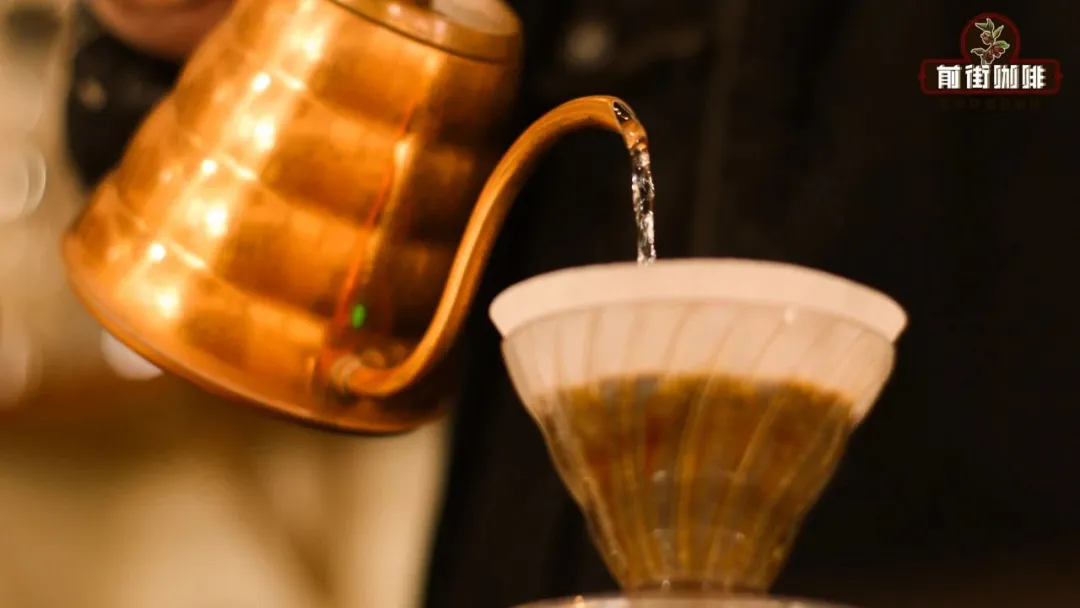
For light to medium roasted coffee beans—such as those with prominent floral, citrus, or tropical fruit notes—due to their lighter roast level and denser bean structure, more efficient extraction parameters are required to fully highlight their floral-fruity aromas and bright acidity.
Recommended parameters are as follows:
- Coffee dose: 15 grams
- Coffee-to-water ratio: 1:15
- Grind size: about 75%–80% through a #20 sieve (medium-fine grind)
- Water temperature: 91–93°C
- Brew time: 2 minutes to 2 minutes 30 seconds
- Filter cone: V60
- Brew method: three-pour technique
Beans such as Ethiopian Huila, Kenya Little Tomato, or Sidamo are well suited for these parameters, showcasing their fresh, bright fruit and floral profiles.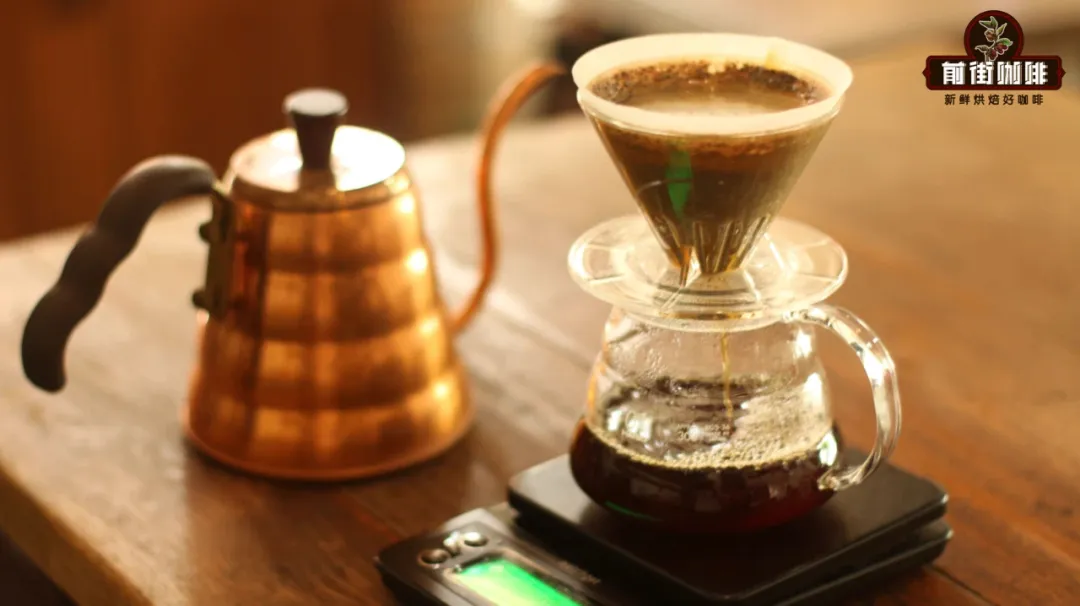
For medium-dark or dark roasted coffee beans—like those with chocolate, caramel, nutty, or toasted flavors—due to their darker roast and looser internal bean structure, flavor compounds are more readily released. Therefore, it’s recommended to use lower extraction efficiency to avoid bitterness from over-extraction.
Recommended parameters are as follows:
- Coffee dose: 15 grams
- Coffee-to-water ratio: 1:15
- Grind size: about 70%–75% through a #20 sieve (medium-coarse grind)
- Water temperature: 86–89°C
- Brew time: about 2 minutes
- Filter cone: Kono
- Brew method: three-pour technique
Beans such as Jamaican Blue Mountain No.1, Golden Mandheling, or Brazilian Yellow Bourbon benefit from these settings, balancing sweetness and body while highlighting their rich nutty and caramel notes.
In summary, whether you’re brewing light-medium or medium-dark roasted beans, dialing in the right concentration and extraction parameters is key to elevating your pour over coffee’s flavor. The above two parameter sets have been tested in practice and can effectively address issues like weak aroma and flat taste.
However, it’s important to note that the success of these parameters assumes the coffee beans are sufficiently fresh. If the beans are stale or poorly sealed, causing aroma loss, even the most precise parameters may fail to produce satisfying coffee. Therefore, choosing freshly roasted beans is also essential to ensuring outstanding flavor.
The above content is compiled by CoffeeHunters, a coffee news website.


