







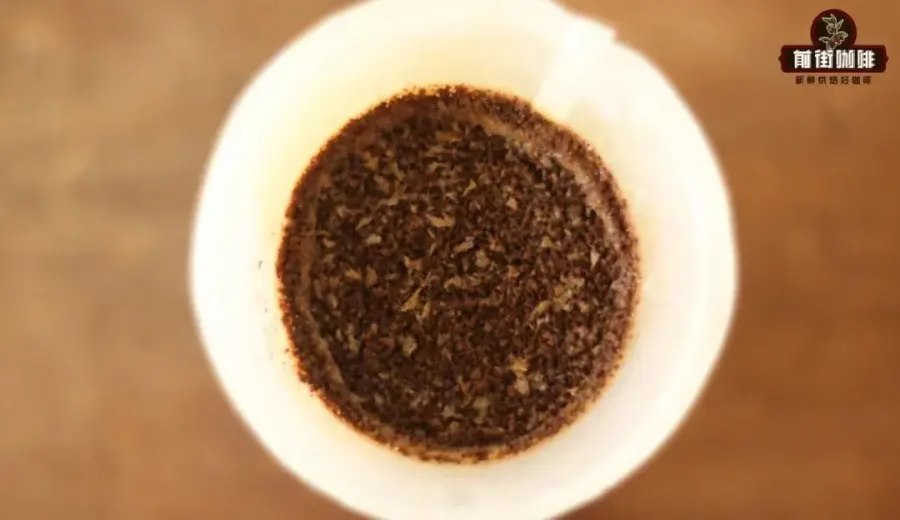
Introduction:Many beginners believe that the deeper and more even the coffee bed in pour over brewing, the better the flavor. In reality, the shape of the coffee bed mainly reflects your pouring technique and has no absolute correlation with the taste of the coffee. This article delves into the common reasons behind a flat coffee bed, debunks the beginner’s misconception that “a pretty coffee crater equals great-tasting coffee,” and shares three practical tips: controlling water flow rate, focusing the pour area, and selecting beans with the right roast level. These will help you consistently create deep and symmetrical coffee beds at home, improving overall extraction quality.
Many who are new to pour over brewing often hold a common misconception: they think the deeper and more symmetrical the coffee crater, the more aromatic and flavorful the coffee will be. However, the final shape of the coffee bed merely reflects how you pour the water during brewing and does not have a direct causal relationship with the coffee’s flavor profile. Starting from a common question among beginners, this article explains why some specialty coffee coffee beds appear flatter and identifies the real factors that influence coffee taste. We’ve also compiled three key pointers to help you adjust your pouring technique so you can easily brew at home with deep and aesthetically pleasing coffee beds.
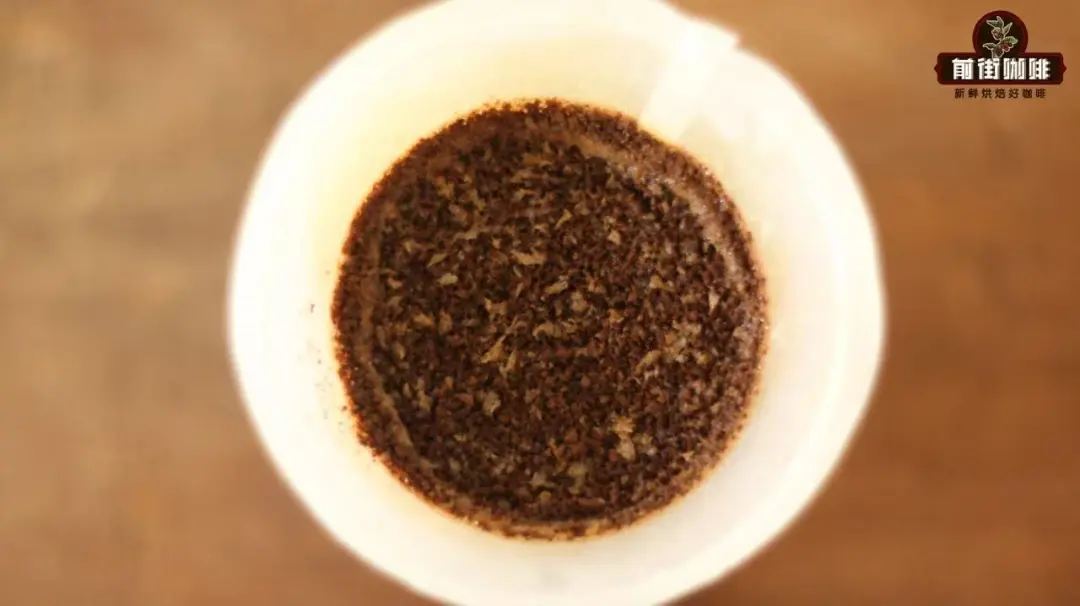
For example, many beginners, after brewing at home, find their coffee beds always end up flat without any texture. They then look for ways to adjust, hoping to create those deep, round craters seen online, thinking it will enhance the coffee’s flavor. But in fact, the shape of the coffee bed does not directly indicate the quality of extraction. The final appearance of the coffee bed is primarily determined by factors such as pouring speed, water flow direction, and pouring height. With the right technique, regardless of how the coffee bed looks, you can still achieve ideal extraction.
Whether a cup of pour over coffee tastes good depends on successfully extracting the desirable flavor compounds from the coffee grounds and achieving your preferred concentration and balance of mouthfeel. What truly affects these aspects are the coffee bean variety you choose and the overall brewing parameters you set—such as water temperature, grind size, and coffee-to-water ratio. As long as these parameters are properly configured, even a relatively flat coffee bed can still produce a coffee with outstanding flavor and rich layers. For instance, the multi-step pouring method often shared by certain coffee shops is a technique that effectively controls extraction and avoids over-extraction or under-extraction.

This multi-step pouring method typically divides the total water volume into several pours, with each pour being smaller in volume. This allows the hot water to interact more thoroughly with the coffee grounds, resulting in a more uniform extraction. This method is often used for brewing coffee beans with bright acidity and delicate flavors, such as Yirgacheffe Guji Dingding. By pouring in stages, the intense water flow impact from a single pour is reduced, helping to stabilize the release of flavor compounds. Coffee brewed this way, such as Yirgacheffe Guji Dingding, often exhibits a balanced sweet and sour profile, a clean and full mouthfeel, and clear flavor layers—allowing notes of jasmine, lemon, berries, and green tea to shine through distinctly.
So why does the coffee bed often appear flatter when using this multi-step pouring method? The reason lies in the relatively small amount of water poured each time, resulting in gentler water pressure. The coffee grounds are less likely to be significantly disturbed or shifted by large volumes of water, making it difficult to form deep and noticeable craters. Additionally, some coffee beans are naturally denser and less prone to floating with the water flow, which also affects the final shape of the coffee bed. For this reason, such beans are generally recommended to be brewed using a gentler method to avoid channeling that could compromise extraction stability.
From this, we can see that the appearance of the coffee bed cannot be directly used as a basis for judging whether the coffee will taste good. If you still hope to brew at home with deep and symmetrical craters, you actually only need to master a few simple techniques to effectively improve both the visual effect of the coffee bed and the extraction performance. Below are three practical brewing tips. By paying attention to these details during your pour, you can greatly increase your chances of achieving a beautiful coffee bed.
The first tip is to moderately increase the speed of your water pour. When your pouring speed exceeds the drainage speed of the filter cone, hot water will accumulate inside the cone, creating a certain water level height. This water pressure pushes the coffee grounds upward. As the water level gradually drops, the coffee grounds will cling to the higher inner walls of the filter cone, forming a deep crater. Remember, the force and speed of the water flow are key—but be careful not to pour too forcefully, which can lead to over-extraction.
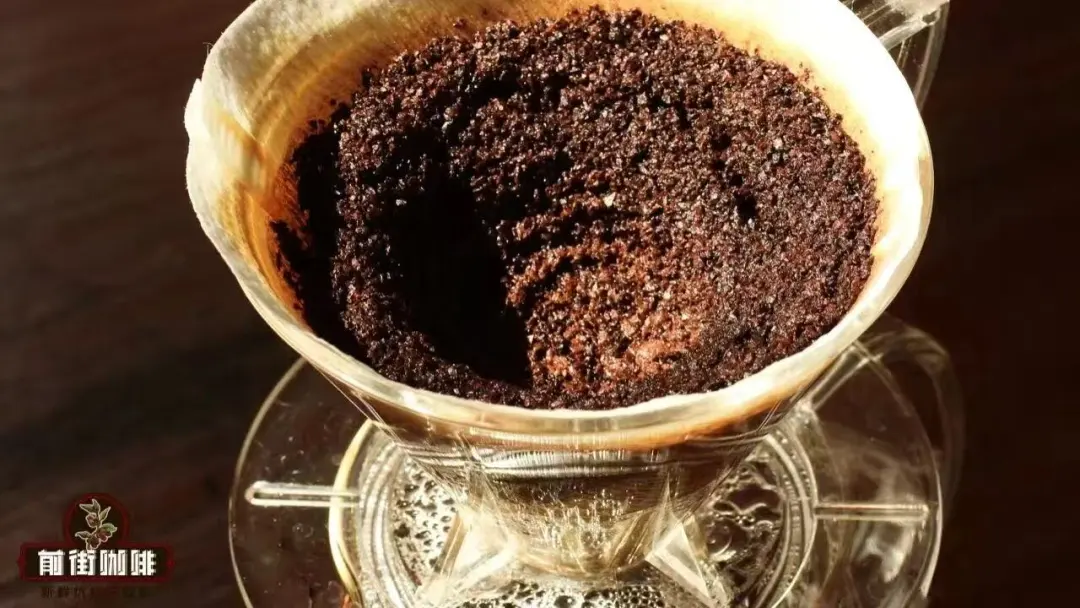
The second key point is to focus your pouring area. Many people, while brewing, unintentionally wash away coffee grounds attached to the edge of the filter cone—perhaps in an attempt to improve overall extraction efficiency or simply to make the coffee bed look neater. However, such actions can actually disrupt the formation of the crater, because once the edge grounds are dispersed, it becomes difficult to maintain the deep structure of the central coffee bed. It’s recommended to pour the hot water concentrated at the center point of the filter cone, avoiding the walls as much as possible. This not only helps shape the crater but also reduces the occurrence of bypass water, ensuring a more focused and pure flavor.
The final key is choosing the right coffee beans. It’s advisable to avoid using beans that are roasted too lightly or are overly dense, as high-density coffee grounds are harder to move with the water flow. Even if you use a relatively strong water flow, the coffee bed may not rise accordingly, causing the coffee layer to settle too quickly and potentially worsening the bypass water issue. On the other hand, choosing coffee beans with moderate density and roast level—such as dark-roasted Golden Mandheling—can make the grounds easier to lift with the rising water level. When the water level drops, it can naturally form a deep and symmetrical crater. Not only does this look appealing, but it also contributes to stable extraction performance.
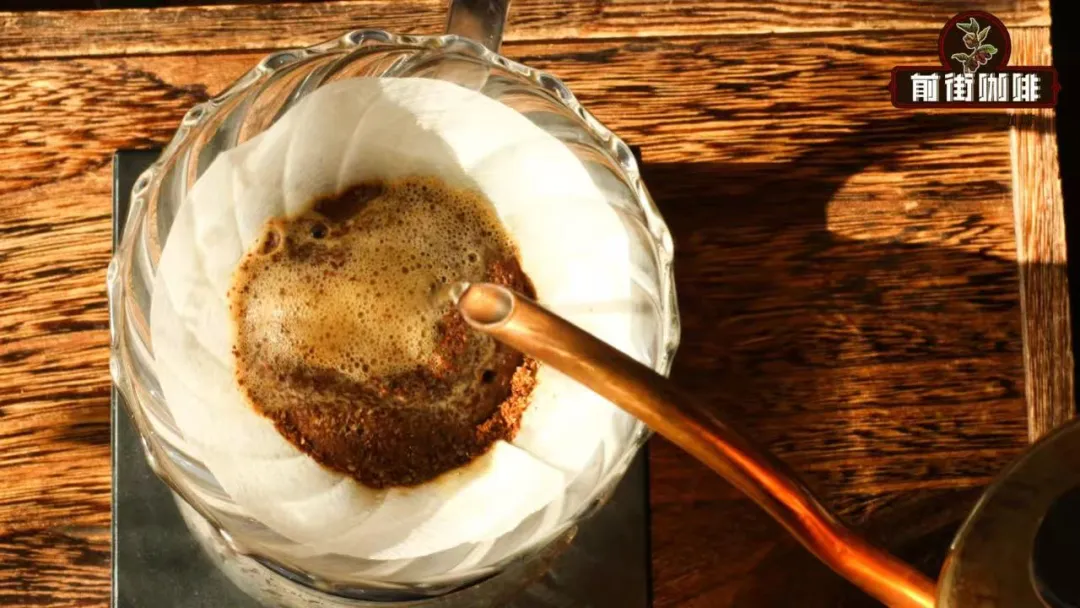
In summary, if you want to brew at home and achieve that deep and aesthetically pleasing coffee bed in pour over coffee, don’t obsess too much over whether the appearance is perfect. The key is understanding the reasons behind the coffee bed’s shape and adjusting factors like water flow speed, pour focus, and bean selection. By doing so, you can effectively enhance both the visual appeal of the coffee bed and overall extraction quality. Remember, while a pretty crater is nice to look at, what truly determines the flavor of your coffee are your brewing parameters and the details of your technique.

The above content is compiled by CoffeeHunters, a coffee news website.


