








Introduction:The coffee Combo is an innovative way to split a single shot of espresso and craft it into different flavor profiles, which are then combined into a set. It has gained widespread popularity. However, ensuring that each cup showcases outstanding flavors is no easy task. This article delves into how to select the most suitable coffee beans for making Combos based on roast level, fermentation processing method, and proportion adjustments, while also providing practical extraction and combination tips to help elevate your coffee experience every time.
In recent years, the "coffee Combo," where a single shot of espresso is divided, made into different drinks, and then served as a set, has become increasingly popular. This format not only allows customers to enjoy the diverse expressions of the same coffee beans in one go but also appeals to many coffee enthusiasts because each serving is small in portion, avoiding any sense of fullness. However, in practice, it’s common to encounter situations where one of the drinks in the combo doesn’t perform as expected—either being overly bitter or lacking in flavor and aroma. So what’s the issue? Is it the wrong bean selection or a mistake in the brewing process? This article will analyze key factors such as bean characteristics, roast level, fermentation processing method, and extraction ratios one by one to help you master the tricks of selection and brewing.

A coffee Combo refers to the creative coffee format where a single extracted shot of espresso is divided into two or three parts, each processed differently (such as black coffee, milk coffee, etc.), and then combined into a set. Because it allows consumers to experience multiple possibilities of the same coffee bean in a single session, and each cup is small in portion without causing bloating, it is beloved by consumers and has gradually become a favorite among many coffee shops. However, this seemingly simple combination method can lead to one cup underperforming if there’s even a slight oversight in bean selection or extraction adjustment, affecting the overall flavor presentation.
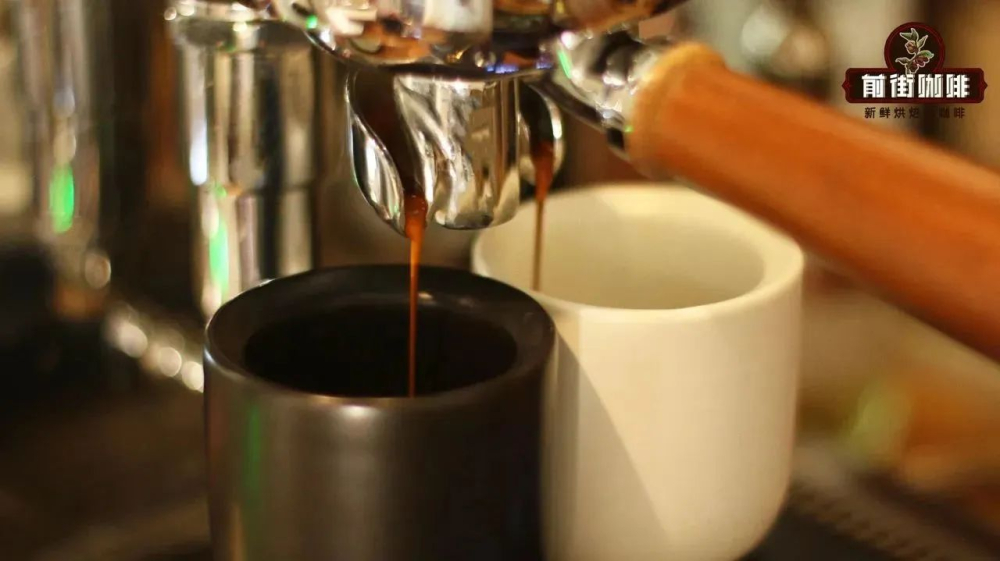
Many people assume that only certain flavor-profiled coffee beans are suitable for making Combos, but in fact, almost all coffee beans can be used, since the essence of a Combo is breaking down and reassembling a single shot of espresso. However, if you want each cup in the Combo to have a distinct personality and unforgettable flavor, then bean selection becomes crucial. Especially the layers of aroma and flavor often determine the success of a Combo. Below, we’ll analyze in detail how to choose the right coffee beans from aspects such as roast level and fermentation processing method.
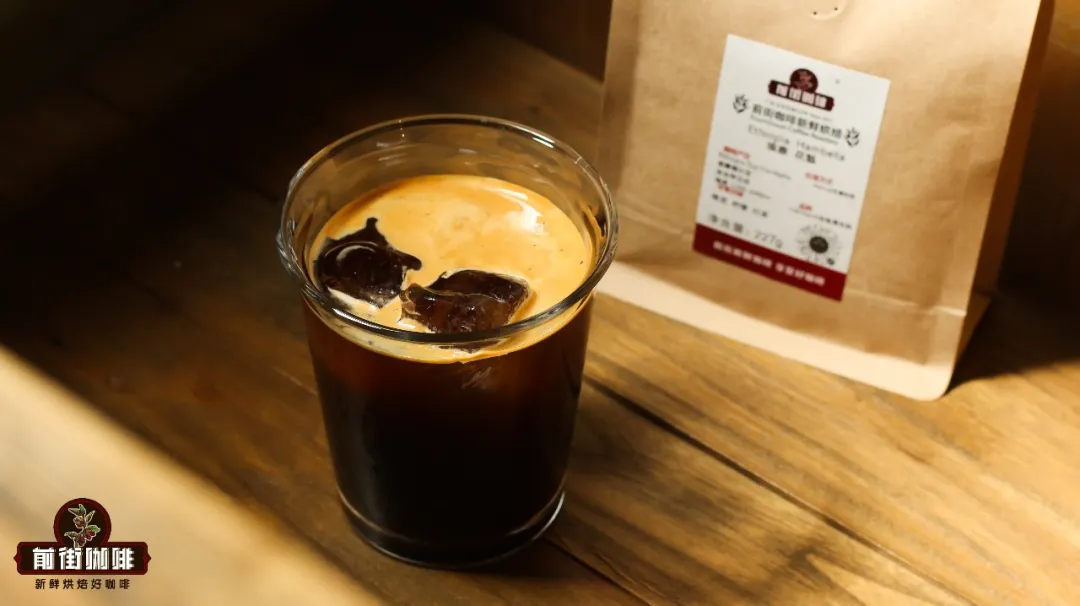
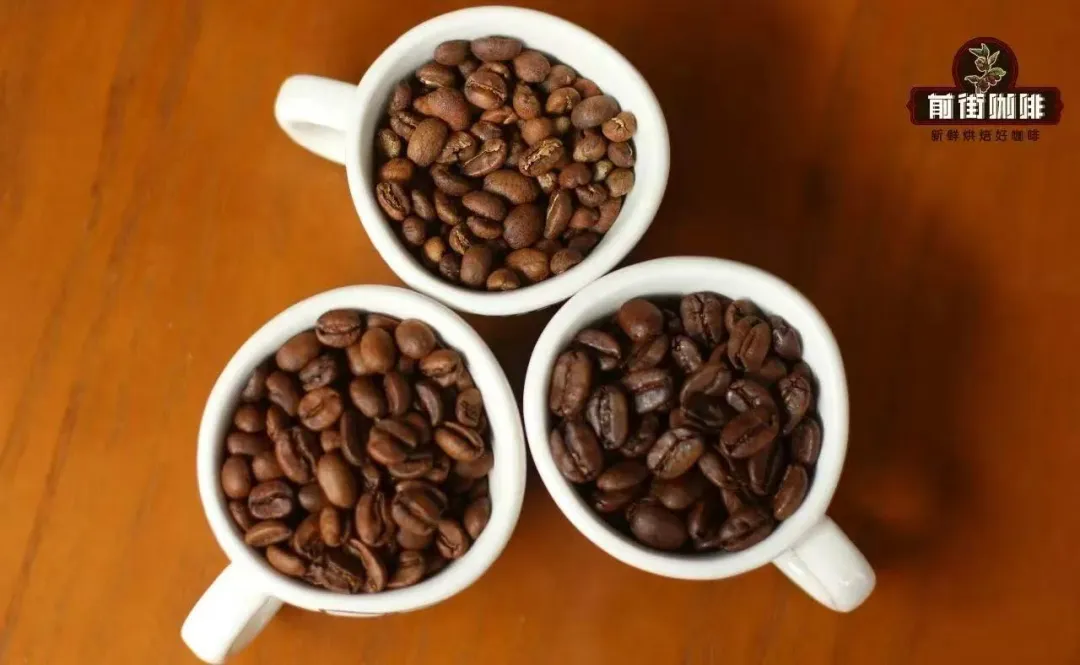
First, the choice of roast level is crucial. If you want each cup in the Combo to exhibit good aroma and flavor, it’s recommended to avoid choosing coffee beans that are roasted too dark or too light. Overly dark roasts often impart intense burnt bitterness to the coffee, not only masking the bean’s inherent characteristics but also potentially making the overall flavor monotonous and heavy. On the other hand, overly light roasts may result in weaker sweetness and lower oil content due to insufficient caramelization reactions. Improper time control during extraction can easily lead to under-extraction, making the coffee taste bland, especially when milk is added, as the flavor can become even more diluted.It is recommended to choose medium-roast or medium-dark-roast coffee beans— these types of beans usually achieve a good balance between bitterness and sweetness and can present rich layers of flavor, making them ideal for making Combos.
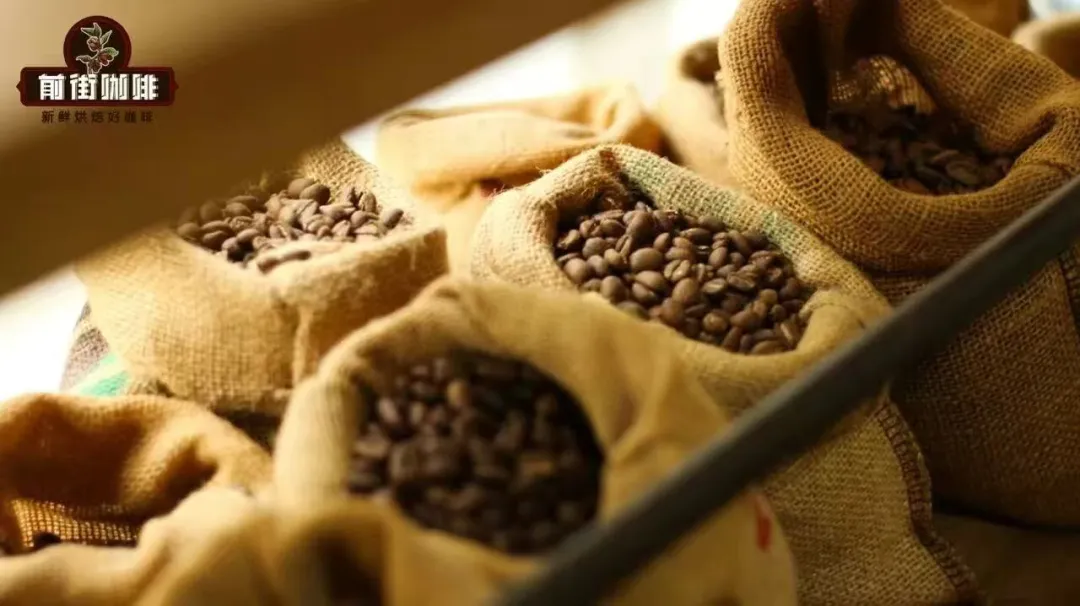
In addition to roast level, the fermentation processing method is also a key factor influencing the flavor expression of coffee. If you want each cup in the Combo to showcase richer and more distinctive flavors, it’s advisable to prioritize coffee beans that usedeeply fermented processing methods, such as natural (sun-dried), anaerobic fermentation, or honey processing. These methods promote internal fermentation reactions within the coffee beans, thereby releasing more complex and intense aromas, such as tropical fruits, floral notes, and honey, resulting in a coffee with more layers and memorability. Many coffee shops specifically select beans that have undergone such processing when making Combos to enhance the overall flavor experience.
In fact, many coffee shop menus already include beans that meet both the criteria of "medium to medium-dark roast" and "deep fermentation processing." These beans typically have distinct and appealing aroma profiles, such as tropical flavors like mango, citrus, and magnolia, or complex aromas like grape, passion fruit, and fruit wine. These characteristics not only enhance the drinking experience of a single cup but also present richer contrasts and layers within a Combo.
After selecting the right coffee beans, the subsequent extraction and combination steps are equally important. First, in terms of coffee dosage, since a Combo requires dividing a single shot of espresso into multiple cups, using too little coffee grounds initially may result in insufficient coffee liquid per cup, affecting the overall drinking experience. Therefore, it’s recommended to moderately increase the coffee dosage to ensure sufficient extraction yield per serving, especially in commercial production scenarios. Additionally, before officially serving, it’s advisable to test the extraction status of that batch of espresso by making a latte or another milk coffee to confirm whether its acidity-sweetness balance and bitterness intensity are suitable for further crafting composite drinks.
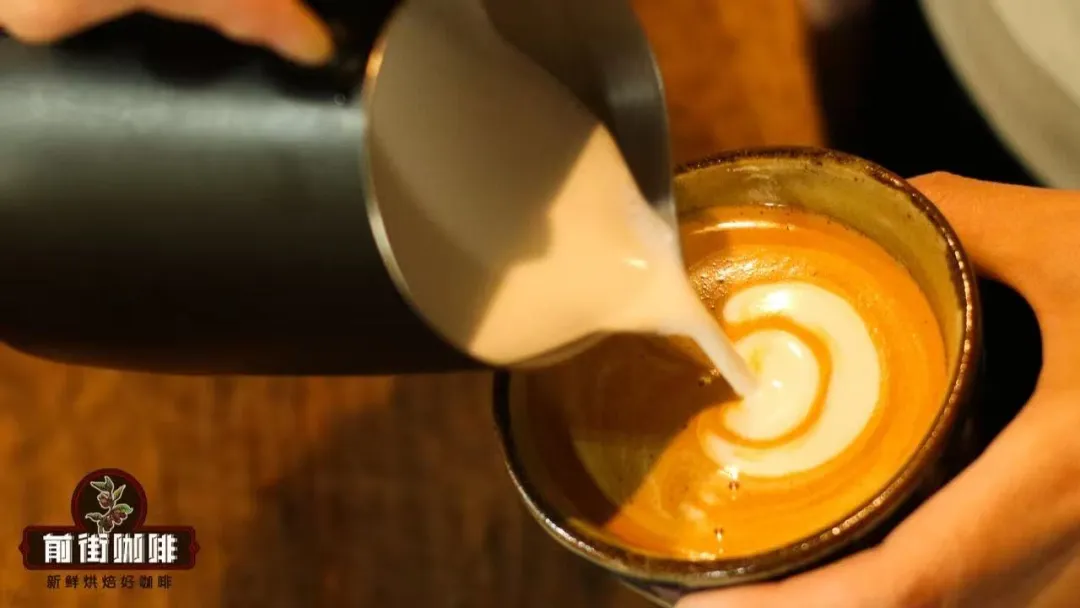
Especially for milk-based coffees like lattes, if the base espresso lacks bitterness, it can easily end up tasting weak or monotonous after adding a large amount of milk. Therefore, during extraction, slight adjustments can be made to the espresso intended for milk coffee—for example, extending the extraction time slightly or increasing the pressure to enhance its flavor concentration and layers. Moreover, since the coffee beans used in Combos often tend toward medium-light roasts, their overall flavor intensity is not as strong as that of dark roasts. Therefore, when adjusting the ratio of coffee to milk or water, it’s recommended to moderately increase the proportion of coffee—for instance, adjusting the coffee-to-milk ratio in a latte to 1:4 to 1:4.5—to avoid excessive liquid diluting the coffee’s inherent aroma and flavor characteristics.
The above content is compiled by CoffeeHunters, a coffee news website.


