







Introduction:Choosing the right roast level is key to crafting an outstanding SOE espresso. This article dives deep into the flavor characteristics of light, medium, and dark roasts, explains why extreme roast levels are often unsuitable for single-origin espressos, and introduces three practical SOE bean flavor profiles, along with brewing recommendations and tips to help you understand the perfect pairing of roast and extraction.
Roast level is one of the most important elements in shaping a coffee’s final flavor. From green bean to cup, the roasting stage accounts for roughly 30% of the overall flavor formation. This article will detail the Maillard reaction and caramelization that coffee beans undergo during roasting, analyze the flavor profiles brought by different roast levels—light, medium, and dark—and answer a common question among coffee enthusiasts: why are light and dark roast beans usually not suitable for making single-origin espresso (SOE)? In addition, based on actual bean offerings, we’ll provide recommended roast ranges and extraction parameters suitable for SOEs, helping you gain a more comprehensive understanding of the relationship between roast and espresso.
From a raw bean to a rich cup of coffee, the entire process—including harvesting, processing, selection, roasting, and extraction—affects the final flavor. Among these, roasting is one of the most influential stages in transforming a coffee’s character, significantly impacting its aroma, the balance of acidity, sweetness, and bitterness, and even the body or mouthfeel.
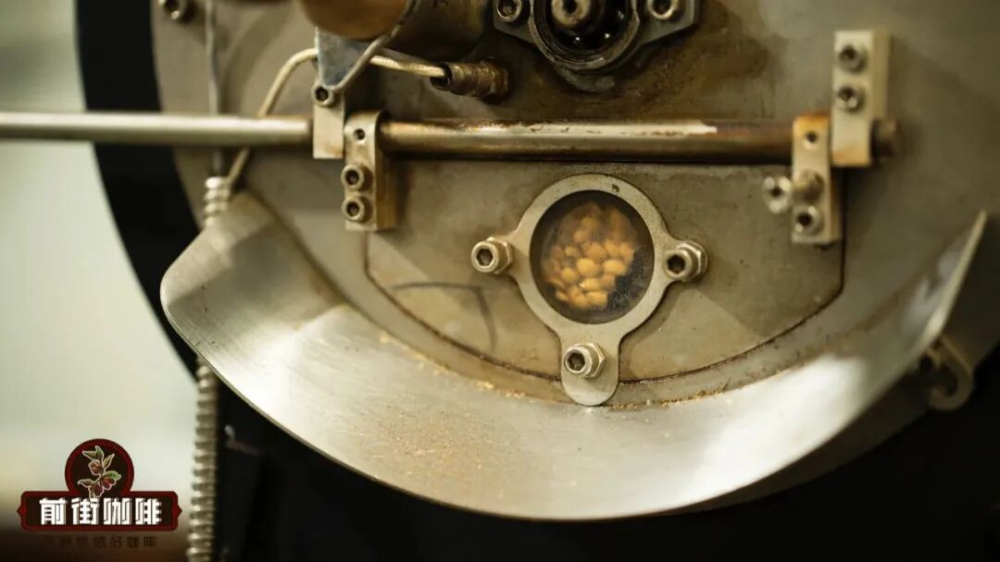
Coffee beans contain a wealth of chemical compounds. When roasted at high temperatures, a series of complex chemical reactions occur, such as the Maillard reaction and caramelization. The Maillard reaction primarily involves the interaction of sugars and amino acids under heat, producing hundreds of compounds that not only affect the coffee’s color but also form the core of its flavor complexity. Caramelization is the dehydration, cracking, and browning of sugars under heat, which further enhances the coffee’s aroma and sweetness while deepening its color.
Under the interplay of these reactions, the balance of acidity, sweetness, and bitterness changes with variations in roast time and temperature. Generally speaking, the longer the roast time, the more the acidity fades and the bitterness becomes more pronounced. Therefore, roast level is not just a flavor adjuster but a key factor in shaping a coffee’s personality.
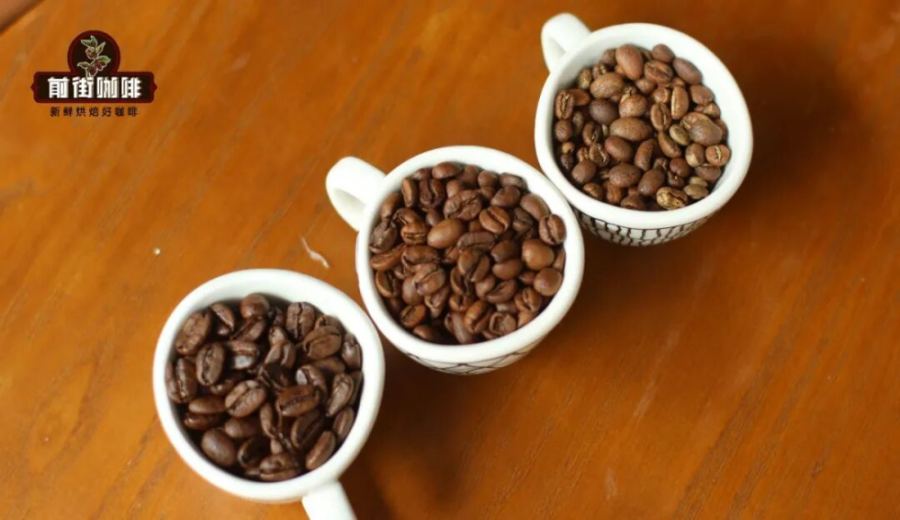
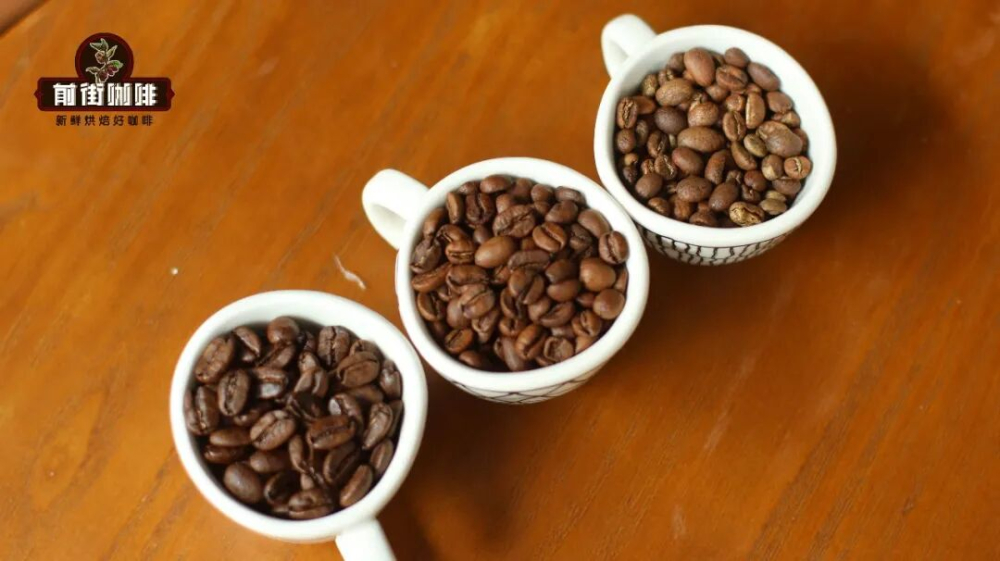
Coffee roast levels can be broadly divided into three categories: light roast, medium roast, and dark roast, each corresponding to a distinct flavor profile.
Light RoastUsually retains more of the bean’s origin flavors, with bright acidity often featuring fruity, floral, citrus, berry, or melon-like freshness. It’s well-suited for showcasing regions with vibrant acidity, such as certain African or Central American beans.Medium RoastStrikes a balance between acidity and sweetness and bitterness, offering more mellow notes like nuts, caramel, malt, and cocoa. The flavor is rounder and more layered, making it suitable for most coffee drinkers.Dark RoastEmphasizes bold and heavy body, often with aromas of chocolate, caramel, spices, woodiness, and smokiness. The bitterness is pronounced, while the acidity is relatively weak, and it’s commonly used in traditional espresso blends.
Many people mistakenly assume that “acidic means light roast, bitter means dark roast,” but in reality, flavor expression depends not only on roast level but also on bean variety, origin, and processing method. Therefore, when designing roast curves, roasters must consider not only the bean’s potential but also the desired flavor outcome and market demand—skills that require solid technical foundation and keen sensory judgment.
So, what roast level is truly suitable for making SOE (single-origin espresso)?
SOE refers to espresso made from a single-origin coffee bean. Compared to common blended espresso, SOE places greater emphasis on the unique flavor character of the origin. In traditional blended espresso, mixing beans from different origins and roasting them to a medium or dark level achieves balanced flavor and stable extraction—for example, the recently launched Autumn Chestnut blend, roasted to medium, highlights cocoa, spice, and roasted nut aromas, with soft acidity and an overall delicate and balanced taste.
However, single-origin coffee aims to highlight its origin flavors—such as the common fruity notes in African beans—and roasters often opt for lighter roast levels to preserve more acidity and fruitiness. But those bright, complex acids and aromas that shine in pour over methods can become overly sharp or one-dimensional under the high pressure of an espresso machine, leading to imbalanced espresso flavors—either too piercing or muted, unable to showcase their intended layers or identity.
Therefore, to successfully brew an excellent-tasting SOE, besides choosing the right roast level, precise control of various extraction parameters—including water temperature, grind size, brew time, and coffee-to-water ratio—is essential to fully bring out the bean’s potential and avoid over-extraction or under-extraction.
Generally speaking,Light-roast SOE beanstend to produce thin or astringent flavors if extracted improperly due to their harder bean structure; whereasdark-roast SOE beansmay mask the origin’s delicate characteristics with excessive roastiness and bitterness, resulting in a heavy and monotonous overall flavor. Therefore, it’s recommended to choosemedium-roast beans or those with good flavor expression,which retain origin traits while ensuring stable extraction.
Here are three practical and popular SOE flavor types and recommendations:
1. Refreshing Flavor Type: Such as Huakui SOE, Gran Selezione Geisha SOE, and Red Cherry SOE. These beans produce less crema with a lighter yellowish hue after extraction, featuring prominent berry, citrus, and caramel aromas, with balanced acidity and sweetness and a clean aftertaste. When milk is added, they reveal honey and nut-like smoothness.
2. Bold Fermented Flavor Type: Such as Xi Zha and Blackberry series. These beans are often processed using honey or anaerobic fermentation methods, delivering intense fruitiness and fermented sweetness. In pour over, they show high-sweetness flavors like raisin, melon, and mango. As SOEs, they present rich tropical fruit and fermentation layers, ideal for those who enjoy bold flavors.
3. Balanced and Full-Bodied Flavor Type: Such as Queen Estate and Bird of Paradise. These beans are mostly medium-roasted, combining caramel sweetness with moderate acidity, offering a round and full body with aromas of toasted bread, nuts, and spices. When brewed as SOEs, they often exhibit hazelnut, chocolate, and sugarcane sweetness, making them highly suitable for lattes or flat whites, adding a silky milk texture to the drink.
In summary, the charm of SOE lies in showcasing the unique character of a single origin, but this also demands higher standards in both roast and extraction. Choosing the right roast level and pairing it with stable brewing techniques is the key to unlocking the full potential of SOE, resulting in an espresso that is flavorful and layered.
The above content is compiled by CoffeeHunters, a coffee news website.


