







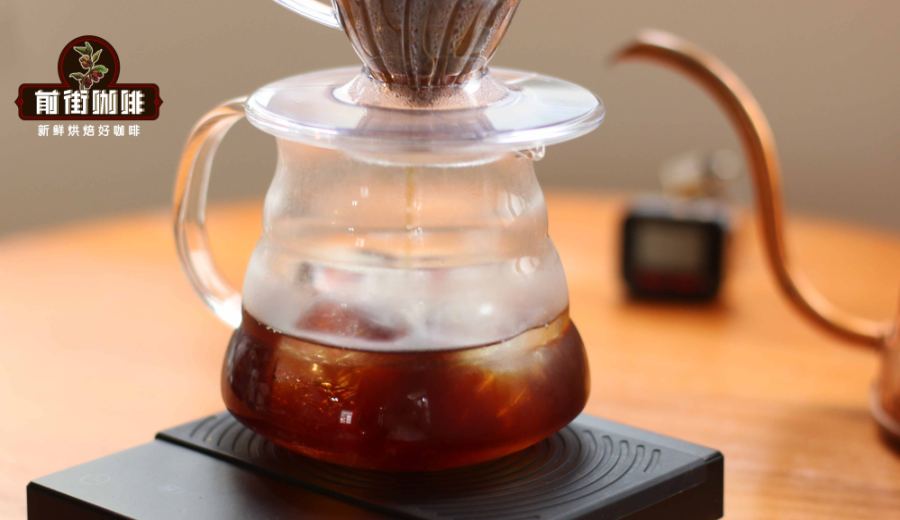
Introduction:On hot summer days, iced drip coffee and cold brew are the most popular choices to beat the heat. But do you know the difference in their extraction principles? From equipment used, parameter settings to bean pairings, this article details the brewing processes and key techniques of these two iced coffees, and recommends suitable flavor combinations. Whether you want to make it at home or order it at a café, you’ll find the perfect option.
In the scorching summer, a cool cup of coffee is almost everyone’s salvation. Iced drip and cold brew — these two refreshing and low-stimulation coffee drinks — both belong to low-temperature extraction, but differ significantly in brewing methods, equipment needs, and final flavors. Many people often confuse them, but actually, there are clear differences in extraction time, technique, and suitable coffee beans. This article will deeply explore the brewing principles, step-by-step guides, equipment setups, and key parameters of iced drip and cold brew, helping you easily master the essence of these two summer coffees.
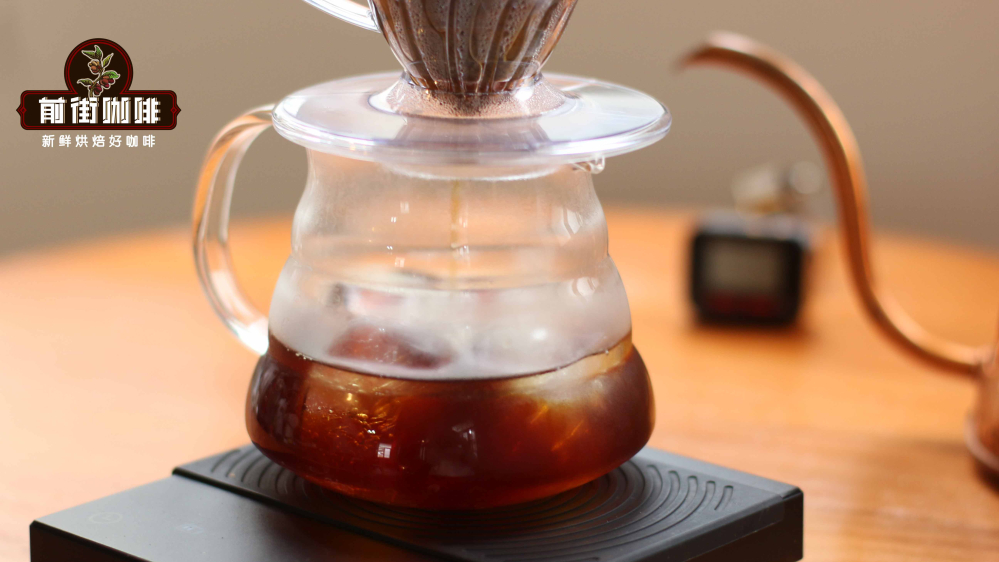
The high temperatures of summer often make people crave nothing but cool beverages, which is why iced drip and cold brew coffee have gained increasing attention in the coffee market. As the name suggests, iced drip coffee involves dripping ice water drop by drop onto coffee grounds to slowly extract flavors. The entire process often takes 6 to 12 hours, making it an extraction method that demands great patience. Due to its lengthy duration and need for specialized equipment, it is usually found in cafés. Cold brew coffee, on the other hand, involves steeping coffee grounds in cold water for a long period, requires no complicated tools, has a low barrier to entry, and is very suitable for making at home.

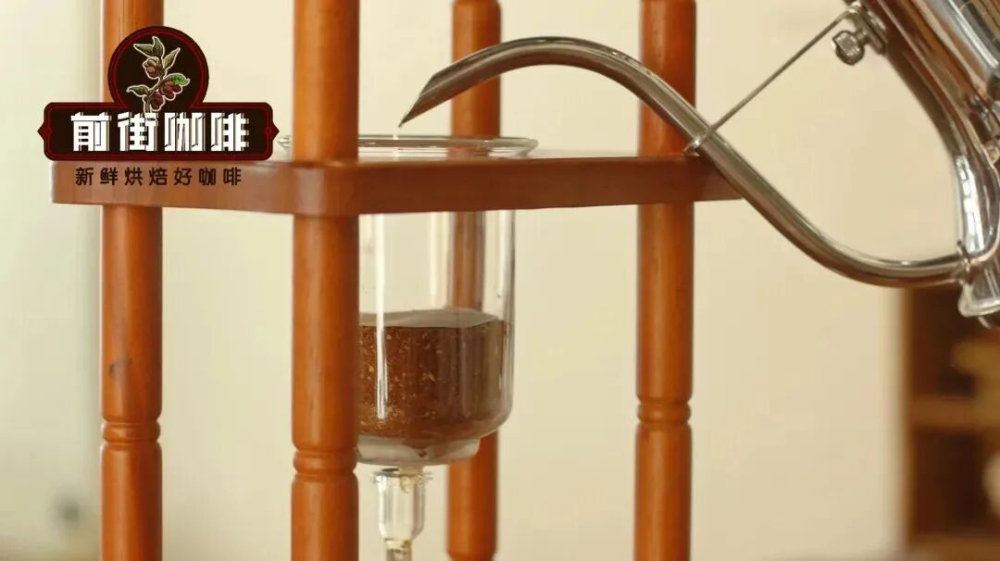
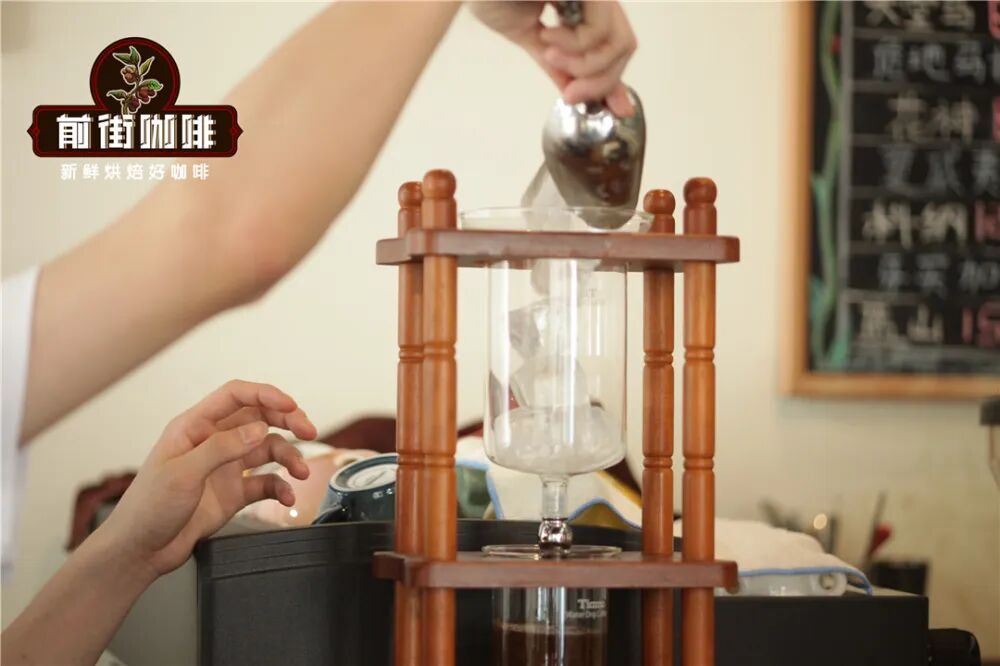
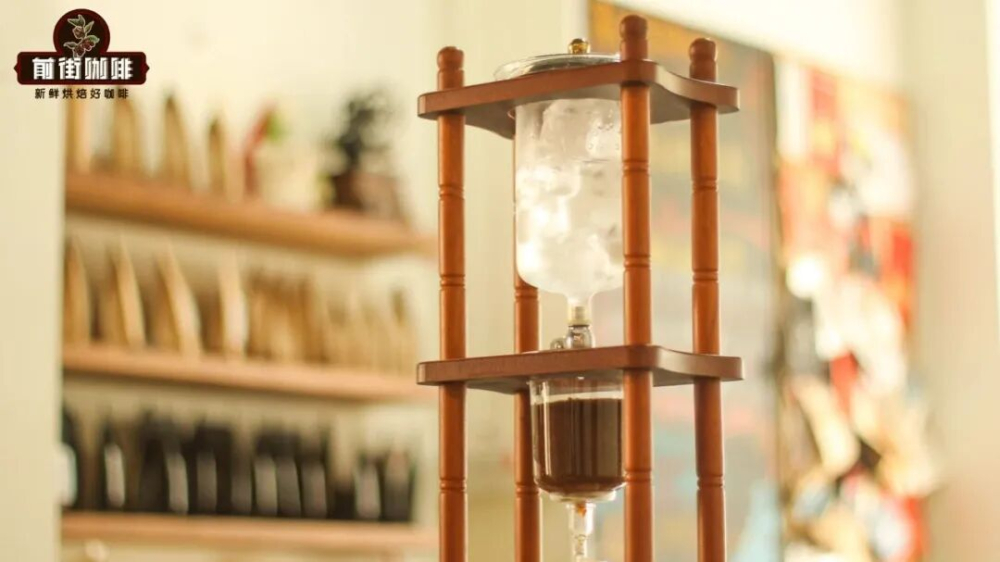
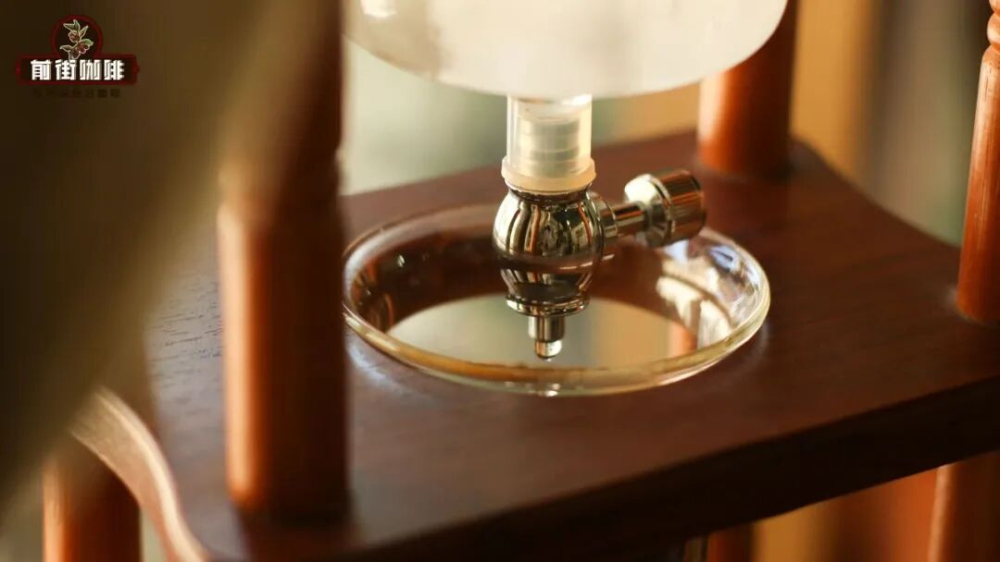
The production of iced drip coffee relies on specific equipment combinations. A common iced drip kettle generally consists of five parts: a water reservoir, an adjustable valve, a powder chamber, a serpentine tube, and a coffee liquid container. The water reservoir holds the ice-water mixture, the adjustable valve controls the dripping speed, the powder chamber holds the coffee grounds, the serpentine tube helps observe the flow and color changes of the coffee liquid, and the bottom container is used to collect the finished brewed coffee.
In actual operation, the parameter settings for iced drip coffee are as follows: use 60 grams of coffee grounds, paired with a total of 600 grams of coffee liquid, resulting in a powder-to-liquid ratio of 1:10. The coffee grounds are recommended to be ground to a fineness where about 82% passes through a Chinese standard No. 20 sieve — roughly medium-coarse, similar to the medium-coarse grind used in pour over. The overall extraction time should be controlled between 6 to 8 hours. Too short a time can result in under-extraction, while too long may extract excessive impurities, affecting the purity of the taste.
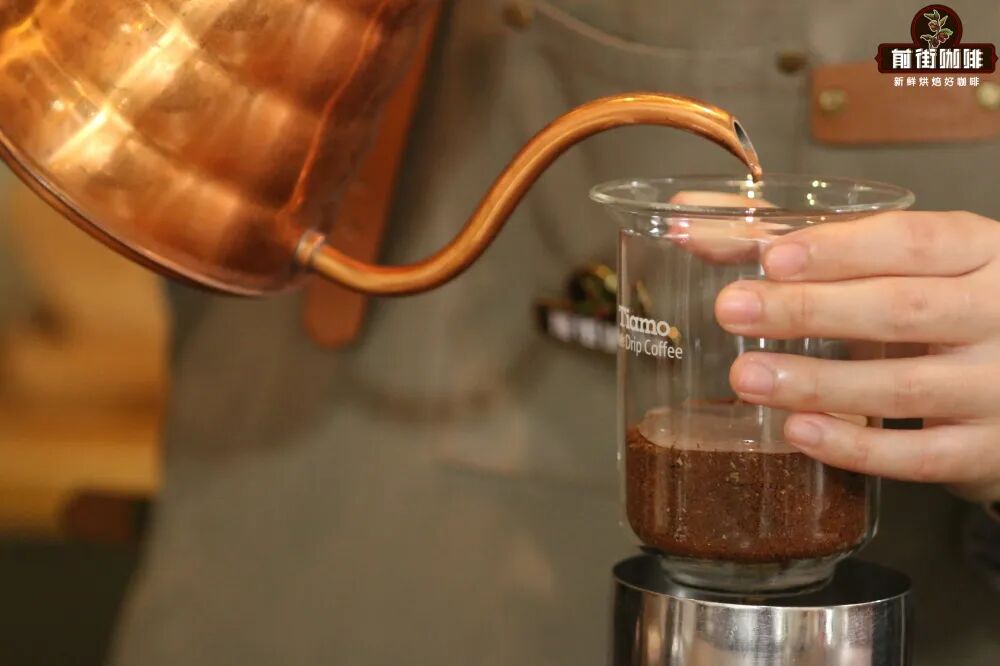
The suggested practical steps are as follows: First, slightly moisten the bottom of the powder chamber, place a round filter paper and press it flat. Then add about 60 grams of coffee grounds, and cover with another filter paper to ensure the coffee layer is even. You can then sprinkle a small amount of room temperature water to evenly wet the coffee grounds — this step helps the subsequent ice water drip more smoothly. Next, fill the water reservoir with pre-mixed ice water. It is recommended to add ice first and then top up with water, which helps stabilize the temperature and dripping speed. Set the adjustable valve to release 5 to 8 drops every 10 seconds, maintaining a steady flow rate. During extraction, occasionally check the bottom coffee liquid container, and stop when 600 milliliters have accumulated. Finally, pour the extracted liquid into a sealable container, and it is recommended to refrigerate it overnight to allow the flavors to meld. Enjoy it the next day.
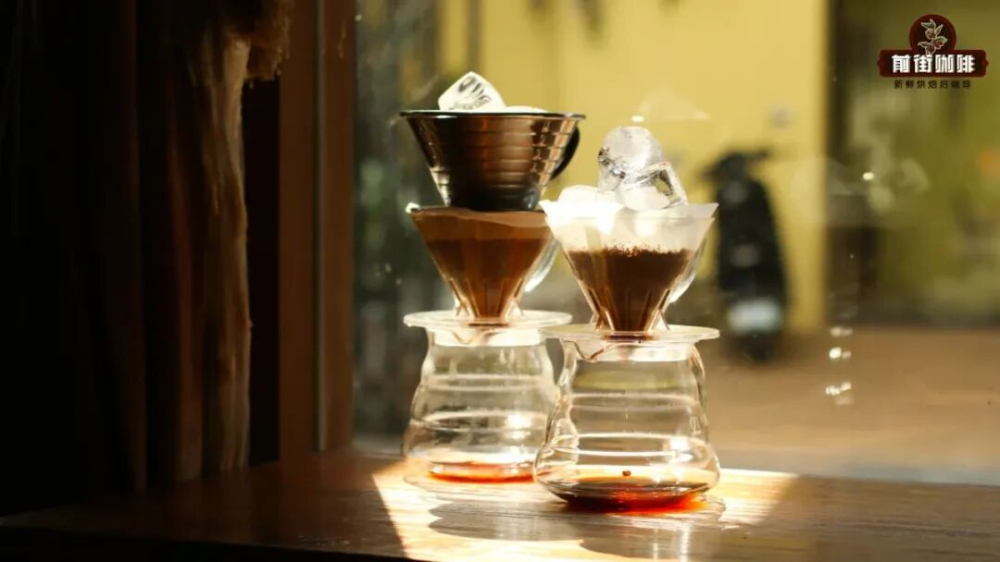
In contrast, making cold brew is much simpler, requiring no special equipment and can be easily done at home. Cold brew uses 60 grams of coffee grounds with 660 grams of room temperature water, maintaining a powder-to-water ratio of 1:11. The grind size is also recommended to be around 82% passing through a Chinese standard No. 20 sieve. The extraction time is 8 to 10 hours, and it is recommended to refrigerate it to prevent the growth of bacteria at room temperature.
The steps for cold brew are simple and clear: choose a sealable container, pour in the coffee grounds, then add room temperature water directly. Stir well, tightly seal the container, and let it sit in the refrigerator for 8 to 12 hours. After extraction, it is recommended to take it out and stir gently, then filter out the coffee grounds using a filter cloth or filter paper. Seal the coffee liquid again and refrigerate for at least 3 hours to allow the flavors to become smoother before enjoying.

Due to their different extraction methods, iced drip and cold brew also show significant differences in the final flavor profiles. Iced drip, being a drip-style concentrated extraction, retains more highly volatile aromas and bright acidity, resulting in a lighter and more vibrant taste. In contrast, cold brew is a static steeping process, producing an overall flavor that is richer, fuller, smoother, and sometimes with more pronounced aftertaste, though it is slightly less clean than iced drip.
When it comes to coffee bean selection, due to the low-temperature extraction characteristics, cold brew preserves more small-molecule flavor substances such as fruity and floral notes — like citrus, berries, and floral aromas — while large-molecule bitter substances like tannins are less likely to be released. Therefore, it is best to choose coffee beans with bright acidity, rich aroma, or special processing methods. Recommended beans include: Kenya Little Tomato, Costa Rica Blackberry, and Colombia Geisha.
Kenya Little Tomato is produced in the Thika region, at altitudes of 1550 to 1750 meters, with varieties SL28 and SL34, processed using the K72 washed method. When brewed via iced drip, it exhibits flavors of black plum, cherry tomato, and caramel. For cold brew, it offers a refreshing sweet and sour sensation, making it very suitable for summer drinking. Costa Rica Blackberry comes from the Pirrao Estate in the Tarrazú region, at altitudes of 1500 to 1700 meters, with the Caturra variety, and is processed with honey processing. Iced drip brings out flavors of ripe grapes and dark berries, while cold brew has a chocolatey finish — rich yet not bitter. Colombia Geisha is from the Boundary Line Estate in the Huila region, at an altitude of 1700 meters, with double anaerobic sun-dried processing. When using iced drip, it highlights passion fruit, mango, and peach aromas. For cold brew, it transforms into complex layers of dried apricot, raisin, and liquor-infused chocolate.

Regarding grind size, since cold brew uses room temperature or even cold water, the dissolution speed of substances is slower, so a finer grind than usual for pour over is needed. It is recommended to use a grind where 80 to 82% passes through a Chinese standard No. 20 sieve to increase the contact area between water and coffee grounds, but avoid going too fine to prevent over-extraction. For the powder-to-water ratio, iced drip commonly uses 1:10, while cold brew can be adjusted to 1:11 or 1:12 based on personal taste. Those who prefer a stronger flavor can choose the former, while those who prefer a lighter taste should go with the latter. Ice cubes can also be added to adjust concentration, ensuring every sip suits your current preference.
The above content is compiled by CoffeeHunters, a coffee news website.


