







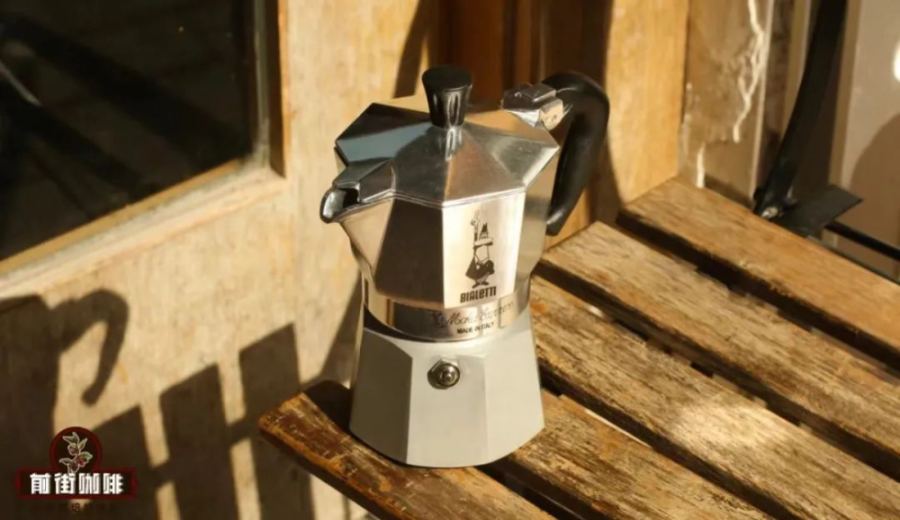
Introduction:Do you often encounter overly bitter or burnt-tasting coffee when using a Moka pot? This is usually caused by uneven or excessive extraction. This article will thoroughly explain the reasons behind Moka pot bitterness and burnt flavors, covering factors such as coffee bean roast level, brew ratio, grind size, and heat control. We’ll provide a complete set of optimization solutions to help you brew balanced, rich-flavored coffee the right way.
Many home coffee enthusiasts who use the Moka pot often face a frustrating issue: their brewed coffee either has a strong burnt taste or is generally too bitter, lacking the desired aroma and complexity. This outcome is mostly directly related to "improper extraction," especially the common issue of localized over-extraction. By mastering the right bean selection and operational details, you too can easily brew flavorful coffee with a Moka pot.
Why does coffee from a Moka pot often taste burnt or bitter? One key reason is "over-extraction." Generally, the bitter compounds in coffee are released more slowly. Therefore, if you notice a strong bitter taste, it usually means the extraction time is too long or some coffee grounds have been over-extracted. This is especially common with Moka pots because their extraction method relies on steam pressure generated by heating to push water through the coffee grounds. This method can easily cause uneven water flow, leading to what’s known as "channeling."
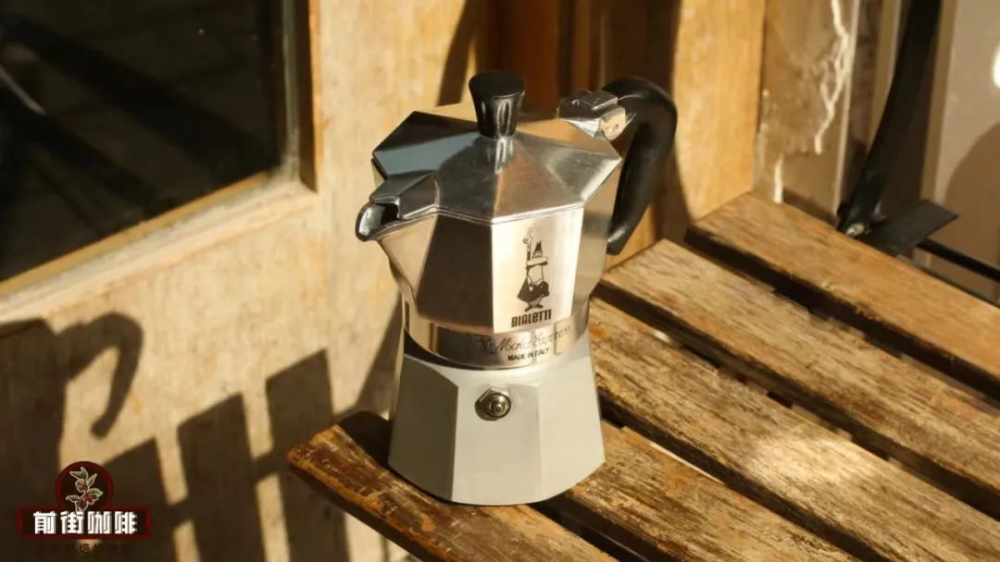
Specifically, when a Moka pot is heated, the water turns to steam, and once steam pressure builds up to a certain level, it forces the water to quickly pass through the coffee puck. If the heat is too high or not adjusted in time, the water may only rapidly pass through the path of least resistance, causing those areas of coffee grounds to be intensely extracted and release large amounts of bitter substances, while other parts of the coffee are not fully soaked—resulting in uneven extraction. This localized over-extraction is the main reason why the final coffee tastes bitter and burnt.
To avoid this, it’s recommended that, where possible, use preheated hot water instead of cold water for extraction. Using hot water can significantly shorten the time needed to heat the water to boiling point, reducing the likelihood of excessive steam production and helping the water pressure penetrate the coffee grounds more steadily. If only cold water is available, it’s advised to reduce the heat as soon as steam begins to form and coffee starts dripping, or even temporarily remove the heat source, allowing the residual heat to complete the later stages of extraction. This gives the coffee grounds more time to steep, improving overall extraction uniformity.
Besides heat and water temperature, choosing the right coffee beans is also a crucial factor affecting flavor. If you prefer bright, sweet, and fruity coffees, you can opt for medium to light roasted single-origin beans from Africa or Central and South America, such as Ethiopia’s Huila or Colombia’s Gesha. These beans typically showcase refreshing flavors like citrus and berries, with less noticeable bitterness. On the other hand, if you prefer rich, bold coffee with caramel and chocolate notes, medium-dark or dark roasted beans—such as Brazil’s Queen Estate, Indonesia’s Golden Mandheling, or Italian-style blends—are more suitable. These often present traits of nuts, cream, and sweetness.
On a practical level, brew ratio, grind size, and tamp are equally vital. It’s generally recommended to fill the Moka pot basket completely and adjust the grind fineness based on the roast level of the coffee beans—usually close to the fine grind used for espresso. If you’re using a hand grinder, you can set it to the finest setting. After filling, it’s advisable to lightly tamp the coffee to make the puck denser, helping the water flow steadily and avoiding under-extraction or uneven over-extraction due to too-fast water passage.
As for the brew ratio, if you plan to use the Moka pot coffee as a base for lattes or cappuccinos, a 1:4 espresso-like ratio is recommended. For straight black coffee, you can adjust according to personal taste to a 1:5 to 1:7 ratio. For example, using 19 grams of coffee with 133 milliliters of water (about 1:7) can yield a strong black coffee, suitable for savoring its rich layers. However, note that the less water you use, the longer the extraction time should be to avoid over-extraction; conversely, more water allows for slightly shorter extraction times.
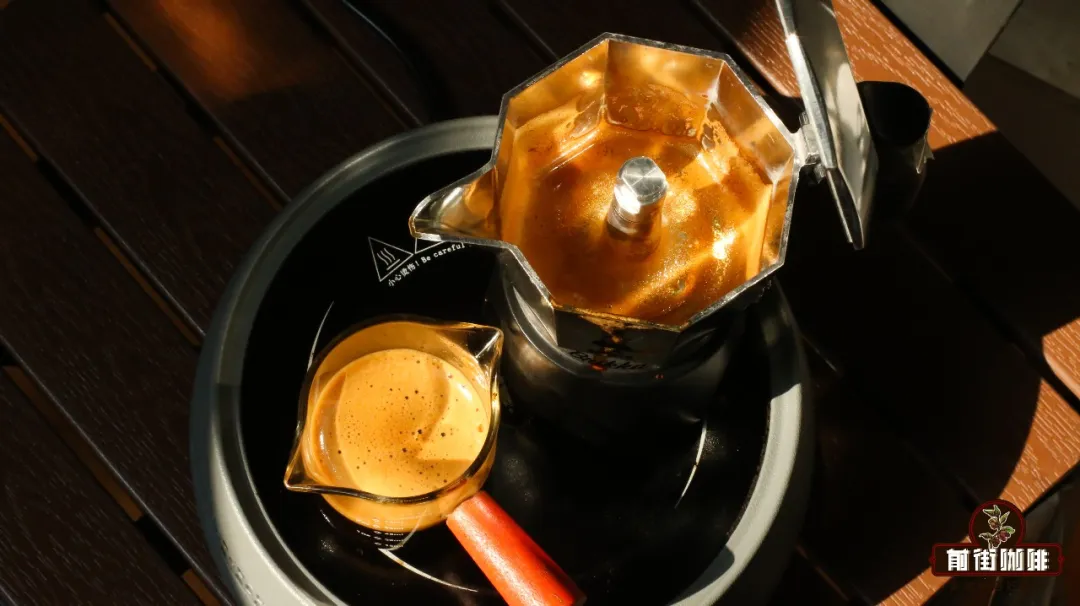
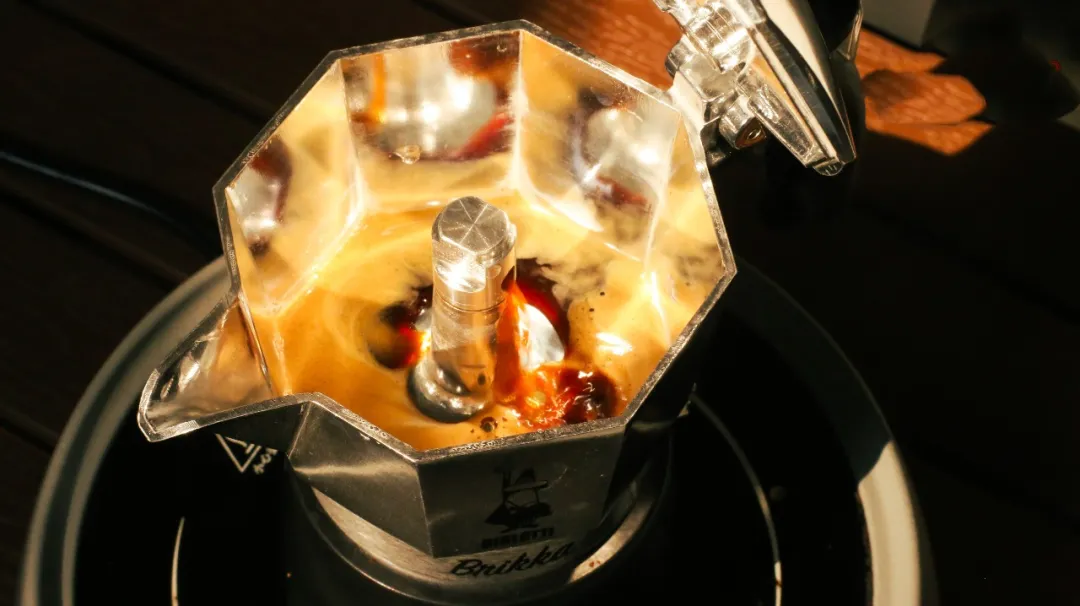
In actual operation, start by heating the Moka pot over high heat until coffee begins to drip from the viewing hole. At this point, if you’re using a smaller amount of water (e.g., a 1:7 ratio or higher espresso concentration), it’s recommended to immediately lower the heat or remove the heat source altogether and let residual heat complete the extraction. This allows the coffee to drip slowly, helping extract full flavor and reduce bitterness. If using more water, maintain a low, steady heat to control the flow rate. When the coffee stops dripping, the extraction is complete.
After extraction, if you find the coffee flavor too intense, you can adjust the strength to your liking by adding a small amount of hot water—for example, about 80 milliliters can make the taste smoother while retaining rich aroma and sweetness. This way, even with dark roasted beans, you can avoid excessive bitterness and highlight the appealing notes of chocolate, caramel, and nuts.
In summary, although the Moka pot has a simple structure, brewing a cup of coffee that is neither bitter nor burnt, and has balanced flavors, still requires mastering key elements such as heat control, brew ratio, grind size, and bean selection. By adjusting according to the methods above, even beginners can consistently brew satisfying coffee with a Moka pot and enjoy the pleasure of home brewing.

The above content is compiled by CoffeeHunters, a coffee news website.


