







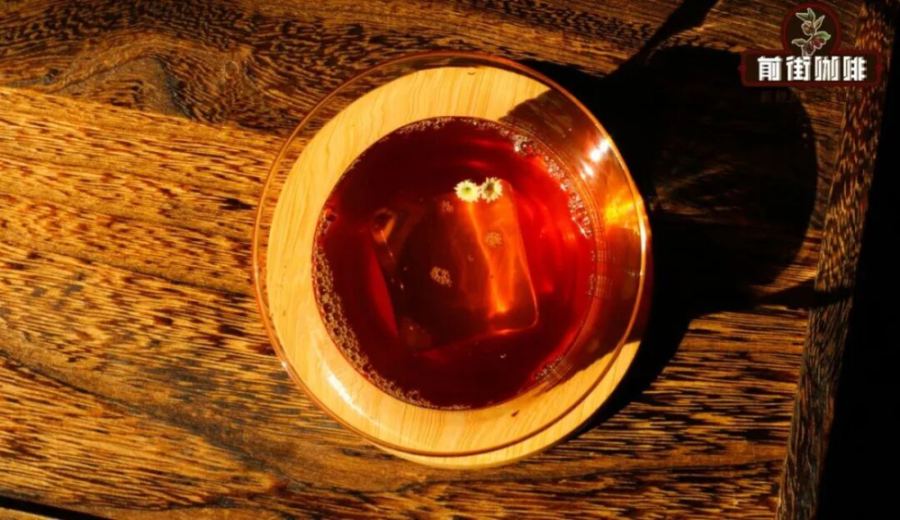
Introduction:In recent years, specialty coffee shops have popularized customized coffee drinks, often sparking discussions due to their high prices and unique flavors. These beverages are typically inspired by the creative drinks from the World Barista Championship (WBC), combining diverse ingredients and brewing techniques to create distinctive taste profiles. This article analyzes their classification logic, the reasons behind their pricing, and offers home-brewing suggestions to help readers determine whether they’re worth trying, as well as how to select suitable coffee beans and extraction methods.
Walking into a modern specialty coffee shop, customized coffee drinks have become a common menu item. These drinks not only come with a higher price tag, but also feature thoughtfully designed presentations and richly layered flavors that attract many consumers looking for something new. However, some drinkers have noted that certain customized drinks barely showcase the taste of coffee itself, even earning them the nickname “little sweet drinks.” This naturally raises the question: what justifies the high prices of these coffees?
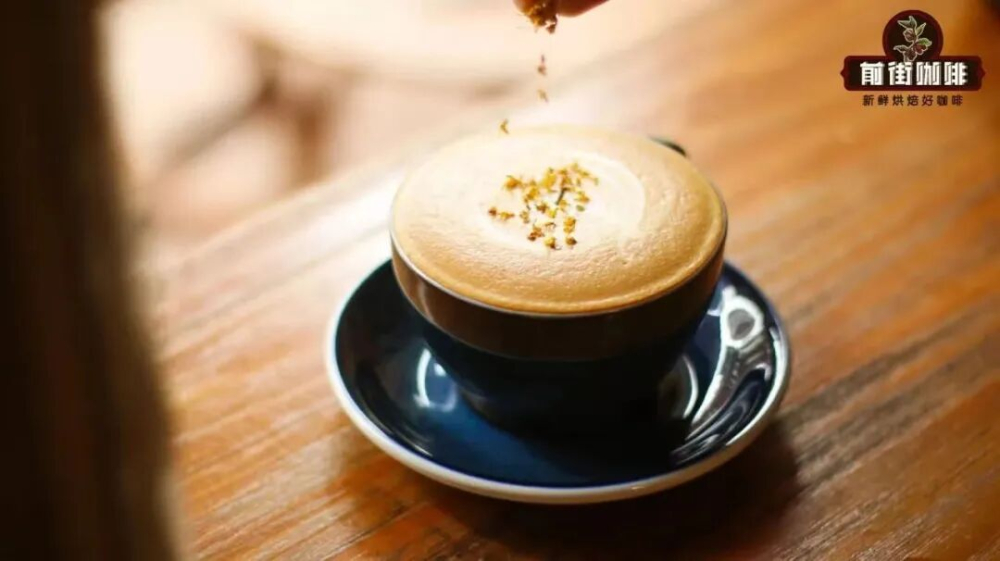
Broadly speaking, customized coffee drinks fall under the category of creative coffee beverages and can be roughly divided into two main types. The basic versions are usually simple mixtures of coffee with straightforward flavorings (such as fruit juice or syrup), like the commonly seen osmanthus latte or fruit cold brew. These are relatively simple to make, more affordable, but offer limited flavor complexity.
<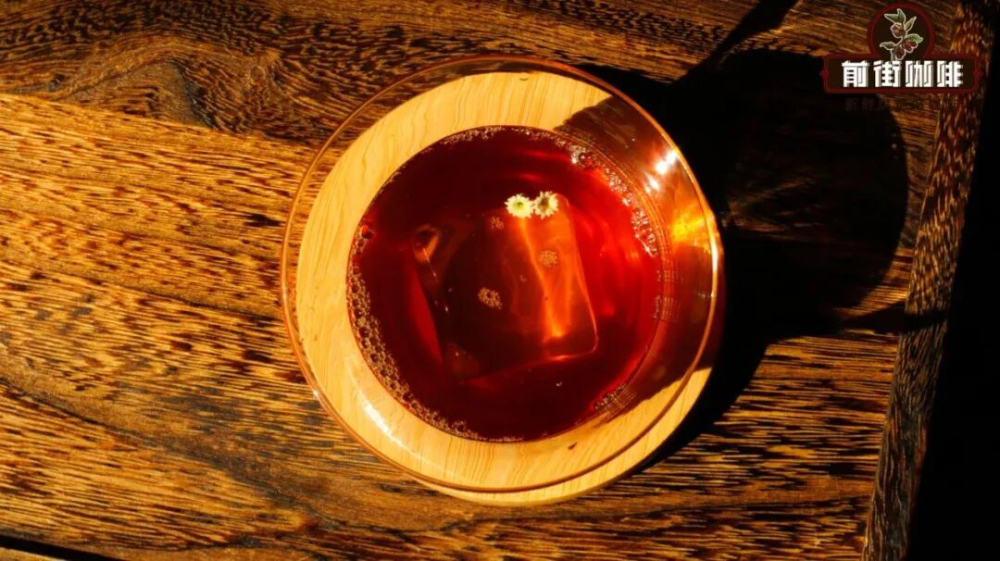 >
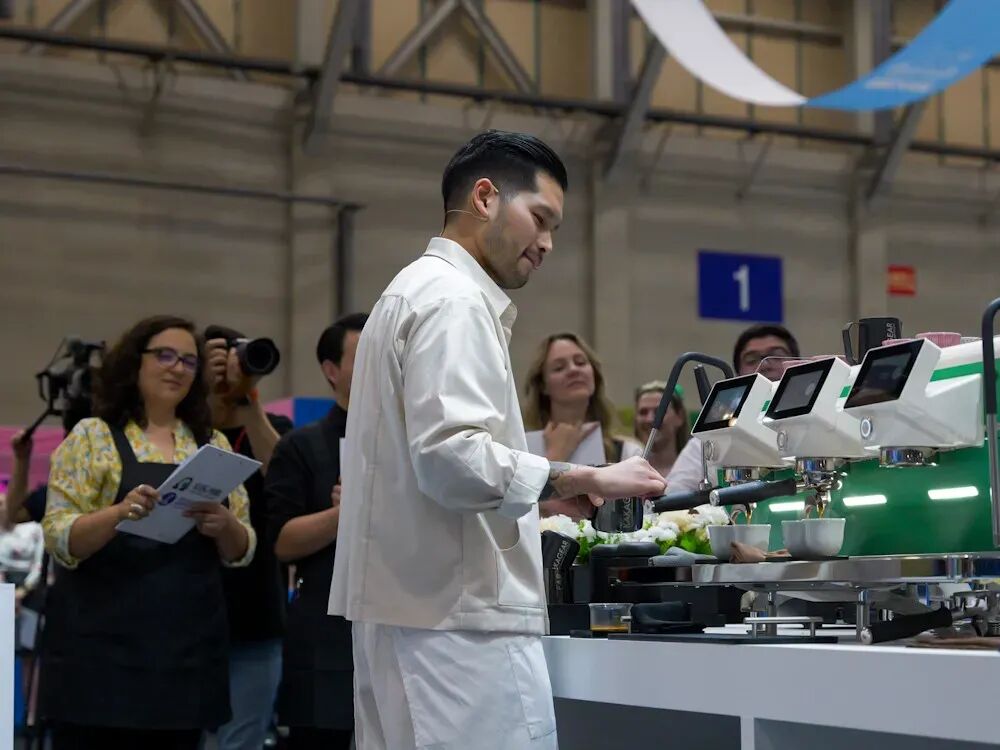
The truly buzz-worthy customized drinks mostly originate from the “Signature Drink” segment of the World Barista Championship (WBC). In this competition, each participant must use their own supplied coffee beans as a base to create one shot of espresso, one milk-based coffee, and one themed creative drink. These customized drinks often incorporate a variety of elements such as fruit juice, spices, alcohol, and milk foam, artfully combined with espresso to deliver a surprising flavor experience.
In terms of preparation techniques, customized drinks share similarities with cocktails. Baristas typically use espresso as the base and pair it with various ingredients to create drinks with distinct themes. For example, Mikael Jasin, the 2024 WBC champion, used chili-infused Bourbon coffee liquid, clarified milk, flavored syrup, and Indonesian cocoa. Through meticulous steps, he crafted a drink that blended flavors of cantaloupe, watermelon, sandalwood, and chocolate cake, fully showcasing the synergistic potential between coffee and ingredients.
The high price of customized coffee drinks isn’t arbitrary. In the early days, these creative beverages were mostly limited offerings shared among competitors. Later, as the specialty coffee trend grew, they gradually became signature items in shops. Their production requires high-quality coffee beans, fresh ingredients, and intricate techniques. Additionally, some shops offer combo sets that include espresso, milk coffee, and customized drinks, further driving up the overall price.
Is it worth trying a customized drink that can cost dozens of yuan? The answer varies from person to person. If you prefer the bold, dark roast flavors but choose a fruit-acid-forward customized drink, your taste buds might not be satisfied. Moreover, whether the coffee flavor stands out in the customized drink and how well it harmonizes with the ingredients are also key factors. Ideally, a high-quality customized drink should balance the characteristics of both the coffee and the ingredients—neither clashing nor failing to create something fresh—while also maintaining reasonable pricing.
For coffee enthusiasts who want to recreate customized drinks at home, selecting the right coffee beans is crucial. Based on past practical experience, if the customized drink has a fresh flavor profile (such as pairing with lychee or lemon), it’s recommended to use medium-light or medium-roast beans, such as Huakui SOE or Strawberry Sugar, to avoid masking the fruity acidity. If the accompanying ingredients have strong flavors (such as alcohol or spices), then medium-roast beans with high sweetness, like Blackberry or Sidamo, can be chosen to ensure the coffee flavor isn’t overwhelmed.
< >
For winter hot drinks or thick, heavy-bodied customized drinks (such as those paired with cinnamon or cocoa powder), it’s recommended to use coffee beans with pronounced roasting flavors, using espresso as the base—such as a dark cocoa-based blend or classic blend. This can enhance the milk and nutty notes, elevating the overall complexity. In terms of extraction parameters, for espresso, it’s advised to use water at 92-94°C with a brew ratio of about 1:2 to ensure concentrated flavor. For pour over, you can adjust grind size and brew time based on the bean type to highlight the desired flavor characteristics.
In summary, customized coffee drinks blend creativity and technique. Their value is reflected not just in the price, but also in the flavor experience and the ingenuity of ingredient pairing. Whether enjoying one in-store or recreating it at home, understanding the underlying logic and key bean selection factors can make this “special coffee” all the more meaningful.
< >
The above content is compiled by CoffeeHunters, a coffee news website.


