







Introduction:Are you afraid of messing up when brewing high-end pour over coffee beans? This article takes an in-depth look at the pour over parameters for premium beans such as Geisha and Blue Mountain. From grind size, water temperature, coffee-to-water ratio to pouring techniques, we’ll guide you step-by-step through mastering professional skills. We also provide resting recommendations and optimal tasting windows for both medium-dark and medium-light roasted beans, helping you avoid common mistakes and fully unlock each coffee’s unique flavor potential.
Have you ever hesitantly brewed a pricey, high-quality coffee bean, only to find the result far from what you expected? The reason these beans command high prices often lies in their rarity, award-winning pedigree, and richly layered unique flavors. However, without the correct brewing method and proper resting timing, it's easy to waste these treasures. Based on practical experience, this article will break down recommended pour over parameters for the light-to-medium roasted 'Jade Red Label Geisha' and the medium-dark roasted classic 'Blue Mountain No.1'. We'll also supplement with useful resting and tasting advice to help you get closer to the ideal flavor with every brew.

Many coffee beginners have had similar experiences: receiving a bag of pricey “auction lot” or “champion beans” gifted by a friend, seeing the dense competition rankings and origin descriptions on the package, knowing these are definitely not ordinary beans. Yet even when brewed carefully, the expected complexity and flavors often fail to materialize. Are high-end beans really that difficult? Actually, the key lies in understanding their characteristics and using the right brewing strategy.
Why are some coffee beans so expensive? Typically, these top-tier beans vastly outperform regular commercial beans in flavor, showcasing more complex floral and fruity notes, or richer sweetness and aftertaste. Coupled with limited production, many being award-winning beans or sourced from renowned regions, and undergoing strict selection and evaluation, they justify their premium pricing. For the average consumer, “great taste at a good price” is the priority—but if you’re pursuing the ultimate flavor experience, learning how to correctly extract these specialty beans will significantly elevate your coffee enjoyment.
1. High-end beans aren’t necessarily better when fresher: Proper resting unlocks optimal flavor
Many assume freshly roasted beans are always best, but newly roasted coffee contains high levels of carbon dioxide, which hinders water contact with coffee grounds, affecting flavor release—and may even cause harshness or astringency. It’s recommended to rest medium-dark roasted beans (like Blue Mountain No.1) for 4–6 days, and medium-light roasted beans (like Geisha) for 7–8 days. Generally, around 5–7 days after roasting is when coffee flavor begins to round out, while the optimal tasting window usually falls between 2–4 weeks post-roast. If your beans have been stored for over 30 days, it’s best to consume them soon to avoid flavor fading into dull bitterness.

2. Identifying roast level and flavor tendency is the first step in setting parameters
Before setting your pour over parameters, understand what kind of roast style your coffee beans fall into. Generally, light-to-medium roasted coffee highlights fruity acidity and floral notes, suiting those who prefer a clean taste; medium-dark roasts offer caramel, nutty, and chocolatey tones with a richer mouthfeel. Many roasters don’t directly label roast degree, but flavor descriptions can help you make an initial judgment. For example, if the flavor profile includes citrus, berries, and flowers, it’s typically light-to-medium roasted; if dominated by chocolate, cream, and caramel, it’s likely medium-dark roasted.
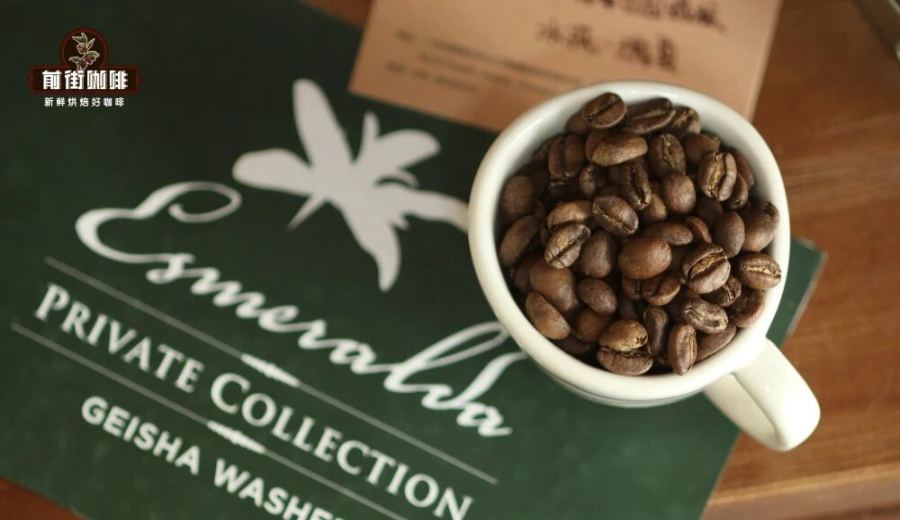
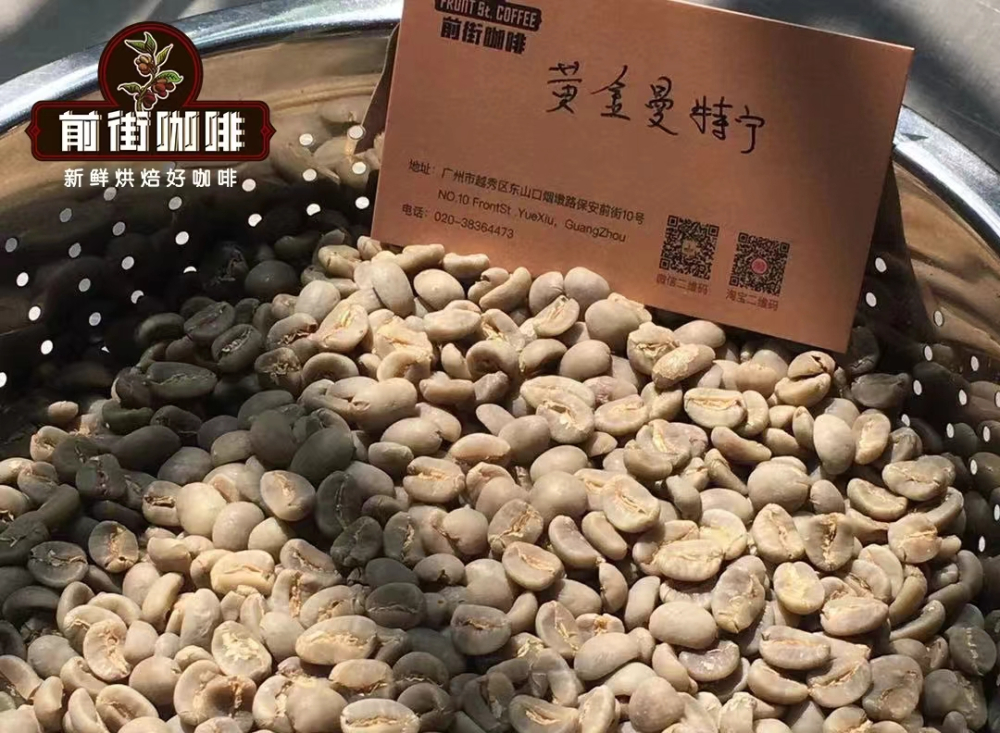
Take Jade Red Label Geisha, for instance—it has a light brown-yellowish hue, and its flavor notes include citrus, peach, plum, and berries, clearly indicating a lighter-leaning medium-light roast. Blue Mountain No.1, on the other hand, is mostly dark brown, with flavors of chocolate, roasted nuts, and caramel, making it a typical medium-dark roast representative.

3. Fine-tune pour over details to unlock the potential of premium coffee
Premium coffee beans often possess more delicate and complex flavor layers, so a more precise brewing strategy is needed. Depending on roast type, slight adjustments in grind size, water temperature, coffee-to-water ratio, and pouring technique are recommended to fully bring out their characteristics.
Medium-light roast representative: Jade Red Label Geisha
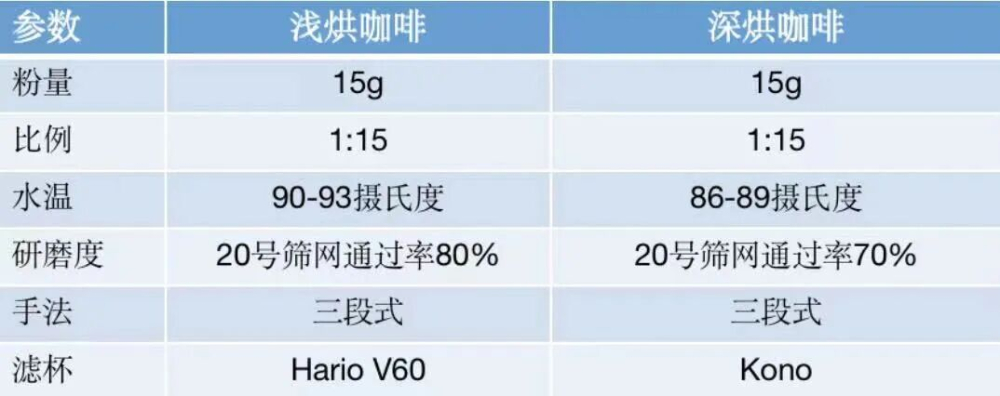
This auction-grade Geisha from Jade Estate, grown at high altitude, has relatively hard beans. It’s recommended to use a slightly coarser grind—around 78% through a 20-mesh sieve (approximately 10.3 clicks on EK43s, or 27 clicks on C40). The coffee-to-water ratio can be increased to 1:16 to enhance extraction and extend flavor layers. For blooming, use 25ml of hot water and let it sit for about 30 seconds to allow the coffee grounds to degas fully. Then pour 120ml of hot water in a circular motion from the center outward. When the water level drops to one-third of the coffee bed, pour the remaining 95ml in a half-circle motion along the liquid surface. Total brew time should be controlled between 2 minutes 00 seconds and 2 minutes 05 seconds.
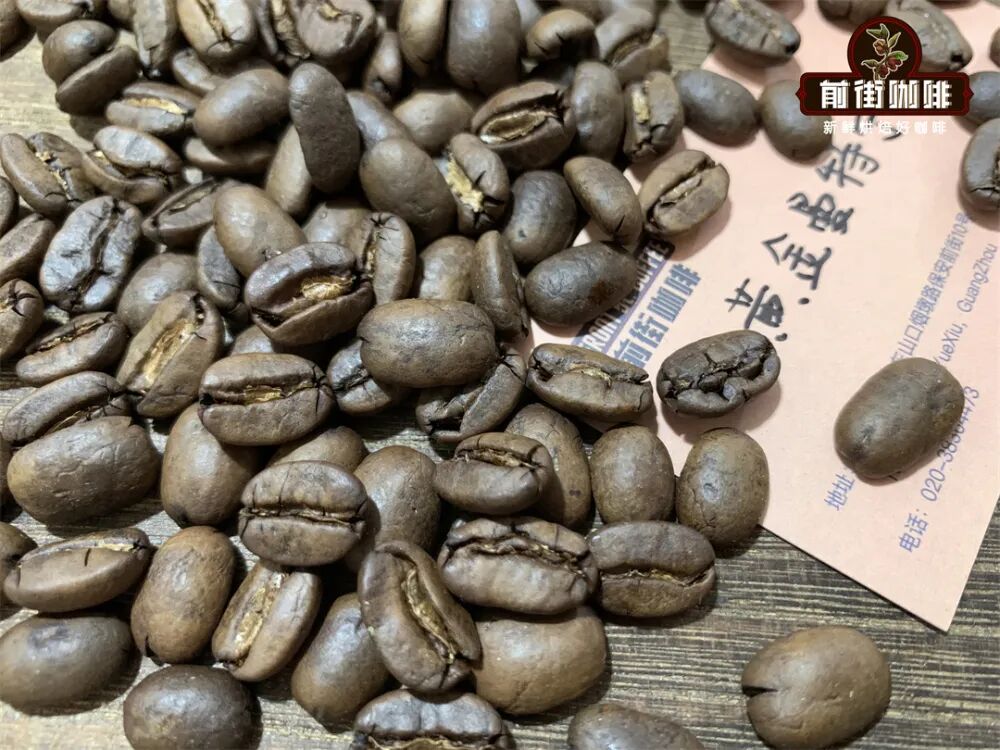
Medium-dark roast representative: Blue Mountain No.1
Blue Mountain No.1 is a standard medium-dark roast, known for its sweetness and full body. A coffee-to-water ratio of 1:16 is advised, but the water temperature should be slightly lower at 85–86°C to avoid over-extraction and bitter notes. Use a pulse pouring method: start with 30ml for a 30-second bloom to form a full dome; then pour 80ml, slowly expanding from the center; when the water level drops to about three-fifths of the filter height, add 70ml with small circular pours; finally, pour the remaining 60ml when the water level is low to complete extraction. This method helps enhance layering and sweetness.
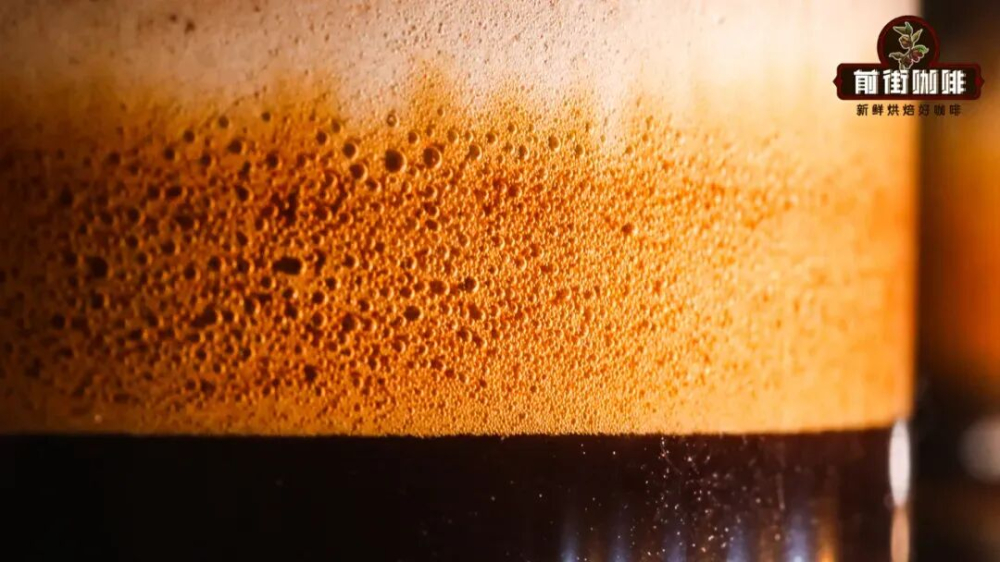
In summary, brewing high-end pour over coffee beans isn’t difficult—the key lies in understanding the beans’ nature, mastering basic parameters, and making appropriate adjustments based on roast level and flavor characteristics. Resting time and optimal tasting timing are also crucial factors affecting final flavor. With these tips, you too can confidently brew premium pour over coffee with distinct layers and captivating flavors.
The above content is compiled by CoffeeHunters, a coffee news website.


