







Introduction:The world of coffee is incredibly diverse, ranging from pour over to instant, with various forms that differ significantly in flavor and health impact. This article takes an in-depth look at six common types of coffee—freshly ground, drip bags, capsules, cold brew concentrate, freeze-dried powder, and instant coffee—explaining their production principles, flavor characteristics, and health effects one by one. It also provides practical tips on selection and brewing to help readers make the most suitable choice based on their needs.
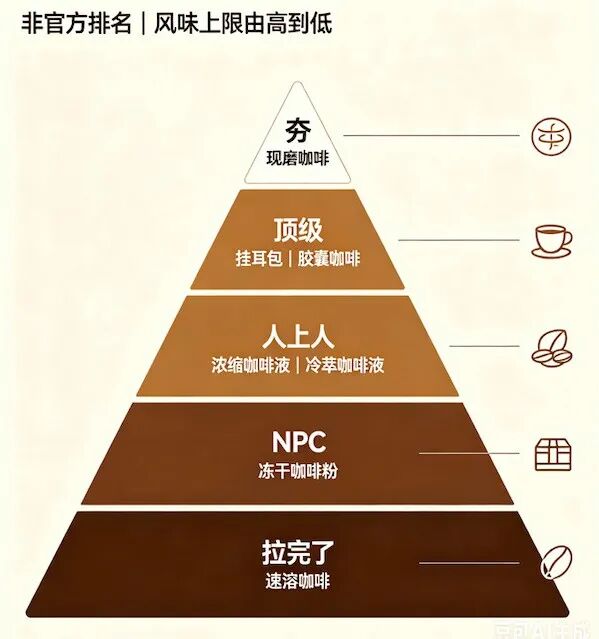
The wide variety of coffee products on the market comes with significant price differences, which are actually determined by processing techniques that ultimately affect flavor performance and health attributes. If we were to rank them comprehensively based on overall taste, freshness, and healthiness, freshly ground coffee ranks at the top because it uses whole coffee beans, is ground and brewed on the spot without any added sugar, milk, or other ingredients, thus preserving the richest aroma and most distinct layers of flavor, making it undoubtedly the healthiest choice. Drip bags and capsule coffee follow closely, as they balance convenience with flavor. Cold brew concentrate is a middle-ground option that retains relatively better original flavors. Freeze-dried coffee powder and traditional instant coffee, due to their processing methods and ingredient limitations, rank lower in both flavor and healthiness. This article will thoroughly break down the production processes, flavor profiles, and health impacts of these five mainstream types of coffee, along with practical suggestions, helping you find the coffee type that best suits you within the spectrum from “premium” to “ordinary.”
Tier 1: Freshly Ground Coffee — The Representative of Freshness and Flavor
Freshly ground coffee refers to the method where coffee beans are ground on-site and then brewed immediately. This type of coffee uses whole coffee beans as the raw material, which must be filtered through paper or metal filters to remove coffee grounds. No additional sugar, milk, or other components are added, so it can preserve the coffee’s original aroma and beneficial compounds to the greatest extent, making it the choice that best aligns with the definition of a healthy beverage.
There are many brewing methods for freshly ground coffee, including pour over, AeroPress, French press, moka pot, siphon pot, espresso, and even cold brew and cold drip—all of which fall under this category. Different equipment and parameters lead to distinctly different flavor profiles. For example, pour over emphasizes clear fruit acidity and layered complexity, while espresso focuses on a rich, thick body and crema.
For beginners in the coffee world, freshly ground coffee is the best starting point for building a flavor foundation. If you want to try pour over, it’s recommended to choose a bean with distinct regional characteristics, such as the herbal earthy notes of Indonesian Mandheling, the citrusy floral aroma of Ethiopian Yirgacheffe, the balanced fruity profile of Colombian Huila, or the nutty chocolate base of Brazilian Cerrado. If you prefer espresso, you might go for blends specifically designed for espresso, such as those with dark cocoa flavors or strawberry sugar tones—these beans can only truly showcase their rich crema and delicate aromas when freshly ground and brewed.
Tier 2: Drip Bags and Capsule Coffee — A Balance of Convenience and Flavor
Drip bags and capsule coffee are products designed to allow you to quickly enjoy a freshly brewed cup of coffee even in a busy life. The coffee beans are pre-ground and packed either in drip filter bags or proprietary capsules, ready to be brewed with hot water or a capsule machine. Though not as flexible as grinding and brewing on the spot, their extraction principle remains similar to pour over or espresso—both are additive-free brewing methods—so they can retain more of the coffee’s original taste and some nutritional components.
The biggest advantage of this type of coffee lies in its convenience. All you need is hot water and a cup, or a capsule machine, and within seconds you can enjoy coffee with stable quality. However, since the coffee powder is pre-ground, it has a larger surface area exposed to air, making its aroma prone to dissipating over time. Therefore, it’s advisable to buy small packages and store them properly to maintain optimal flavor.
Tier 3: Cold Brew and Espresso Concentrate — Pre-Brewed Flavor, Limited Freshness
Espresso concentrate and cold brew concentrate are products made by extracting coffee under high pressure or low temperature for an extended period, followed by sterile processing and sealing. These coffee liquids usually do not contain additional ingredients and can present flavors that are relatively close to the original coffee. However, since they are pre-brewed liquids, their shelf life is relatively short, and it’s important to check whether preservatives or sugar have been added.
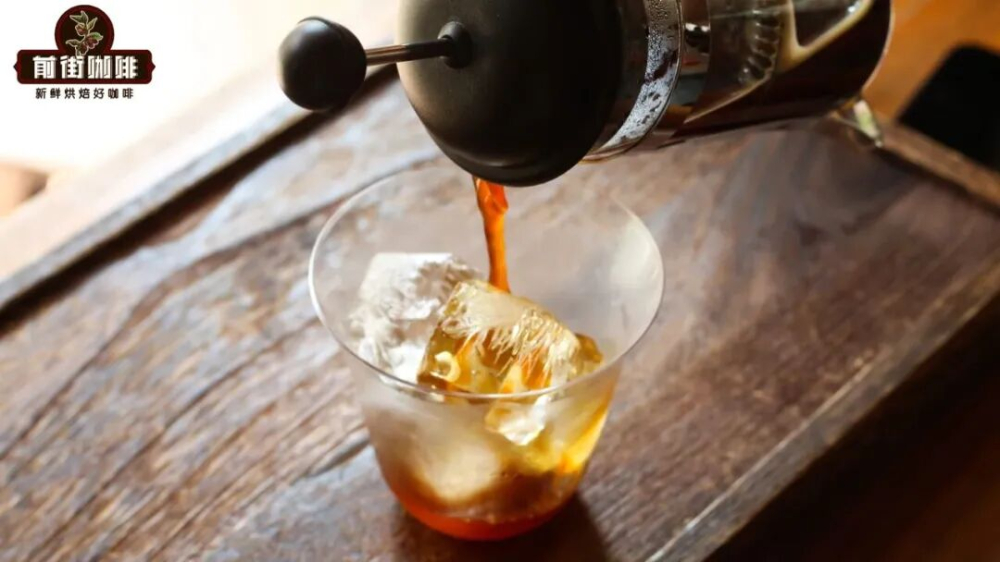
Among them, cold brew coffee liquid is typically made by steeping at low temperatures, resulting in a flavor that is usually refreshing with bright acidity, making it suitable for summer consumption. However, some products on the market may add sugar or artificial flavorings to reduce costs or extend shelf life. Be sure to carefully read the ingredient labels when purchasing to avoid unnecessary additives.
Tier 4: Freeze-Dried Coffee Powder — A Compromise Choice for Flavor Retention via Low-Temperature Processing
Although classified as a type of instant coffee, freeze-dried coffee follows a more unique process known as “freeze-drying” technology. First, the coffee concentrate is cooled to a low temperature until it solidifies, then in a vacuum environment, the ice crystals are directly sublimated into water vapor, leaving behind coffee powder. This process is carried out at extremely low temperatures (around -40°C to -50°C), allowing it to preserve more volatile aromatic substances compared to traditional instant coffee, resulting in a more three-dimensional flavor.
Due to the complex and energy-intensive production process, freeze-dried coffee has higher production costs and is generally more expensive than regular instant coffee. Some brands use high-quality Arabica beans to enhance the flavor, making it suitable for consumers who seek convenience but still desire a certain level of complexity.
Tier 5: Instant Coffee — High-Temperature Processing, with Limited Flavor and Health Benefits
Traditional instant coffee is made by grinding roasted beans into powder, extracting the coffee liquid with high temperature, and then using high-temperature spray drying technology to instantly atomize the liquid into powder. This process destroys most of the volatile aromatic compounds, resulting in a final product with a thin flavor and often a pronounced bitterness. As a result, producers often use Robusta beans as the main ingredient and add large amounts of non-dairy creamer and sugar to create “two-in-one” or “three-in-one” instant packs. While these taste smooth, their health value is relatively low.
If you choose instant coffee, it’s recommended to pay attention to the ingredient list, try to avoid products with artificial additives, or opt for high-quality pure instant powder and add your own fresh milk and sugar to improve the overall drinking experience.
The above content is compiled by CoffeeHunters, a coffee news website.


