







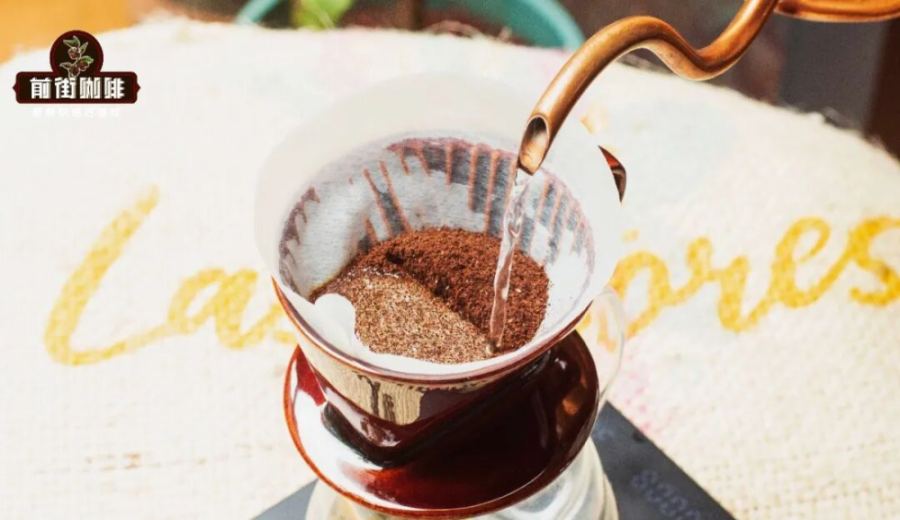
Introduction:Beginner pour-over coffee enthusiasts often struggle with unstable pouring and subpar flavor profiles. The "Z-pattern one-pour" technique, known for its linear water flow and simplified process, has become a widely discussed entry-level method in recent years. This article provides a step-by-step breakdown of the full Z-pattern one-pour operation, key parameter settings, and common pitfalls by using a well-known brand’s Yirgacheffe Wolkite single-origin bean. It also compares the flavor differences with the traditional three-pour method to help readers understand the strengths and ideal scenarios for this technique.
For those just starting with pour-over coffee, choosing an easy-to-master pouring method that ensures stable extraction is a crucial first step into the world of specialty coffee. In recent years, the emerging "Z-pattern one-pour" technique has gained popularity among coffee enthusiasts. Its hallmark lies in drawing water in a straight "Z" pattern across the coffee bed, combined with a simplified segmented logic that greatly reduces operational complexity. However, it has also sparked debate: some believe it offers more stability than traditional circular pouring, while others feel its flavor development is limited and the technique itself is not as beginner-friendly as it seems.
This article uses a real-world example of a well-known brand’s Yirgacheffe Wolkite — an Ethiopian anaerobic natural bean — to fully dissect the operational steps, parameter configurations, and nuanced tips of the Z-pattern one-pour. It also includes a flavor comparison with the conventional three-pour method, giving beginners deeper insight into the characteristics and potential applications of this technique.
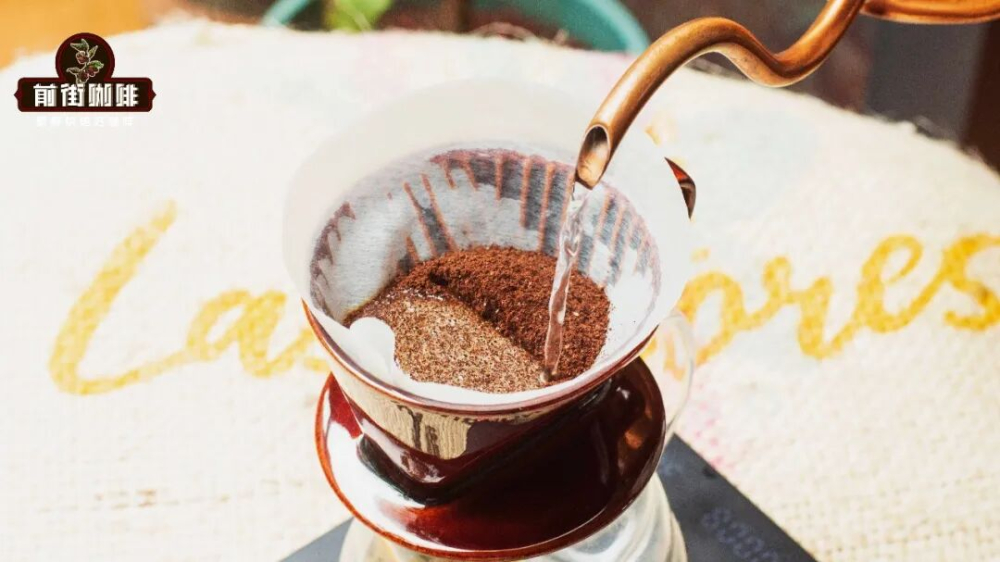
The so-called "Z-pattern one-pour" can be divided into two core concepts based on its name: "Z-pattern" and "one-pour." The term "one-pour" refers to the practice of pouring all the remaining hot water in a continuous, uninterrupted manner after the bloom phase, divided into only two main stages. With almost no pauses in between, it demands a high level of control over pouring stability, flow rate, and evenness, making it a relatively advanced foundational technique.
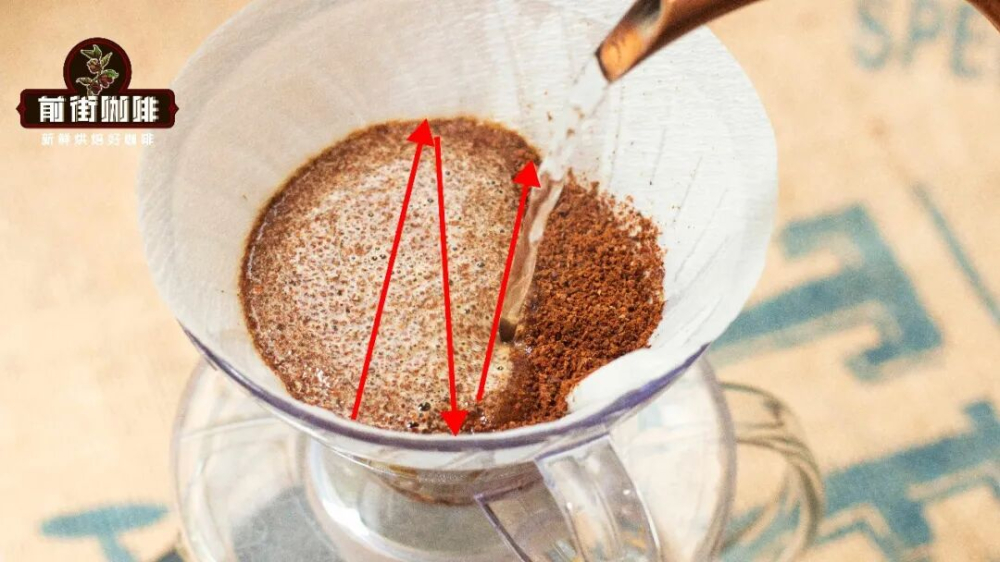
As for the "Z-pattern," it emphasizes moving the water in a straight line across the coffee grounds in the filter, tracing a path similar to the letter "Z." The pour starts from the top edge of the filter and sweeps downward across the entire surface of the coffee bed, then reverses direction from the bottom back up to the starting point. This cyclical motion is repeated until there isn’t enough water left to complete a full Z-pattern, at which point the remaining water is poured as a center-point pour to finish extraction.
How is the Z-pattern one-pour performed? In terms of parameter settings and equipment used, there’s not much difference compared to standard pour-over methods. For clarity and observation purposes, this article uses 20 grams of coffee grounds and a 1:15 coffee-to-water ratio, testing with both a V60 #02 filter cone and a Kalita flat-bottom filter. The water temperature is set at 92–93°C, and the grind size is set to level 10 on an Ek43s grinder (approximately equivalent to 80% extraction through a Chinese No. 20 sieve). For comparison, the same parameters are also used for a traditional three-pour extraction.
The coffee beans selected for this session are the latest offering from a well-known brand: Yirgacheffe Wolkite. This is a unique anaerobic natural single-origin from Ethiopia’s Yirgacheffe region. After harvest, the coffee cherries undergo a 72-hour fermentation process before being sun-dried, which enhances their fruity aroma — particularly highlighting notes of jackfruit and citrus.
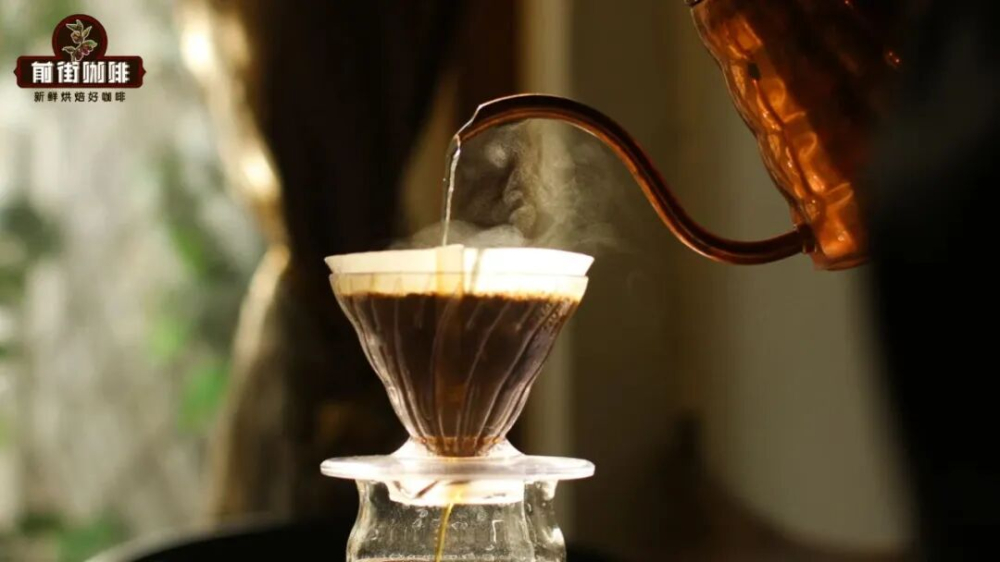
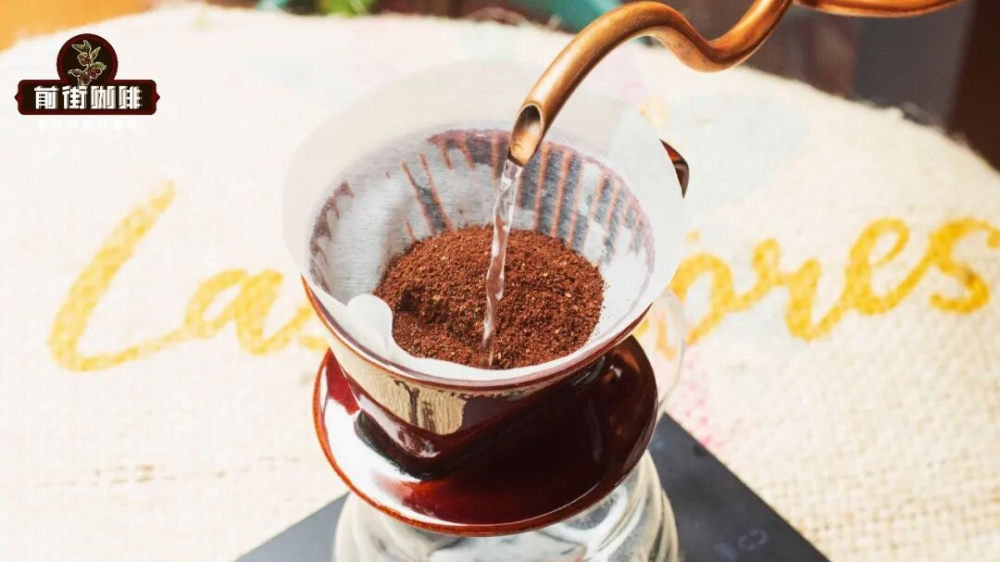
Here is the actual step-by-step procedure for the Z-pattern one-pour: First, rinse the filter paper with hot water to preheat and place it in the filter cone. Then, add 20 grams of coffee grounds and gently level them. Start the timer, and begin pouring hot water directly from above the filter cone. The recommended initial pour is about 60 grams of water. Using a steady, unhurried "Z"-shaped pouring motion, slowly move across the surface of the coffee bed to ensure all grounds are evenly saturated — similar to filling in a coloring book with continuous strokes. When the water flows along the Z-path down to the bottom of the filter, the first stage of the bloom pour is complete, taking roughly 30 seconds.
In the second stage, continue pouring from above the filter in the same "Z" pattern, maintaining a consistent flow rate and speed without arbitrary pauses. As the water flows down one side, it should smoothly reverse direction back to the starting point, repeating the motion. Practical testing shows that after completing about three full Z-pattern cycles, aiming for a total water volume of 1:15 (i.e., 300 grams), there are usually around 40 grams of water left to pour. At this point, it’s recommended to adjust the pour point to the center of the filter and pour slowly in a fixed spot to avoid disrupting the already-formed coffee bed structure from continued Z-pattern pouring. The overall extraction time is around 2 minutes and 25 seconds.
Comparing the Z-pattern one-pour with the traditional three-pour method reveals clear flavor differences: the three-pour coffee emits distinct floral honey aromas and subtle fermentation notes even before tasting, with a bright cup showcasing lychee and citrus acidity, a soft aftertaste, and lingering fragrance — offering a rich and layered flavor profile. In contrast, the Z-pattern one-pour also highlights citrus acidity and a certain body, but presents a simpler overall profile with less obvious layering, leaning more toward a tea-like mouthfeel and a heavier body.
It’s worth noting that the Z-pattern one-pour is actually more challenging to execute than a standard one-pour, with several common difficulties and points to watch: First, the water flow must remain consistent and moderate throughout the pour, ideally around 3 milliliters per second. Too fast can disturb the coffee bed and affect filtration efficiency, while too slow may lead to under-extraction. Second, the Z-pattern path must be smooth and continuous, avoiding pauses on the liquid surface, which can cause uneven local extraction. Lastly, because the total water is divided into only two pours, it’s easy to lose track of overall extraction time while focusing on the pouring pattern, resulting in timing that deviates from the ideal ~2-minute window. Beginners are advised to pay attention to both time management and pouring stability during practice.
Compared to common circular pouring or stirring-based extraction methods, the Z-pattern one-pour leans more toward a "flushing" style of extraction. By repeatedly and evenly covering the entire coffee bed with hot water, soluble compounds are released in a more orderly fashion. To further enhance extraction stability and achieve a fuller mouthfeel, it’s recommended to use a flat-bottomed filter cone (such as a Kalita-style wave or cake filter), which helps increase immersion extraction and results in a richer, more robust coffee flavor.
The above content is compiled by CoffeeHunters, a coffee news website.


