








Introduction:On hot summer days, refreshing cold brew coffee becomes the top choice for many. This article delves into the differences between cold brew and hot brew, breaking them down by temperature, time, and flavor profile, while also detailing key parameters such as coffee-to-water ratio, grind size, and steeping time. It further compares three common home brewing methods—direct immersion, filter bag use, and cold brew makers—analyzing their pros and cons, especially explaining how certain equipment can affect body and flavor complexity, helping you craft the perfect summer iced coffee.
As temperatures rise, more and more coffee enthusiasts turn to cool and refreshing cold brew. This brewing method, which requires no complex equipment and has a low barrier to entry, has become a staple in summer refrigerators. Starting with the basic principles of cold brew, this article explores its characteristics of low-temperature, long-duration extraction, contrasts it with high-temperature brewing in terms of flavor expression, and provides key technical data including coffee-to-water ratio, grind size, and extraction time to help you master the foundational recipe.
Cold brew refers to the process of mixing coffee grounds with cold water in a certain proportion, letting it sit in a low-temperature environment for an extended period, and then filtering it to obtain a coffee that is smooth, low in bitterness, and refreshing. Compared to common high-temperature brewing (water temperature around 82–95°C, typically completed within 3 minutes), cold brew is carried out in near-room temperature or refrigerated conditions, usually taking 6 to 14 hours, making it a classic example of low-temperature slow extraction.

This low-temperature environment allows only small molecules—those carrying acidity and sweetness—to dissolve more easily, while larger molecules that tend to cause bitterness are less likely to be released. This results in the smooth mouthfeel, low bitterness, delicate acidity, and subtle aftertaste commonly associated with cold brew, making it widely favored by consumers who prefer refreshing beverages.
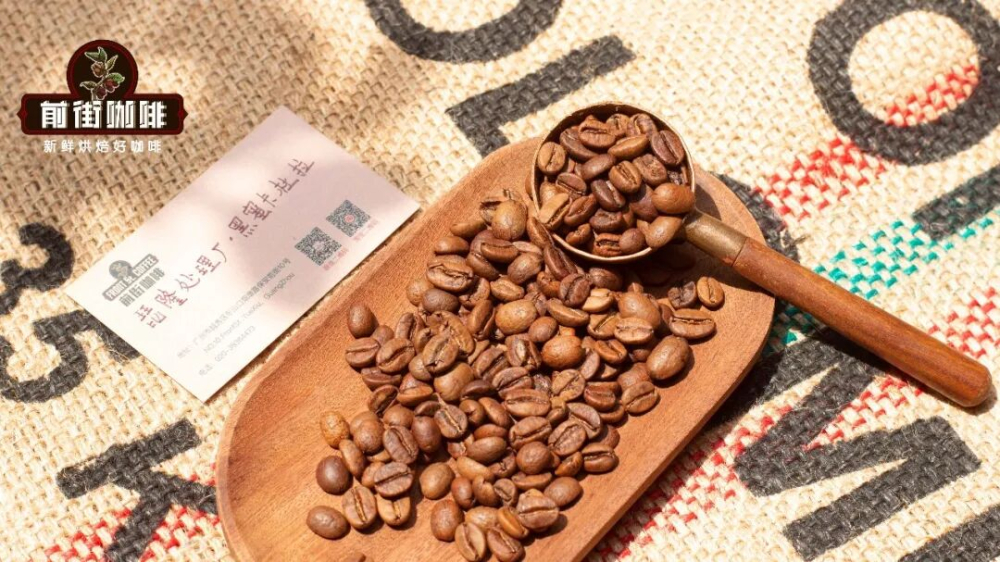
For home brewing, although numerous cold brew tutorials can be found online, the core still boils down to two key elements: the choice of coffee beans and the setting of brewing parameters. First, if you want your cold brew to have bright fruity notes, vibrant acidity, and a refreshing character, it’s recommended to start with beans from African or Central and South American regions known for their distinct fruitiness or lively acidity.
For example, if you prefer pronounced floral notes and high acidity, you might opt for a single-origin bean with prominent fruity characteristics. If you’re aiming for a cold brew that tastes like fresh juice, some medium-to-light roasted beans from Costa Rica or Colombia are great choices—certain commercial offerings exhibit clear profiles of blackberry, Sidamo, or tropical fruit. Additionally, some consumers note that while single-origin beans offer excellent flavor, they can be pricey. In such cases, blending different beans is a good alternative—for instance, combining 30% Sidamo with 70% Yirgacheffe can bring out layers of passionfruit, grape, and citrus, or mixing 30% Hamashu with 70% Huakui to create a profile of tropical fruit, honey, and black tea.
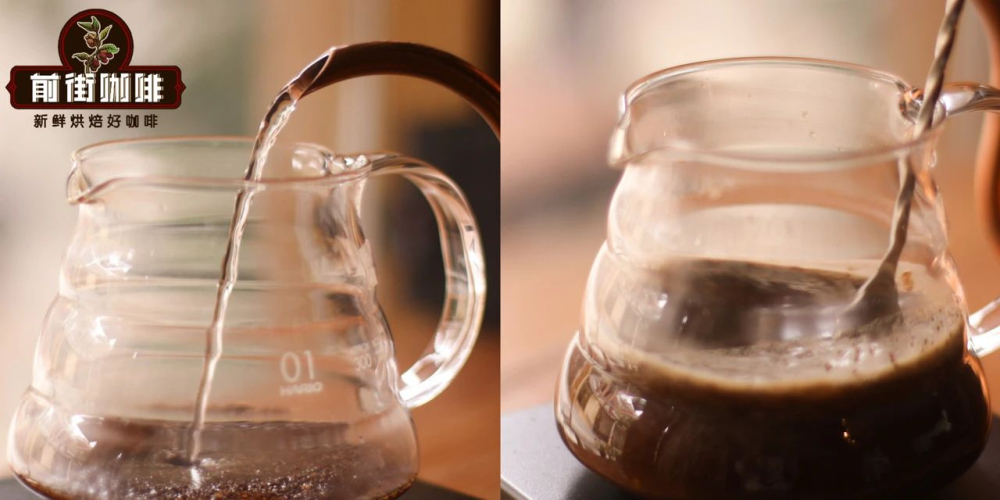
For home brewing, here are some commonly recommended cold brew parameters: the coffee-to-water ratio is generally set between 1:10 and 1:12, with a grind size similar to granulated sugar. For medium-to-light roasted beans, adjust your grinder setting to about 9.5 (using the EK43s as an example, or roughly 80% through a #20 sieve), and for medium-to-dark roasts, you can fine-tune it to around 10. The steeping time is recommended to be between 6 and 14 hours, with slight adjustments based on personal taste preference and the temperature of your refrigerator.
Based on these foundational parameters, there are currently three mainstream methods for making cold brew at home: direct immersion, filter bag or tea bag immersion, and using a dedicated cold brew maker. Each method has its own advantages and disadvantages, suiting different needs and budgets.
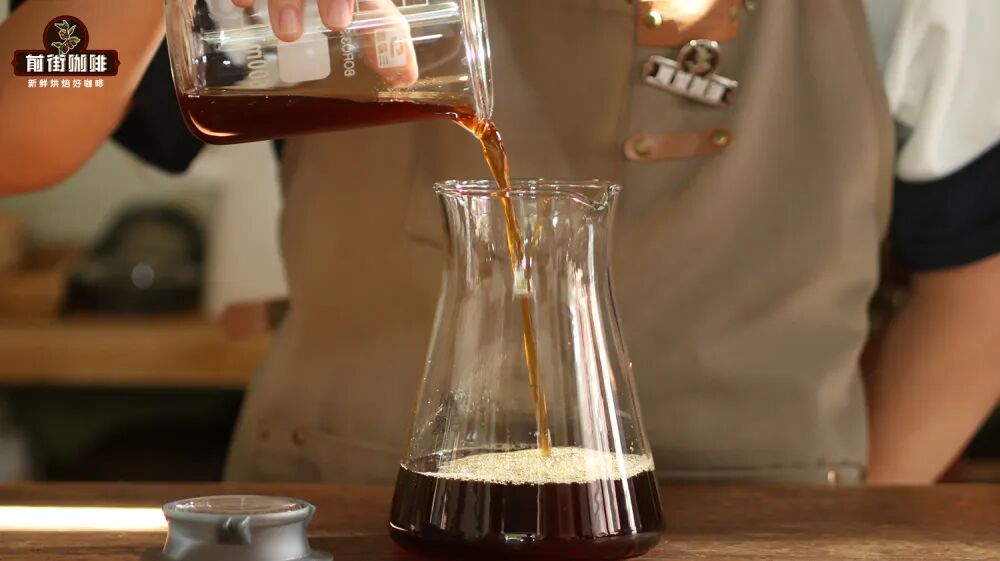
Direct immersion is the most basic and cost-effective approach. All you need is a clean, sealable container where you mix the coffee grounds with cold water and let it steep in the refrigerator. No additional equipment is required during the process. After extraction, simply filter out the coffee grounds using a pour over dripper with paper or metal filters. The benefit of this method is that the coffee grounds have full contact with water, allowing flavors to fully develop, often resulting in a richer and more layered taste, all at minimal cost. However, the downside is that wet coffee grounds can clog the fibers of the filter paper, slowing down filtration and sometimes requiring a longer wait for the liquid to fully drain.
The second common method is using a filter bag or tea bag. This involves placing the coffee grounds into a clean filter bag (you can also use regular tea bags or spice sachets, as long as they don’t leak grounds), sealing it, and then directly immersing it in a kettle or container with cold water. After the required steeping time, you can simply remove the bag and drink without the need for additional filtering. The advantage of this method is that it eliminates the final filtration step, making it more convenient to use and also relatively low-cost. However, it’s worth noting that since the coffee grounds are contained in a bundle, insufficient space inside the bag may lead to uneven absorption or floating on the water surface, which can affect extraction efficiency. Therefore, it’s recommended to choose a slightly larger bag with ample internal space to ensure even water penetration.
The last method is using a cold brew maker specifically designed for this purpose. These devices usually come with built-in filter structures, and some models even feature measurement markings to help control water volume and coffee-to-ground ratio, making the overall operation more intuitive and convenient—ideal for users who prefer a streamlined process. However, because the coffee grounds are confined within the filter, water may not fully penetrate, potentially leading to under-extraction of some flavor compounds and resulting in a relatively light-bodied and less rich final product. Additionally, the filter mesh in some cold brew makers may not be fine enough, leaving behind fine coffee particles or trace amounts of condensation oils in the brewed coffee, which can affect the smoothness of the mouthfeel. It’s advisable to filter the coffee once more with paper to enhance overall texture. Moreover, if not used frequently, ensure thorough cleaning beforehand to avoid residual odors affecting subsequent brews.
The above content is compiled by CoffeeHunters, a coffee news website.


