








Introduction:Have you heard of Raf coffee, the beloved Russian favorite? This creative coffee combines espresso, fresh cream, and vanilla syrup, offering a unique flavor profile along with an amusing origin story from a Moscow café. This article will take you through the background of Raf coffee’s creation, analyze the differences between its traditional and modern preparation methods, and guide you step-by-step on how to make this rich, sweet, coffee-and-cream-textured Russian classic at home or in a café.
Raf coffee (Raf coffee) is a Russian specialty beverage that has gradually gained international popularity in recent years, beloved for its rich, smooth taste and sweet yet not cloying profile. The birth of this coffee dates back to the late 1990s, when a regular customer named Raphael at a Moscow café grew tired of traditional coffee. He approached the baristas with a request for an innovative drink that was gentle on the palate yet layered in flavor. After multiple trials and adjustments, three baristas finally created this stunning beverage and named it after him.
As word of the drink spread among customers, the recipe traveled with the baristas to other cafés, and Raf coffee quickly became a trend across Russia. By around 2018, it had expanded to neighboring countries such as Ukraine, Kazakhstan, and Belarus. The traditional method primarily uses espresso, fresh cream, vanilla sugar, and white sugar. The key lies in mixing all the ingredients together and then whipping and heating them to create a unique texture that sits somewhere between a latte and a dessert.

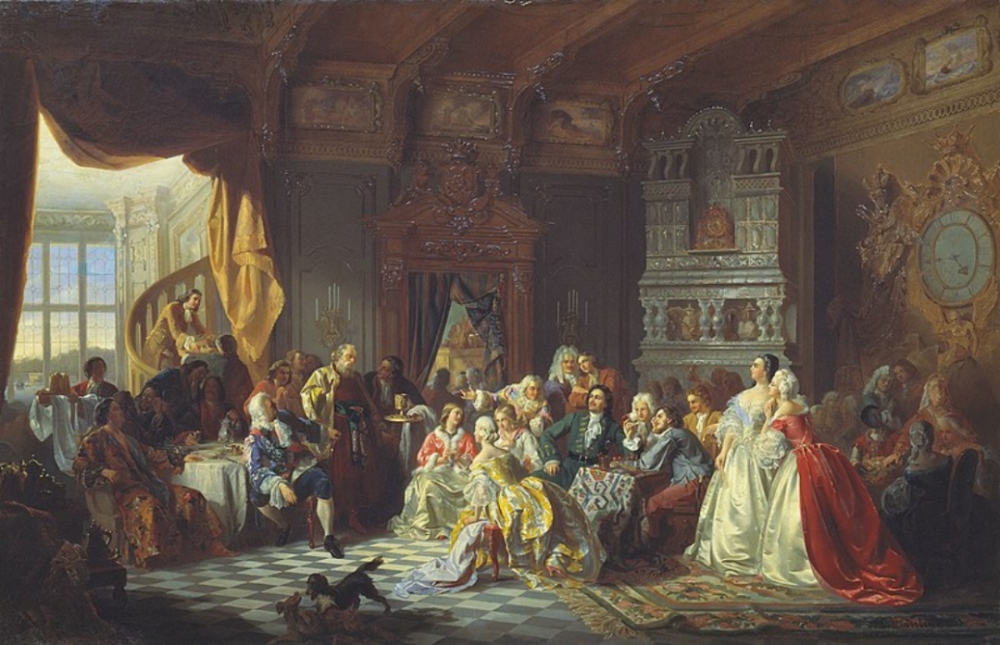
When it comes to specialty coffee, many people immediately think of Italy, the United States, or Japan, often overlooking Russia—a country with a long-standing coffee culture. In fact, coffee has been part of Russian life for over 300 years. Records indicate that Peter the Great introduced coffee to Russia from the Netherlands in the late 17th century, where it was initially sold mostly in pharmacies and regarded as a medicinal drink for treating certain ailments.
Over time, coffee culture gradually infiltrated society. Starting in the 19th century, major cities like Moscow and Saint Petersburg saw the opening of numerous cafés, which became gathering places for literati and thinkers. It wasn’t until the late 20th century, before the third wave of coffee reached Russia, that Raf coffee quietly emerged in a small café in the capital.
The inspiration for this coffee came from a regular customer named Rafael Timurbayev, who wanted the baristas to create an innovative coffee that differed from traditional flavors. Three baristas—Gleb Nevekin, Artem Berezstov, and Galina Samokhina—after countless trials, finally developed a recipe that satisfied him. The coffee quickly spread among customers, and the name “coffee like Raf’s (кофе как Рафу)” was shortened to Raf coffee, becoming one of the classics of Russian coffee culture.
Later, several of the founding baristas moved to other establishments, bringing this special drink to different cafés and further promoting its popularity. By around 2018, Raf coffee had successfully crossed borders and appeared in cafés in Kazakhstan, Ukraine, and Belarus, becoming a must-order item for many customers.
So, how is traditional Raf coffee actually made? According to the classic recipe, the main ingredients include espresso, fresh cream, vanilla sugar, and white sugar. Unlike typical coffee beverages, Raf coffee emphasizes mixing all the components together before whipping and heating them. This process is essential for achieving that uniquely smooth, dessert-like texture.
Nowadays, Raf coffee continues to evolve with health trends. Many cafés reduce the sugar content, replace some sugar with vanilla syrup, or substitute part of the cream with milk to create a lighter and more balanced flavor. There are also many innovative versions—such as those with lavender syrup, caramel, cinnamon, chocolate, or even coconut milk—that add more variety while retaining the core charm of this classic drink.
If you want to make an authentic Raf coffee at home or in your café, it’s recommended to choose a low-acidity, full-bodied coffee bean with chocolate or roasted notes for extracting the espresso. Common recommendations include commercial blends that are low in acidity, rich in flavor, and feature chocolate or roasted characteristics—these beans are low in acidity and high in body, making them ideal for Raf coffee. For this demonstration, we used a commercial blend suitable for both home and café use. Its espresso offers distinct aromas of butter, maple syrup, roasted chestnuts, and nuts, pairing exceptionally well with vanilla cream.
Prepare the ingredients:Commercial blend coffee beans, vanilla syrup, light cream, fresh milk
Step one:Use 18g of commercial blend coffee beans to extract 36g of coffee liquid, keeping the extraction time between 25–35 seconds. After extraction, pour the coffee into a pitcher.
Step two:In the pitcher, sequentially add 100ml of fresh milk, 30ml of light cream, and 15ml of vanilla syrup.
Step three:Use the steam wand of the espresso machine to whip all the ingredients together. While a detailed latte art is not required, the milk foam should still be fine. Aim for a foam thickness of within 0.5cm, close to the standard of a flat white. Stop steaming once the mixture reaches a drinkable temperature (approximately 50–65°C).
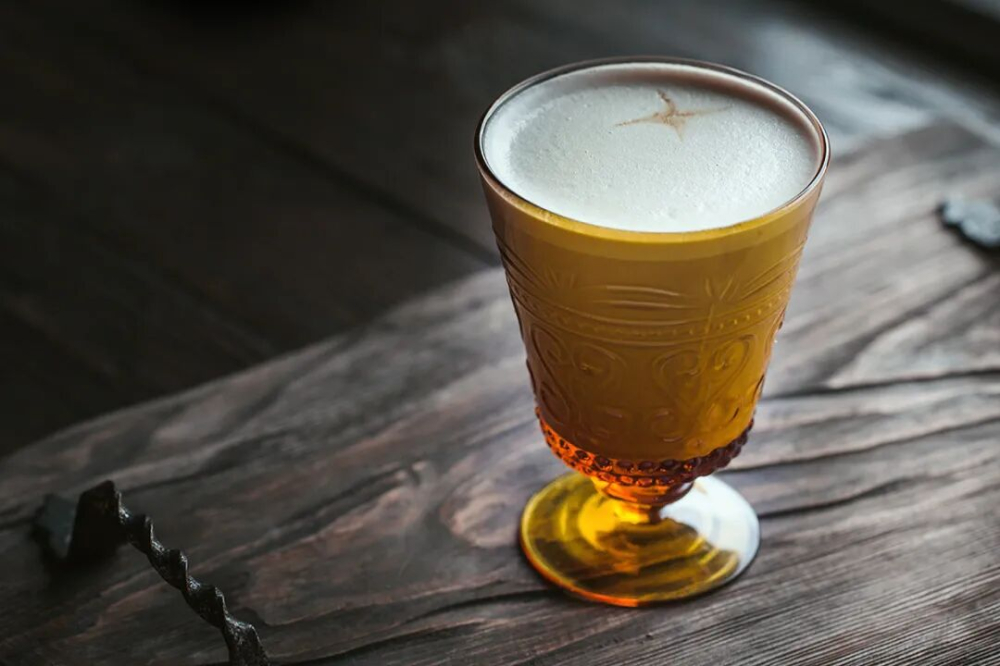
Step four:Pour the whipped coffee mixture into a cup with a capacity of about 180–200ml, and your authentic Russian Raf coffee is complete.
The above content is compiled by CoffeeHunters, a coffee news website.


